Moe's work displays a joyous religious gathering, featuring a preacher, dancers, musicians, and others. The group appears to be performing a ring shout, or praise break, a characteristic tradition of some Black churches in the Southern US involving dancing, stomping, and singing.
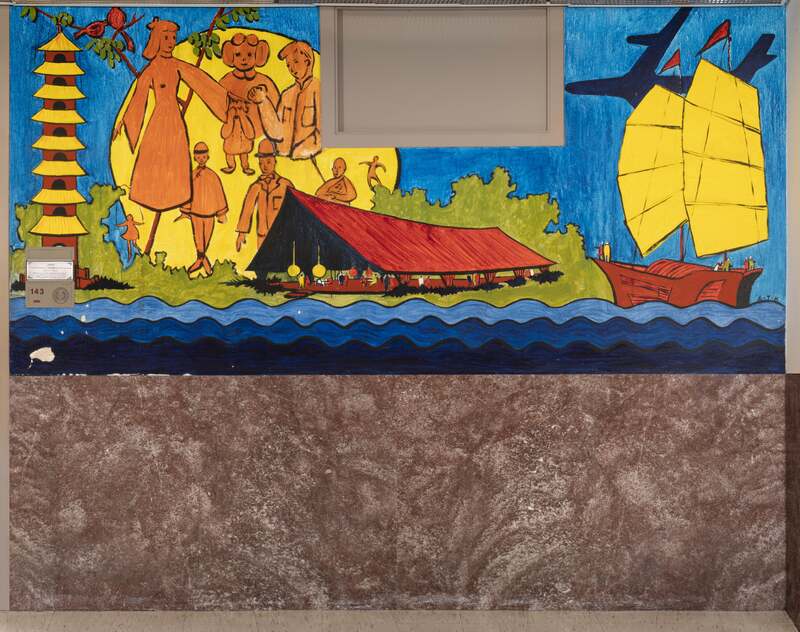
This mural was painted by one of the many Asian students who enrolled in Texas Southern during the 1980s. A wooden ship with sails is seen in contrast with a modern airplane on the right side. On the left, a tower suggestive of a pagoda imbues a sense of history and culture.
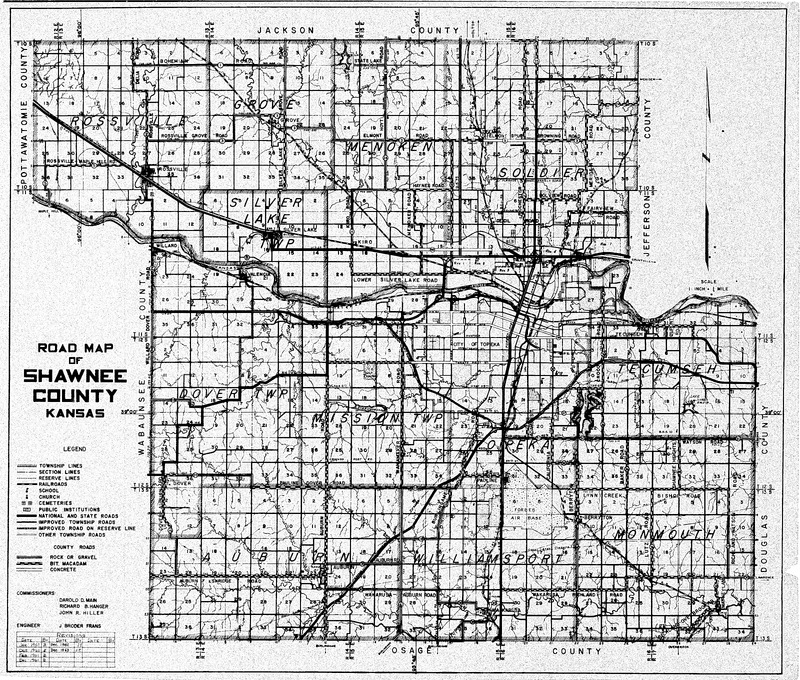
Case Data and Exhibits for Brown III, a relitigation of Brown v. Topeka Board of Education (1954) that corrected resegregation issues caused by open enrollment school choice in 1992. The legend marks township boundaries; railroads; public institutions; national roads, state roads, and township roads; and indicates roads that have been improved.
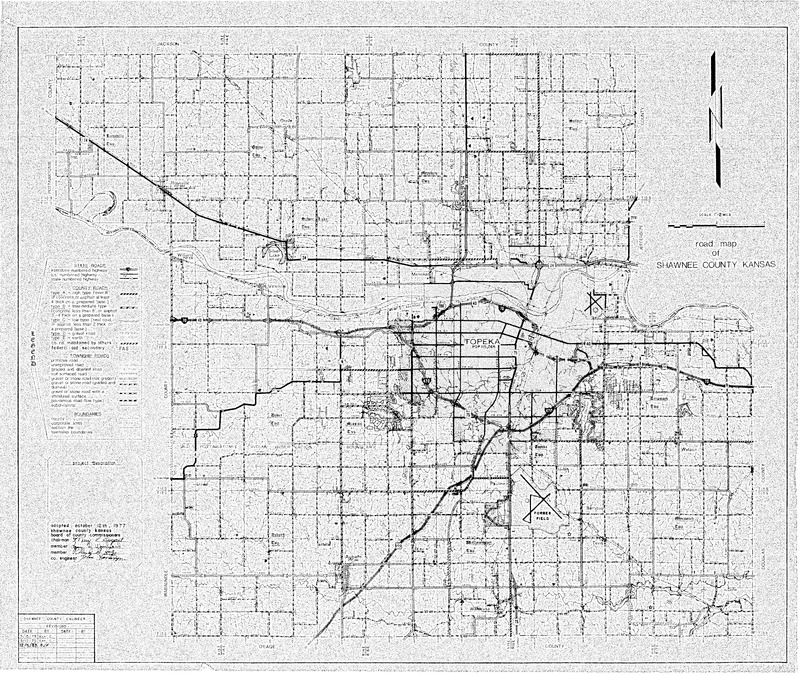
Case Data and Exhibits for Brown III, a relitigation of Brown v. Topeka Board of Education (1954) that corrected resegregation issues caused by open enrollment school choice in 1992. Map includes state roads, county roads, township roads, and county, corporate limit, section line, and township boundaries.
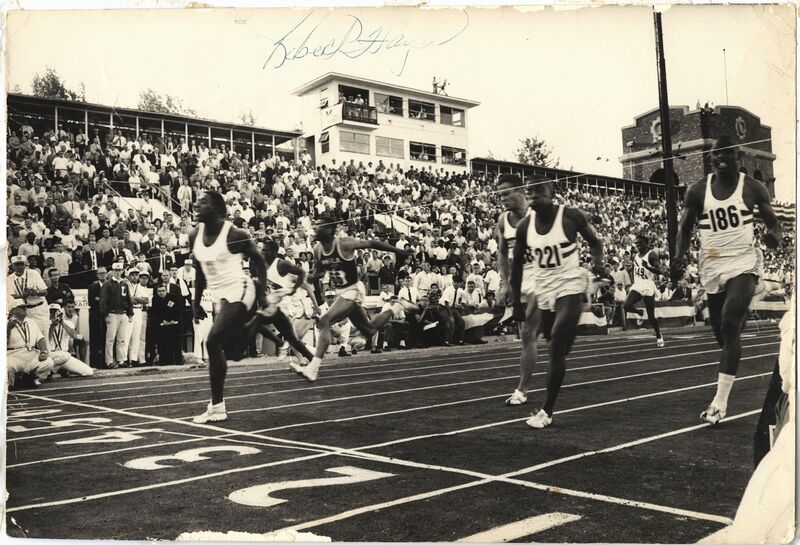
In this electric black-and-white photograph, track star and Florida Agricultural and Mechanical student Robert “Bullet Bob” Hayes is seen in Lane 4 crossing the finish line seconds away from his competitors. An integrated crowd looks on gleefully in anticipation. The image has “Robert Hayes” inscribed on the top in blue ink.
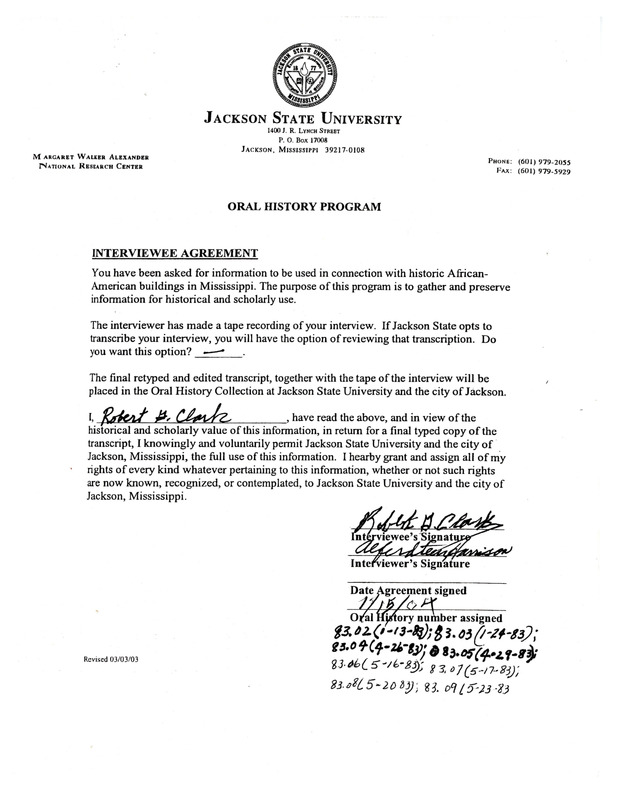
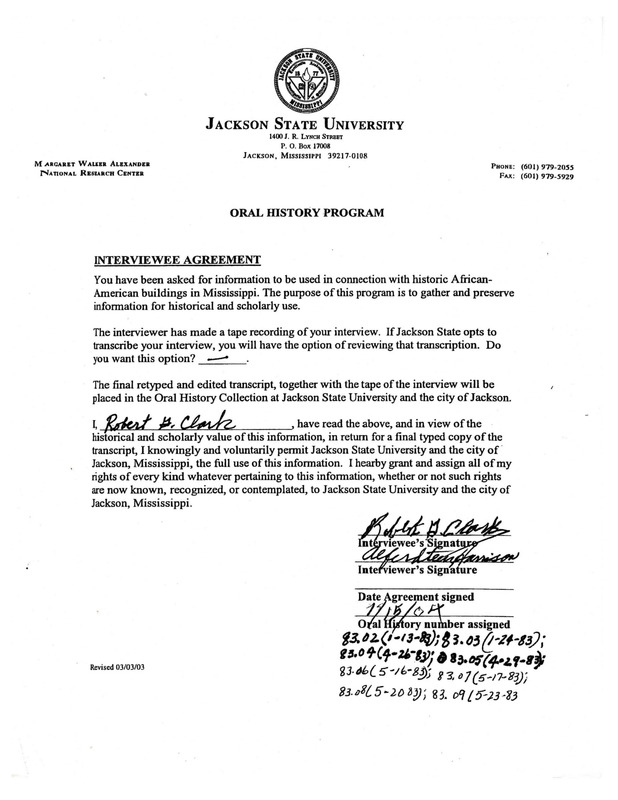
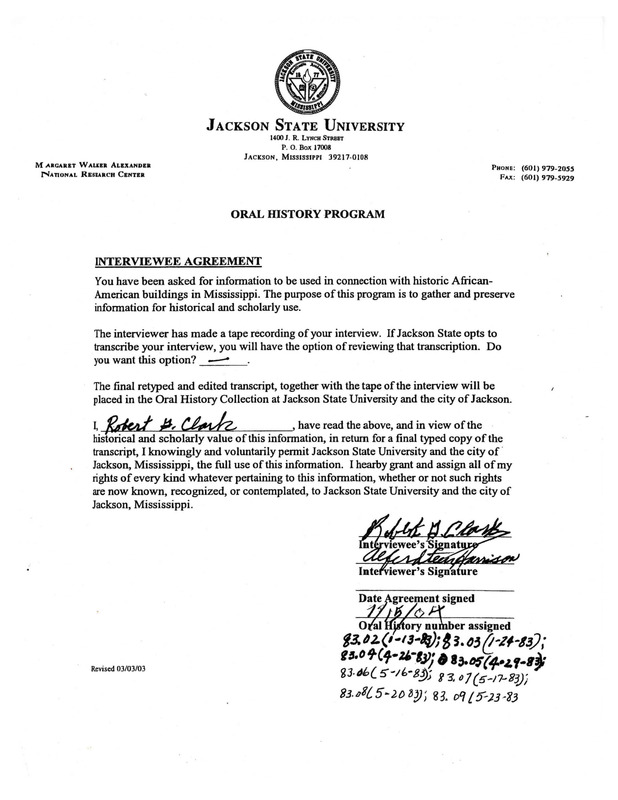
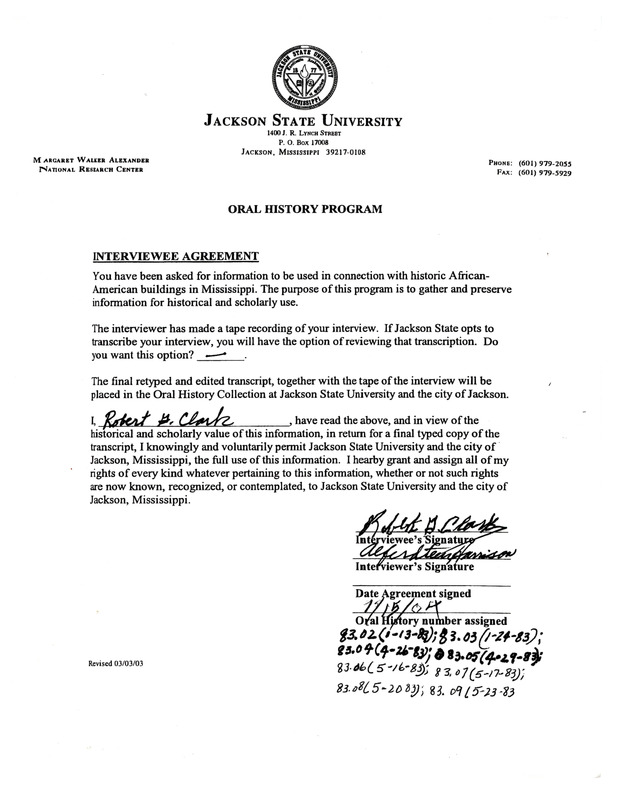
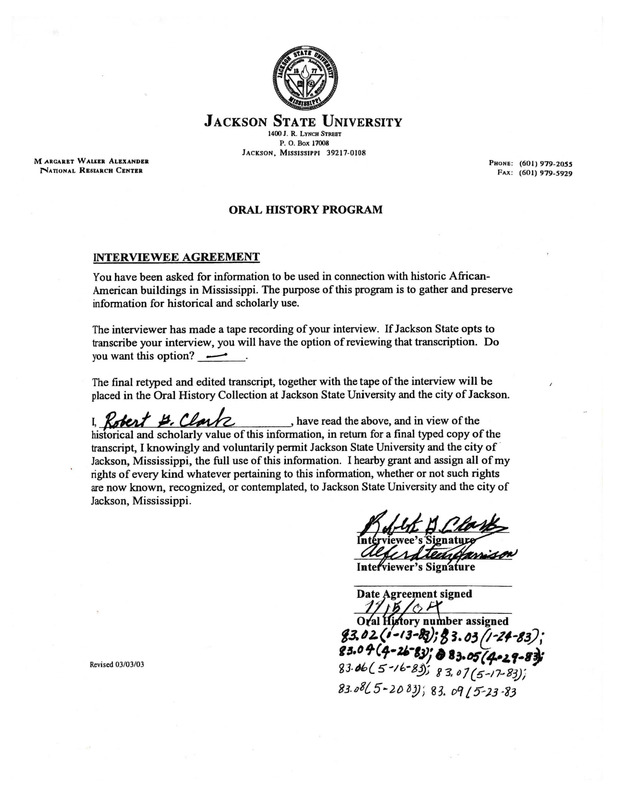
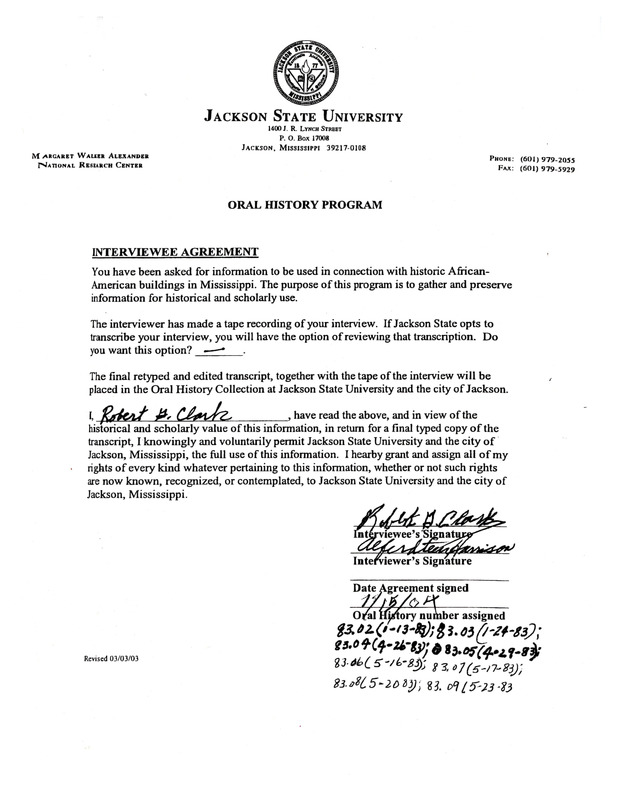
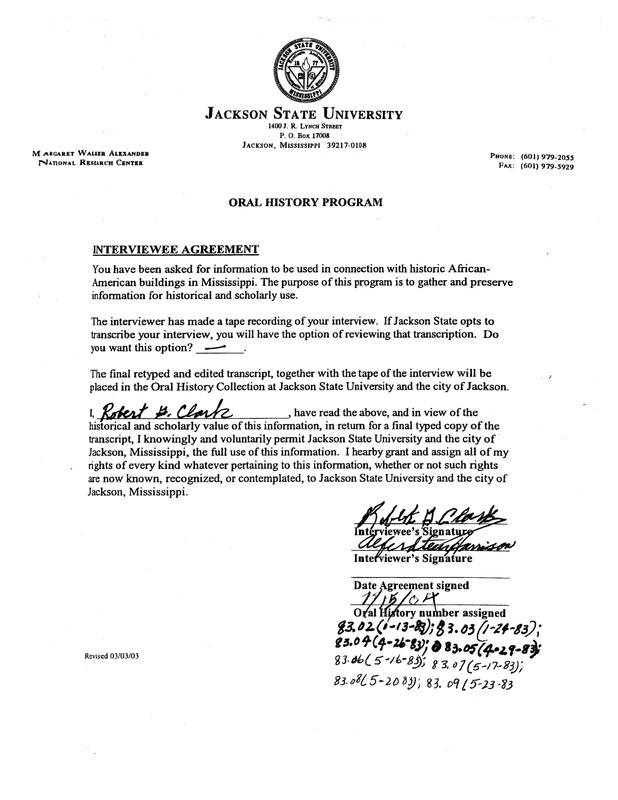
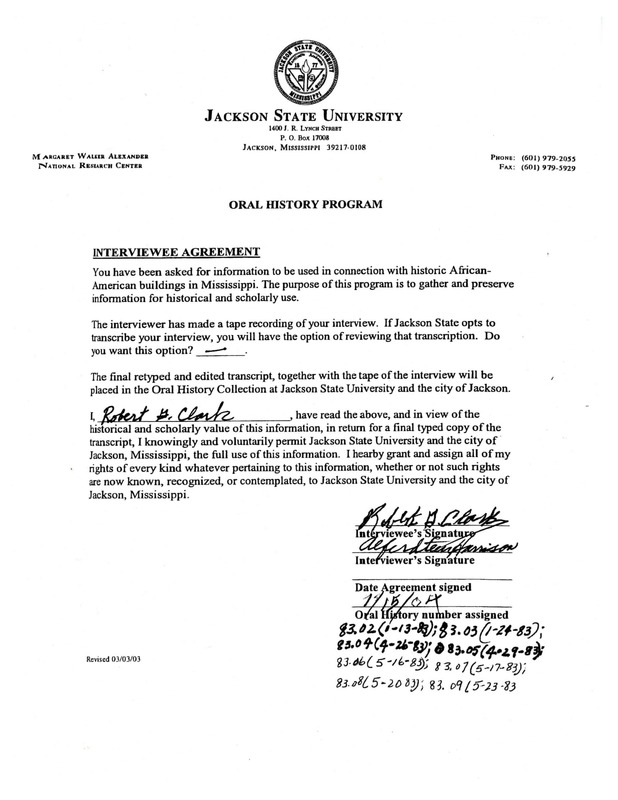
Rep. Robert G. Clark served in the Mississippi House of Representatives from 1968 to 2004. In this interview, Rep. Clark talks about his childhood, his time at Jackson State College, and his time as a teacher. He talks about threats his campaign received but also the support he got from the Mississippi Freedom Democratic Party.
Rep. Robert G. Clark served in the Mississippi House of Representatives from 1968 to 2004. In this interview, Rep. Clark talks about his childhood, his experiences in school up to 8th grade, and his membership at Pleasant Green Missionary Baptist Church. He also talks about interactions he had with white people when he was teenager.
Rep. Robert G. Clark served in the Mississippi House of Representatives from 1968 to 2004. In this interview, Rep. Clark talks about his vocational education in agriculture he began after graduating the 8th grade. He also talks about playing basketball in high school and college even though his eyesight had begun to fail him.
Rep. Robert G. Clark served in the Mississippi House of Representatives from 1968 to 2004. He was the first African-American member of the Mississippi Legislature since 1894. In this interview, Rep. Clark summarizes in detail his time at Jackson State College.
Rep. Robert G. Clark served in the Mississippi House of Representatives from 1968 to 2004. In this interview, Rep. Clarks talks about his eyesight issues keeping him out of the U.S. military, even though he did want to serve. He also discusses his teaching career out of college and his decision to enter politics in the mid-1960's.
Rep. Robert G. Clark served in the Mississippi House of Representatives from 1968 to 2004. Rep. Clark talks about his legislative career and the racism he faced. He also talks about the impact the Civil Rights Movement had on him winning the election and his introduction of bills to create holidays for Martin Luther King, Jr., and Medgar Evers.
Rep. Robert G. Clark served in the Mississippi House of Representatives from 1968 to 2004. In this interview, Rep. Clark fills in some holes from the previous interviews, including: the difficulty in starting a family and maintaining a business while being involved in politics and some pushback his campaign and election received.
Rep. Robert G. Clark served in the Mississippi House of Representatives from 1968 to 2004. In the final interview of the series, Rep. Clark talks about isolated incidents and experiences he had as a legislator, including being appointed to the commission to handle the aftermath of Hurricane Camille and his decision to run for re-election in 1971.
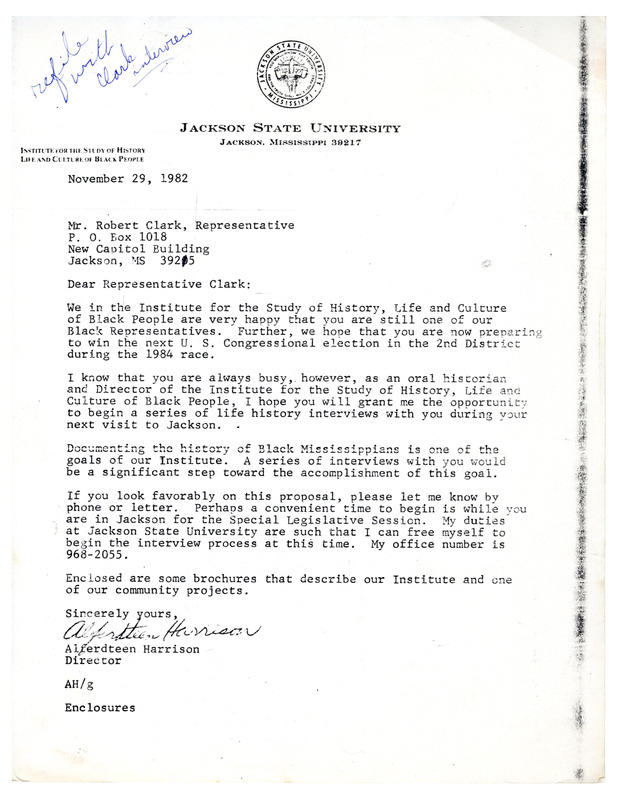
Collection of materials leading up to Robert Clark speaking on campus at Jackson State University for the 1983 Afro-American History Month Celebration. There are letters of invitation from Dr. Alferdteen Harrison as well as a biography of Robert Clark and the event program.
Robert Hoskins was a long time community activist, working with the NAACP and other organizations. He tells the story of working with the Harrison County Community Action Agency to help bring Harrison County its first Head Start program in 1965. Later, he became Area Administrator for Harrison County Head Start. Incomplete. Side B missing.
In this interview, Texas Southern art alumnus Robert Pruitt discusses his time as an art student (1993-2000) and as an artist later on. During Pruitt’s time at TSU, he learned from Dr. Alvia J. Wardlaw and Professor Harvey Johnson, the latter of whom’s drawing classes were particularly influential on Pruitt and his practice. The artist also discusses his hopes for the future and his desire to create a body of work that speaks to the vitality of African Americans.
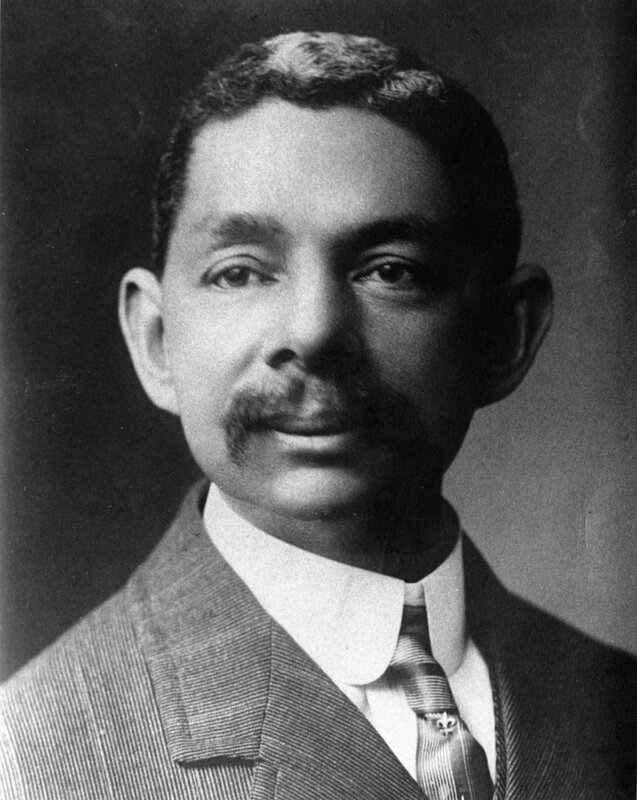
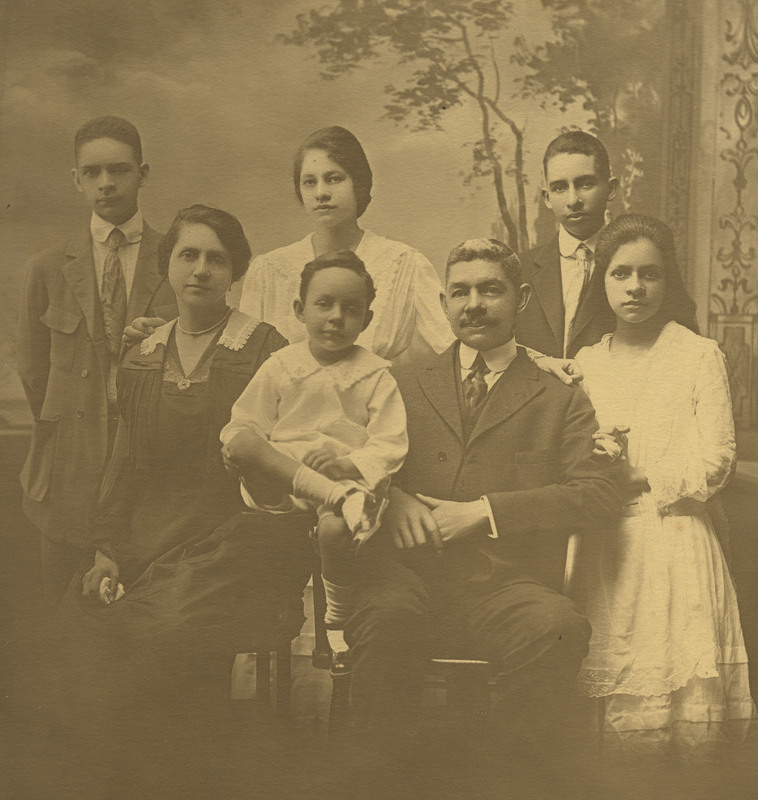
A somewhat colored image of Robert R. Taylor with his second wife Nellie Chestnut Taylor in the early twentieth century. Also in the picture are his children Helen, Edward, Beatrice, Robert, and Helen.
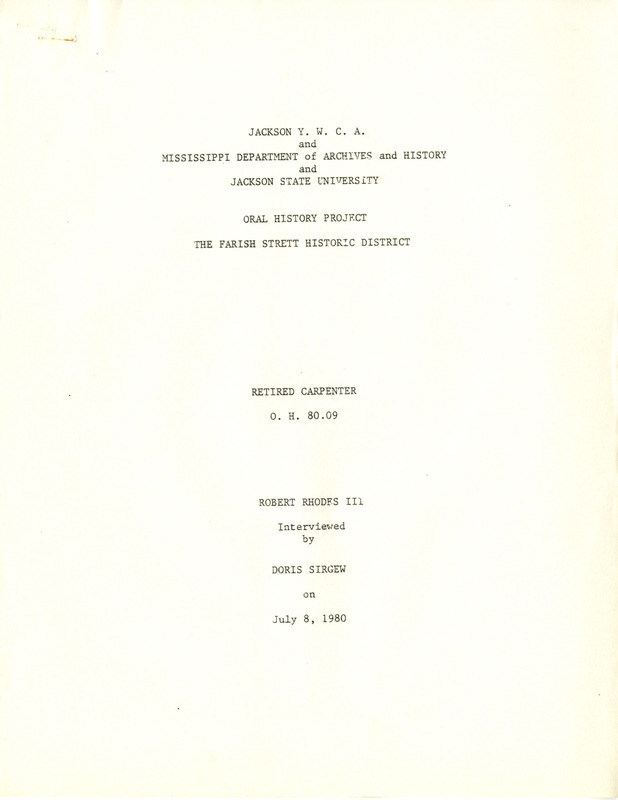
Robert Rhodes III was born in Jackson and was a well known carpenter from doing work in the Farish Street District. He worked with his father, who owned a business in the district, until taking the business over for himself. He discusses his work during the Jim Crow Era and the difference in pay between white and Black carpenters.
Rochelle Carter, a student at Jackson State University at the time, talks about her experiences attending the Head Start program in Champaign, Illinois, in 1972.
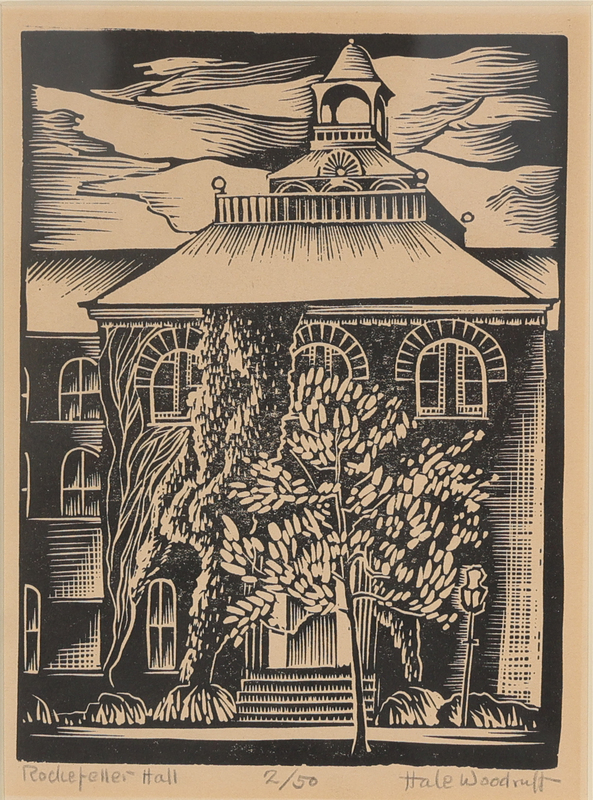
Hale Aspacio Woodruff was an artist and art educator known for his murals, paintings, and prints from Cairo, IL. "Rockefeller Hall" is Spelman College's oldest building, named after John D. Rockefeller and the Rockefeller family, who were major contributors to Spelman's founding and development. The five-floor building is located beside the President's Cottage and currently serves as an administrative building housing offices for the President, Vice President, Provost, and Academic Deans. Rockefeller is listed on the National Register of Historic Places .
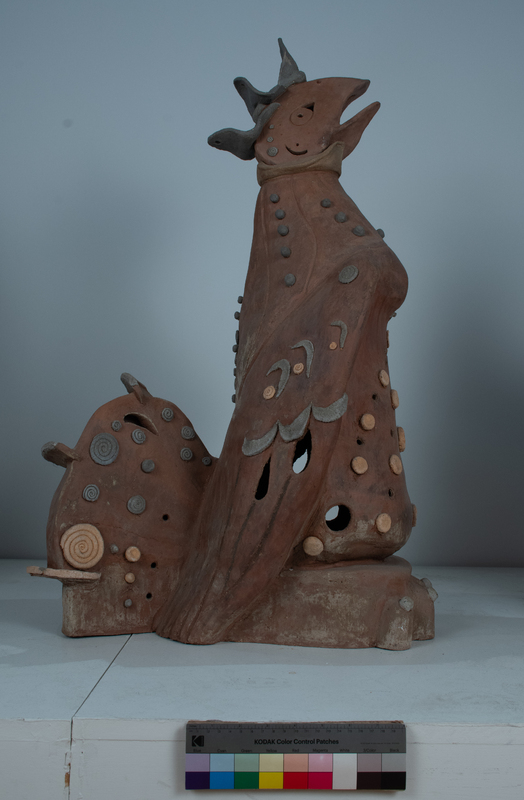
Scott’s sculpture depicts a large rooster crowing. The artist uses multiple colors of clay in his piece. Like other sculptures created for classes that Professor Simms taught, “Rooster” features numerous embellishments throughout the work, including various nodules and swirls. Creating sculptures of this style requires multiple firings in the kiln.
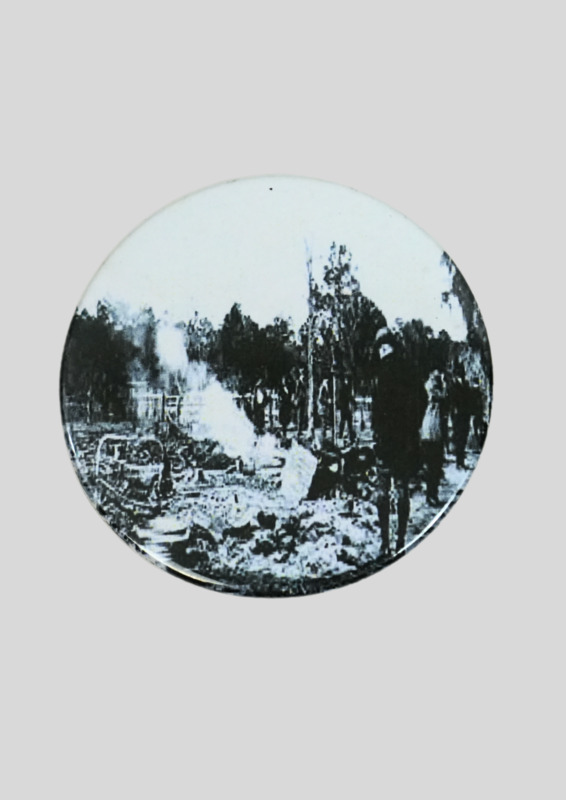
This button was one of three designs in a VisitGainesville bag from the Rosewood Museum. It depicts a downtrodden man looking down at the burned remains of what could be his home or business. The community is also looking onward at the rubble in the background.
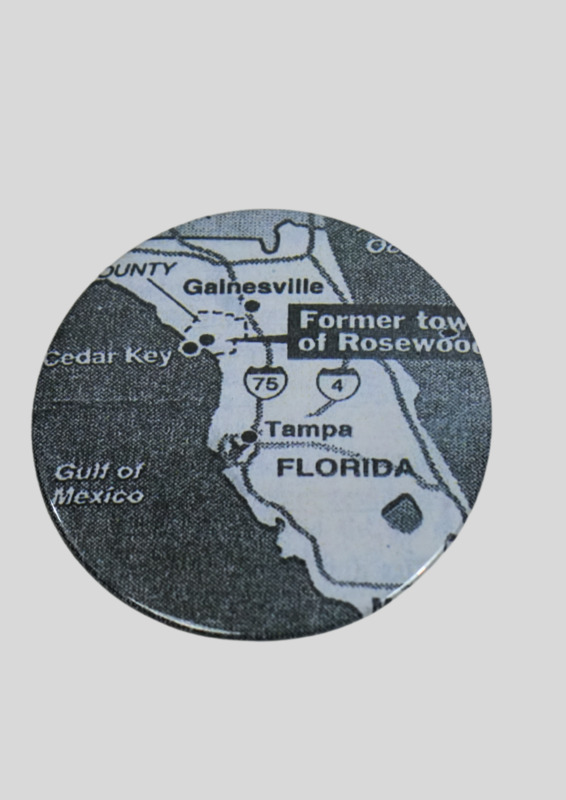
This button was one of three designs in a VisitGainesville bag from the Rosewood Museum. It depicts a map of Florida (except for the uppermost part of the panhandle and the lowermost tip of the southern region), pointing out where the town of Rosewood used to stand before it was subjected to racial violence.
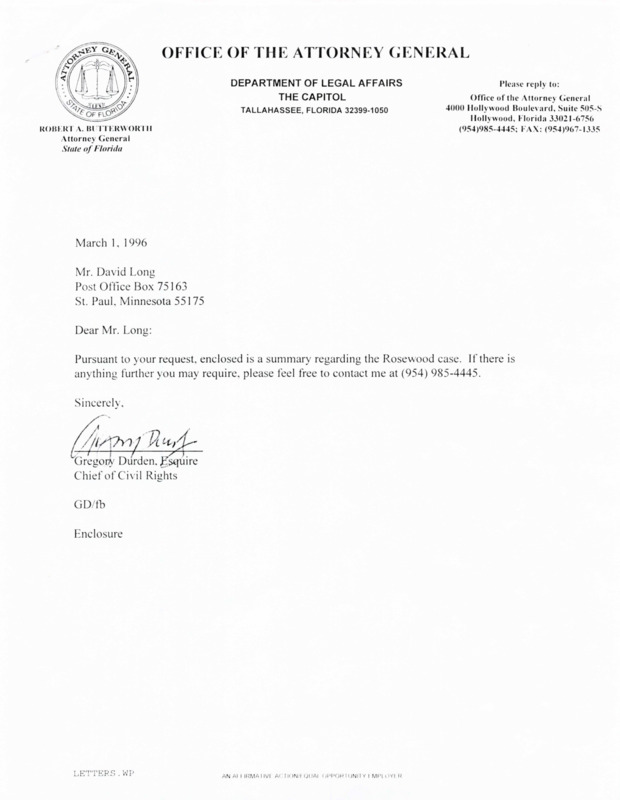
A collection of Rosewood Claims Bill checklists, affidavits, and claims used to verify descendant ties. These documents capture the meticulous process of proving lineage through stories of approved and denied claims, altered narratives, and the struggles faced by families seeking justice and compensation.
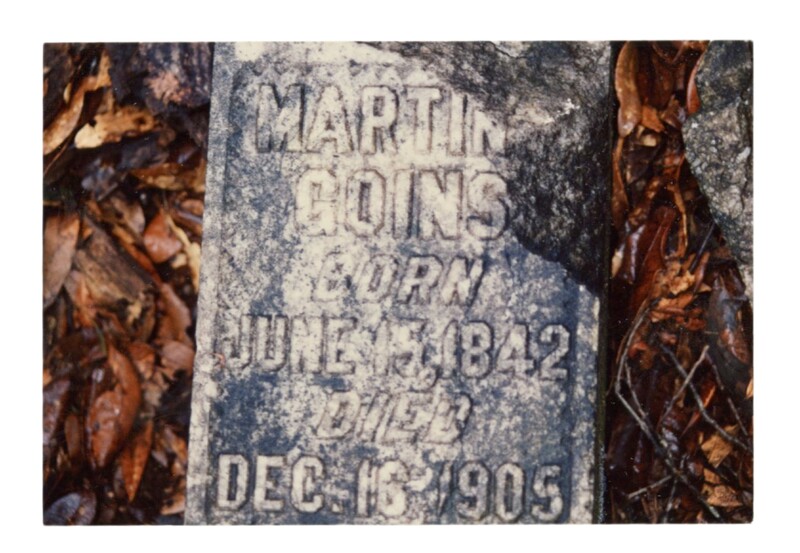
This image was taken at the burial site of Martin Goins in Rosewood, FL. Goins, a part of a family subjected to the racial attack at Rosewood by white townsfolk, was born on June 15, 1842, and died on December 16, 1905.
Property affidavits from the Rosewood Massacre, documenting both approved and denied claims, personal testimonies, and harrowing accounts of the tragedy. These affidavits also capture the strong community ties of the all-Black town before its devastating destruction.
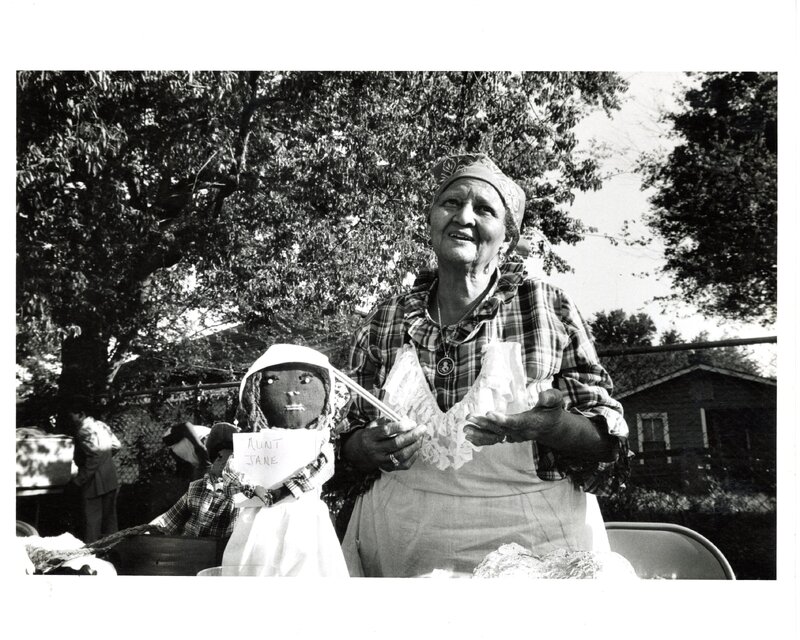
A photograph of Rosie Holden of the National Council of Negro Women and Woman Power Unlimited at the Smith Robertson Neighborhood Folklife Festival, April 9-11, 1983. The festival was a one-time grant sponsored event held on the grounds of the Smith Robertson Museum to celebrate the rich history and culture of the Farish Street Historic District.
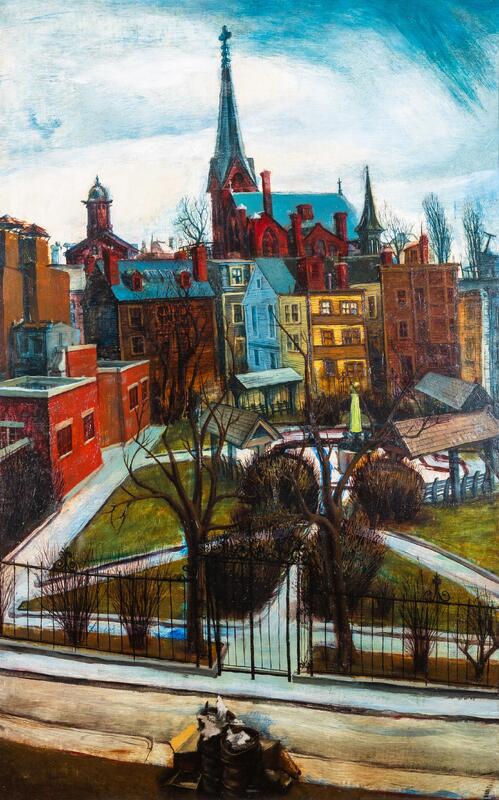
John Woodrow Wilson, a sculptor, painter, and printmaker from Roxbury, MA, was known for his creative portraits and stylistic approach to social justice. Roxbury Landscape shows a gated park under a blue, white, and yellow sky. Behind other buildings, there is a tall church and a courtyard with bare trees, depicting Autumn in Wilson’s hometown.
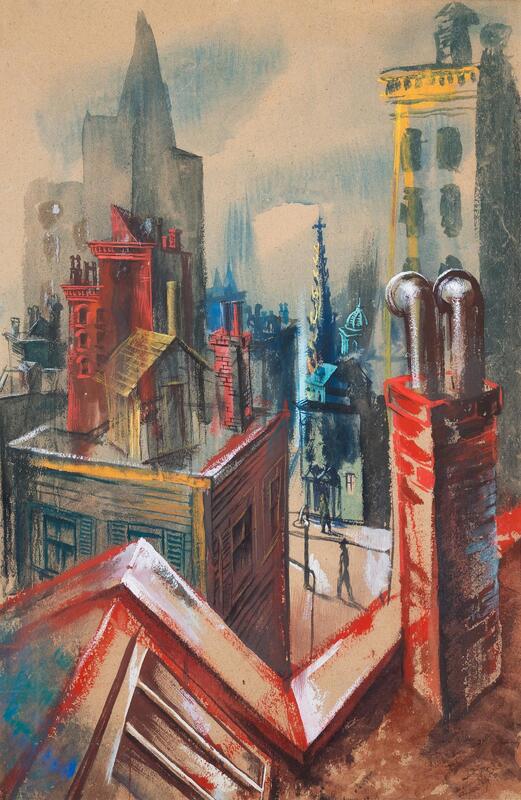
John Woodrow Wilson was a sculptor, painter, printmaker, and educator from Roxbury, MA. Roxbury Rooftops depicts an urbanscape from the perspective of the rooftops. The buildings closest to the viewer are shown in hues of red, orange, and yellow. Buildings further away are more brown, green, and gray.