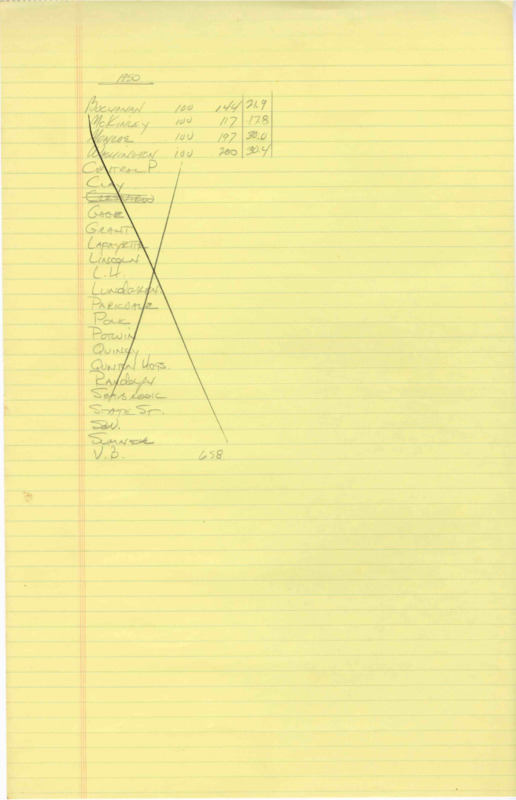
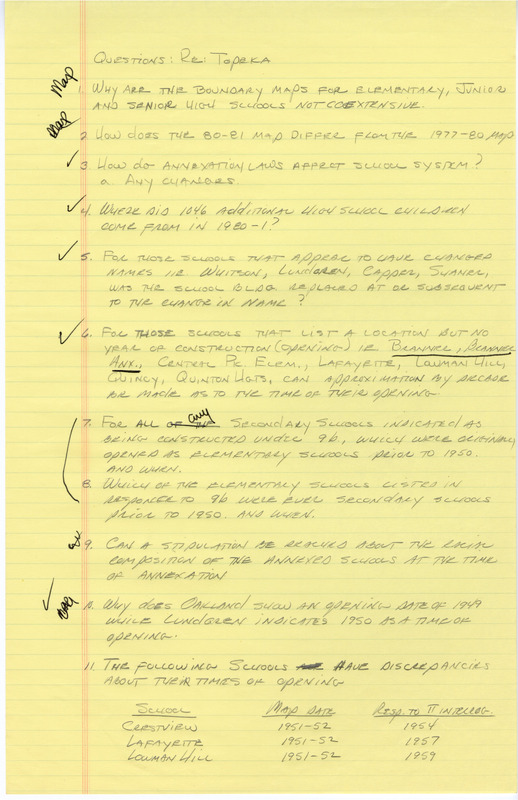
Case Data and Exhibits for Brown III, a relitigation of Brown v. Topeka Board of Education (1954) that corrected resegregation issues caused by open enrollment school choice in 1992. Handwritten analysis and notes by William Lamson, including incomplete drafts of reports using the analyzed data.
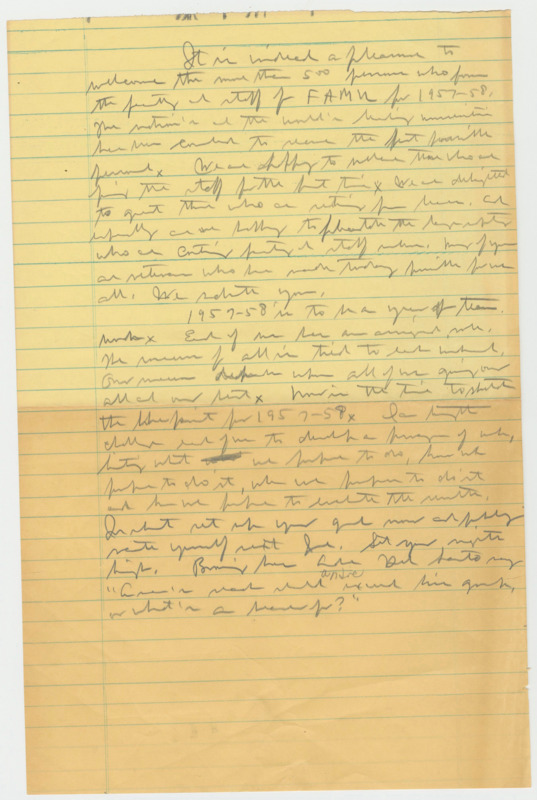
For FAMU’s 1965-66 academic year, President Gore gathered over 10 notes and clippings to shape proposals on budgets, National Science Foundation funding, and manpower training, guiding his faculty and administration team’s strategic efforts.
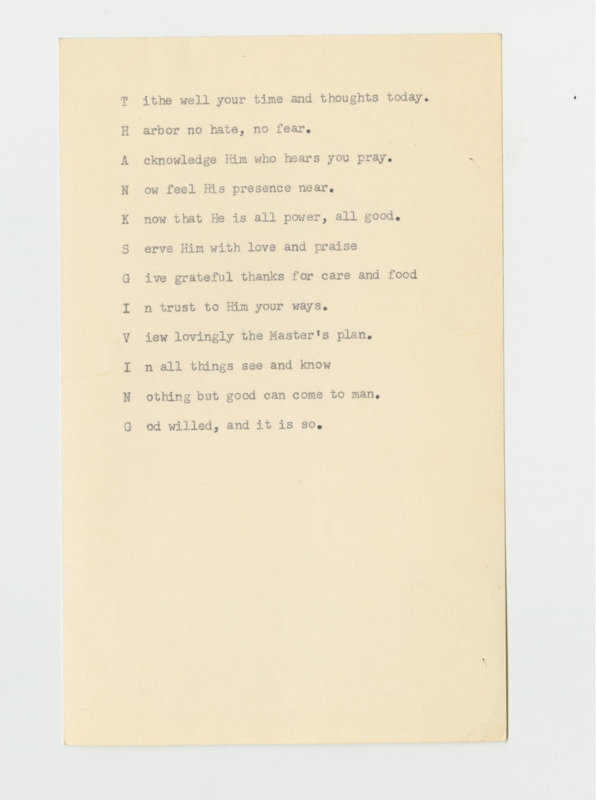
A collection of over 14 clippings featuring personal poems written by President Gore, alongside works by other poets, including some unnamed. While many of the poems have holiday themes, the overall message emphasizes bravery, hope, and faith, capturing a spirit of resilience and inspiration.
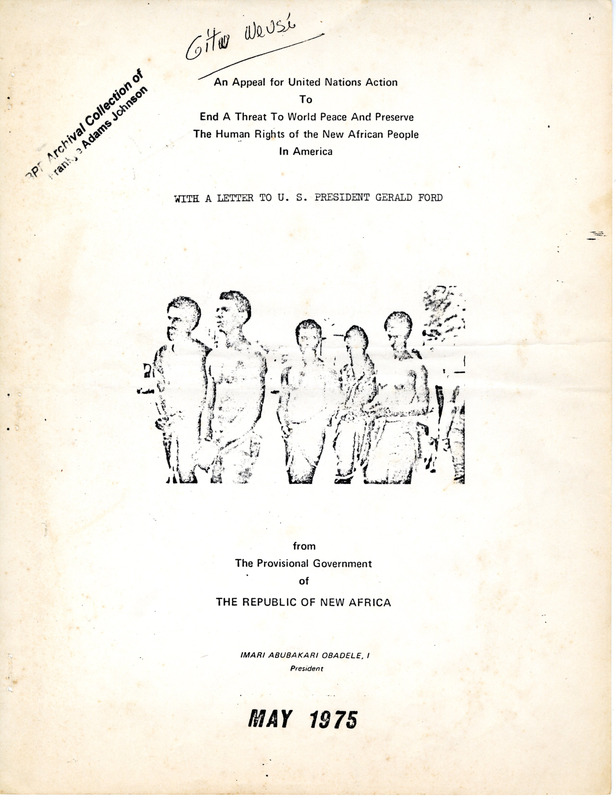
A Collection of Republic of New Africa Documents intended to persuade the United Nations to recognize the Republic of New Africa (RNA). The RNA was founded in 1968 as a Black nationalist and Black separatist movement. The documents include maps of the RNA, a memorandum to the United Nations, and a letter to President Gerald Ford.
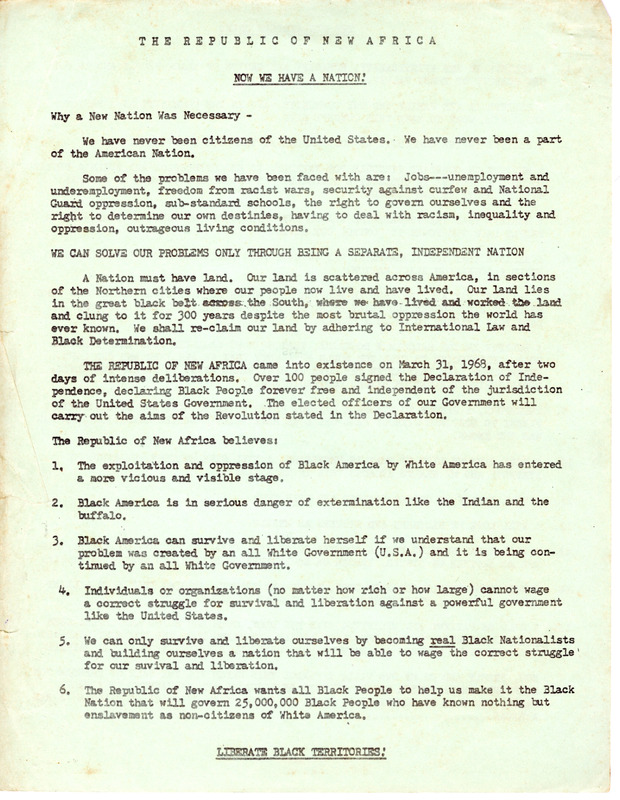
A collection of The Republic of New Afrika documents: a memo titled “Now We Have a Nation!” explaining the necessity of a new nation for Black people in the United States; The New Afrikan Creed, a 15 point list of beliefs of the Republic of New Afrika; and a rewriting of the Declaration of Independence for the Republic of New Afrika.
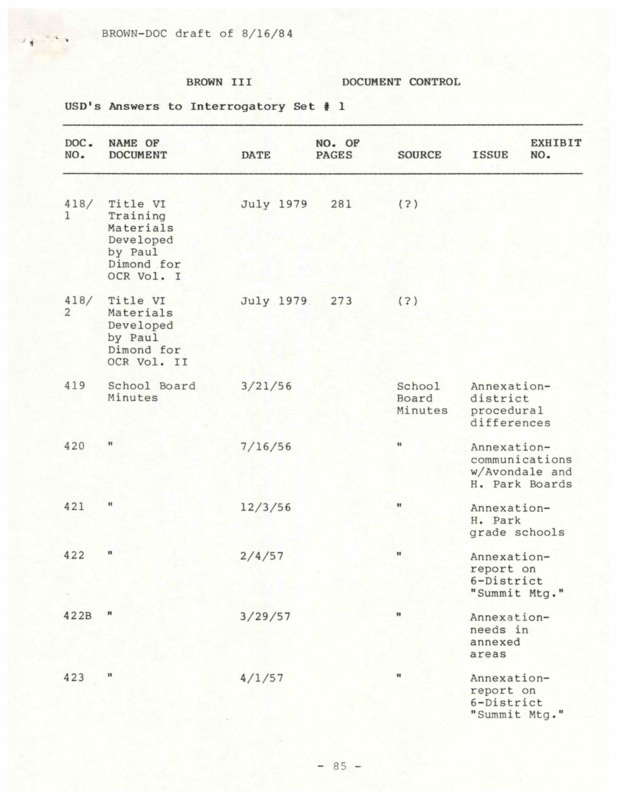
Case Data and Exhibits for Brown III, a relitigation of Brown v. Topeka Board of Education (1954) that corrected resegregation issues caused by open enrollment school choice in 1992. A court document listing documents to be used in the Brown III court proceedings. The list includes the title of the documents as well as the date received.
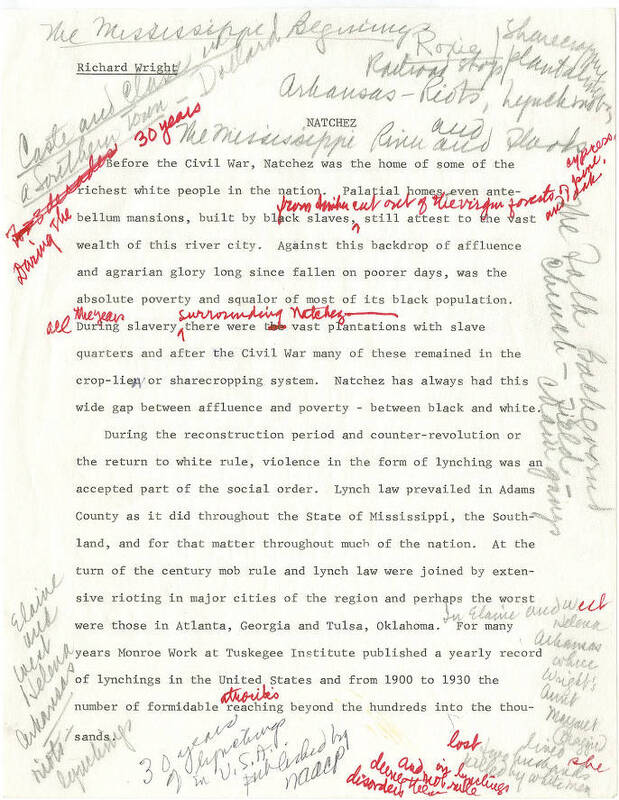
A page of a draft of Margaret Walker’s biography of Richard Wright with edits. She writes about Wright’s Natchez years.. After exhaustive research and extended legal battle, Margaret Walker published her biography of famed novelist Richard Wright. She titled the biography, “Richard Wright Daemonic Genius,” published by Warner Books in 1988.
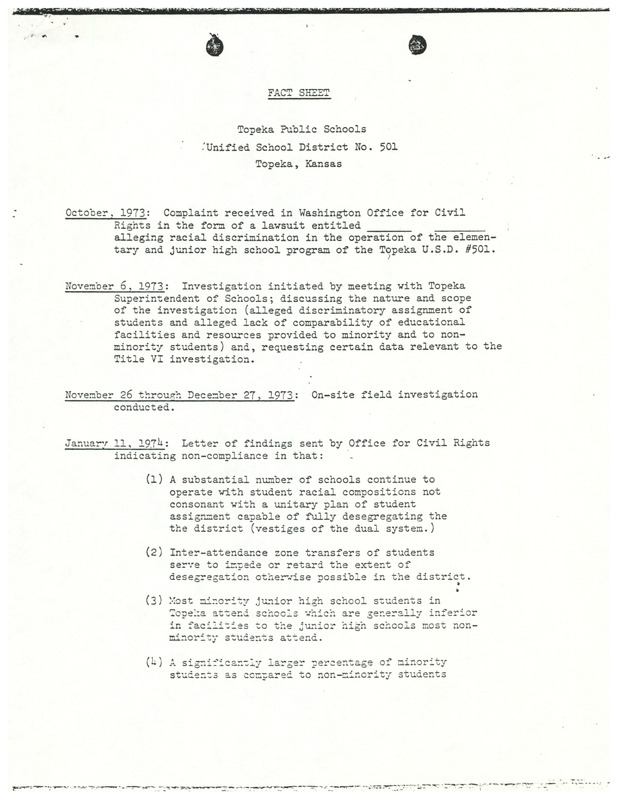
Case Data and Exhibits for Brown III, a relitigation of Brown v. Topeka Board of Education (1954) that corrected resegregation issues caused by open enrollment school choice in 1992. The fact sheet covers key developments in the investigation of Topeka Schools, starting with the notice of investigation through the rejection of a long-term plan.
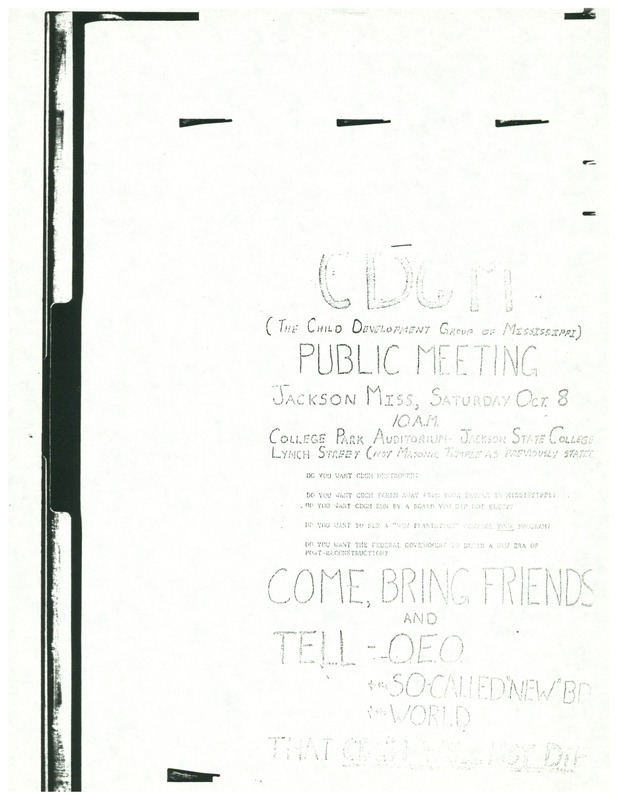
This flier announces a Child Development Group of Mississippi (CDGM) public meeting at the College Park Auditorium at Jackson State College on Saturday Oct. 8, 1966, at 10am. The purpose of the meeting was to bring the community together to discuss ways to save CDGM from being overtaken by the state and federal governments.
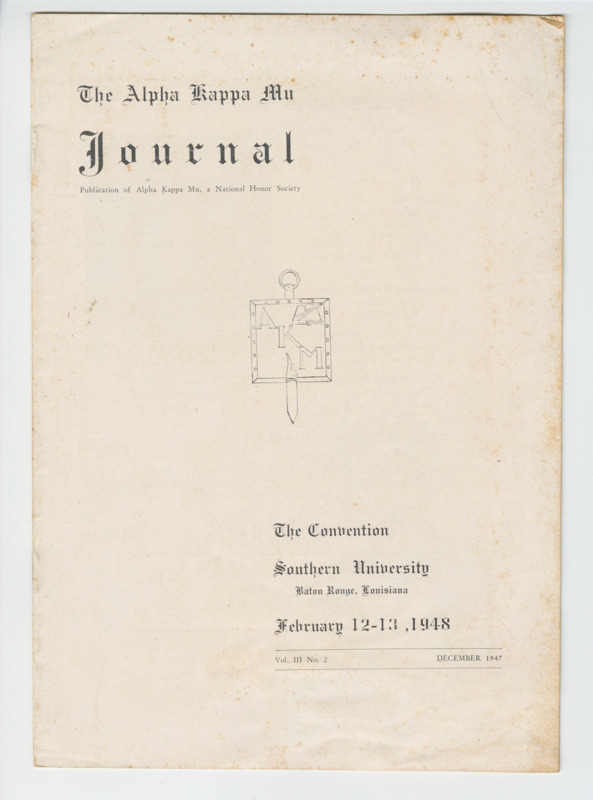
The Tenth Annual Alpha Kappa Mu Honor Society Convention, held in Baton Rouge, Louisiana in 1948, featured a four-day schedule from Tuesday to Friday. The journal guided guests, executive council, and members through events like recreational festivities, national reports, early registrations, the opening session, and business meetings.
12-page document reprinted from Missionary Review of the World. Contains an informational table on the economic, educational, and religious progress of African Americans from 1866 and 1922. Also includes photos and an informational map depicting Black population and education.
Case Data and Exhibits for Brown III, a relitigation of Brown v. Topeka Board of Education (1954) that corrected resegregation issues caused by open enrollment school choice in 1992. Handwritten notes by William Lamson titled “Questions about Topeka.” Lamson lists 38 questions about Topeka as part of his preparation for the Brown III case.
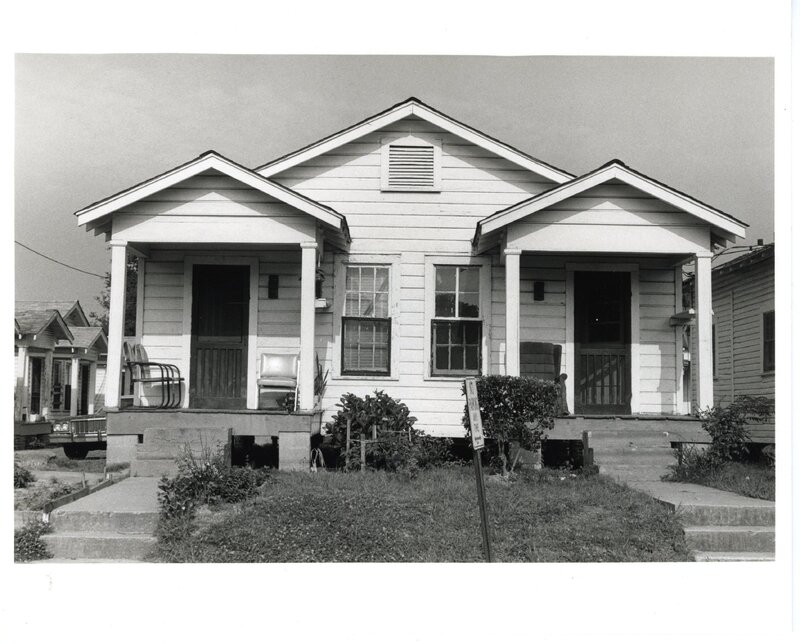
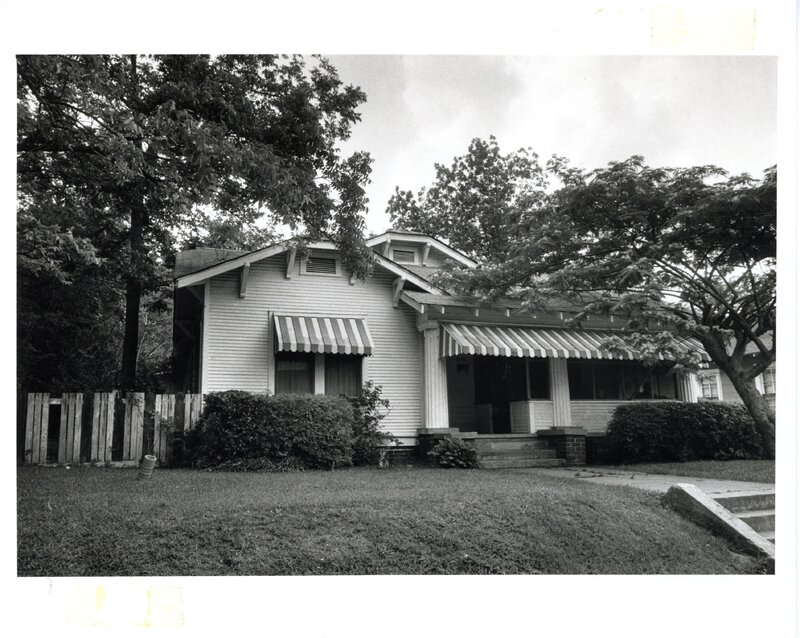
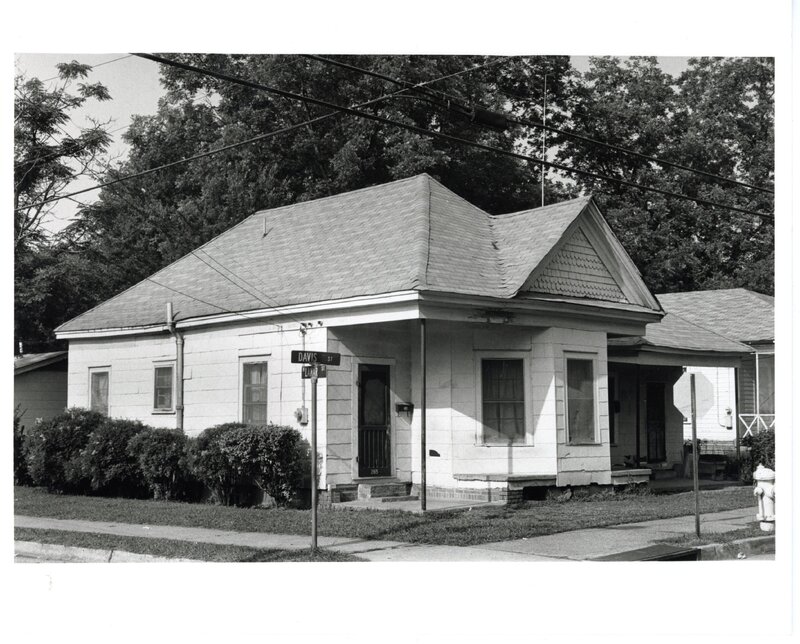
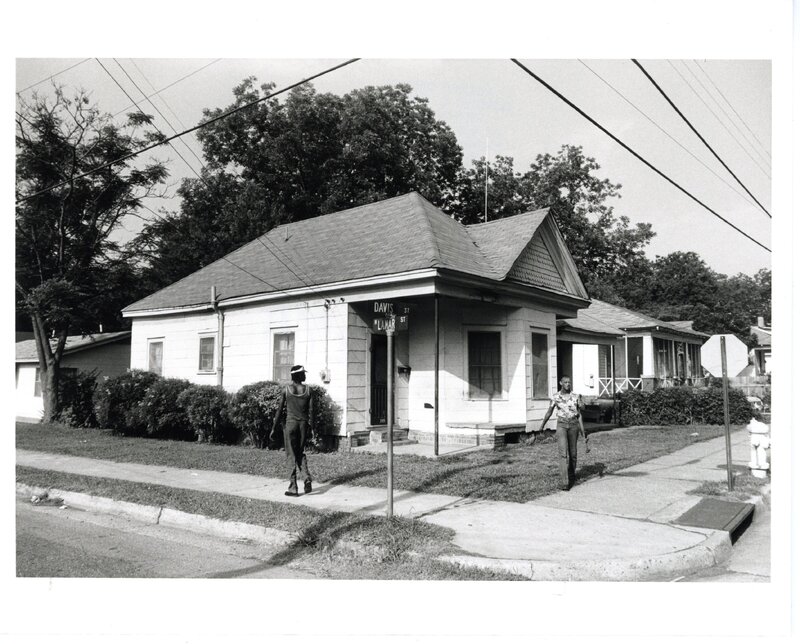
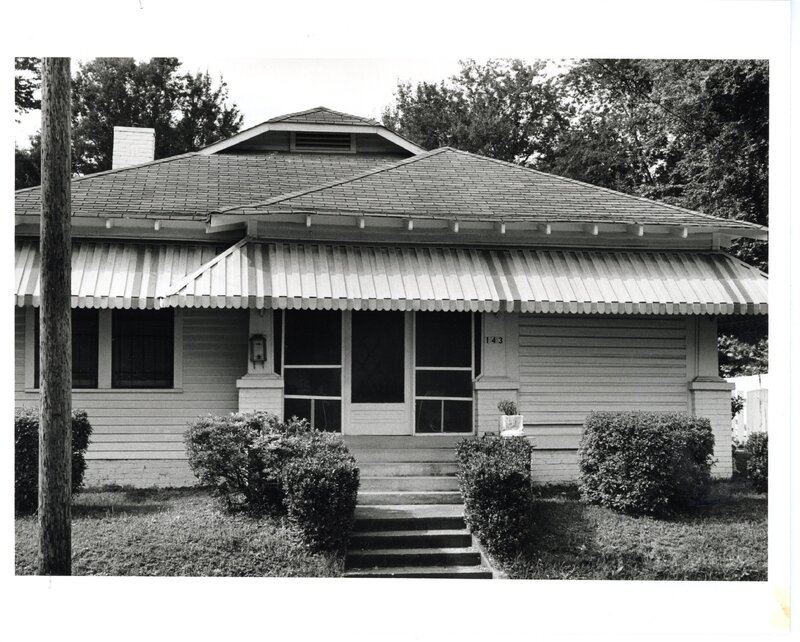
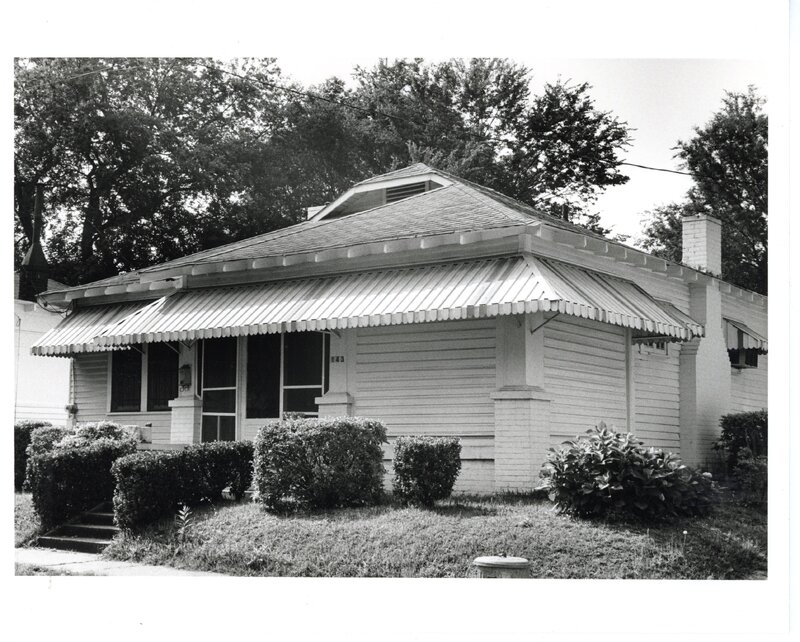
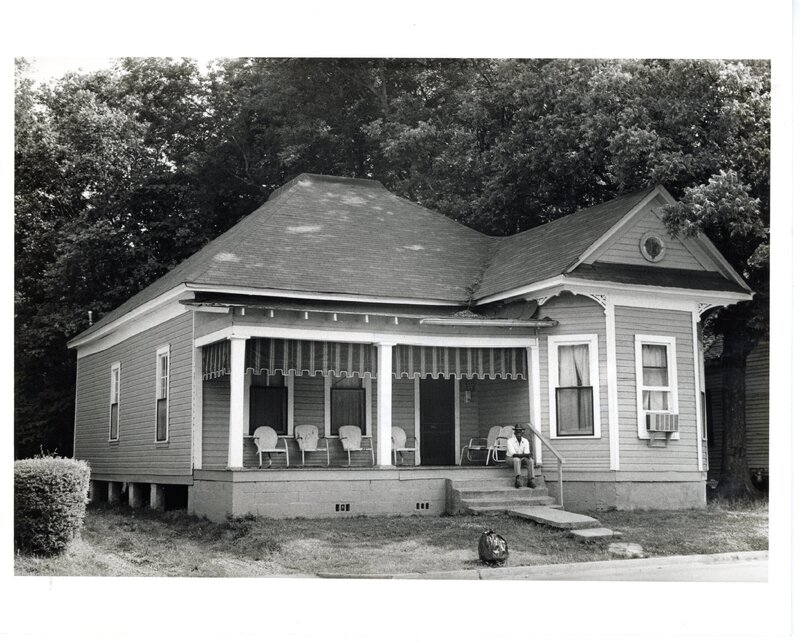
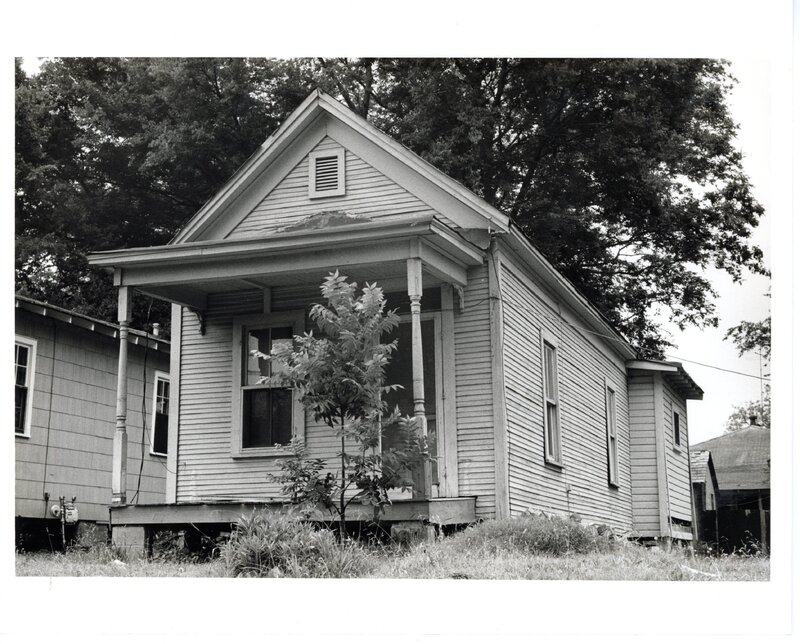
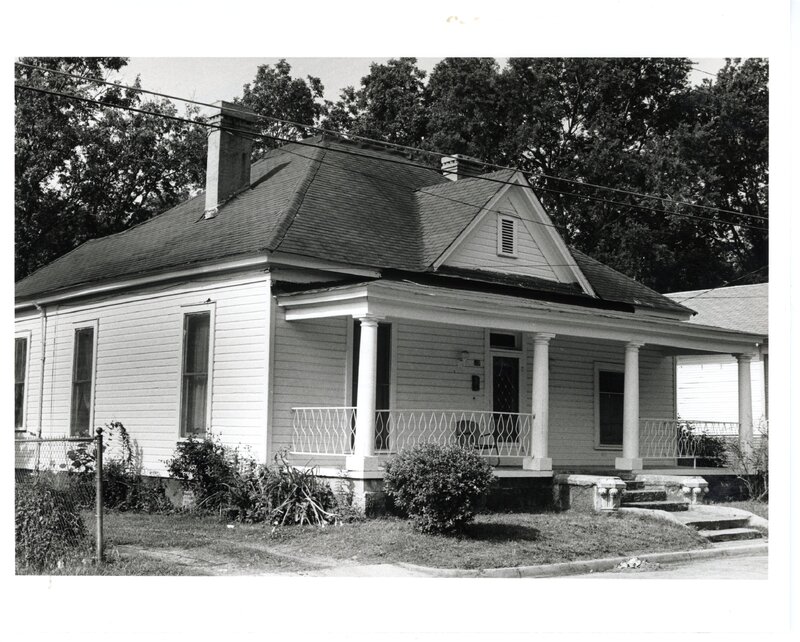
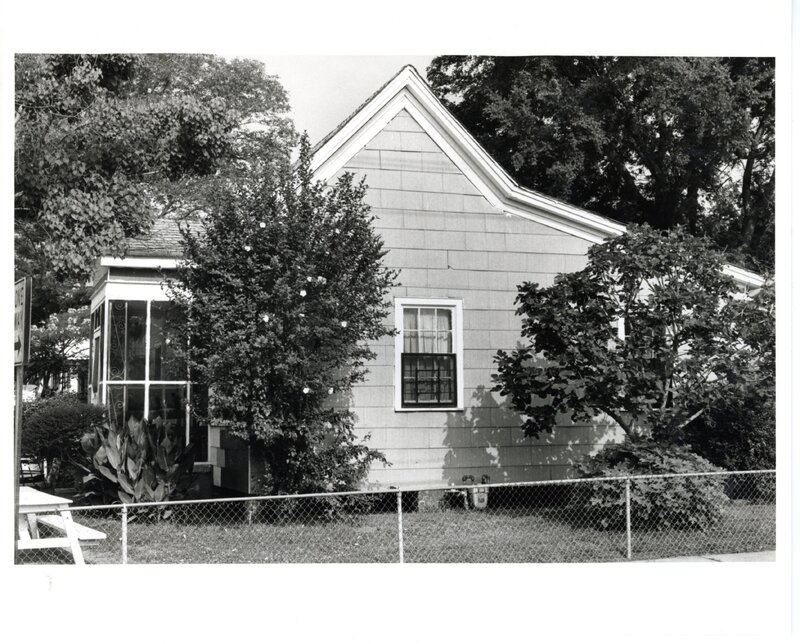
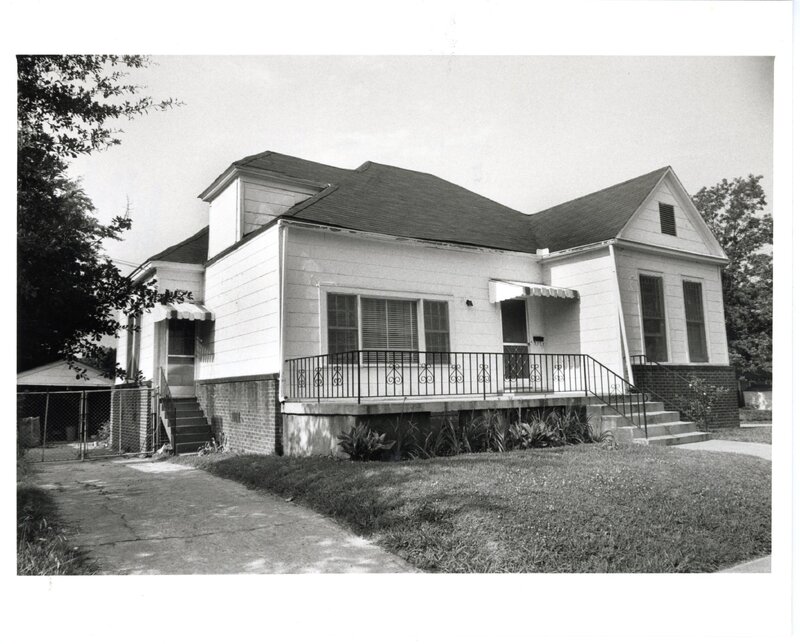
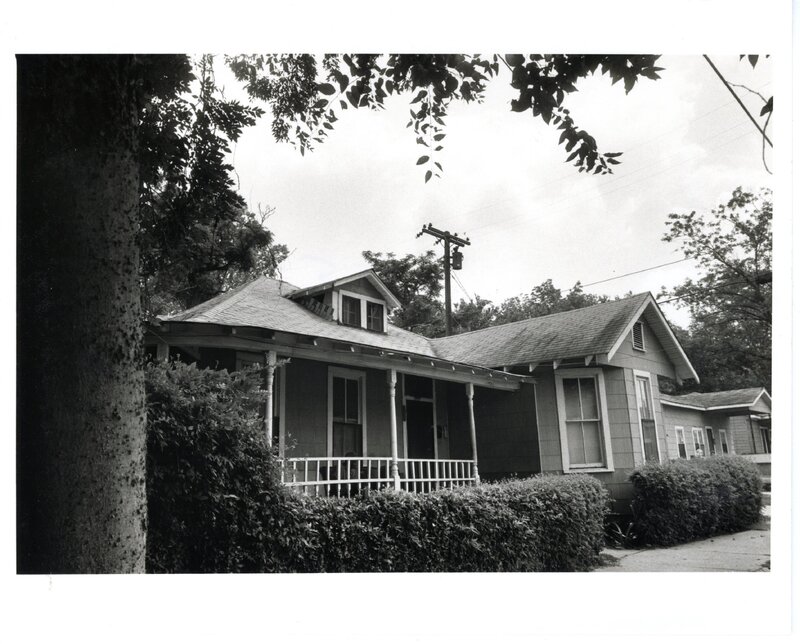
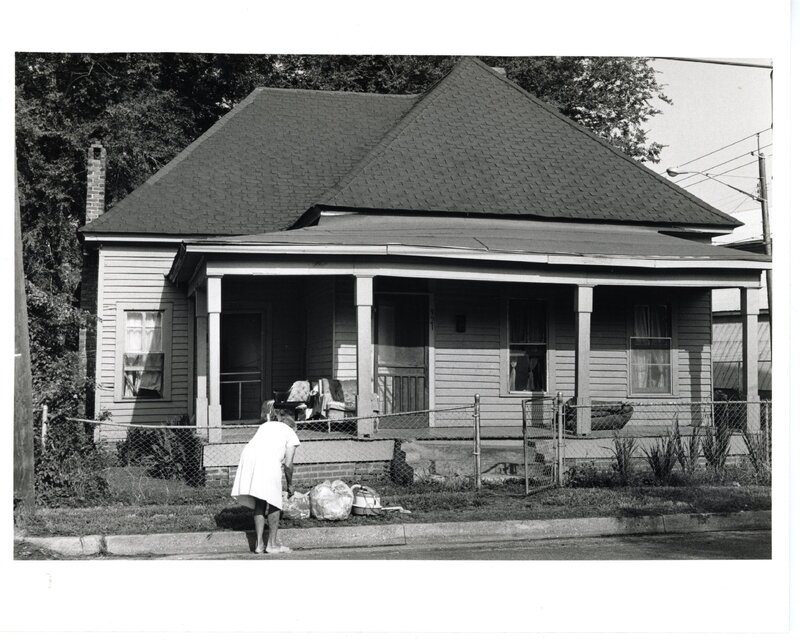
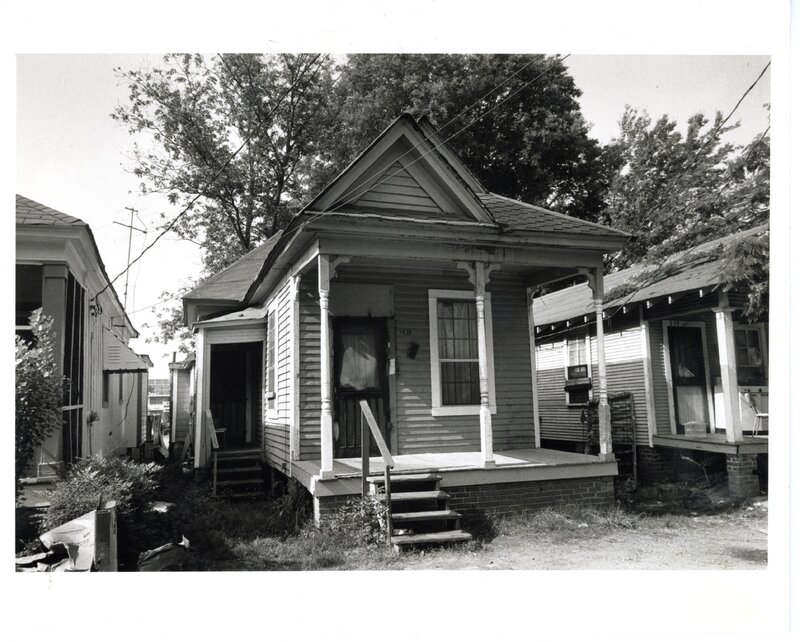
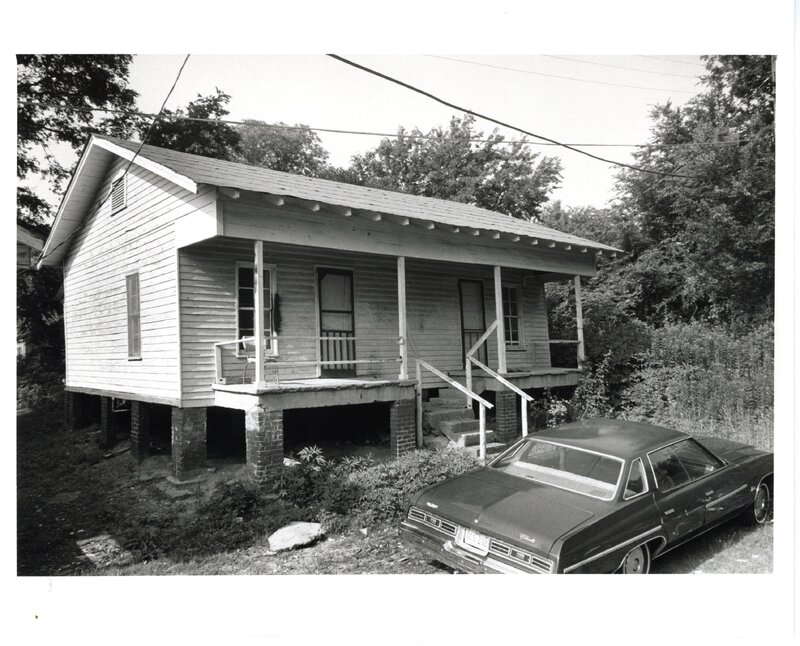
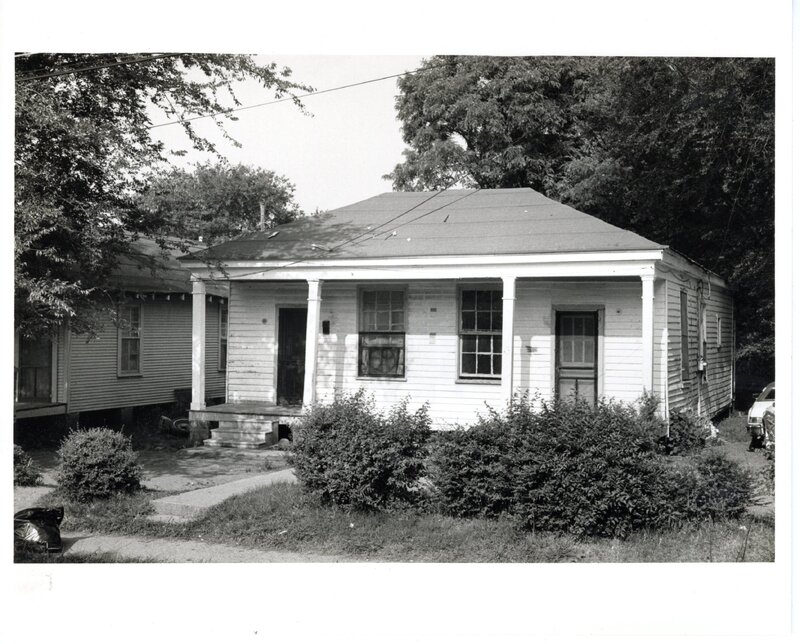
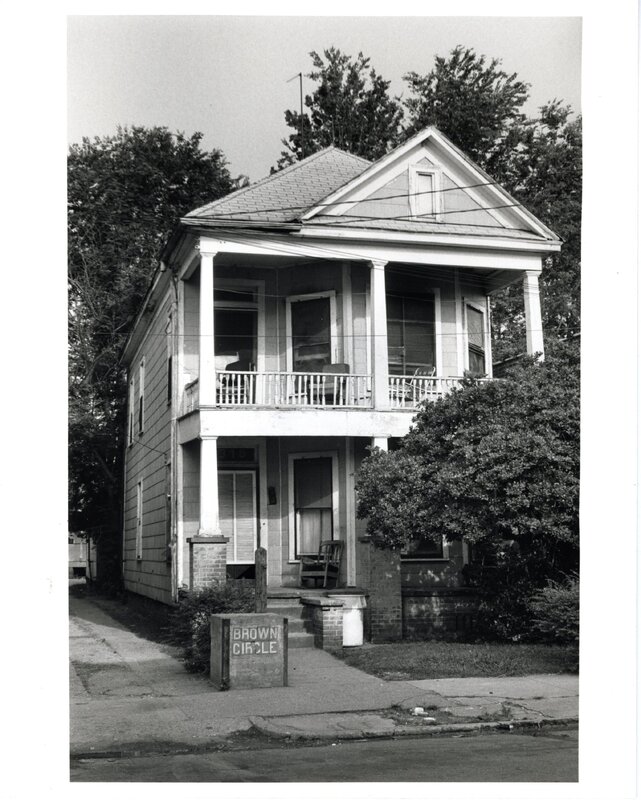
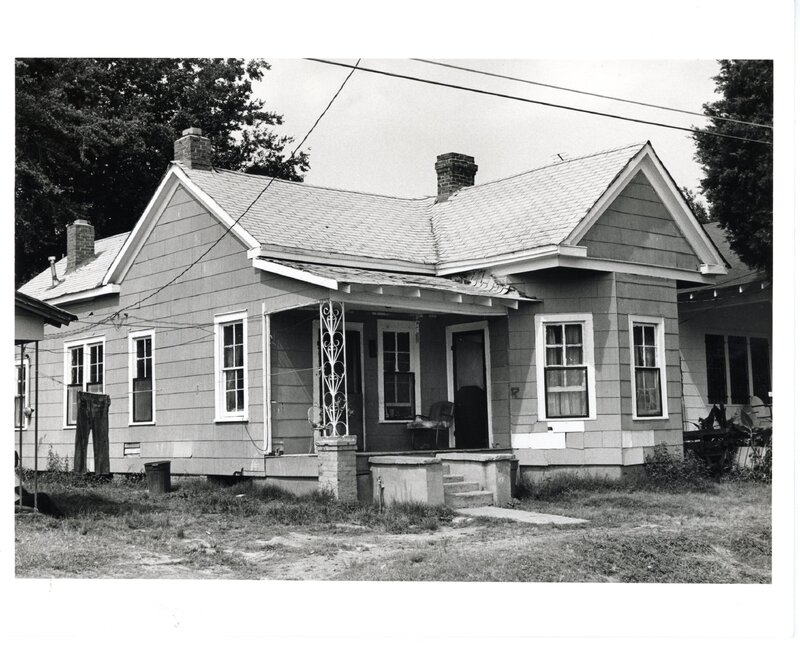
A photograph of a house on E. Hamilton St. in the Farish Street Historic District. Notation on the photograph indicates the architecture is Queen Anne Style.