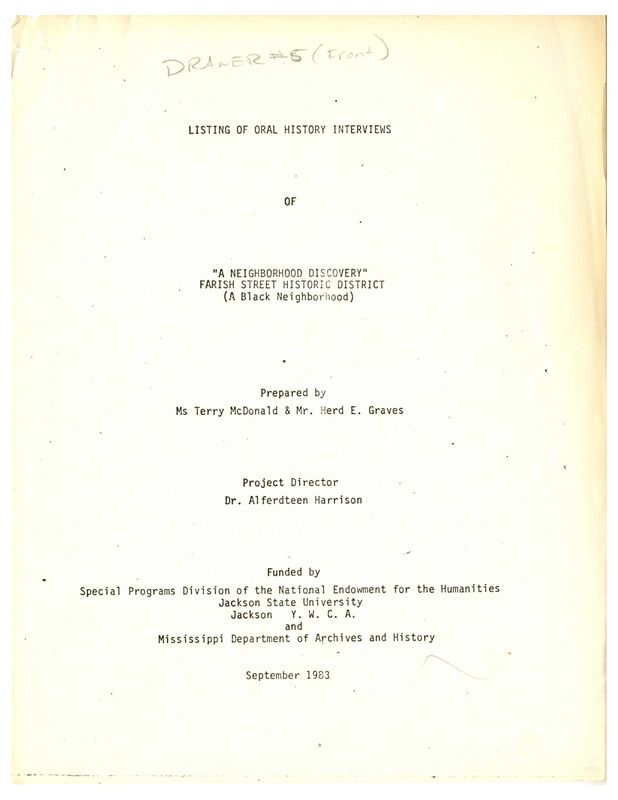
A list of all the interviews conducted as part of the Farish Street Oral History Project and a short essay outlining the history of the Farish Street Historic District.
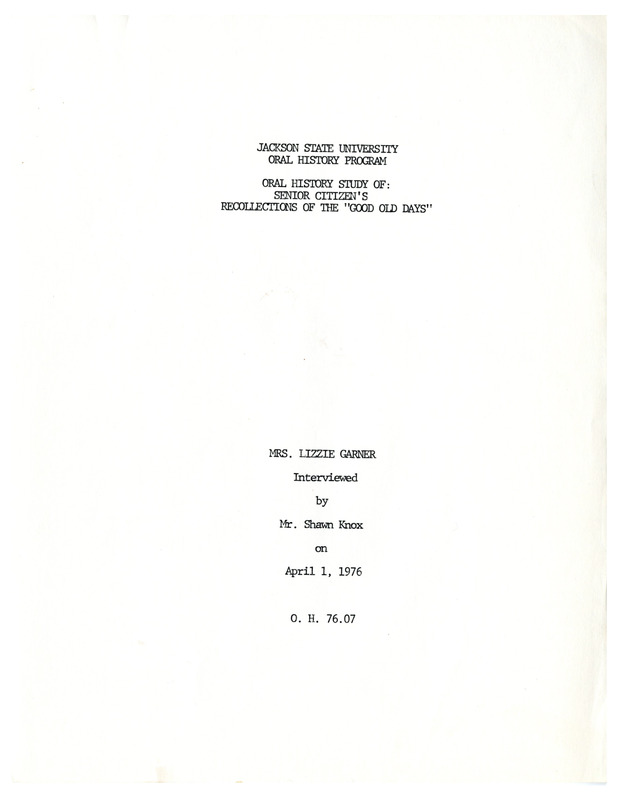
Lizzie Garner was born in 1903 and moved to Jackson, Mississippi, in 1940. She talks about her education, church life, and marriage and family. She recounts stories of experiences with segregation and talks about some of the changes in Jackson over the years. Her ideas about the "Good Old Days" of her childhood center around fun at school.
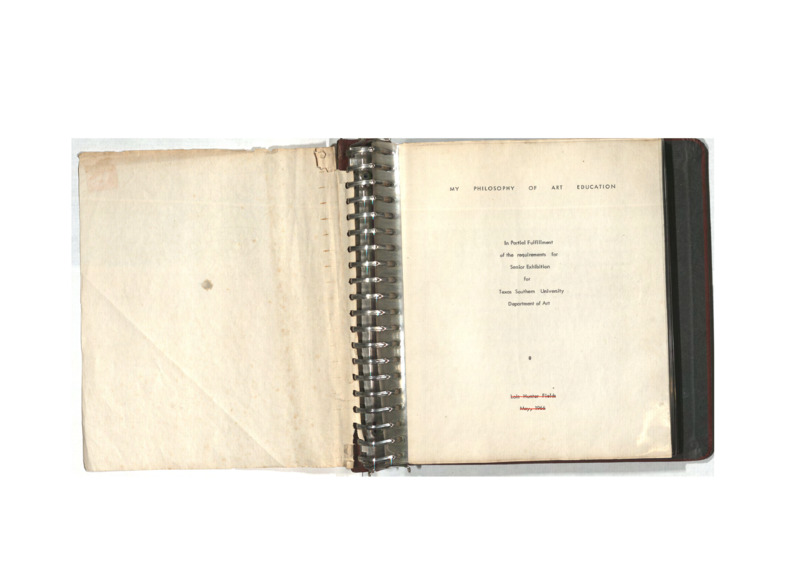
Fields’ senior notebook includes her written philosophy of art, photographs of the artist’s works and her process, and a copy of her senior exhibition brochure. As a part of the Texas Southern art curriculum under Dr. John T. Biggers and Professor Carroll Harris Simms, students would create these notebooks to explain their artistry and showcase the works they created as students.
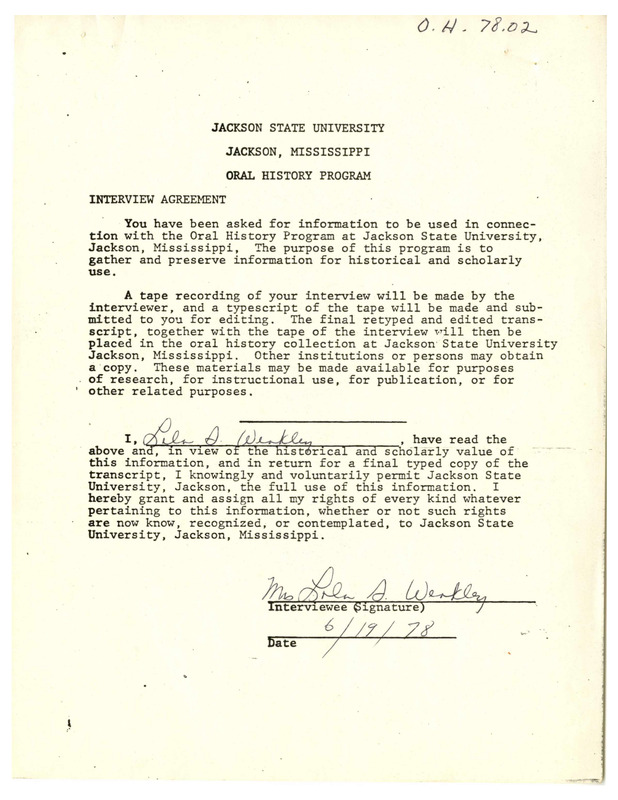
Ms. Weakley was born in the Farish Street District in the 1920’s after her parents moved there following World War I. She talks about her childhood in the district and recounts what life was like for people there. She discusses some of the businesses, including doctors and lawyers. She also talks about her education at the Smith Robertson School.
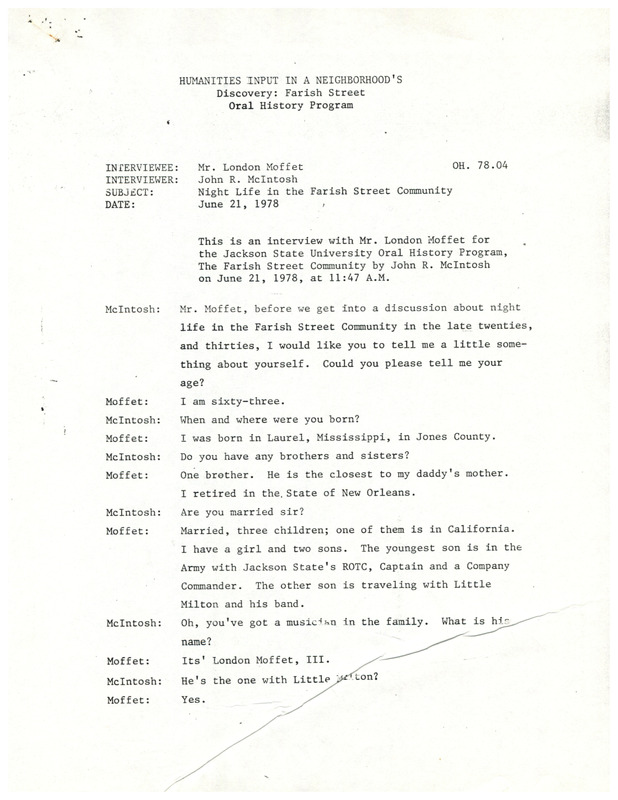
London Moffet Jr. moved to Jackson at the age of 14 in 1931 with his parents. Mr. Moffet discusses his recollections of nightlife in the Farish Street District during his time there as a teenager. He mentions several places by name, including the Crystal Palace and Savoy. He ends by explaining the changes over time of nightlife on Farish Street.
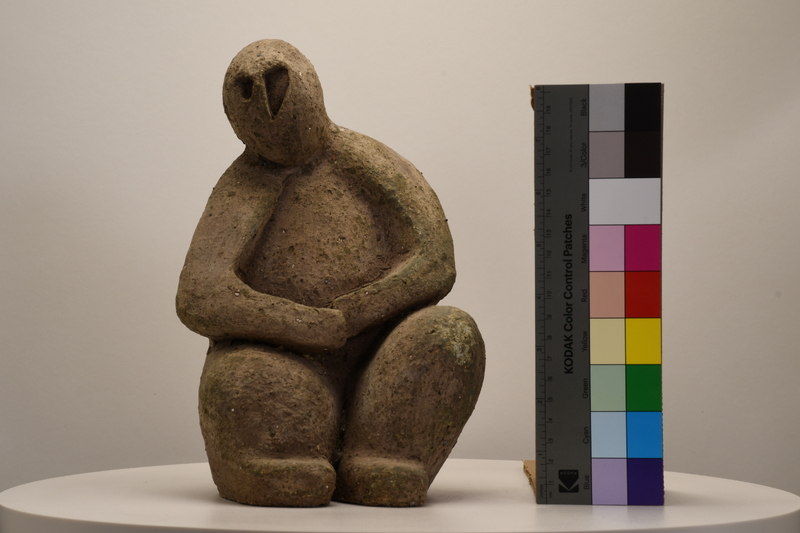
This maquette was created by a Texas Southern University art student. It is a lone figure with defined arms. The porous material and greenish hue evoke the appearance of a mossy rock.
Oliver Banks Jr. was an artist from Atlanta, GA. Loneliness depicts a lone valley outside of a mountain range. In the foreground is flat land with scantily leafed trees. Beyond that is a body of water that separates the valley from the foot of the mountain.
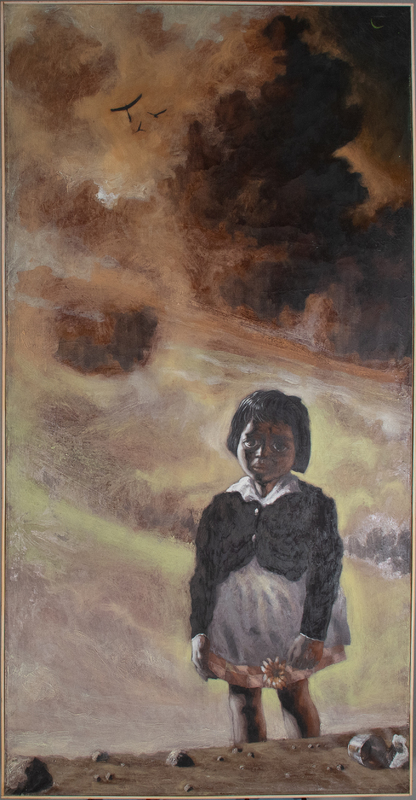
Oliver's painting is of a young girl, standing by herself, with large eyes and a mournful expression. She is positioned on dry, rocky land with a single flower in her hand, perhaps alluding to feelings of emptiness and desertion. Behind her is a bleak skyline, with birds overhead. They are the girl’s only companions in the painting.
Case Data and Exhibits for Brown III, a relitigation of Brown v. Topeka Board of Education (1954) that corrected resegregation issues caused by open enrollment school choice in 1992. This long-term master plan was proposed by the Topeka Board of Education. The District Citizens Advisory Council was asked to have recommendations by March 1984.
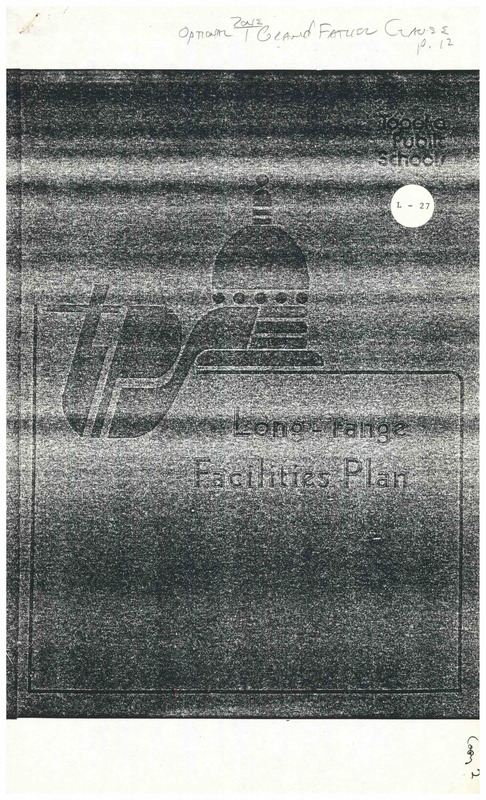
Case Data and Exhibits for Brown III, a relitigation of Brown v. Topeka Board of Education (1954) that corrected resegregation issues caused by open enrollment school choice in 1992. A March 1976 report from the Topeka Public Schools Office of Planning and Evaluation that explains the long-term plan for facilities improvements.
Case Data and Exhibits for Brown III, a relitigation of Brown v. Topeka Board of Education (1954) that corrected resegregation issues caused by open enrollment school choice in 1992. A report from the Topeka Public Schools Office of Planning and Evaluation that revises and updates the long-term plan for facilities improvements from 1977-1978.
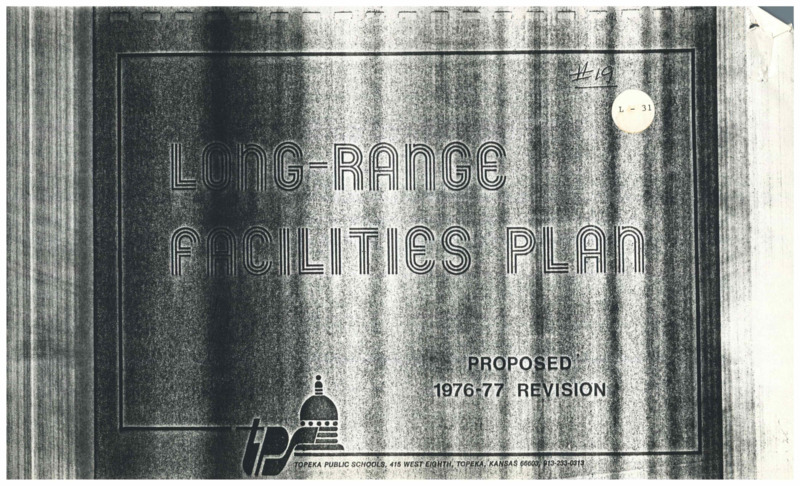
Case Data and Exhibits for Brown III, a relitigation of Brown v. Topeka Board of Education (1954) that corrected resegregation issues caused by open enrollment school choice in 1992. A report from the Topeka Public Schools Office of Planning and Evaluation that revises and updates the long-term plan for facilities improvements from 1976-1977.
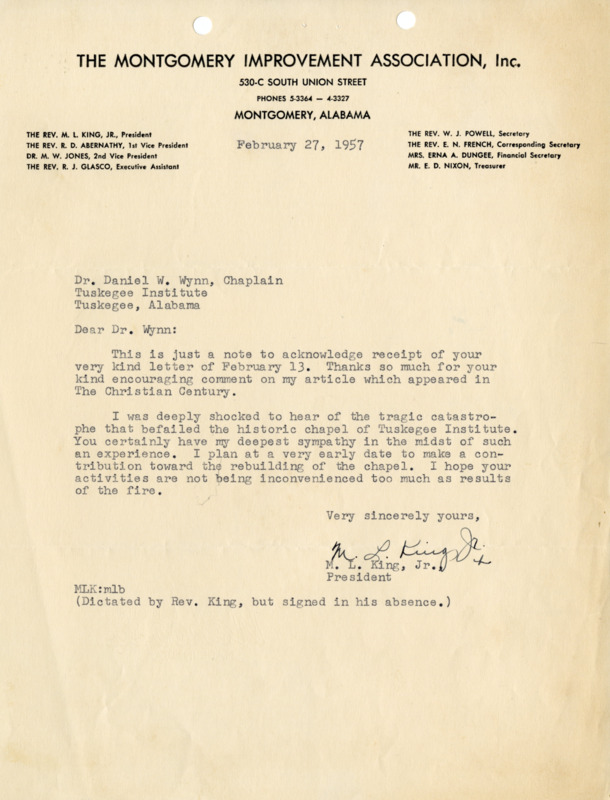
A letter from Dr. Martin Luther King Jr. to Chaplain Wynn thanking him for his support of his article in the Christian Newspaper article in The Christian Century and offering condolences for what happened to burning of the original Chapel Building.
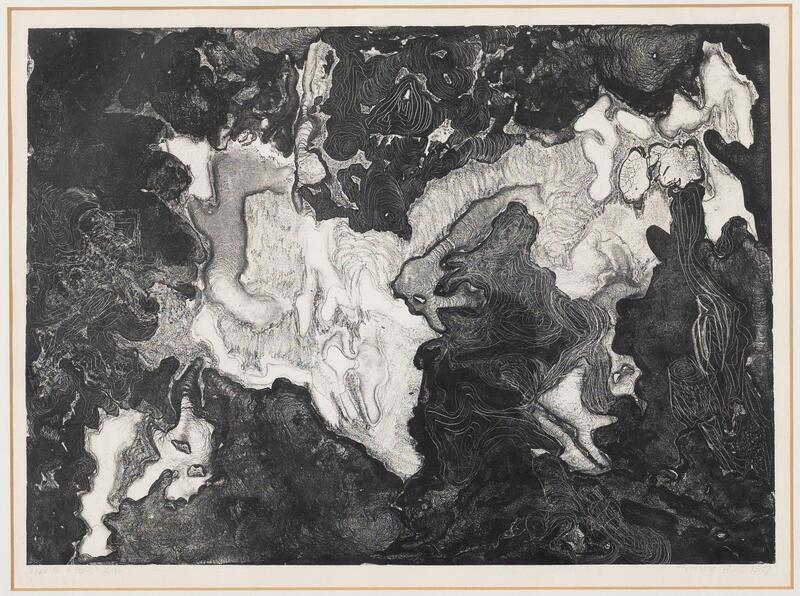
Tommie E. Price was an artist from Tulsa, OK. Lost For A Name shows white and black abstract shapes and forms with thinly drawn lines. They are layered to create contrast, variety, and movement for the viewer to experience.
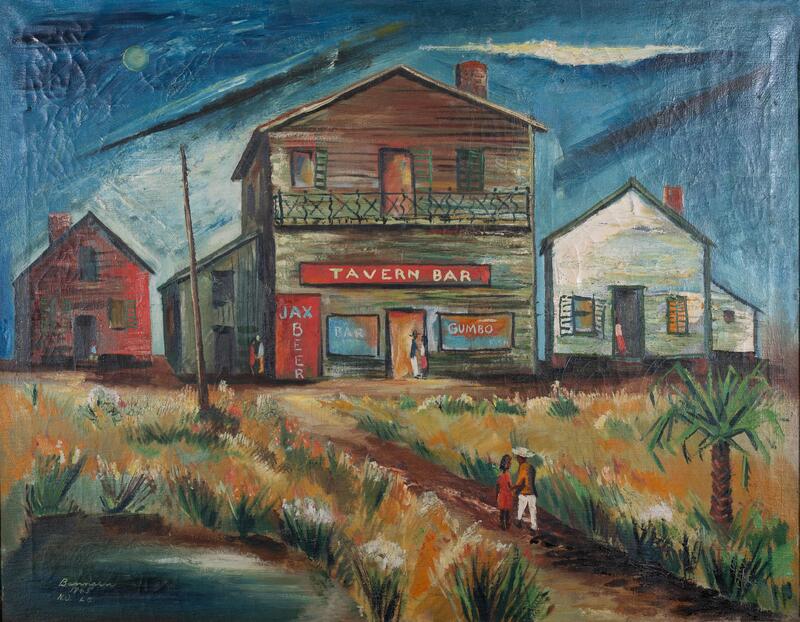
Henry Wilmer Bannarn was a Harlem Renaissance sculptor and artist who worked in pastel and free-form sketching. Louisiana Nocturne depicts the nightlife of a rural town in Louisiana. The piece shows three couples around a two-story building marked Tavern Bar. The bar is between two buildings, and a person is on both porches.
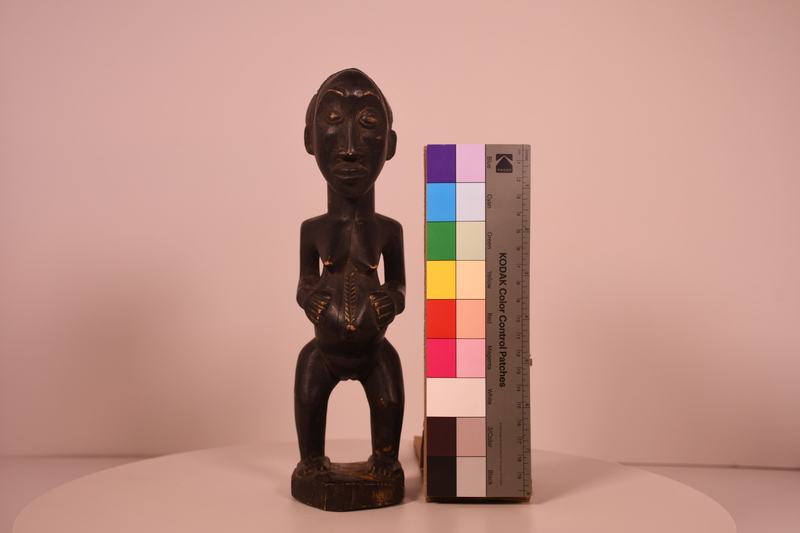
This is a Luba sculpture from the Democratic Republic of Congo of a pregnant woman holding her stomach. The Luba are a matriarchal society and often create art centered around women, placing emphasis on their importance in their society. Some suggest that these figures are used to promote fertility.
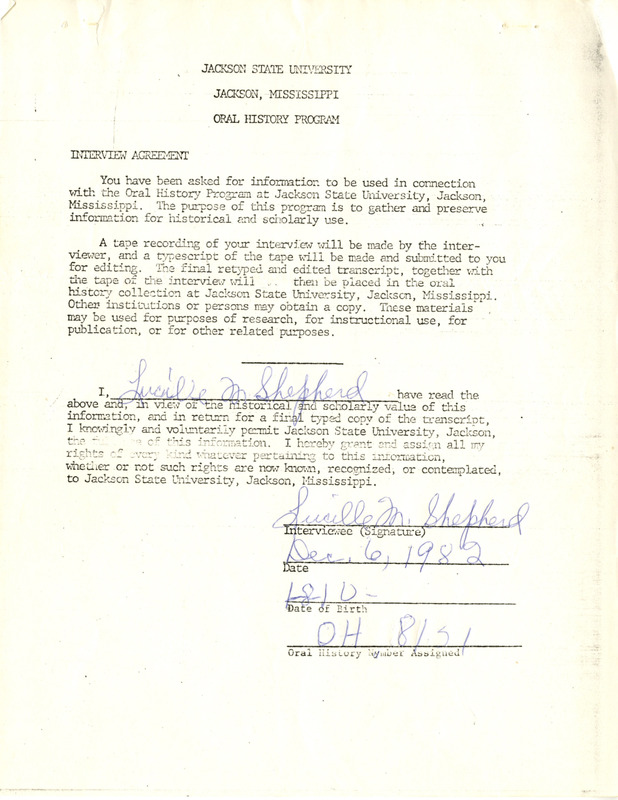
Lucille Shepherd moved to the Farish Street District in 1955 at the age of 40. She shares recollections of her younger days in the district. She then talks about the deterioration of both buildings and the Black business sector in the district. She also discusses the improvements she'd like to see made.
Blueitt’s senior notebook includes her written philosophy of art, photographs of the artist’s works and her process, and a copy of her senior exhibition brochure. As a part of the Texas Southern art curriculum under Dr. John T. Biggers and Professor Carroll Harris Simms, students would create these notebooks to explain their artistry and showcase the works they created as students.
Ludie Neal began working for Head Start in 1965 with the position of teacher, eventually moving to resource teacher in 1970. She talks about her role as a resource teacher, making daily and weekly lesson plans for the 25 students she taught. She also discusses the origins of Head Start in her community.
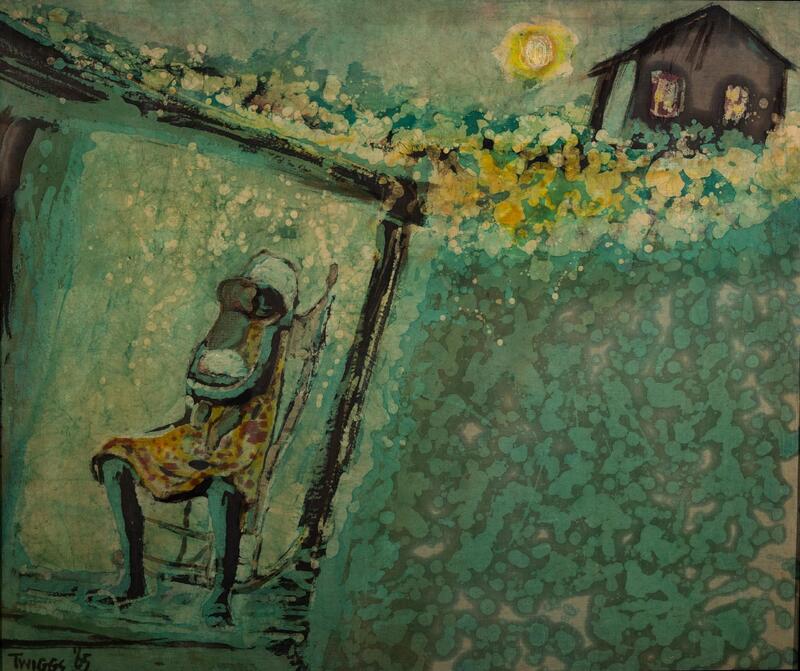
Leo Twiggs was an artist and art professor from St. Stephen, SC. Lullaby depicts a mother singing to her child in a rocking chair. The abstracted background shows farmland as the sun sets just beyond a barn.
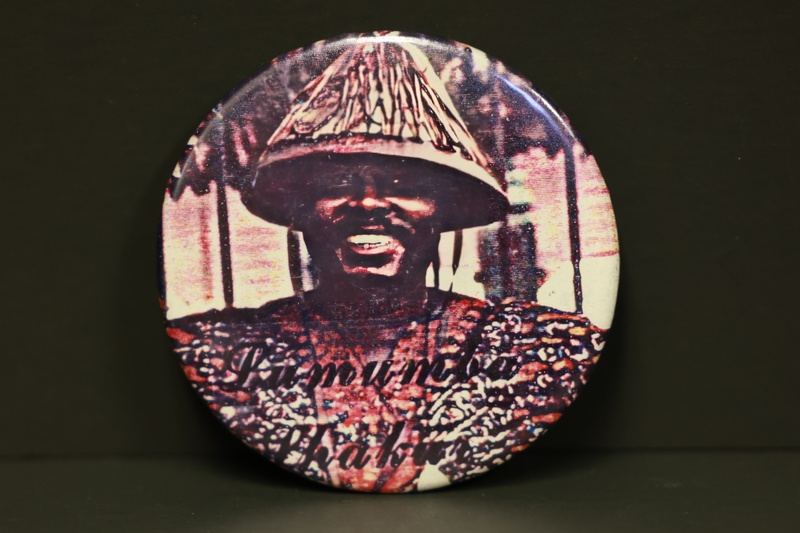
A multi-colored button with a photo of Lumumba Shakur. He was the first husband of Afeni Shakur and the two worked with the Black Panther Party in Harlem, New York, helping Black tenants organize rent strikes for adequate housing. In 1969, they were charged with conspiracy to bomb police buildings along with 19 others, known as the Panther 21.
Renee Stout is an artist and sculptor from Junction City, KS. Lunch at the Bush White House is a conceptual gothic painting that explores the intersection of Stout's critique of the Bush administration and numerology from an atmospheric perspective. Above a plantation-like landscape, Stout depicts a heart impaled by an ornate fork.
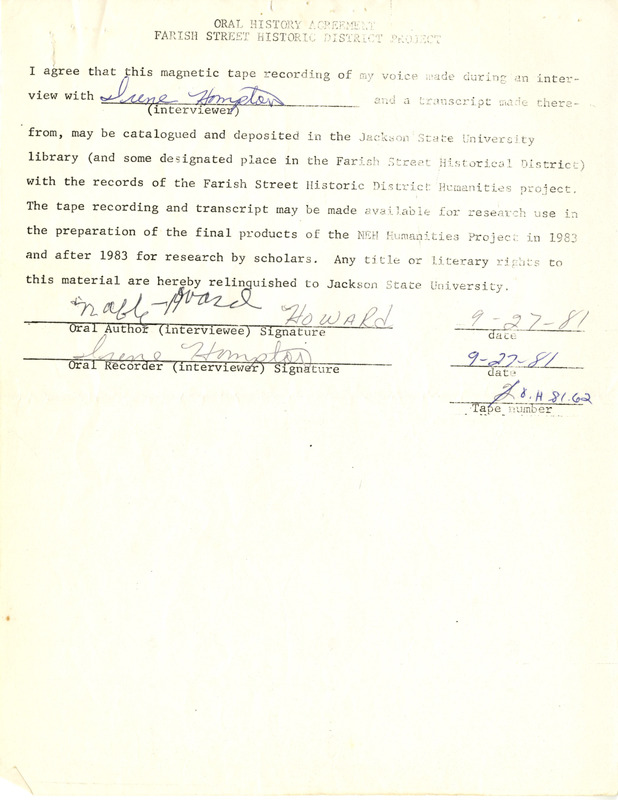
Mabel E. Howard was born in the Farish Street District in 1911 and worked at several businesses in the district. She talks about her time living in the district, the schools she attended, and being baptized at Christ Temple Church, and her favorite places to eat in the district. The transcript is edited with handwritten and typed notes.
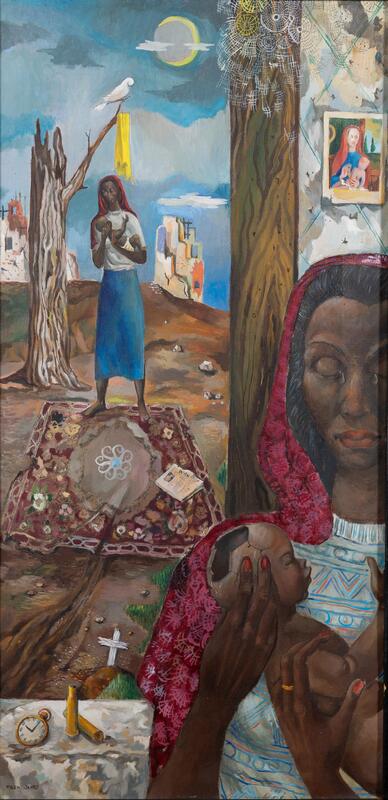
Frederick D. Jones, Jr. is a twentieth-century artist from Chicago, Ill. Madonna Moderne depicts surrealist vignettes of a Black Madonna and child. The piece shows a veiled mother holding an injured baby and the same pair at a gravesite in a war-torn landscape. Jones also includes symbols of purity, humanity, war, and mortality.
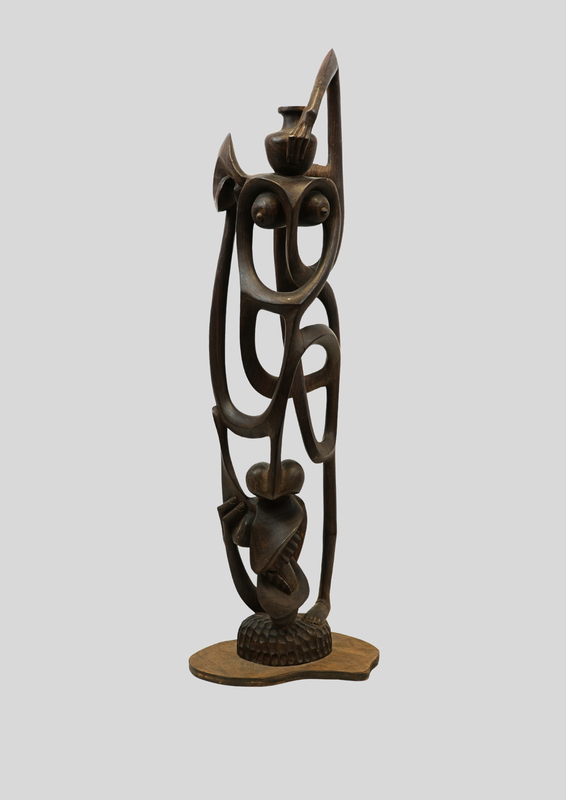
A hand-carved, wooden African Makonde Shetani sculpture likely originating from the Makonde people in Tanzania, northern Mozambique, or Kenya. The Shetani are East African Islamic spirits who are depicted in varying forms, mostly abstract and distorted, and seen as malevolent beings. The word, “shetani” itself is Swahili for “little devil.”
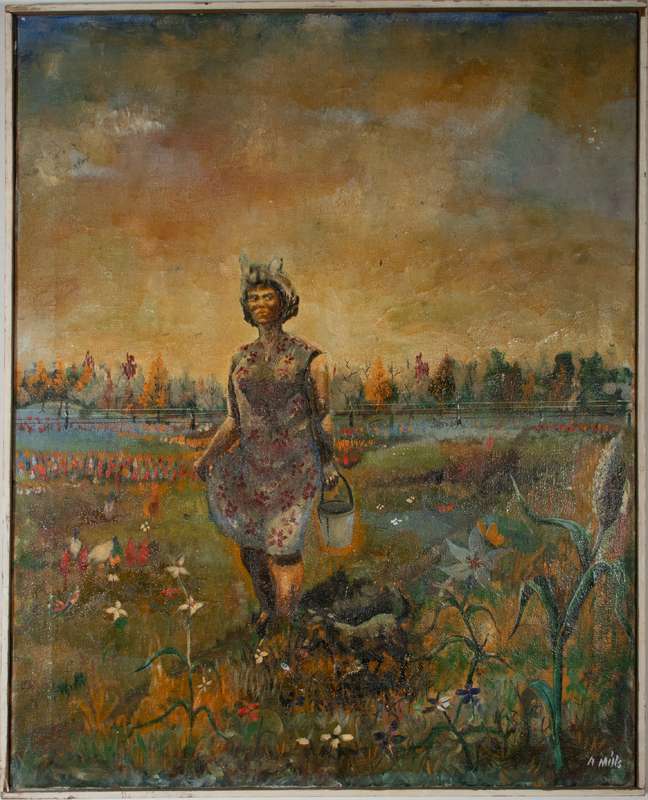
Armstead Mills' painting shows a woman holding a bucket and striding through a field of flowers, with a small dog at her ankles. Malindy, wearing a dress and carrying a bucket, is portrayed tenderly and beautifully in this colorful nature scene. Mills' brother, Edward, also attended Texas Southern as an art student.