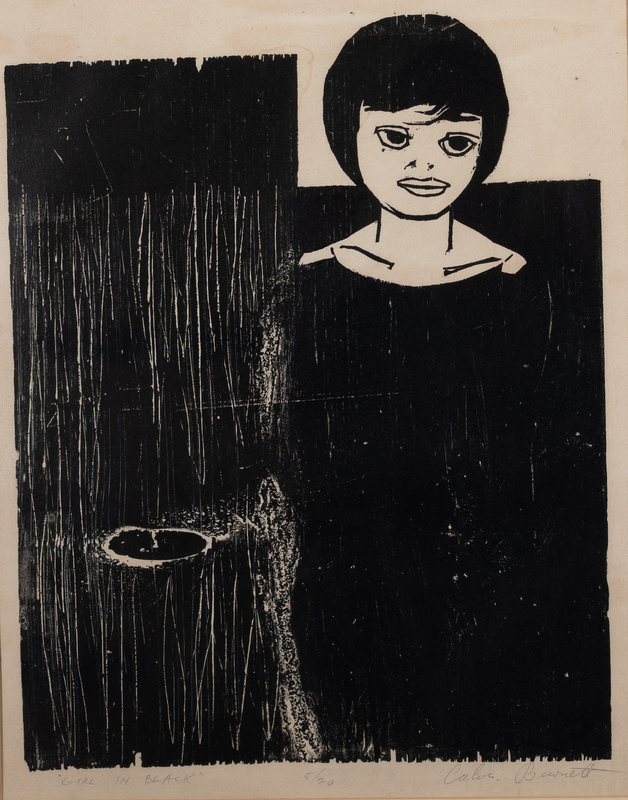
Calvin Burnett was a graphic artist, illustrator, painter, designer, and art teacher from Cambridge, MA. "Girl in Black" depicts a girl standing with a smug expression, wearing a Black garment. The dress blends into the dark background and uses the white space to define the woman's features, while white scratches add texture to the piece.
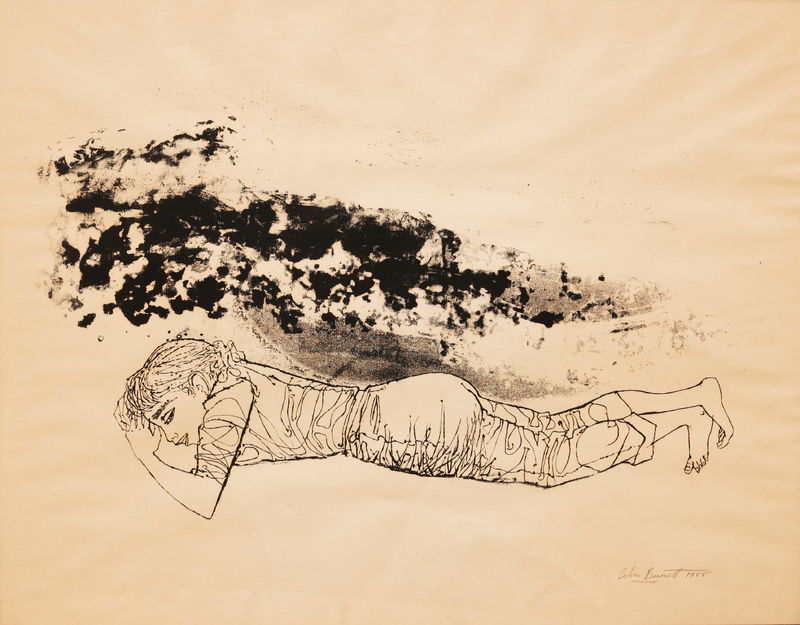
Calvin Burnett was a graphic artist, illustrator, painter, designer, and art teacher from Cambridge, MA. "Girl Waiting" depicts a young girl lying asleep with dark shadows above her.
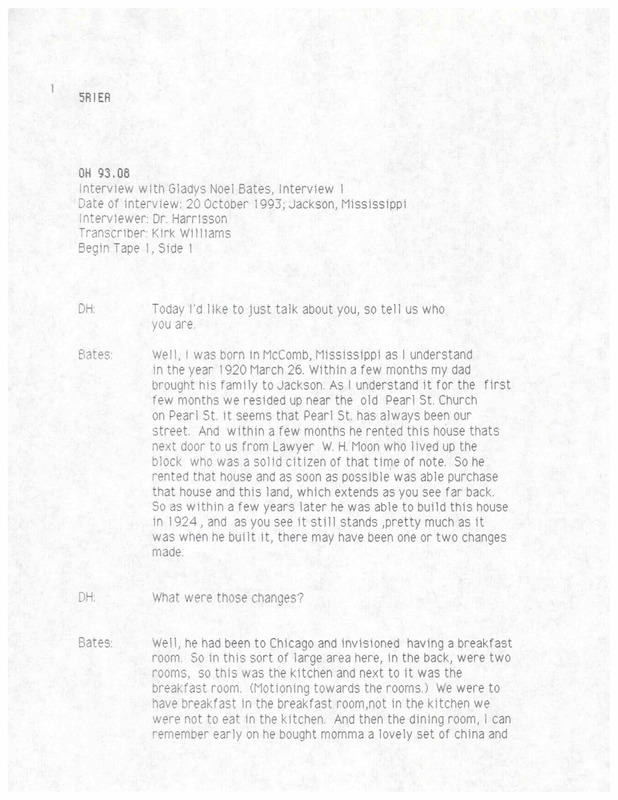
Gladys Noel Bates moved to Jackson with her family in 1920 and soon after settled in the Farish Street District. She talks extensively about her entire life, including her childhood and family, attending school during desegregation, and her involvement in the Civil Rights Movement.
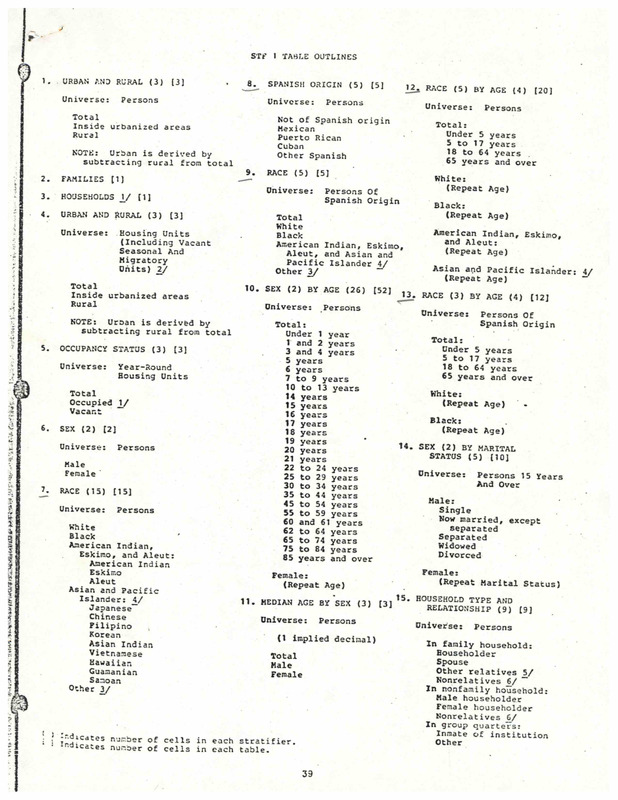
Case Data and Exhibits for Brown III, a relitigation of Brown v. Topeka Board of Education (1954) that corrected resegregation issues caused by open enrollment school choice in 1992. Glossary giving definitions to terms and breaking down the data in the census reports for the state of Kansas from April 1982 through April 1983.
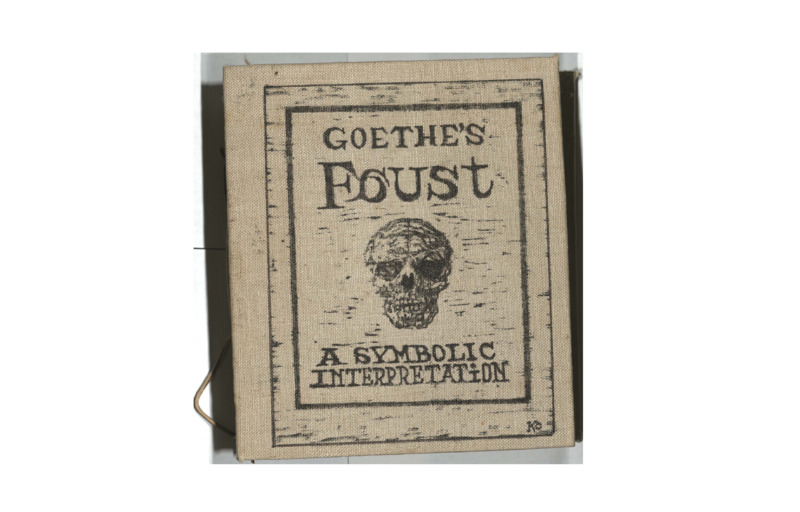
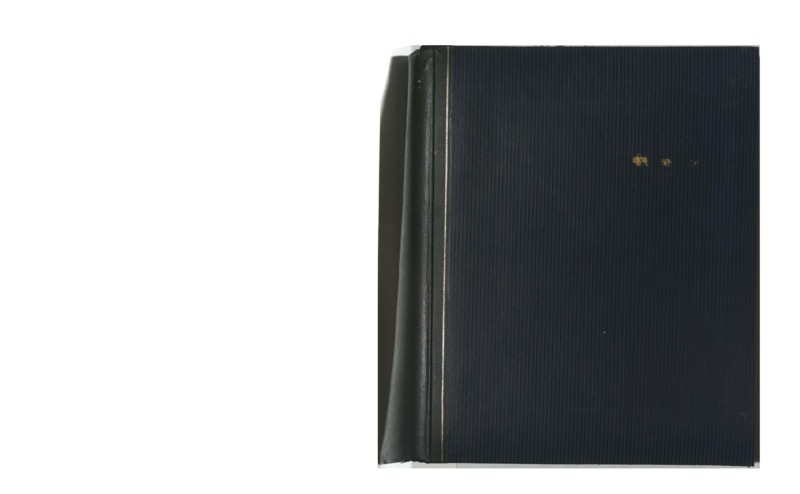
Oliver created this notebook for an undergraduate English course. The notebook, which he made and bound by hand, includes the artist’s interpretation of Johann Wolfgang von Goethe’s play, Faust, a Tragedy, and several original illustrations to accompany his writing.
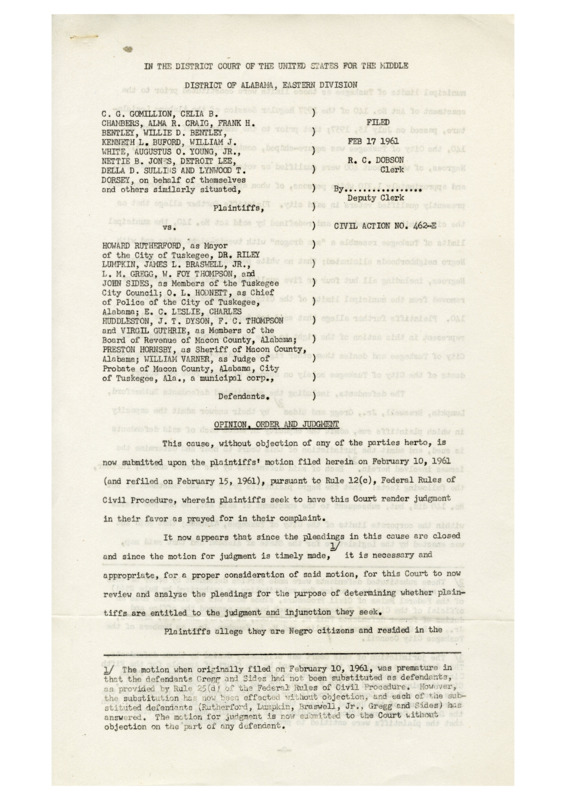
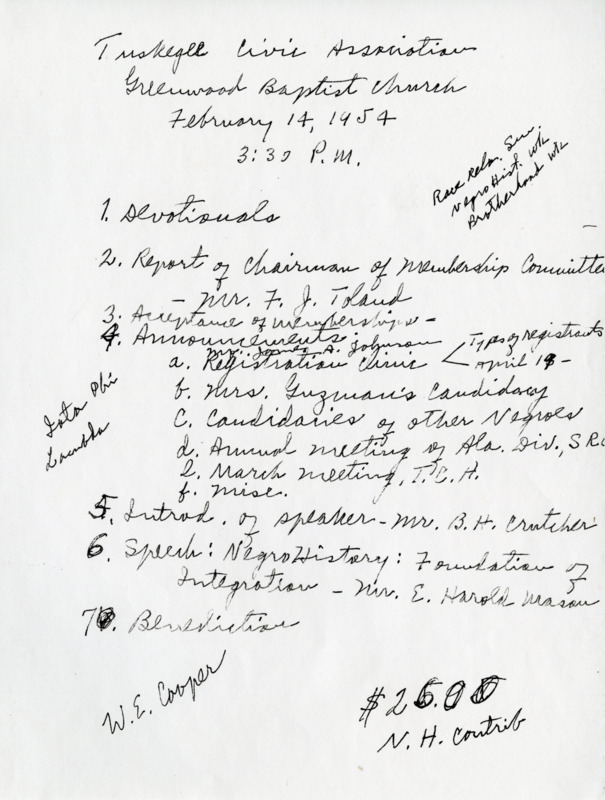
A lawsuit filled by the Tuskegee Civic Association to challenge the illegal gerrymandering that sought to reduce the political power of Black citizens in Macon County, Alabama.
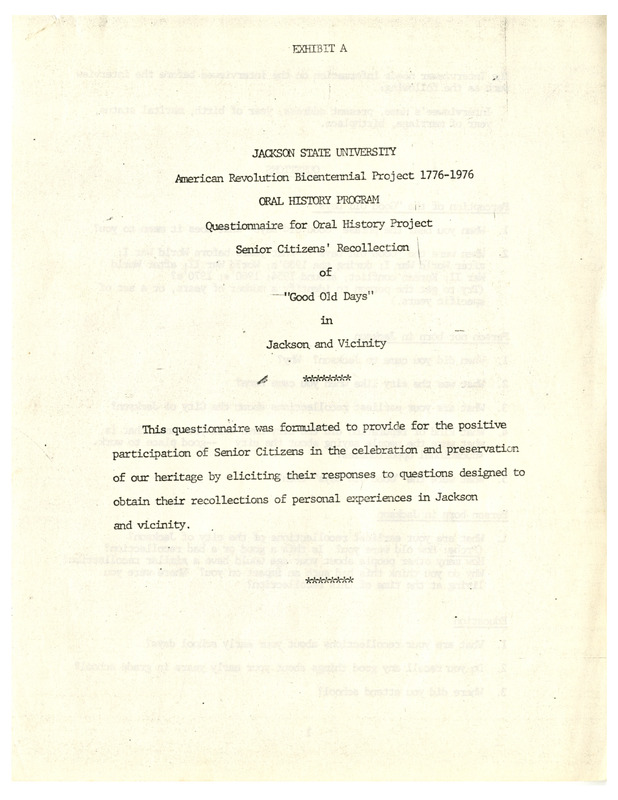
A list of questions to guide the interviewer’s through the recording of oral histories in the Good Old Days project, a series of interviews with senior citizens who talk about their lives, times, achievements, and challenges from their early childhood through the various stages of life. The questions cover topics such as religion, education, etc.
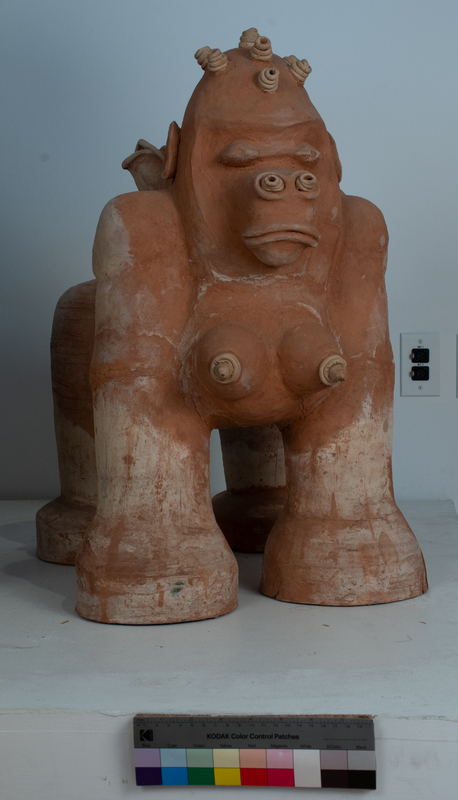
This terracotta sculpture features a mother gorilla with a child clinging to her back. The mother’s head, face, and body are adorned with spiral embellishments. A common theme featured in Texas Southern University’s permanent collection of terracotta sculptures is the relationship between mothers and their children.
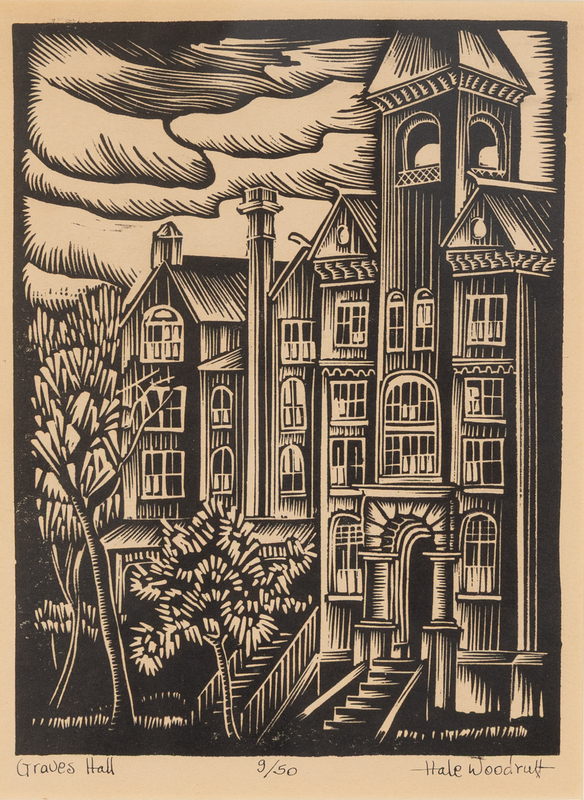
Hale Aspacio Woodruff was an artist and art educator known for his murals, paintings, and prints from Cairo, IL. "Graves Hall" depicts the a building on Morehouse College's campus which now serves as a residence hall. Graves Hall has an illustrious history as the first building on Morehouse's campus where notable alumni like Martin Luther King resided and took classes.
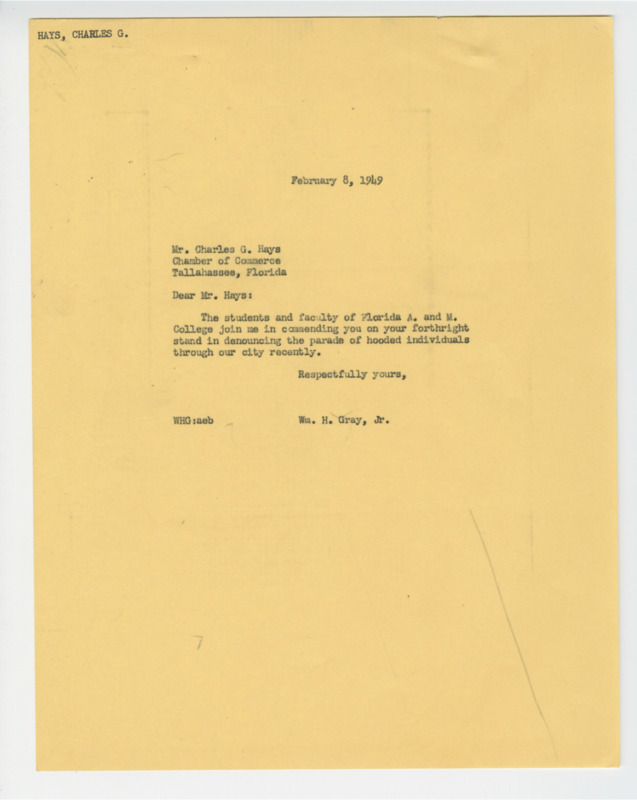
President W. H. Gray wrote to Mr. Charles G. Hays, expressing support for his bold stance against the parade of hooded individuals in Tallahassee. Gray proposed that FAMC's students and faculty join him in commending Hays for his forthright condemnation of such actions, standing firm against racial intimidation.
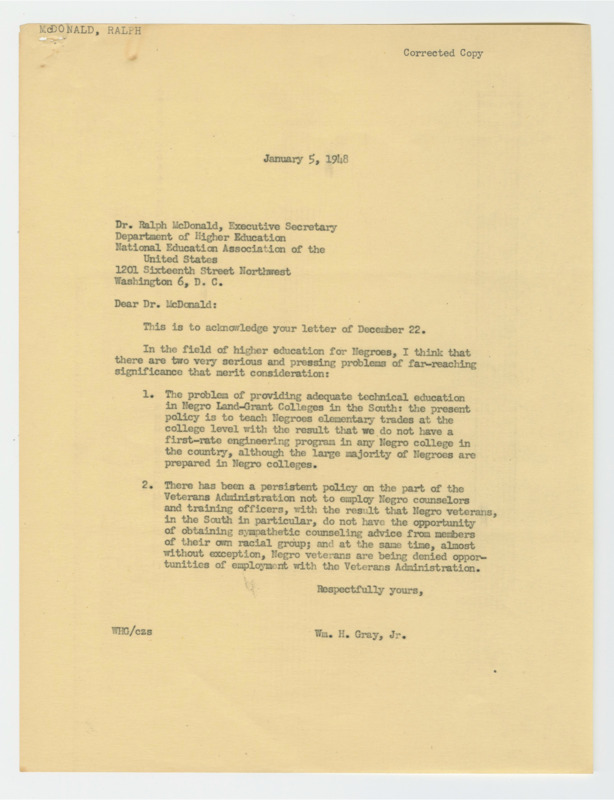
In response to a letter from Ralph McDonald, the executive secretary at the Department of Higher Education, William H. Gray, Jr. offered his thoughts on problems affecting Black students in higher education in the South. He highlighted two: inadequate technical education and discriminatory Veterans Administration hiring practices.
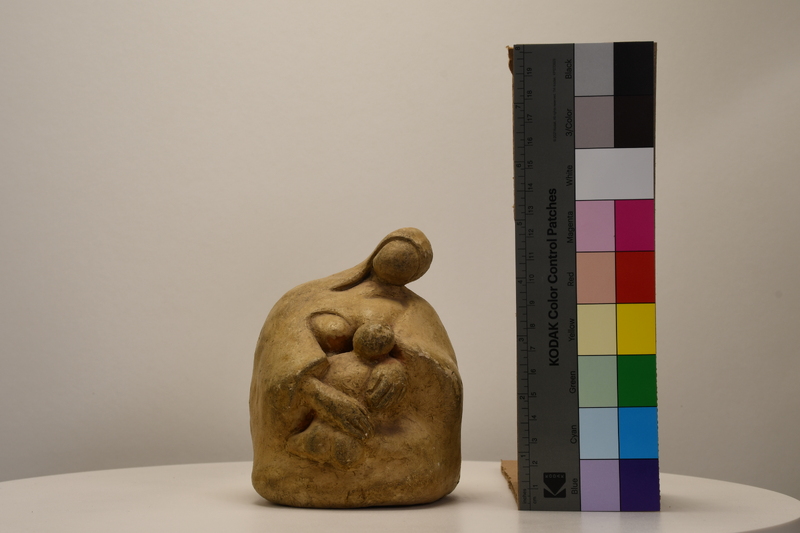
Taylor's maquette shows a mother tightly embracing one or two children. The theme of the mother and child was a recurring motif amongst the students of Professor Carroll Harris Simms, the ceramics instructor at TSU. Simms worked alongside Dr. Biggers to build TSU's art program.
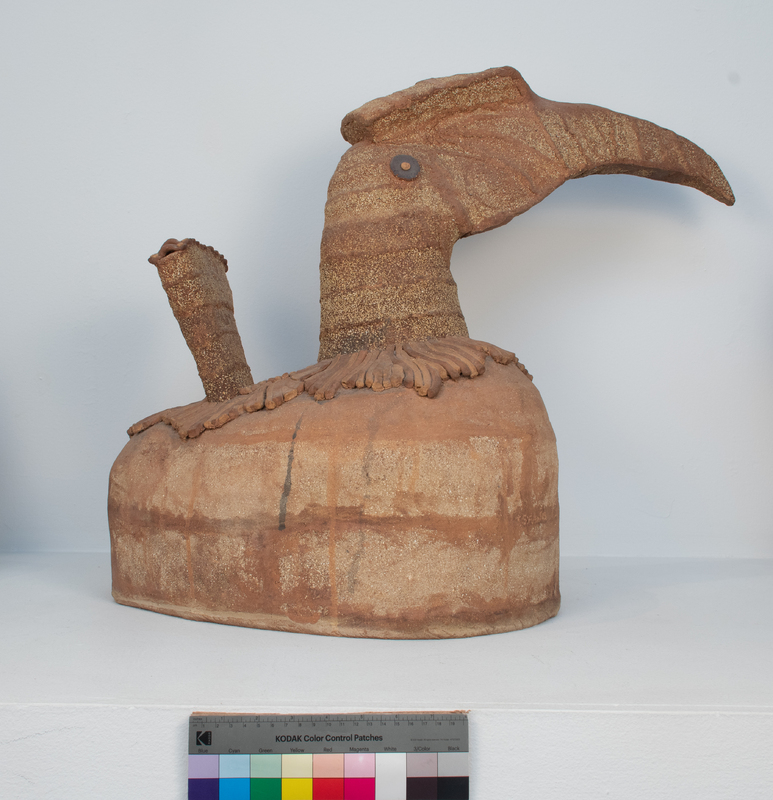
Jesse Sifuentes’ “Greater Hornbill” was created using the slab method, which was taught to students of Carroll Harris Simms. This method entails layering evenly rolled clay mixed with sand as artists build up their figures, working from the bottom layer to the top. Sifuentes frequently features hornbills, unique birds found in parts of Africa and Southeast Asia, in his art.
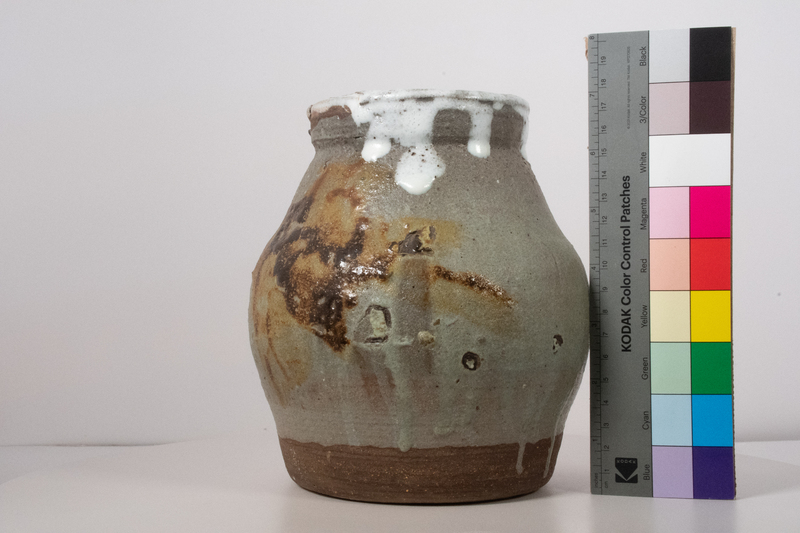
This small ceramic vessel created by Professor Carroll Harris Simms has a green hue, with a brown base and white-glazed lip and interior. Simms believed pottery to be an equally important artistic pursuit to sculpture and was encouraged to hear pottery was held in the same regard in West Africa.
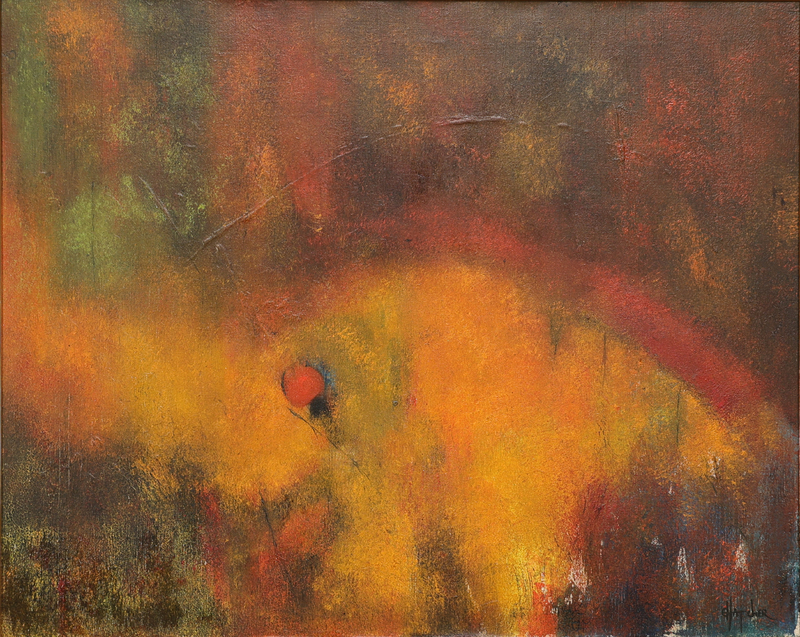
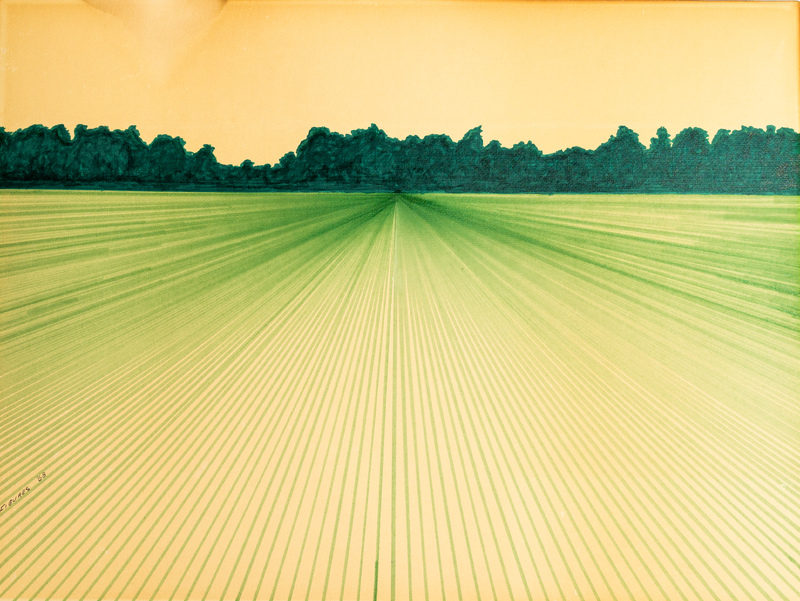
Alfred Figures was an artist from Mobile, AL. "Green Field" is a landscape painting that depicts a field of rolling grass and a distant tree line. Fine green lines form rows of organic matter, depicting an open field.
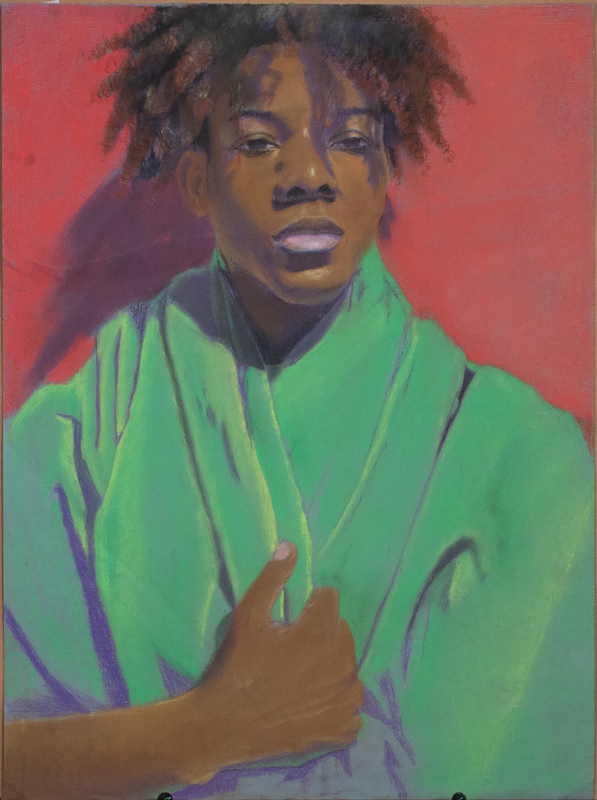
Sauls’ drawing is a portrait, completed in pastel, of a person with curly hair wrapped in a green robe. As a part of the curriculum at TSU, art students are required to create portraits. Some opt for self-portraits, while others begin to create images of those including family, friends, and peers. A variety of portraits created with different mediums can be found in the permanent collection.
Rose Piper, an African-American artist, used her knowledge of art and geometry to explore the American South. "Grievin’ Hearted," a cubist painting, illustrates the sentiments of African Americans in the South. A man sadly hangs his head on his arm as he sits in the shadows. The girl in the yellow dress symbolizes hope for the future.
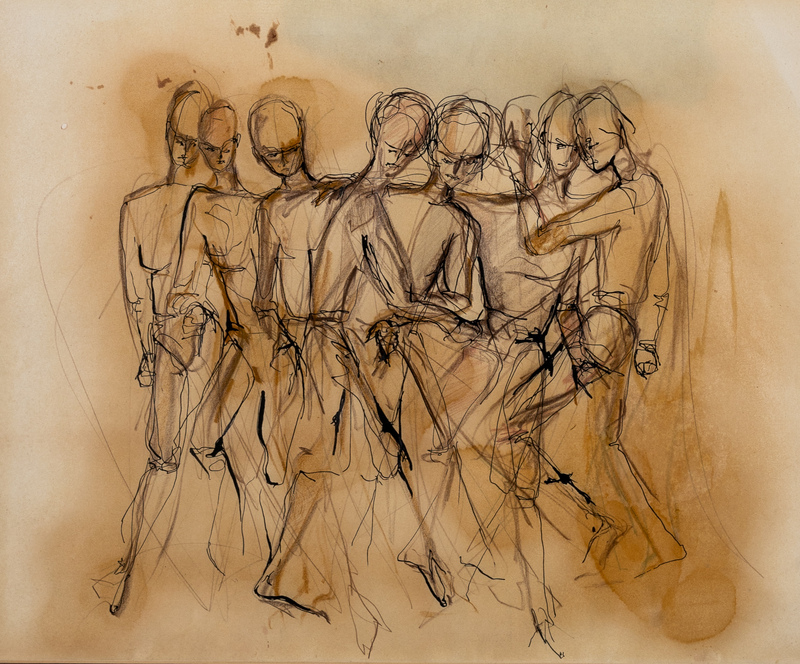
William V. Harper was an artist and art educator from Cayuga, Ontario, Canada. "Group Study #1" is a gestural drawing focusing on several human figures' physical composition. Lines of body parts overlap, and each figure moves in different positions and directions.
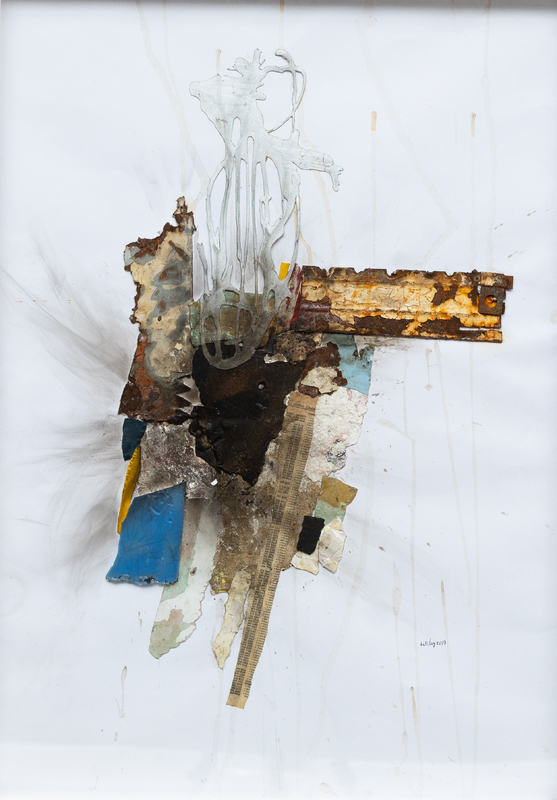
Wilay Mendez Paez is an Afro-Cuban sculptor and collage artist. "Guia Eliptica, 2018," is a mixed-media collage piece compiled with found objects. Wilay completed it during an Artist Residency at Clark Atlanta University Art Museum, where the museum's permanent collection inspired him.
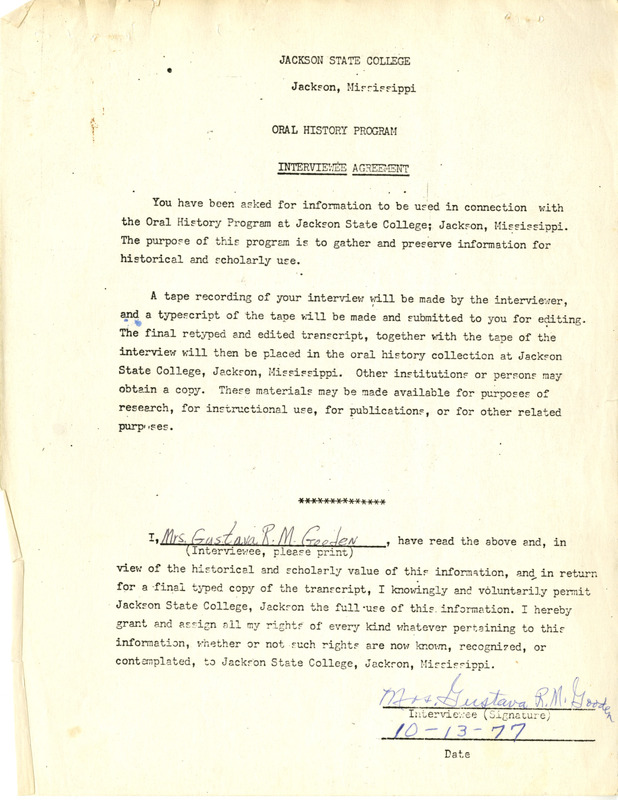
Gustava Gooden was born in the Farish Street District and at the time of the interview had lived in the home she was in since she was a teenager. She talks about growing up in what she calls the "slum" of the Farish Street District. She discusses the red light district, schools, churches, and businesses in the area.
Gabriel's senior notebook includes her written philosophy of art, photographs of the artist’s works and her process, and a copy of her senior exhibition brochure. As a part of the Texas Southern art curriculum under Dr. John T. Biggers and Professor Carroll Harris Simms, students would create these notebooks to explain their artistry and showcase the works they created as students.
Gwendolyn Hampton was born in the Farish Street District in 1953 and attended several schools in the area, including Smith Robertson School. Mrs. Hampton reflects on changes in many areas in the district, including the disciplining of neighborhood children and the attitude of "country folk" who came to Farish Street to shop.
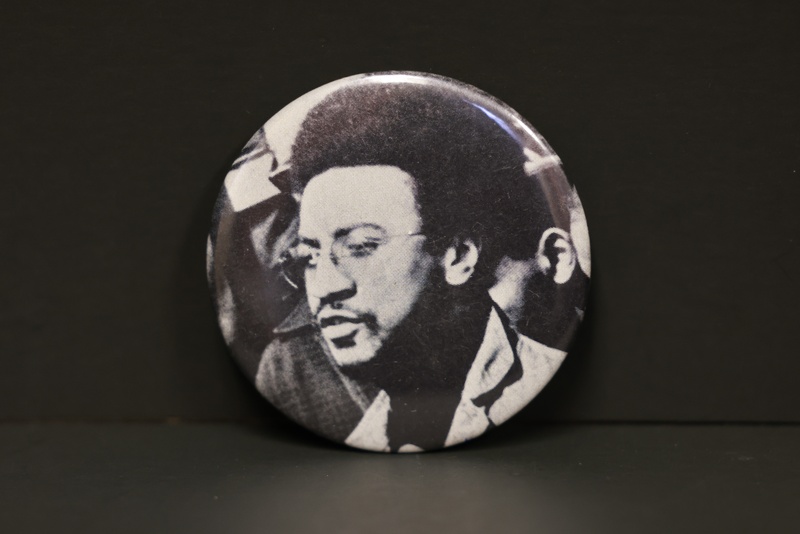
A button with a black and white photo of H. Rap Brown (Jamil Al-Amin). After organizing in Mississippi during Freedom Summer in 1964, H. Rap Brown became chairman of the Student Nonviolent Coordinating Committee (SNCC) in 1967. He continued SNCC’s adoption of Black Power ideologies which began under his predecessor Stokely Carmichael.
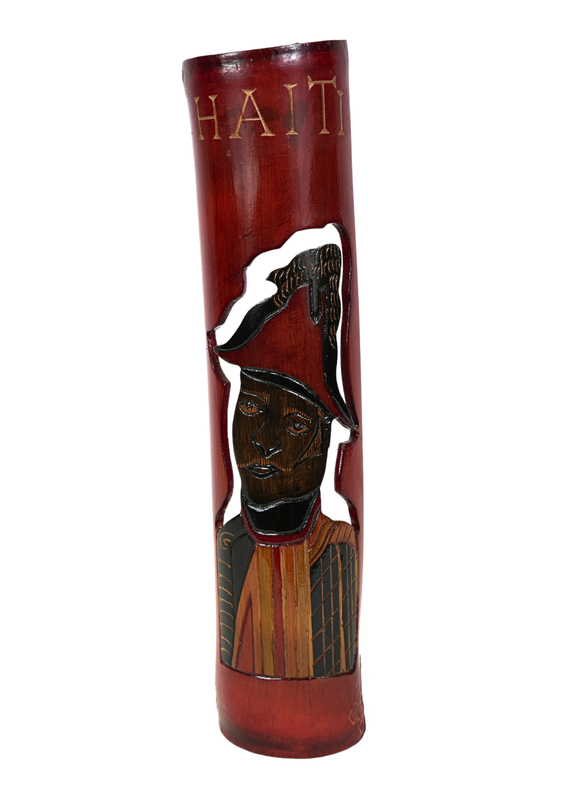
This red plank is made of wood and painted over to give a shiny luster. The artwork features a soldier, possibly Toussaint Louverture, with the word “Haiti” carved above it. On the back of the piece, an inscription says “Ayiti Cheri ZP”, Haitian Creole for “Haiti my dear/my baby” (it’s unclear what the ZP could stand for).
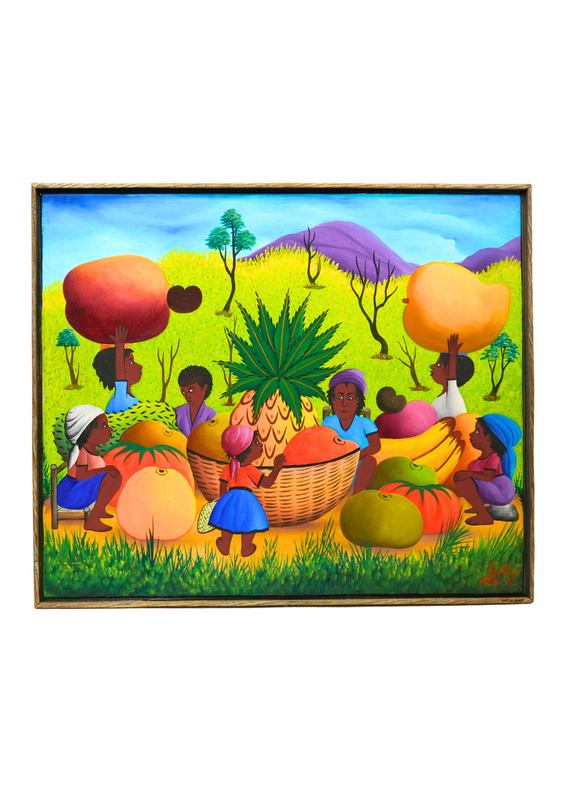
This painting from the Leo Psam Collection is a textbook example of the colorfully vibrant scenes artists create when depicting Caribbean art. The Haitian art showcases a busy market scene with people selling fruit and customers inquiring and purchasing them.
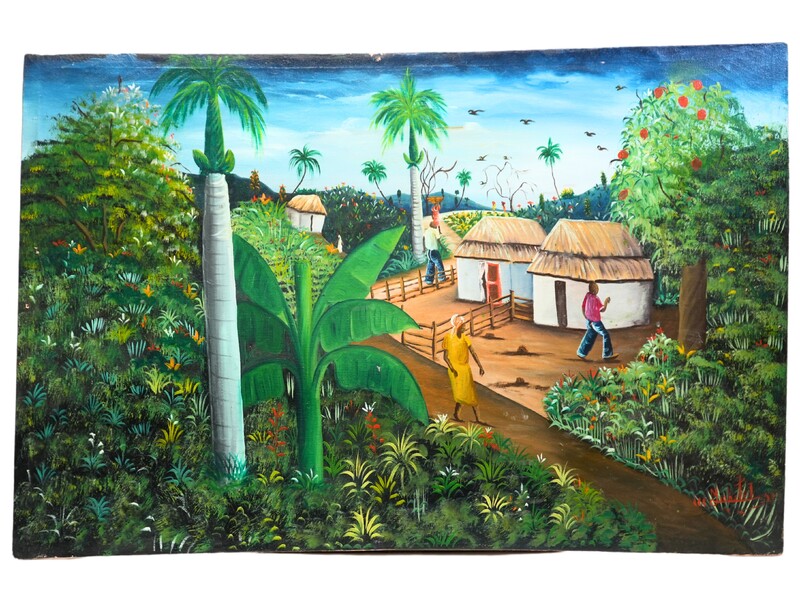
This painting from the FAMU Black Archives/Caribbean Art Collection has limited identification for precise attribution. The vibrantly-painted piece depicts a Haitian village scene and features an unclear inscription in red, cursive font on the lower right corner that could be the artist’s signature.
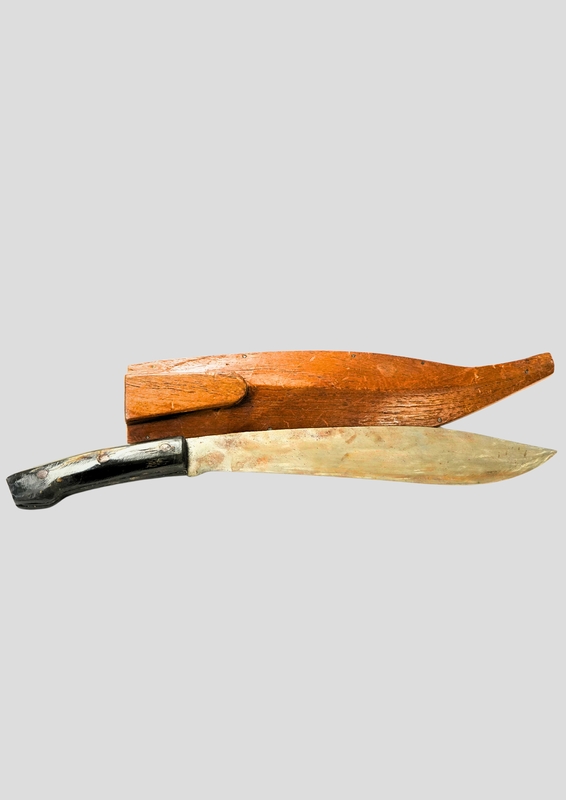
A bolo knife is a traditional cutting tool with a curved blade, commonly used in agricultural and domestic tasks across various cultures, especially in the Philippines and parts of Africa. Its design allows for efficient cutting and slicing, making it ideal for clearing vegetation and harvesting crops. This knife was used by Benjamin French.