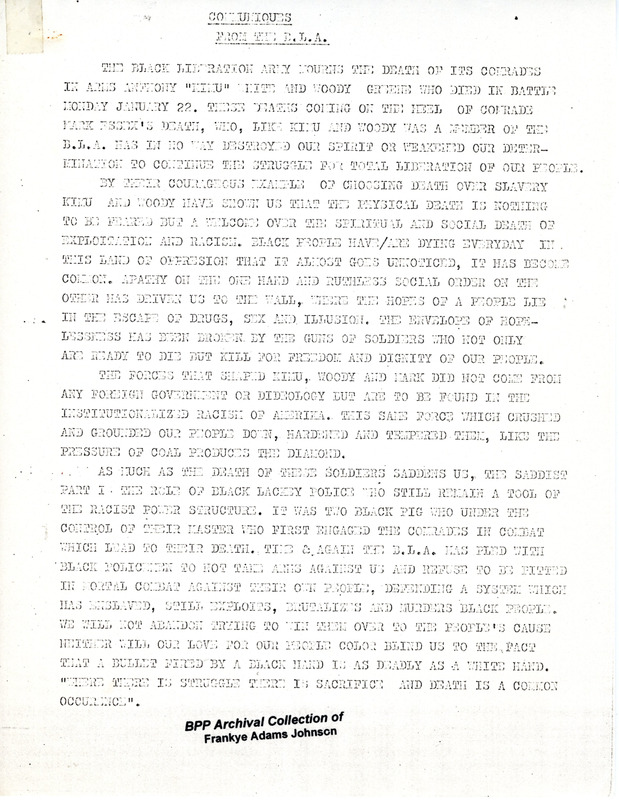
A communique from the Black Liberation Army (BLA) mourning the deaths of BLA members Anthony "Kimu" White and Woody Greene who were both killed by police. The author argues that the racist American system caused this to happen and that the spirits of White and Greene will live on in the new BLA assault teams to be named in their honor.
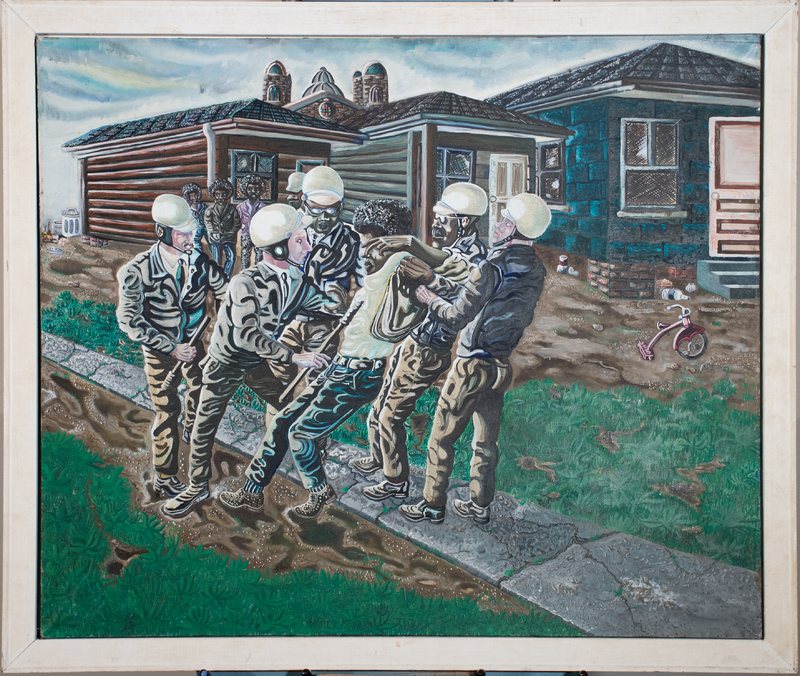
Settles' painting shows a Black man abused by a group of 5 police, while a group looks on in the background. This painting reflects frustration with police brutality and racism towards the Black community. Settles replicated this image (of the police surrounding the man) in another of his paintings with a different, more abstract background.
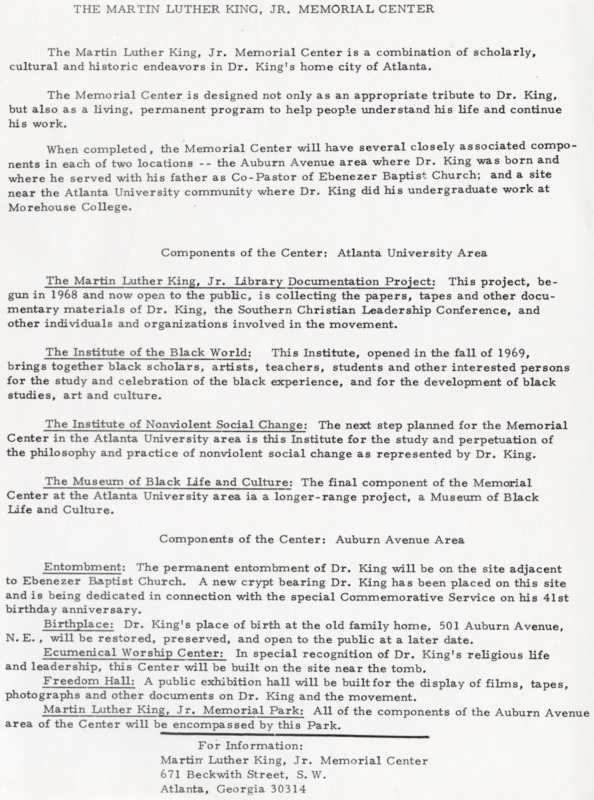
A document laying out the plans for the construction of the Martin Luther King Jr. Memorial Center and plans to continue the legacy of non-violence and uplift of Dr. King.
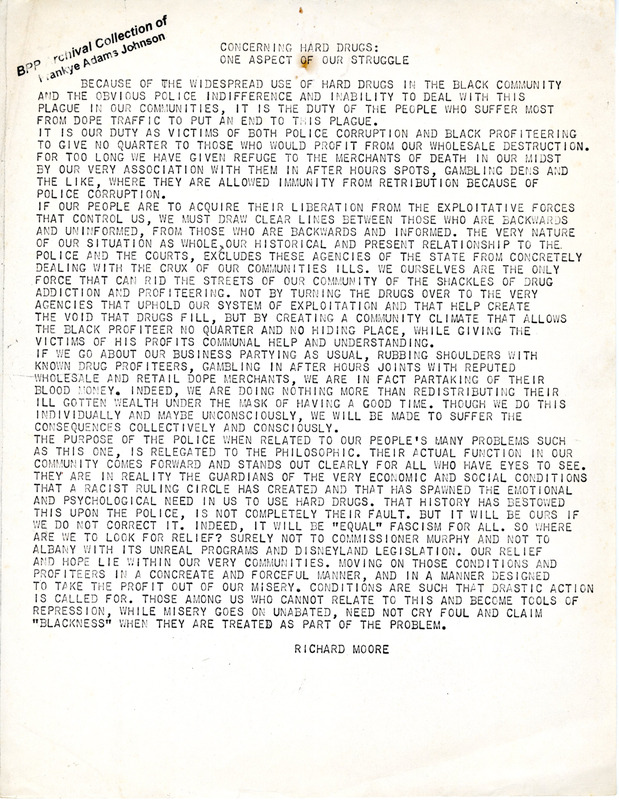
A memo by Black Panther Party leader, co-founder of the Black Liberation Army (BLA), and political prisoner Dhoruba Bin Wahd (Richard Moore) arguing that it is the duty of the people to put an end to the plague of drugs in the Black community by providing no quarter for for drug profiteers since corrupt police won't do anything about the problem.
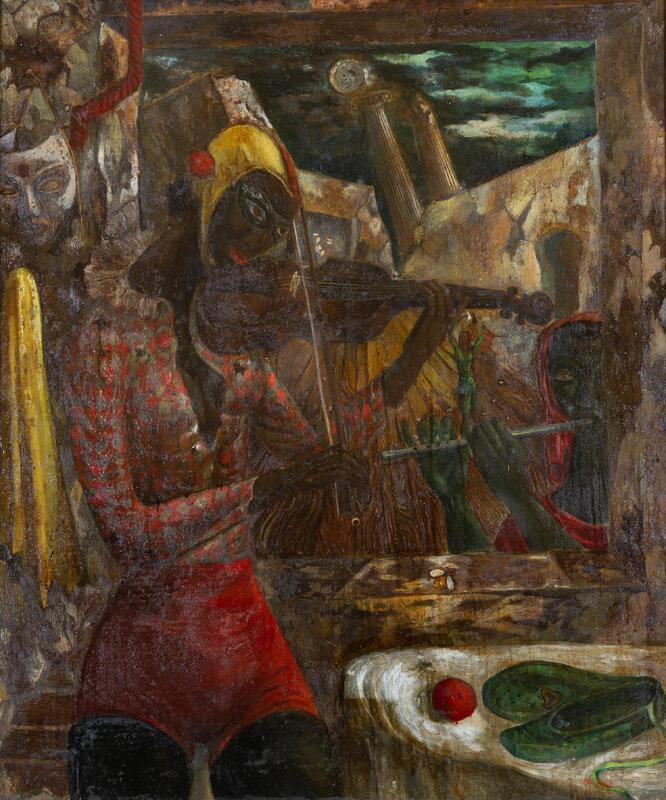
Frederick D. Jones, Jr. is a mid-twentieth-century African-American artist from South Carolina. "Concerto" is a surrealist depiction of an orchestra’s performance under a cloudy, moonlit sky. In the foreground is a violinist beside ballet shoes and a red ball. Directly behind her is a flutist and dancer. There is also a mask, rope, and yellow scarf.
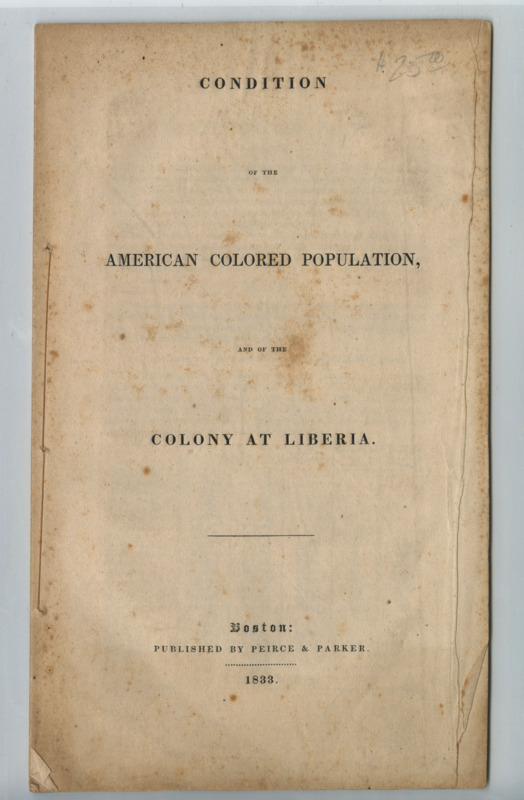
Boston-based publishing company Peirce and Parker released “Condition of American Colored Population and the Colony at Liberia” in 1833. This intriguing publication touches on the lives of African Americans and the progress of the emerging Liberian colony; albeit brief, it sets the stage for deeper analysis.
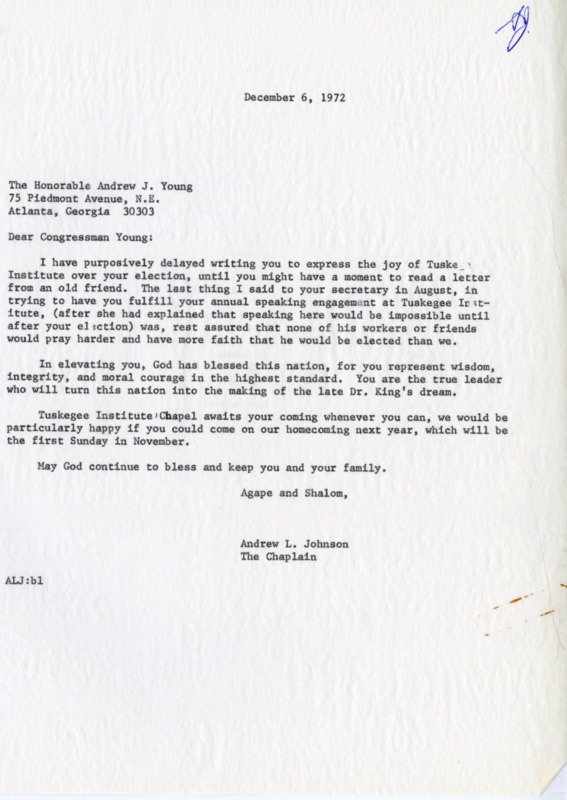
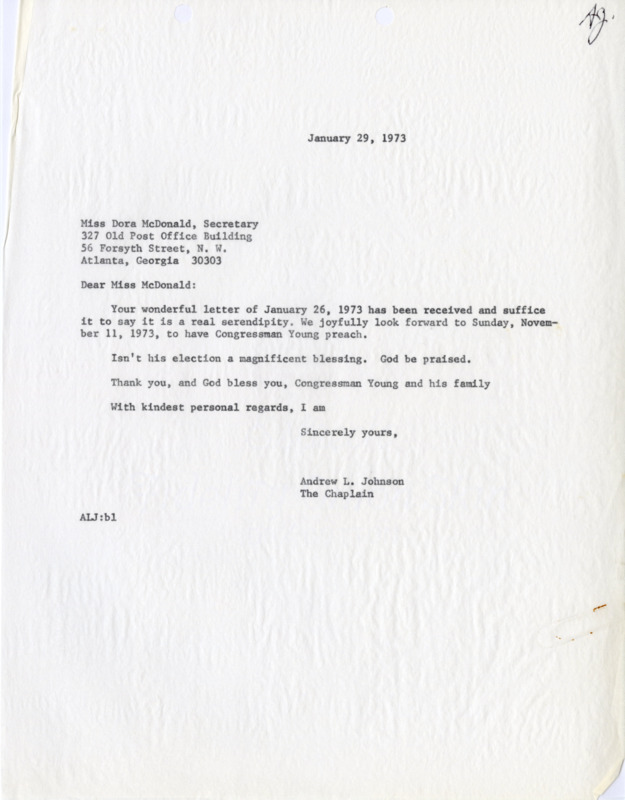
A letter from Chaplain Johnson congratulating Andrew Young for winning the US House of Representatives fifth district in Georgia. Chaplain Johnson also asked Andrew Young if it would be possible for him to speak at Tuskegee Institute’s Chapel during homecoming.
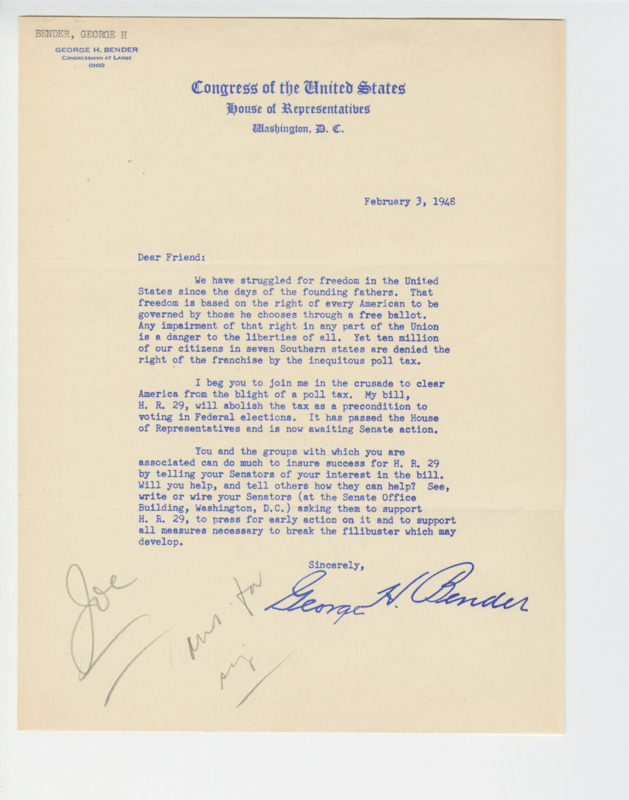
In response to Congressman George Bender’s plea in H.R. 29, FAMC President W. H. Gray acknowledged the struggle against poll taxes. Bender urged Gray to lead a crusade to abolish the tax as a precondition for true freedom. Gray assured Bender he would work to influence congressional representatives on the matter.
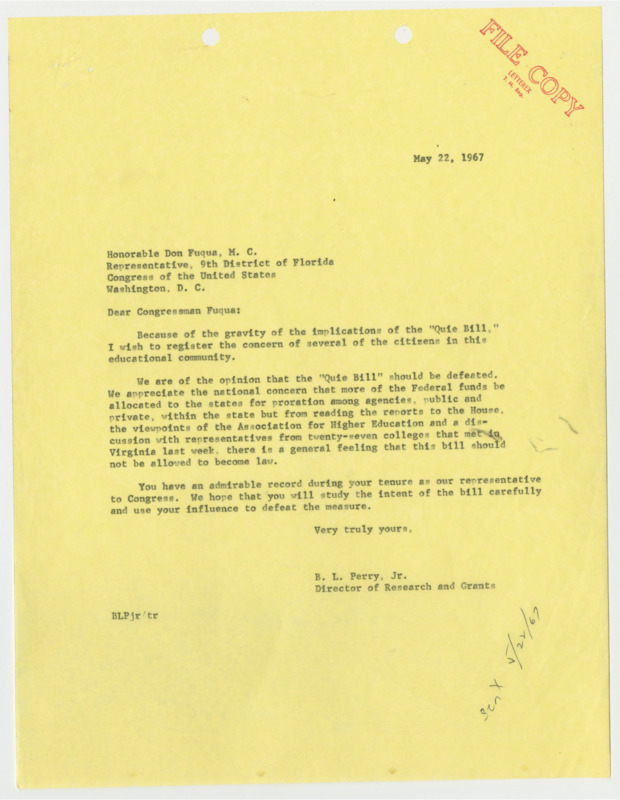
This series of correspondences spanning a couple of months in 1967 showcases the great working relationship between B. L. Perry, Jr. and House of Representatives Congressman Don Fuqua. The two discussed various education bills and used each other’s knowledge to develop Florida A&M University.
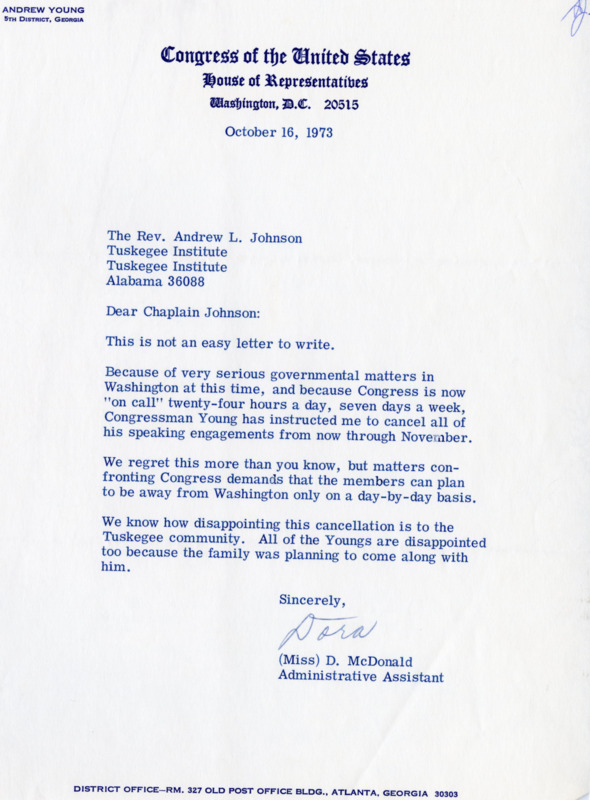
A letter from Miss Dora McDonald to Chaplain Johnson expressing regret that Congressman Young and his family will not be able to come to Tuskegee due to serious government matters.
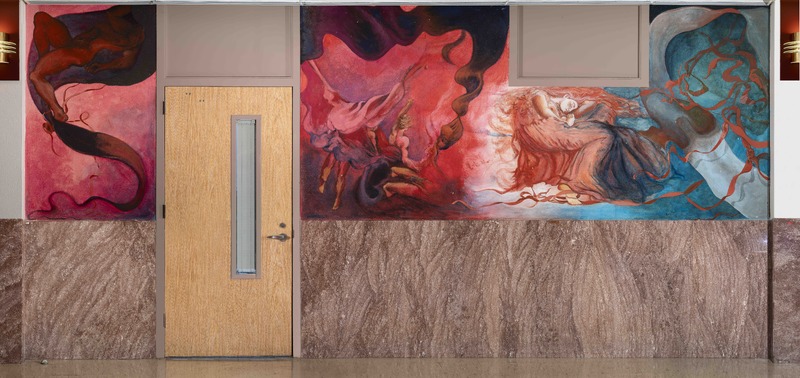
Oliver’s mural contains an homage to Frederic Leighton’s Flaming June. The central figure is surrounded by vast, flowing patterns of deep red, reddish-brown, pink, and aqua, in the midst of which two figures seem to struggle against the energized space, while the female figure remains in deep sleep.
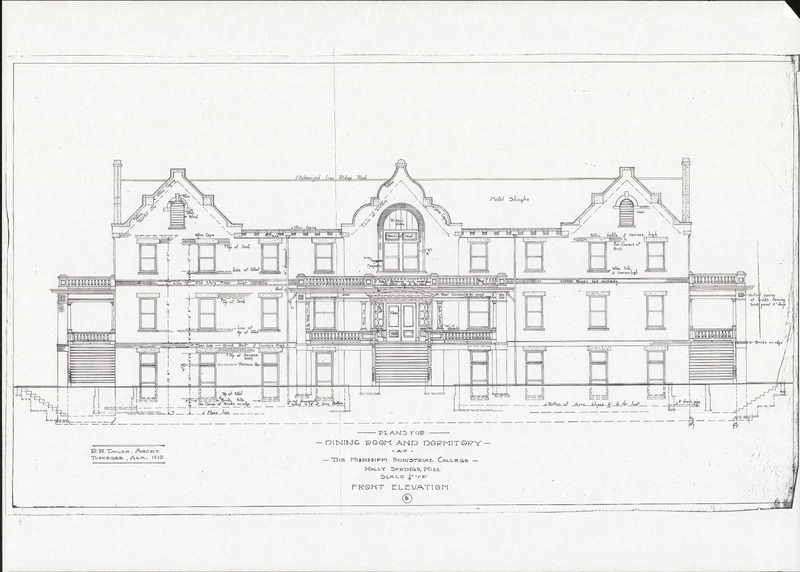
A construction section view drawing blueprint of the purposed dining area and dormitory at the Mississippi Industrial College. Drawing is on parchment paper with section notes regarding the details of the bricks layment, area wall, and Truss A.
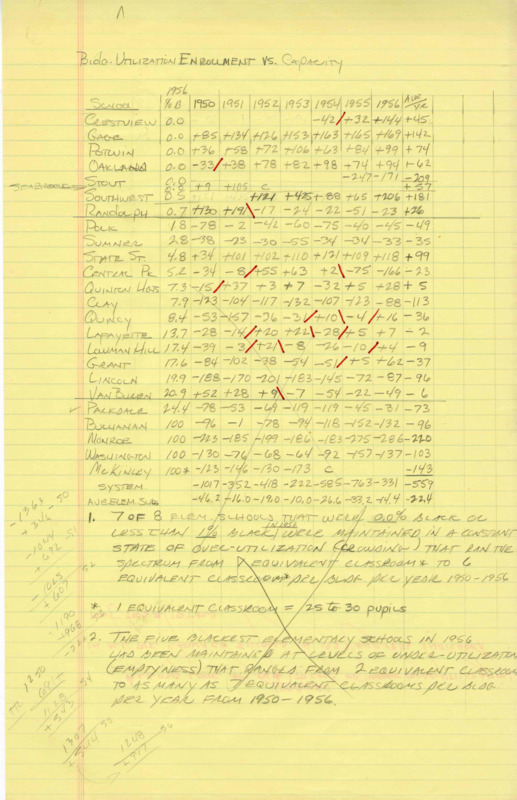
Case Data and Exhibits for Brown III, a relitigation of Brown v. Topeka Board of Education (1954) that corrected resegregation issues caused by open enrollment school choice in 1992. Spreadsheets and notes by William Lamson analyzing building construction and utilization by Topeka Public Schools including enrollment vs. capacity numbers and more.
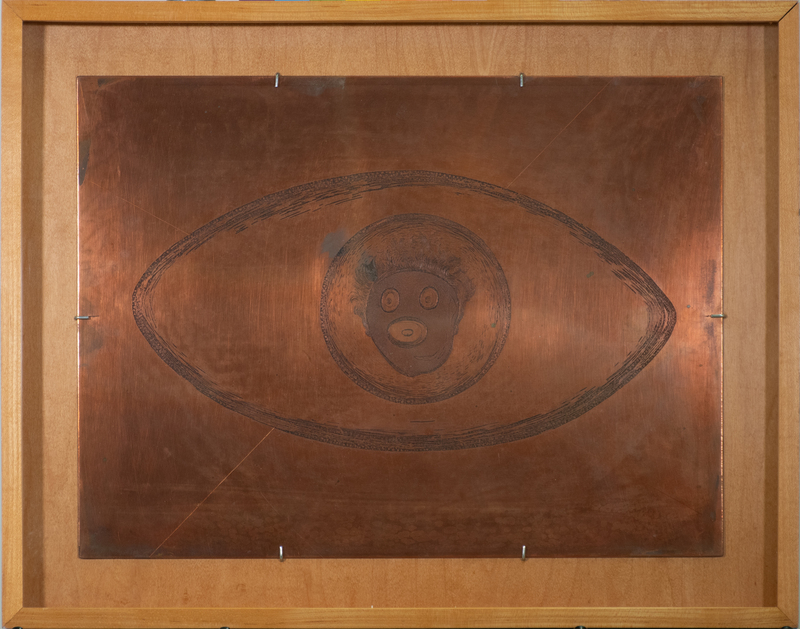
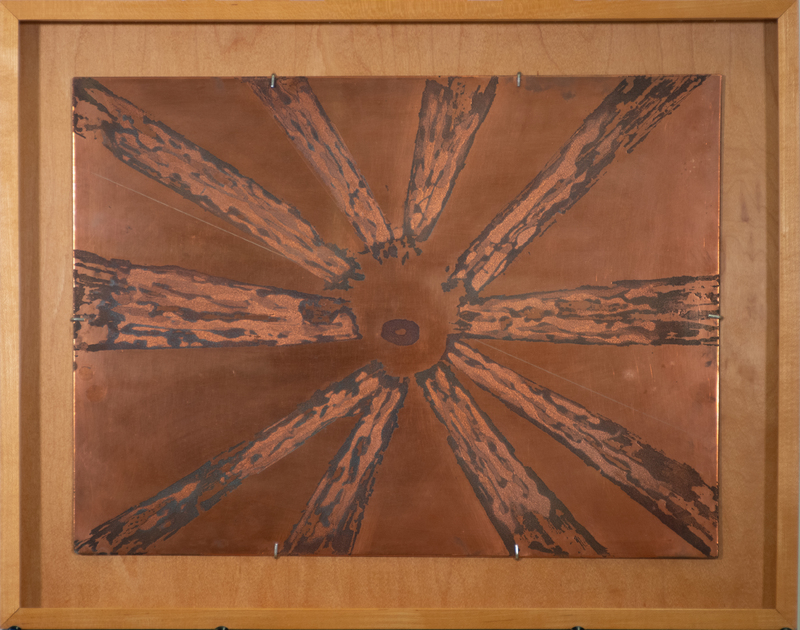
This is a copper etching plate for one layer of Long’s Post Rome, an eye with a man’s face at its center. This is a frequently used motif in Long’s artwork, across many different mediums. In the print, vertical and diagonal rays and bars draw attention towards the eye. Long’s print was created during his 1990 Prix de Rome fellowship.
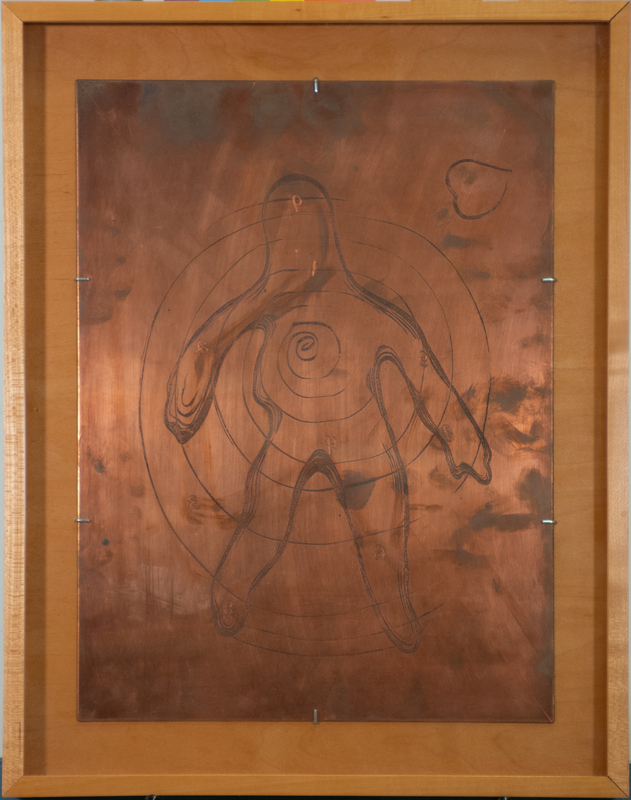
This is a copper etching plate for Long’s piece Roma, which was created during his 1990-91 Prix de Rome fellowship. Featuring one layer of the print, a blobby figure, the full composition is somewhat reminiscent of Da Vinci’s Vitruvian Man. Long rose to prominence as an “outsider artist” without formal training, later becoming one of the co-founders of Project Row Houses.
This is a zinc etching plate for one layer of Long’s Post Rome, lips with diagonal rays around them. In the full print, the center of the design is a large, oval-shaped eye. This is a frequently used motif in Long’s artwork, across many different mediums. Vertical and diagonal rays and bars draw attention towards the eye, which features a man’s face where the pupil would be. Long’s print was created during his 1990 Prix de Rome fellowship.
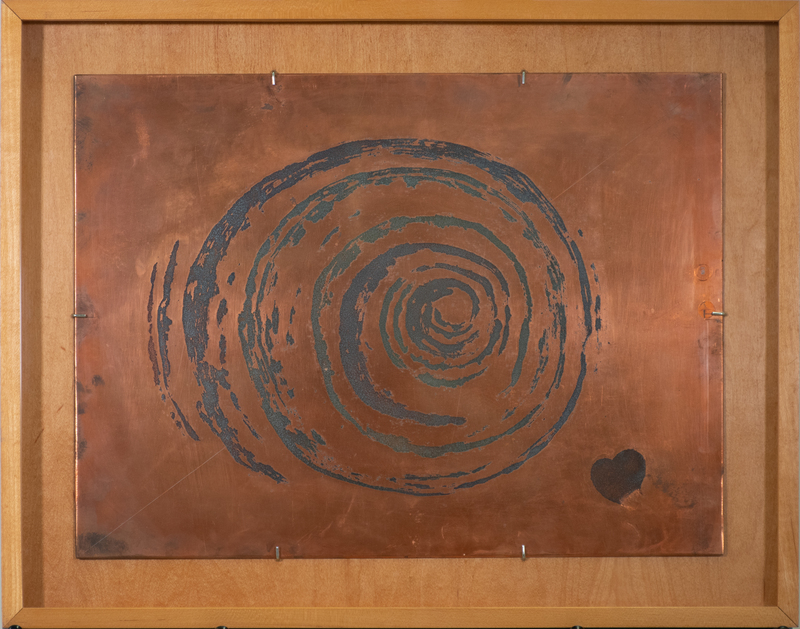
This is a copper etching plate for Long’s piece Roma, which was created during his 1990-91 Prix de Rome fellowship. Featuring one layer of the print, a series of swirls and a heart, the full composition is somewhat reminiscent of Da Vinci’s Vitruvian Man. Long rose to prominence as an “outsider artist” without formal training, later becoming one of the co-founders of Project Row Houses.
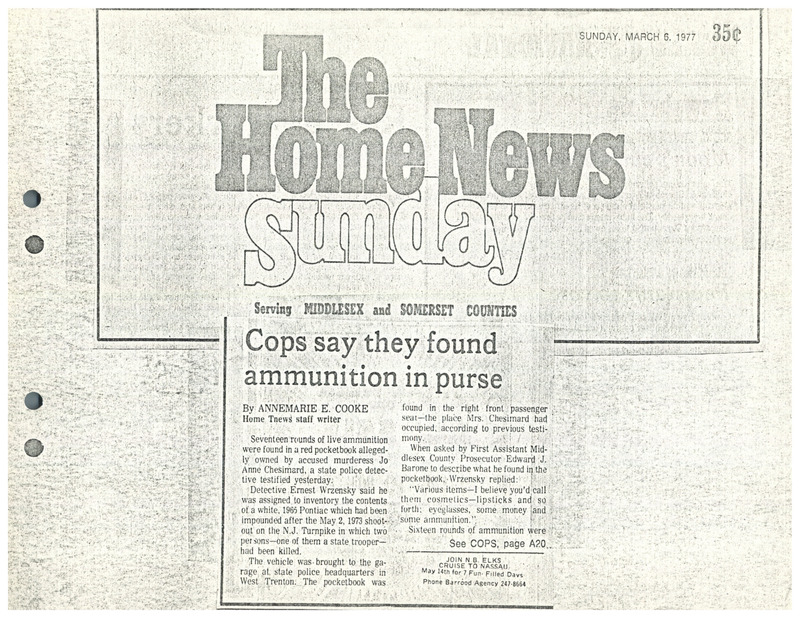
A newspaper article from The Home News about ammunition found in a purse and suitcase found in the car driven by Clark Squire and occupied by Assata Shakur (JoAnne Chesimard). Shakur was on trial for the 1973 killing of a state trooper and Squire had previously been convicted of the crime in a separate trial.
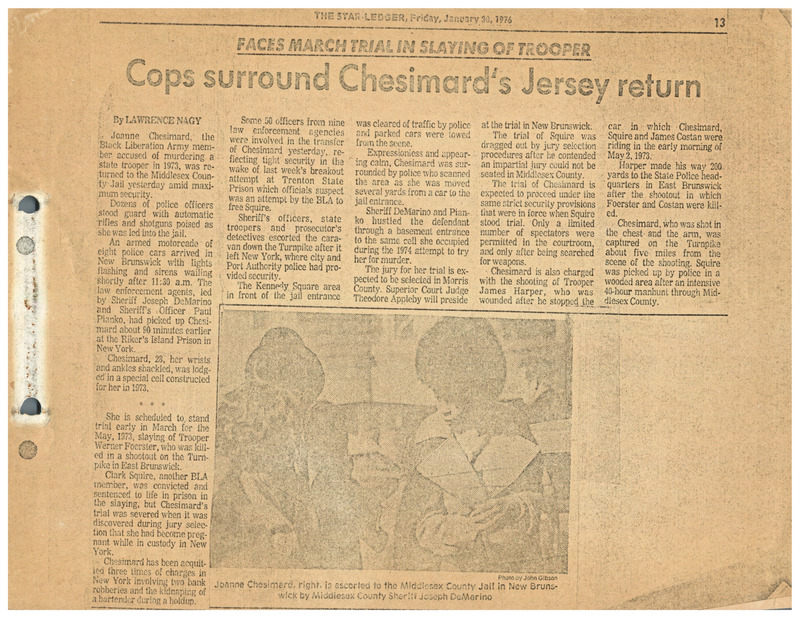
A newspaper article from The Star Ledger about Assata Shakur's (JoAnne Chesimard) return to the Middlesex County Jail from Rikers Island Prison to stand trial for the May 1973 killing of a state trooper. Shakur was convicted in 1977 of killing the state trooper during a shootout, escaped prison in 1979, and is still wanted by the FBI.
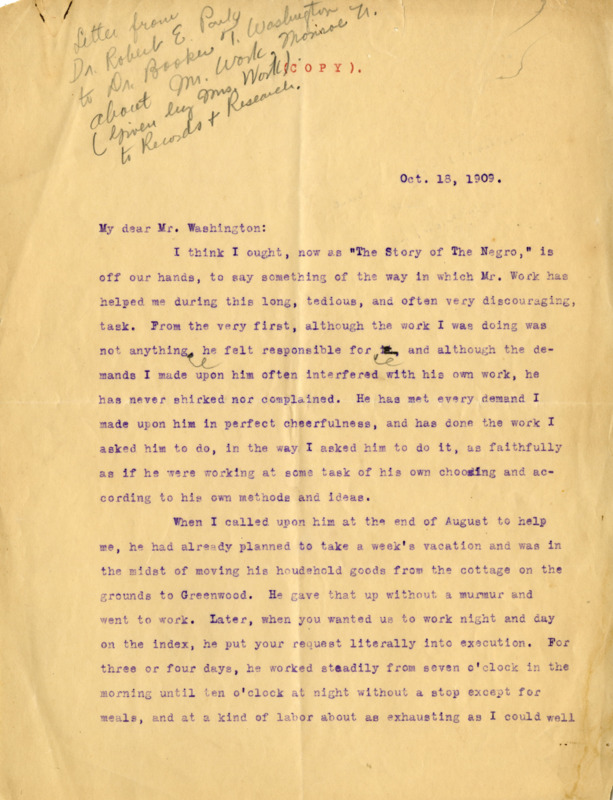
Two-page unsigned letter to Booker T. Washington about Monroe N. Work's help to Robert E. Park during his work on "The Story of the Negro." Park writes about Work's cheerfulness, work ethic, and willingness to help. The letter also mentions a Mr. Scott, Mr. Wood, and Miss Sewall.
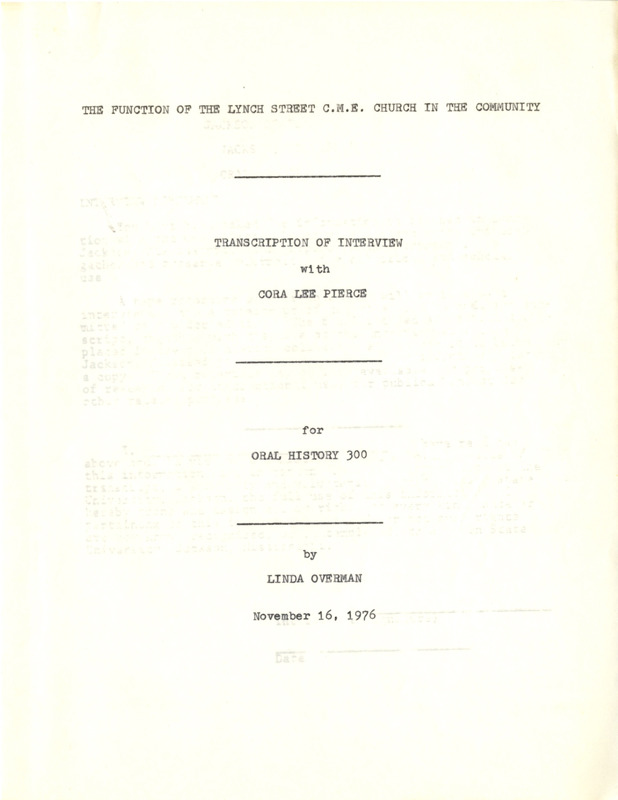
Cora Lee was a native of Bentonia, Mississippi, and lived in Jackson for 49 years. The purpose of the interview was to learn about the function of the Lynch Street C.M.E. Church in the community. Ms. Lee talks about being a member of the church since 1927 and active at the church through its history. The transcript is edited with handwritten notes.
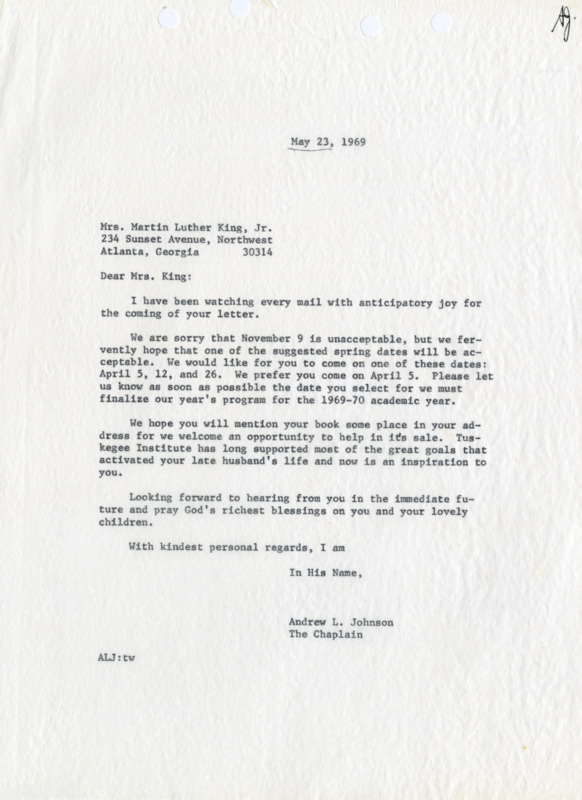
A letter from Chaplain Johnson to Coretta Scott King understanding that she will be unable to preach on 11/09/69. Chaplain Johnson provides three other dates in the Spring of 1970 to see if she can preach on the days of April 5th,12th, or 26th.
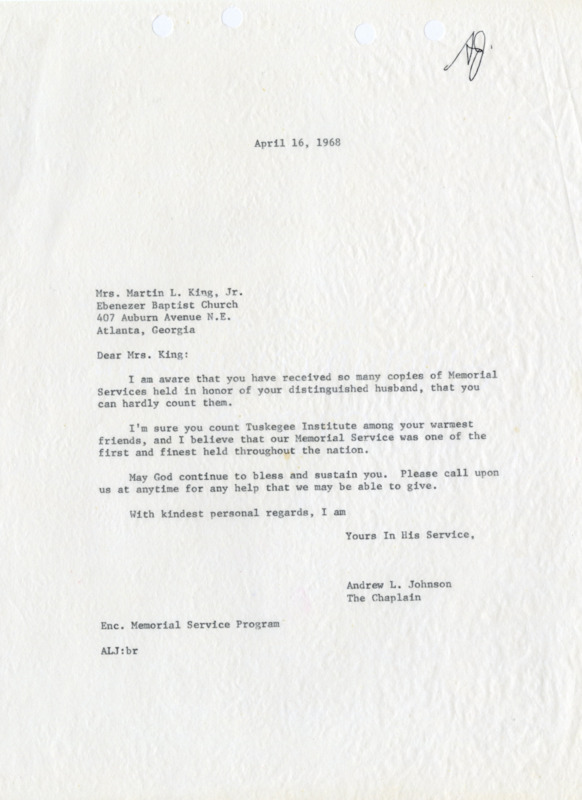
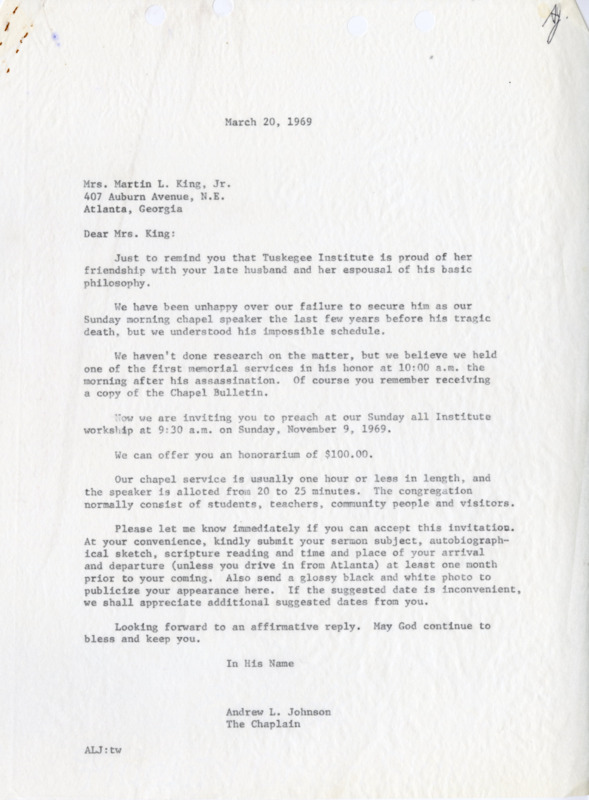
A letter from Chaplain Johnson to Coretta Scott King on onion paper. Chaplain Johnson explains how Tuskegee was one of the first institutions to hold a memorial for the slain Dr. Martin Luther King Jr. Lastly, He is inviting Coretta Scott King inviting her to preach a sermon on 11/09/1969 at Tuskegee.
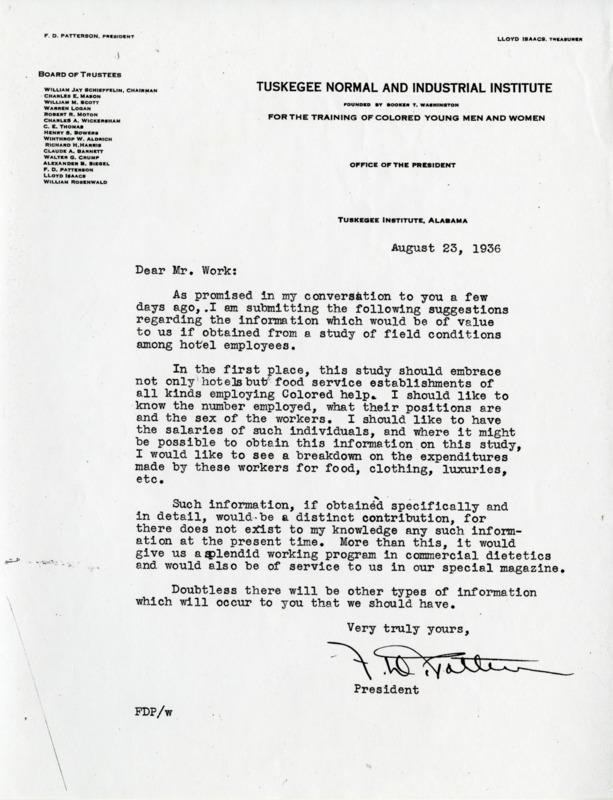
Correspondence regarding a "Study of the Trends and Tendencies in the Occupation of Negroes in the United States" by the Personnel Bureau at Tuskegee. Correspondence also refers to the Department of Labor's "National Works Project for Negro White Collar Workers."
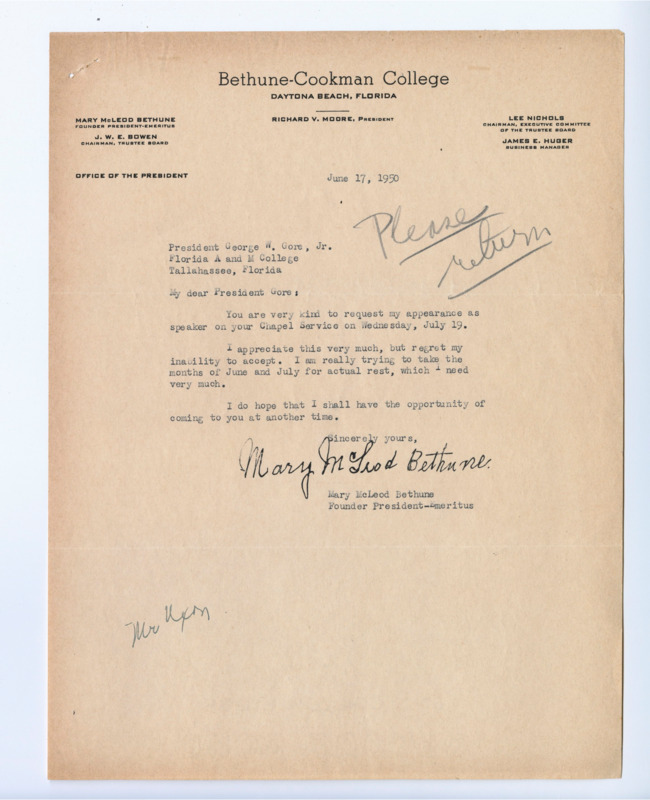
President Gore made several attempts to bring Dr. Mary McLeod Bethune to Florida A&M College as a guest speaker for pivotal events such as homecoming and commencement. His invitations were a testament to his high regard for her, knowing her words would inspire and uplift the FAMC community.