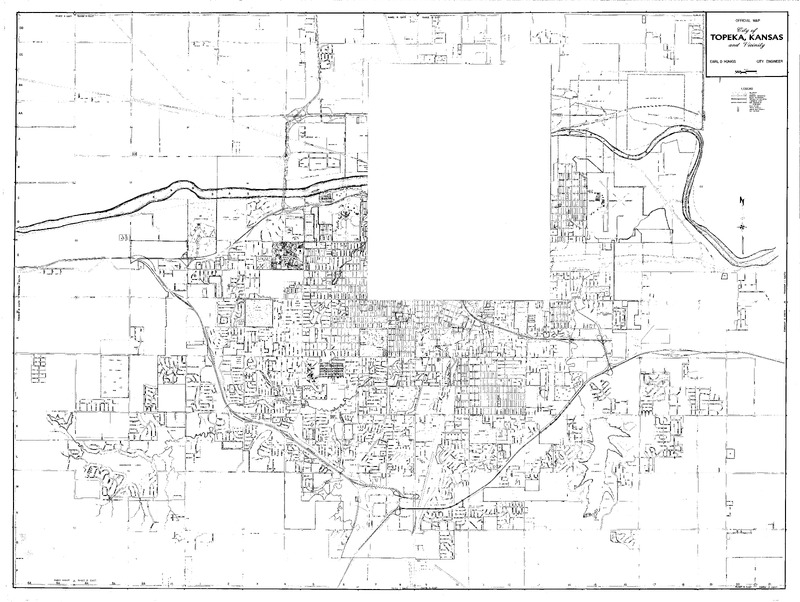
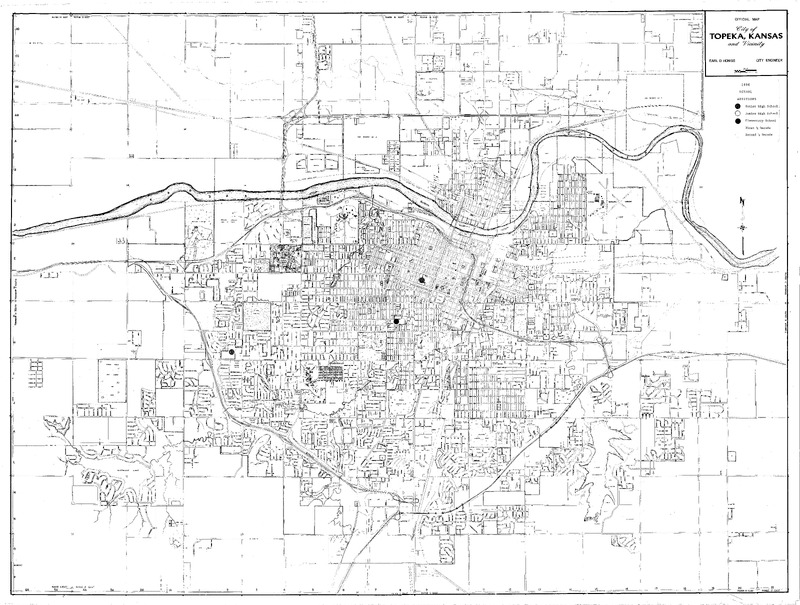
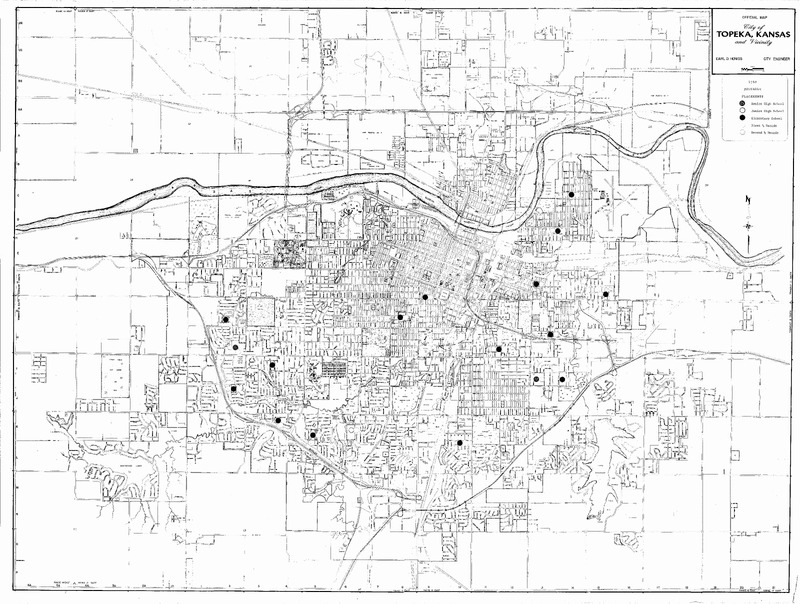
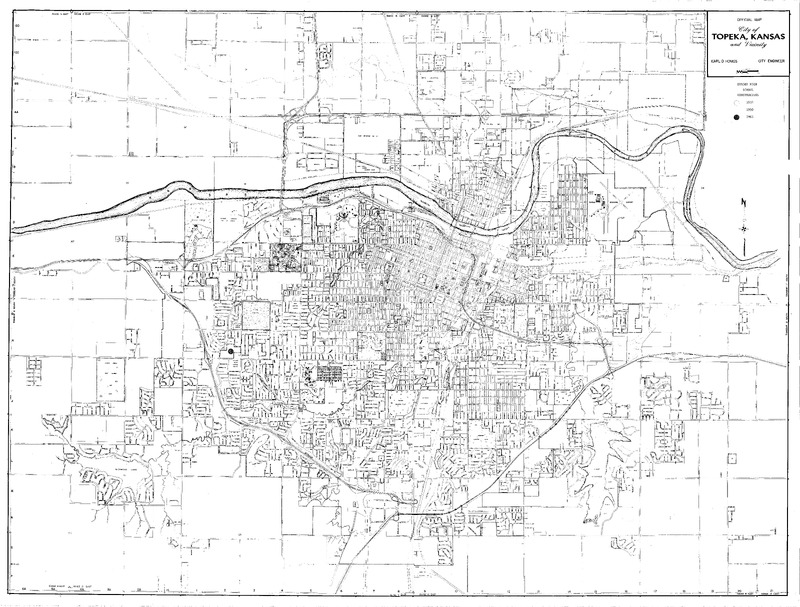
Case Data and Exhibits for Brown III, a relitigation of Brown v. Topeka Board of Education (1954) that corrected resegregation issues caused by open enrollment school choice in 1992. Raw copy of Topeka city map with no additions. Unknown date. Section cut out in the middle-right portion of the map.
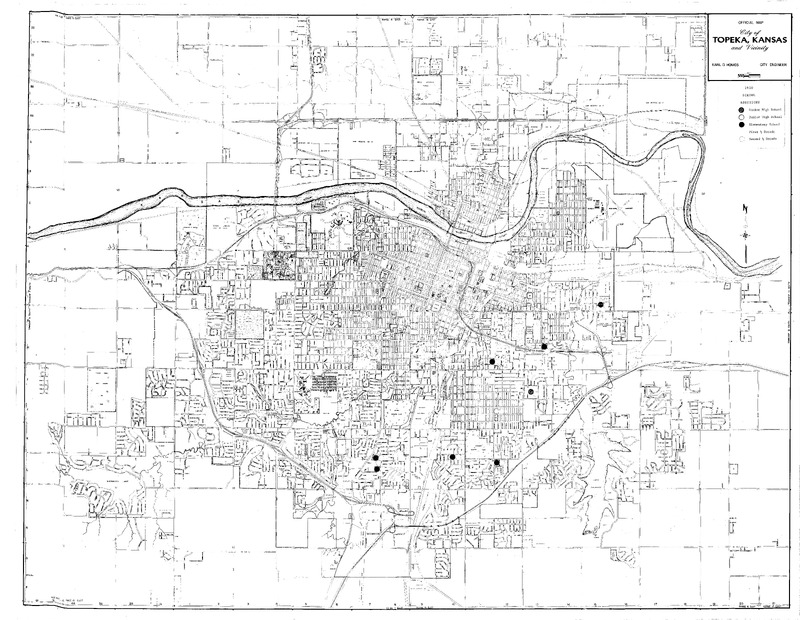
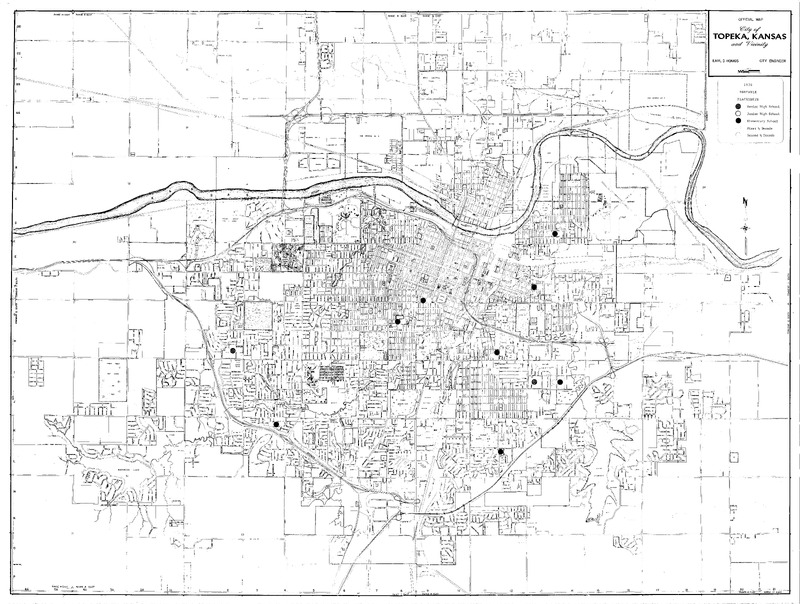
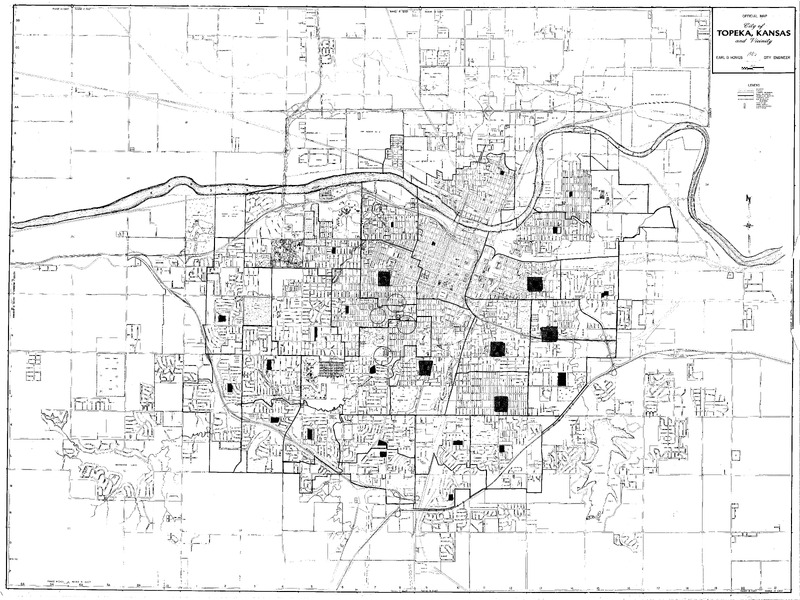
Case Data and Exhibits for Brown III, a relitigation of Brown v. Topeka Board of Education (1954) that corrected resegregation issues caused by open enrollment school choice in 1992. Stickers added to map by William Lamson to mark high school, junior high school, and elementary school additions in 1950.
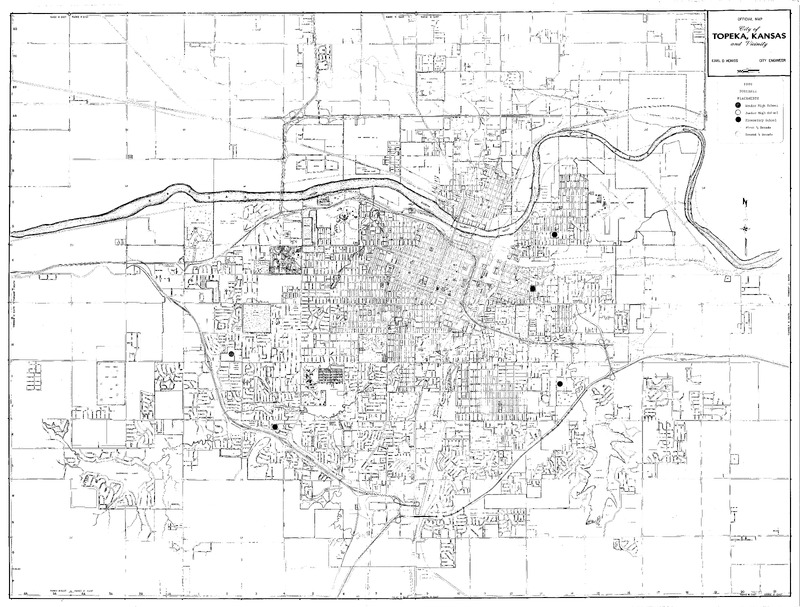
Case Data and Exhibits for Brown III, a relitigation of Brown v. Topeka Board of Education (1954) that corrected resegregation issues caused by open enrollment school choice in 1992. Stickers added to map by William Lamson to mark high school, junior high school, and elementary school additions in 1960.
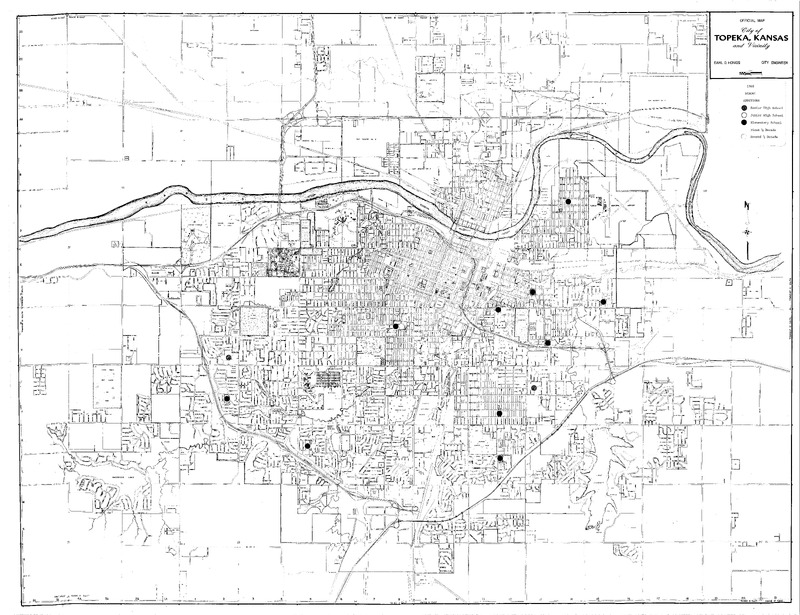
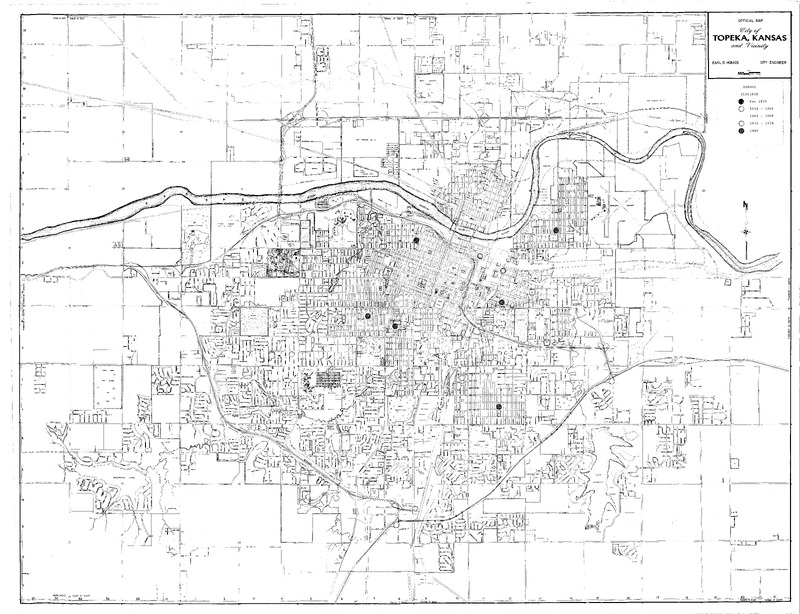
Case Data and Exhibits for Brown III, a relitigation of Brown v. Topeka Board of Education (1954) that corrected resegregation issues caused by open enrollment school choice in 1992. Stickers added to map by William Lamson to mark high school, junior high school, and elementary school additions in 1970.
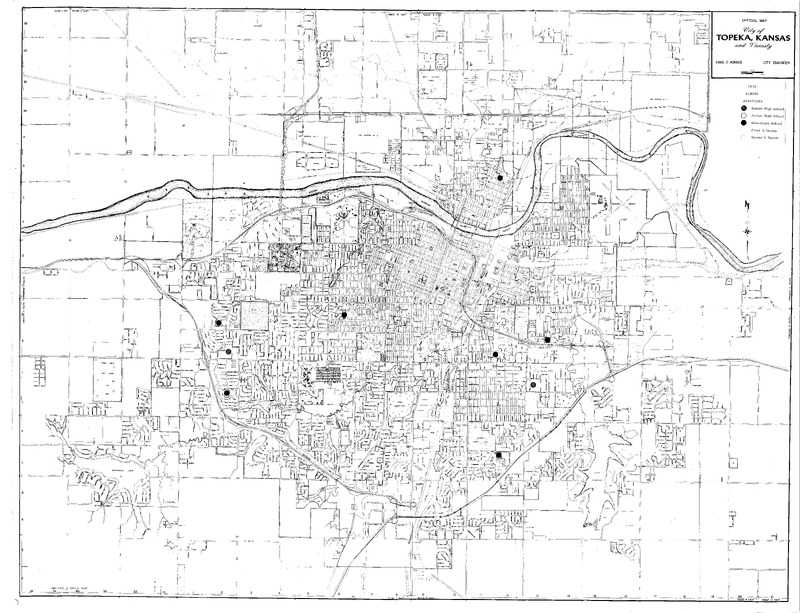
Case Data and Exhibits for Brown III, a relitigation of Brown v. Topeka Board of Education (1954) that corrected resegregation issues caused by open enrollment school choice in 1992. Stickers added to map by William Lamson to mark high school, junior high school, and elementary school additions in 1980.
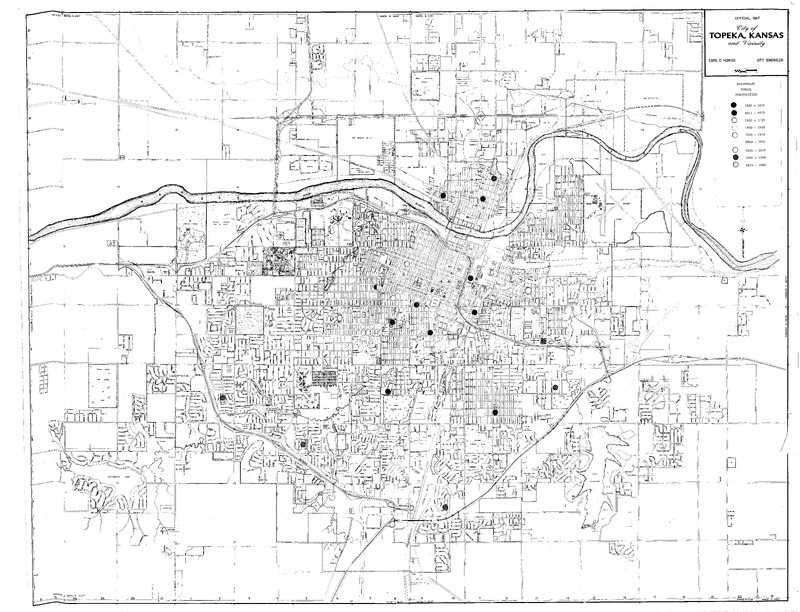
Case Data and Exhibits for Brown III, a relitigation of Brown v. Topeka Board of Education (1954) that corrected resegregation issues caused by open enrollment school choice in 1992. Stickers added to the map by William Lamson to mark elementary school construction in five and ten year increments between 1880 and 1992.
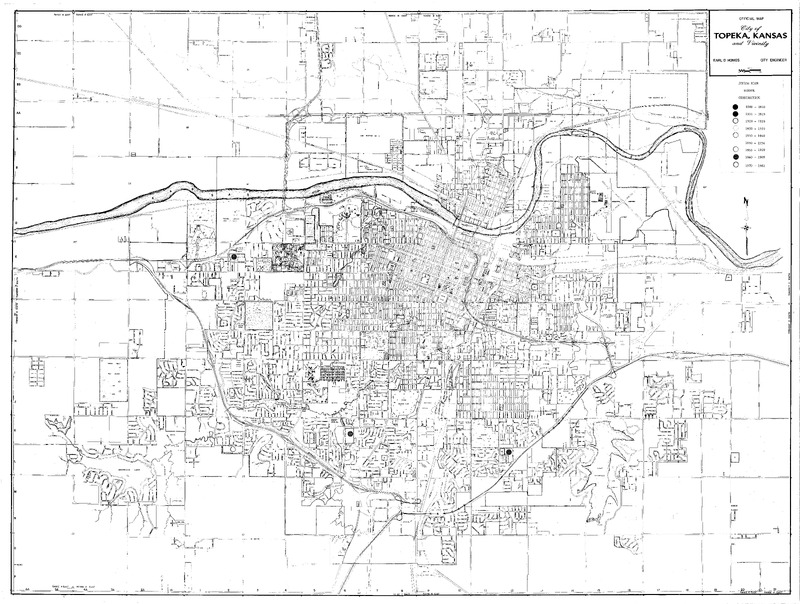
Case Data and Exhibits for Brown III, a relitigation of Brown v. Topeka Board of Education (1954) that corrected resegregation issues caused by open enrollment school choice in 1992. Stickers added to the map by William Lamson to mark junior high school construction in five and ten year increments between 1880 and 1992.
Case Data and Exhibits for Brown III, a relitigation of Brown v. Topeka Board of Education (1954) that corrected resegregation issues caused by open enrollment school choice in 1992. Stickers added to the map by William Lamson to mark portable building placements at schools in 1950.
Case Data and Exhibits for Brown III, a relitigation of Brown v. Topeka Board of Education (1954) that corrected resegregation issues caused by open enrollment school choice in 1992. Stickers added to the map by William Lamson to mark portable building placements at schools in 1960.
Case Data and Exhibits for Brown III, a relitigation of Brown v. Topeka Board of Education (1954) that corrected resegregation issues caused by open enrollment school choice in 1992. Stickers added to the map by William Lamson to mark portable building placements at schools in 1970.
Case Data and Exhibits for Brown III, a relitigation of Brown v. Topeka Board of Education (1954) that corrected resegregation issues caused by open enrollment school choice in 1992. Stickers added to the map by William Lamson to mark portable building placements at schools in 1980.
Case Data and Exhibits for Brown III, a relitigation of Brown v. Topeka Board of Education (1954) that corrected resegregation issues caused by open enrollment school choice in 1992. Stickers added to the map by William Lamson to mark school closings in pre-1950, 1950-1959, 1960-1969, 1970-1979, and 1980.
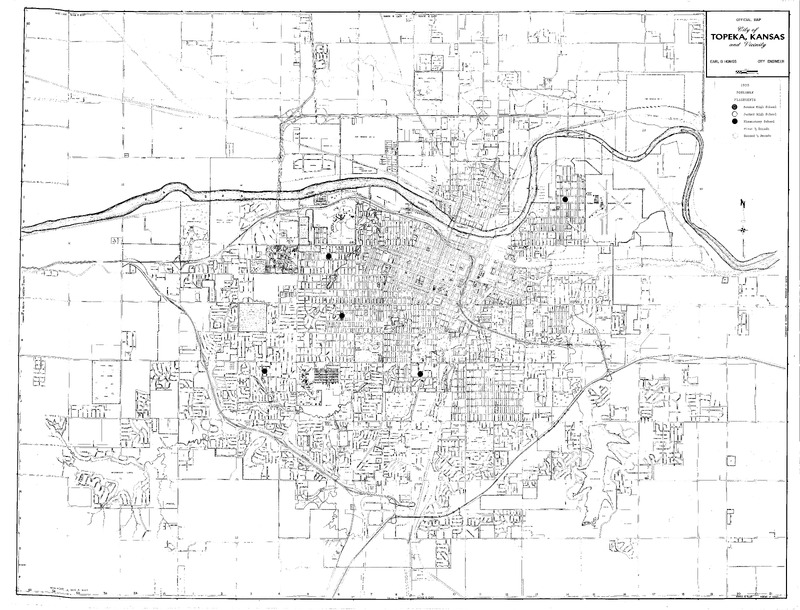
Case Data and Exhibits for Brown III, a relitigation of Brown v. Topeka Board of Education (1954) that corrected resegregation issues caused by open enrollment school choice in 1992. Stickers added to the map by William Lamson to mark senior high school construction in 1931, 1950, and 1961.
Case Data and Exhibits for Brown III, a relitigation of Brown v. Topeka Board of Education (1954) that corrected resegregation issues caused by open enrollment school choice in 1992. The map depicts the city of Topeka in 1980 and includes hand drawn markers from William Lamson marking several parts of neighborhoods in the county.
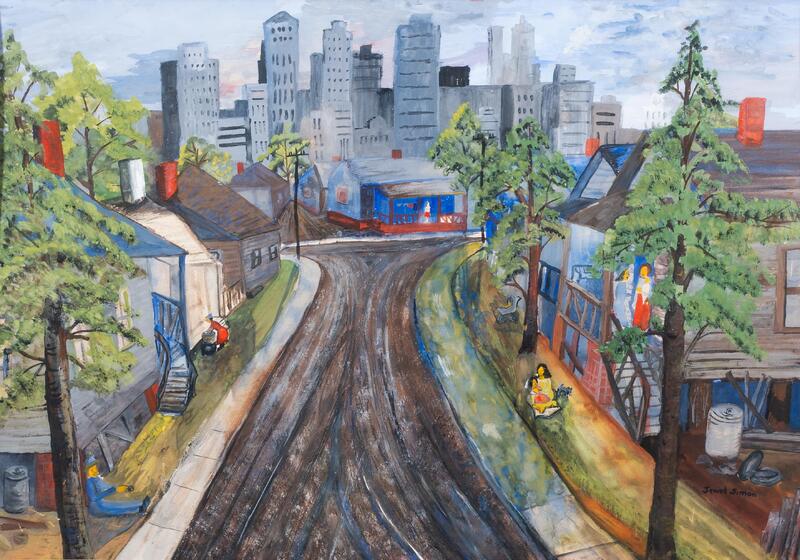
Jewell Woodard Simon was an internationally acclaimed artist, teacher, and poet from Houston, TX. "City Slums" depicts an elevated view of an urban landscape. In the middle ground is a residential area with a skyline in the background. Several people are outside in the neighborhood, including a mother and child and a woman washing clothes.
A series of letters from the General Attorney's Office to Rosewood families detailing the steps required to claim rightful compensation. Spanning three pages, they include family-specific details, instructions for verifying eligibility, and directions for submitting claims to the Civil Rights Office via designated mailing addresses.
Clarence Hall Jr. was a board member for the initial Head Start programs in Sharkey and Issaquena Counties (Mississippi) in 1965. He talks about joining the Army and being in England for 3 years during World War II. He says that the treatment he experienced with racism after coming home led to his work in the community and with Head Start.
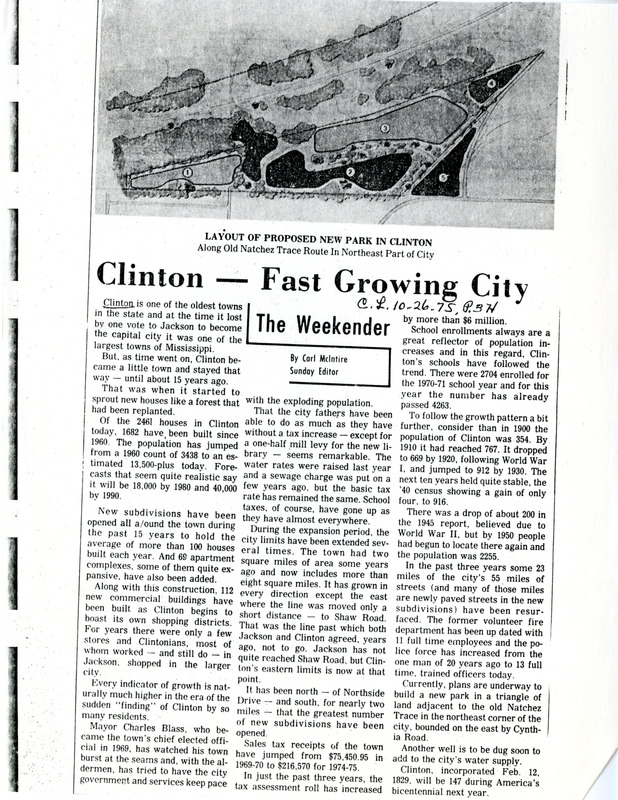
A newspaper article from the Clarion Ledger (Jackson, Mississippi) providing historical context to the Clinton Project Oral History Collection. The article is about the growth of population and homebuilding in Clinton, Mississippi, since 1960.
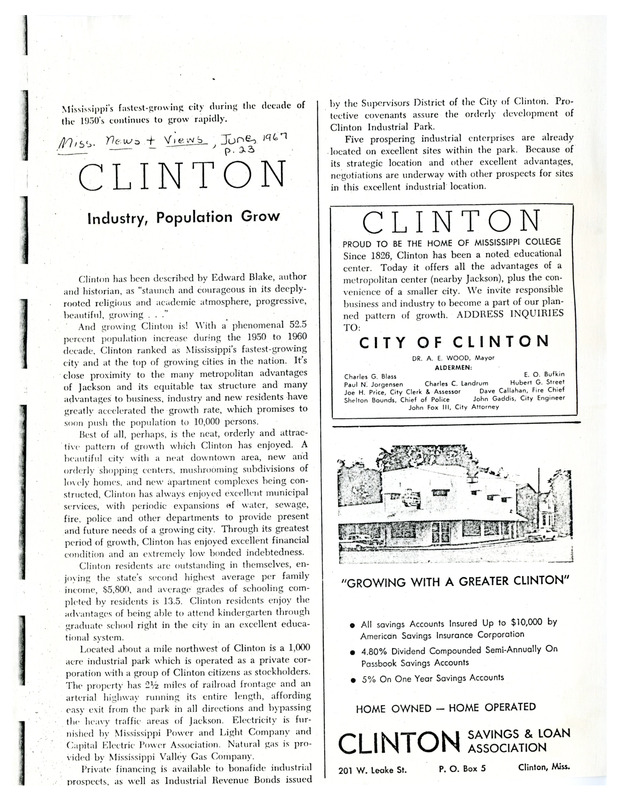
A newspaper article from Mississippi News and Views providing historical context to the Clinton Project Oral History Collection. The article includes statistics on the growth of population and industry in Clinton, Mississippi, as well as construction and enrollment increases at Mississippi College.
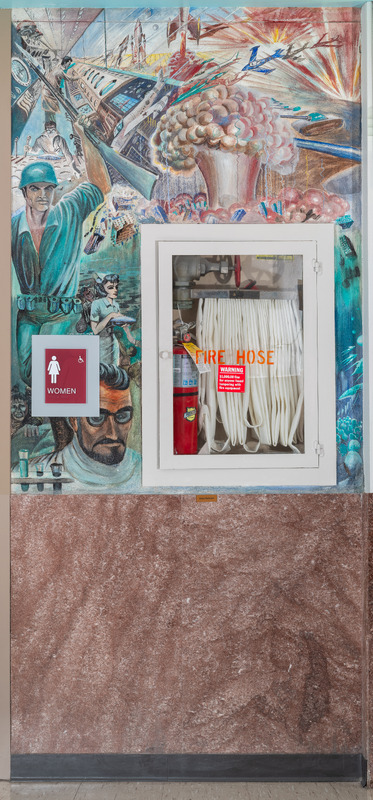
Portraying the brutality of war in the mid-twentieth century, McCowan, a veteran, integrates the wall’s architectural elements (a fire hose and extinguisher) to highlight the tension of the scene. The mushroom cloud above the fire hose highlights Cold War-era anxieties.
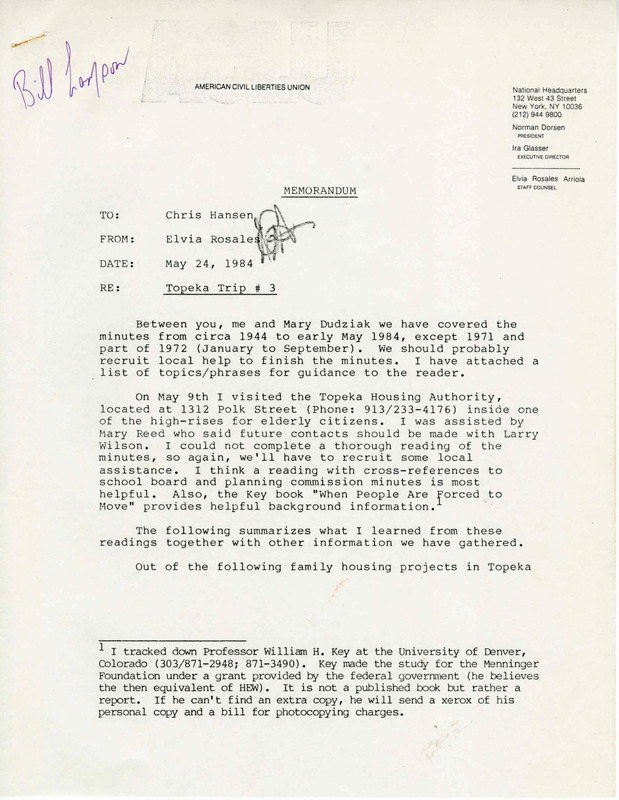
Case Data and Exhibits for Brown III, a relitigation of Brown v. Topeka Board of Education (1954) that corrected resegregation issues caused by open enrollment school choice in 1992. A 1984 ACLU memo titled "Topeka Trip #3” about the racial makeup of different Topeka communities. Annexation data, map legend, and notes by William Lamson.
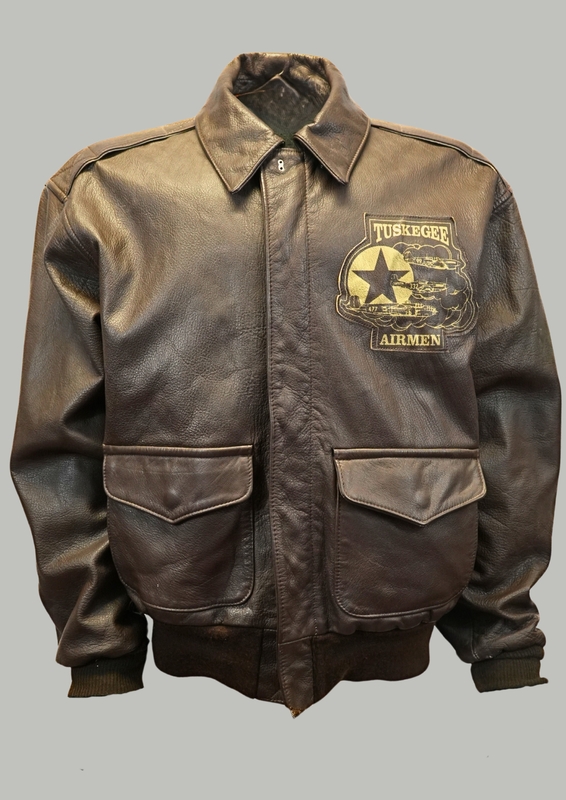
The Tuskegee Airman Cockpit USA jacket, crafted in 1987, honors the legendary African American pilots who served during World War II. This leather bomber jacket features insignias and patches reflecting the legacy of the Tuskegee Airmen. Donated by former Tuskegee airman and FAMU alumnus Major Roy Spencer.
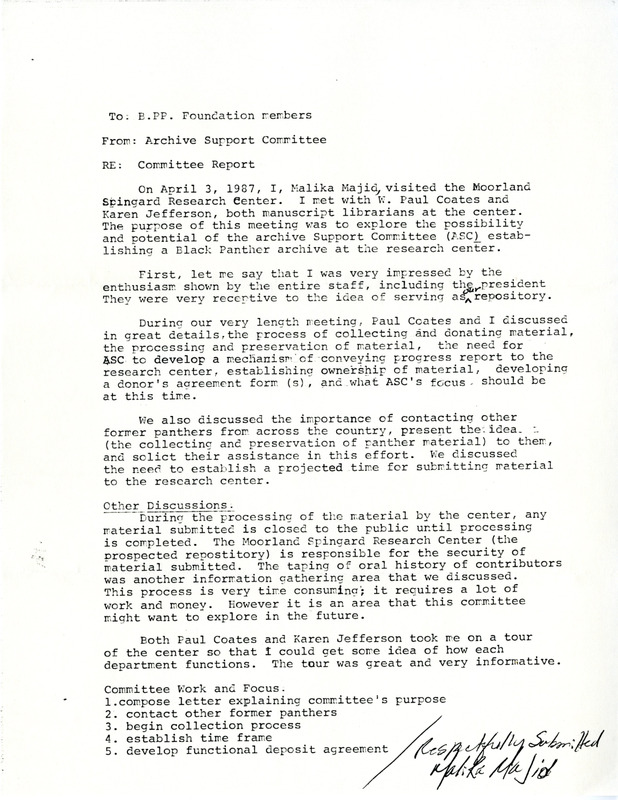
A committee report from Frankye Adams-Johnson (Malika) of the Archive Support Committee to the members of the Black Panther Party Foundation.The report gives details about her visit to the Moorland Spingarn Research Center on April 3, 1987. She met with the manuscript librarians there about the possibility of establishing a Black Panther Archive.
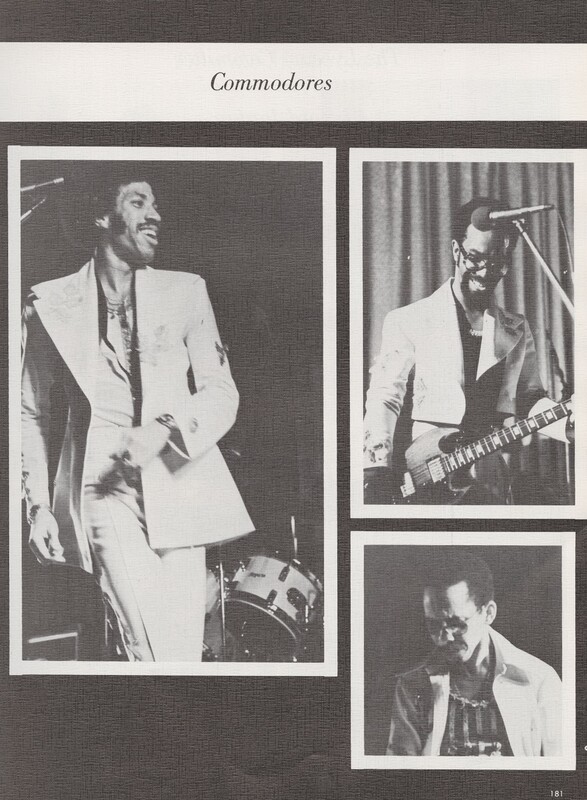
The Commodores were a popular band that peaked during the late 1970s and early 1980s due to co-lead singer Lionel Richie, who later became a solo artist. The group visited the illustrious Florida A&M University for a performance in 1975.
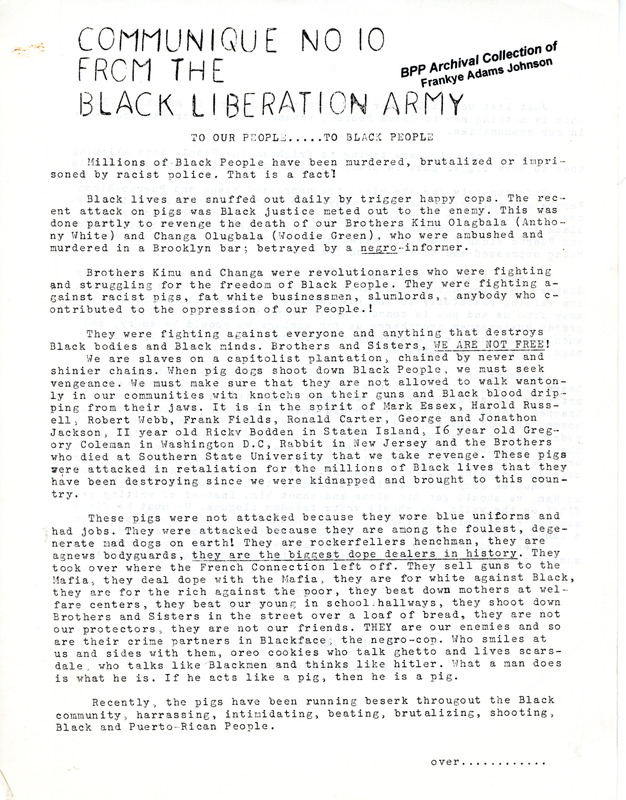
A memo from the Black Liberation Army (BLA) explaining recent killings of cops and outlining ways the people can fight back against different oppressors. The author writes that police officers are capitalist’s henchmen and gives examples and names of people in the Black community who have been murdered by the police.
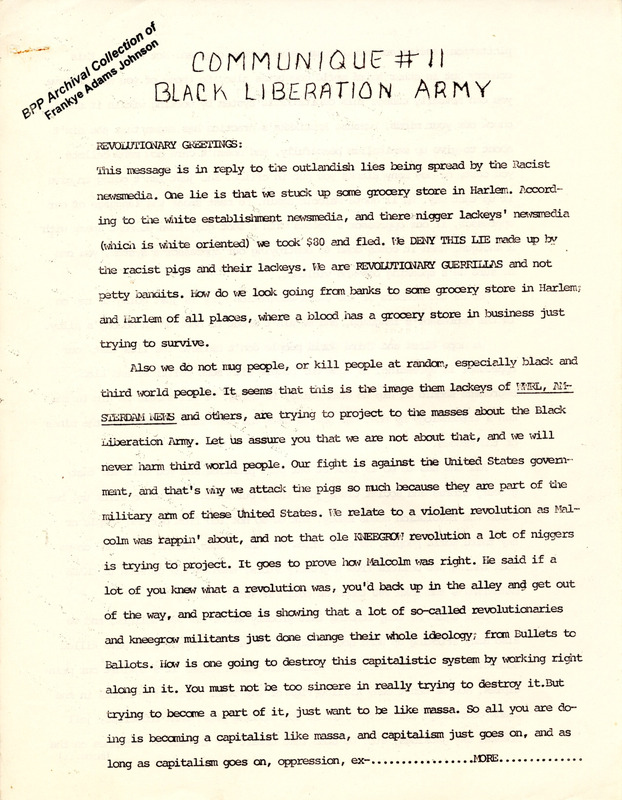
A memo from the Black Liberation Army (BLA) countering lies spread by the media about BLA committing crimes like robbing a grocery store in Harlem for $80 and randomly murdering people. The author writes that the BLA are revolutionary guerillas, not criminals and lists some of the things they take credit for: killing police, robbing banks, etc.
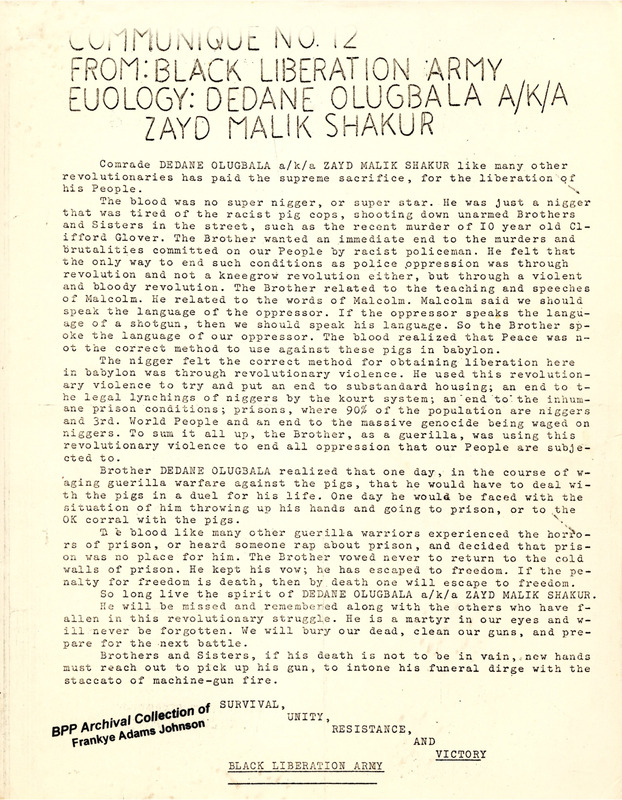
A memo from the Ungamana Tribe of the Black Liberation Army (BLA) eulogizing Dedane Olugbala a/k/a Zayd Malik Shakur, a BLA member who was killed by the police on May 2, 1973. He was minister of information of the New York Black Panther Party. The memo states that the time has come for retaliation against racist police violence.