Samuel L. Gandy highlighted the role of faith in transforming society rather than being shaped by it, citing historical figures like Mahatma Gandhi and Dr. Martin Luther King Jr. as examples.
Charles S. Spivey, Jr. emphasized the significance of inner strength and spiritual anchorage, drawing parallels between Jesus' temptation in the wilderness and everyday struggles.
The vintage can of Black Eyed Peas features an illustration of an old Black man, embodying the racial stereotypes of the era. His depiction reflects the nostalgia and simplicity often associated with Southern cuisine. This artifact serves as a lens through which to examine the portrayal of African Americans in marketing.
Harry V. Richardson emphasized gratitude and dependence, highlighting the importance of expressing thanks to those who support us, particularly parents. The sermon also discussed the dual nature of dependence, where individuals are both dependent on others and are depended upon by them.
The iron "Whites Only" swimming pool sign from Selma, Alabama, dating back to 1931, starkly illustrates the era's racial segregation and discrimination. This historical artifact symbolizes the oppressive Jim Crow laws that enforced racial barriers in public spaces.
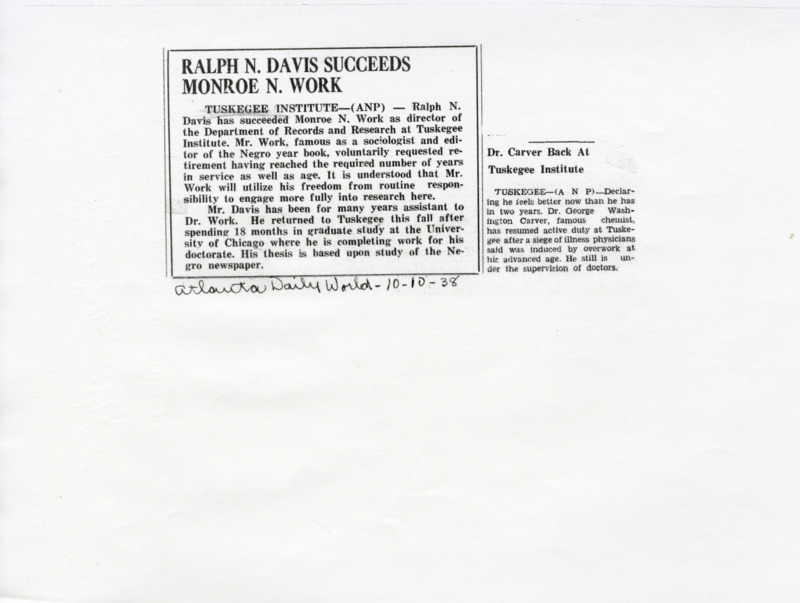
A newspaper article announces Ralph N. Davis as the new director of Tuskegee University's Department of Records and Research. The article highlights his extensive experience as an assistant to Monroe N. Work and notes that he is currently completing his graduate degree at the University of Chicago.
Benjamin E. Mays emphasized the humility and wisdom taught by Jeremiah, urging the congregation not to boast in their wisdom, wealth, or strength but to seek loving kindness, justice, and righteousness.
Henry J.C. Bowden emphasized the need for complete commitment to God, likening spiritual renewal to urban renewal, which requires a comprehensive overhaul.
Dr. John Hope Franklin’s speech at Tuskegee Institute underscored the importance of historical context in addressing present issues, critiquing oversimplified narratives and highlighting a growing shift toward objective scholarship that reexamines Southern history and fosters interracial academic respect.
Donated by former university President Elmira Mangum, Rudy the Rattler was a taxidermy-coiled rattlesnake that served as the Florida A&M mascot. A small sculpture, the taxidermy process involves preserving the animal’s body using various techniques to maintain its lifelike appearance and mounting it for display.
Andrew L. Johnson emphasized the importance of faith, education, and service, urging the community to participate fully in the upcoming religious enrichment week.
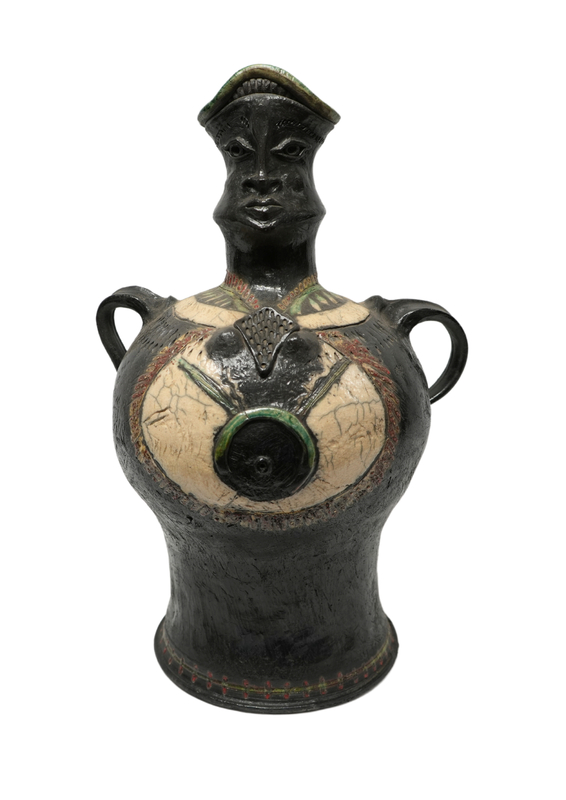
This rare pot is an original work of Yvonne and Curtis Tucker, a ceramic artist duo who developed a new art form, Afro-Raku. Their collaboration spanned 26 years and focused on honoring the past and the Black diaspora through West African spirituality. This pot, “Sunday Sister,” was meant to identify women as a classical, beautiful vessel.
Ned R. Graves’s sermon called for gratitude, attentive listening to God, and a shift from materialism to spiritual depth, urging individuals—especially youth—to embrace God’s enduring love, moral truth, and a renewed commitment to personal and collective spiritual growth.
Vinton Randolph emphasized how prayer is not just a habit but a powerful tool for strength and understanding when addressing God as "Father" and seeking daily necessities and spiritual sustenance.
Samuel L. Gandy centers on prayers and calls worshippers to measure themselves by God’s standards, contrasting judgmental religion with the renewing grace of Christianity and affirming Christ as the true source of acceptance, transformation, and guidance in doing God’s will.
Andrew L. Johnson expressed gratitude for the new chapel and the privilege of worshiping in a beautiful space, followed by a prayer thanking God’s provision and calling the congregation to follow Jesus as the author and finisher of their faith, to which the assembly responded with a resounding “Amen.”
William D. White emphasized the importance of spiritual transformation and the need to recognize and address personal shortcomings, such as immorality, impurity, and anger, as outlined by Apostle Paul.
Andrew L. Johnson emphasized the importance of recognizing and modernizing the essence of Christmas and not embracing the living God, as exemplified by the sovereignty of God sending His Son at the fullness of time.
Andrew L. Johnson emphasizes the eternal decision to serve God, urges the congregation to renew their commitment daily, and highlights the importance of making God-centered decisions in all aspects of life.
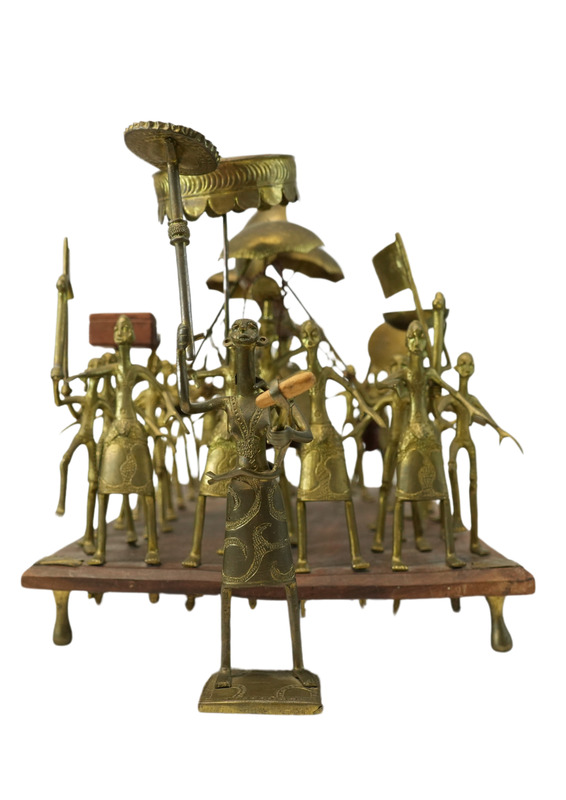
The Kings Procession brass sculpture vividly depicts a ceremonial parade, celebrating the rich traditions and cultural heritage of African royalty. Crafted with intricate detail, it showcases figures adorned in regal attire, emphasizing community and leadership.
Andrew L. Johnson reflects on worship as a practice rooted in giving, gratitude, and integrity, emphasizing that excellence in academic and personal life flows from these values, while affirming that God’s love.
Vernon A. Jones blends prayers and hymns with a sermon that seeks God’s mercy and guidance for the academic community, especially students’ identity and values, and culminates in a message challenging believers to live creatively in a permissive society by integrating theory with practice.
Dr. Charles Gomillion provided a sermon on George Washington Carver Day of Dr. Carver's appealed utterances and how the message was aimed for the Tuskegee citizens.
Thomas D. Parham, Jr. urges spiritual renewal and moral growth, drawing on the healing of the woman in Luke 13 to call the Black community toward constructive leadership and economic empowerment.
Rabbi Lawrence Forman emphasized the need for a philosophy of life and education to navigate societal changes, highlighting the rapid advancement of technology and its ethical implications.
Andrew L. Johnson urges integrating old and new ideas by grounding ideals in history—referencing Dead Sea Scrolls and the Sermon on the Mount—and emphasizing the power of memory and institutions like Oberlin College and Tuskegee Institute.