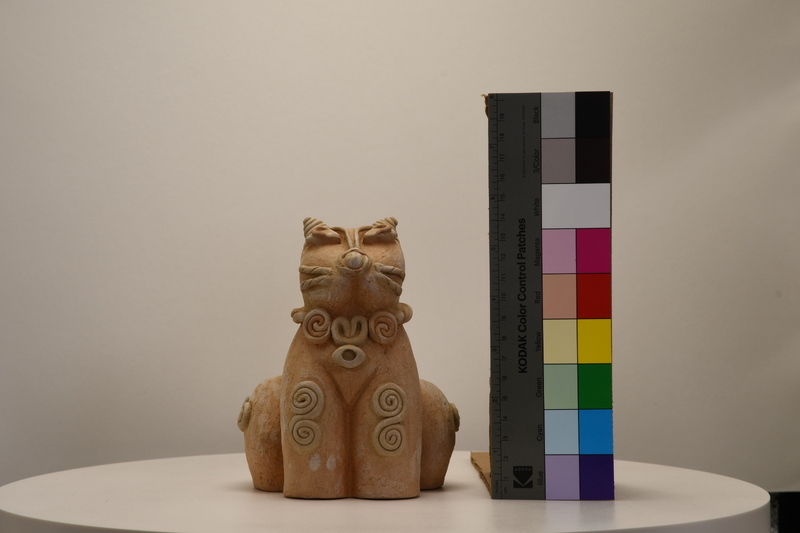
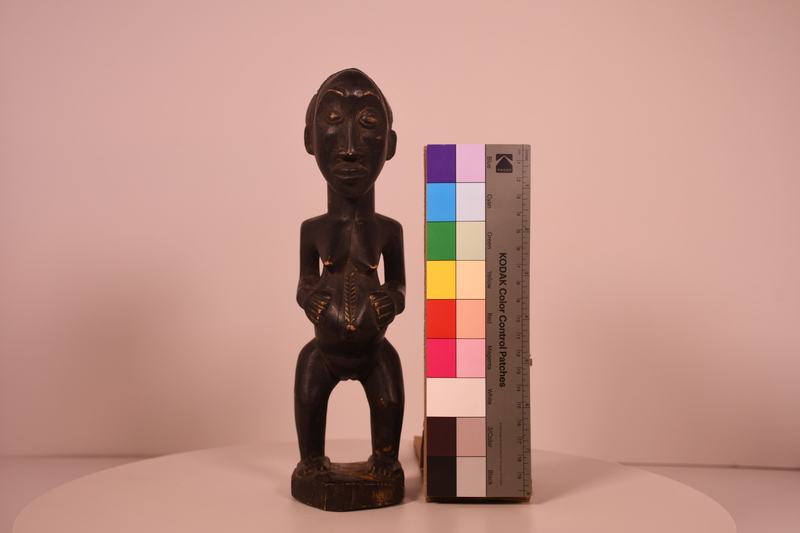
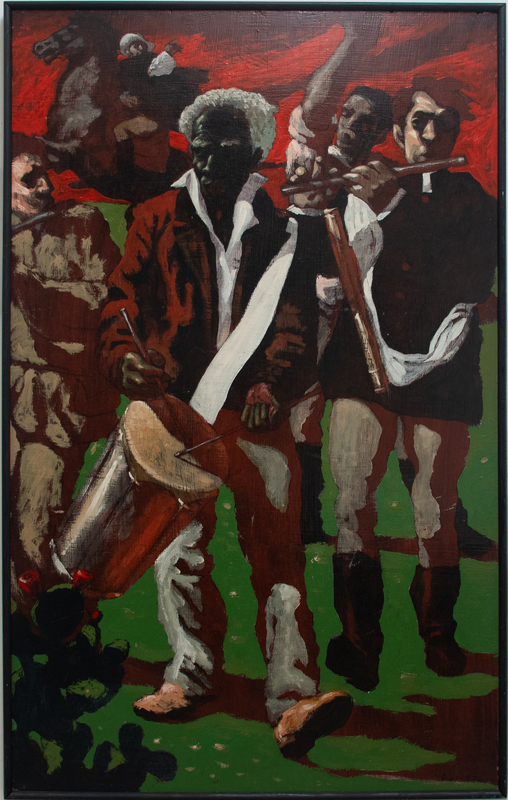
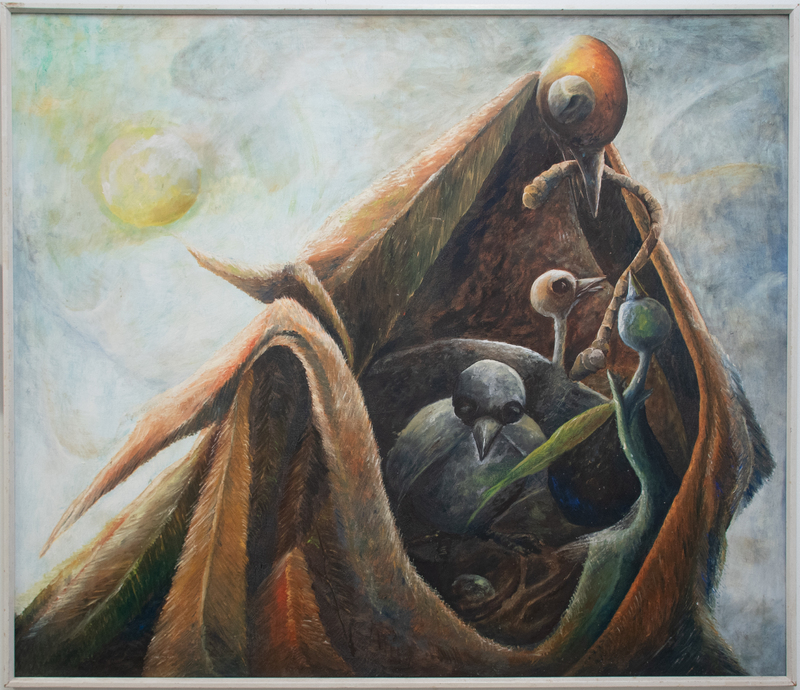
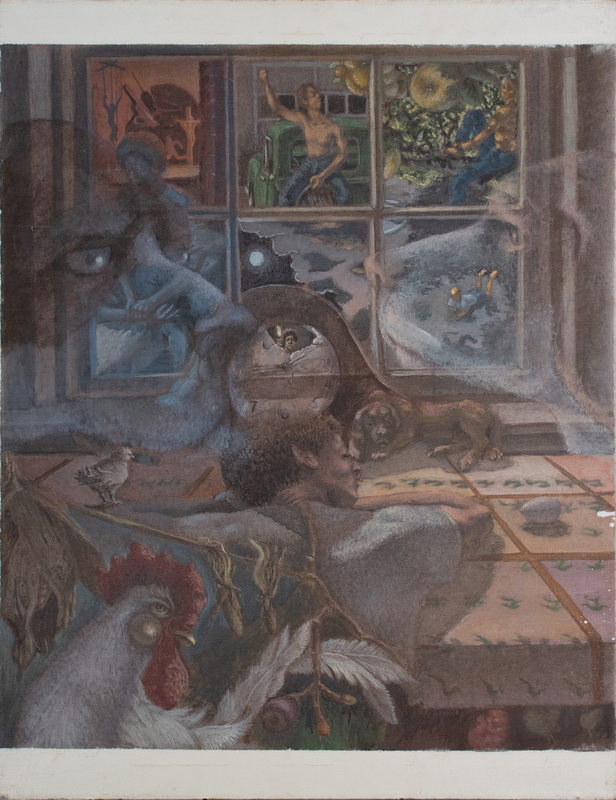
This itemset features terracotta sculptures created by Texas Southern University student artists, specifically maquettes of animal figures. Maquettes are studies or drafts of sculptures, often done at a smaller scale than the final work. These sculptures are part of a larger student terracotta collection, a body of sculptures created by students of Carroll Harris Simms. Inspired by the professor's travels to West Africa, the maquettes, busts, and full-size sculptures feature unique designs and exterior embellishments.
This itemset features 2D artworks related to the mother and child relationship from the University Museum at Texas Southern's collections. They range in medium, including prints, drawings, and paintings.
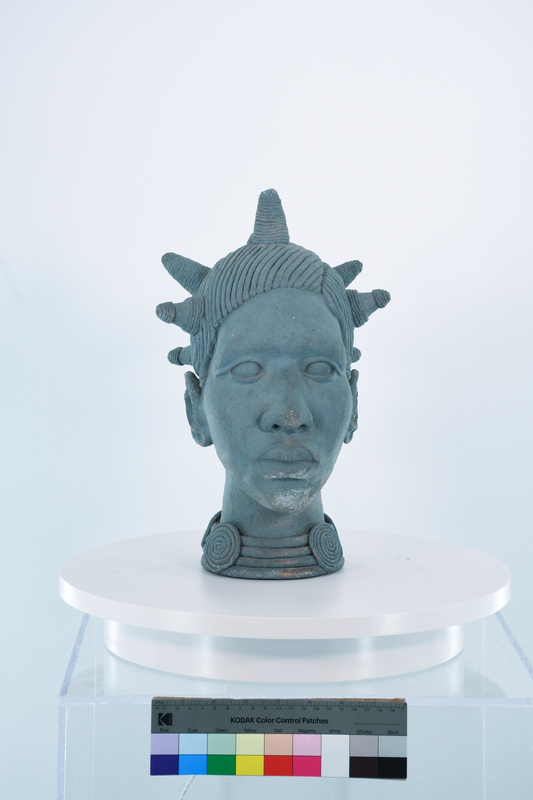
This itemset features terracotta, self-portrait bust sculptures created by Texas Southern University student artists. They often include a decorative crown piece, which is sometimes removable. These sculptures are part of a larger student terracotta collection, a body of sculptures created by students of Carroll Harris Simms. Inspired by the professor's travels to West Africa, the maquettes, busts, and full-size sculptures feature unique designs and exterior embellishments.
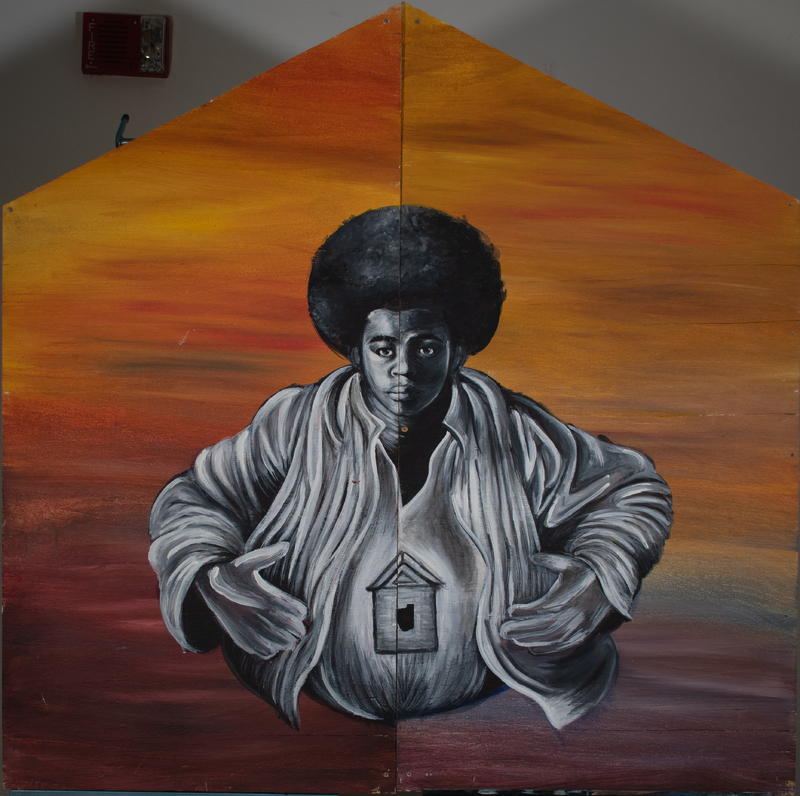
This itemset features artworks from the University Museum at Texas Southern's collections that include shotgun houses or rowhouses. Shotgun houses are an architectural style of home that is commonly found in Third Ward, the historically Black neighborhood of Houston where Texas Southern University is located. Shotgun houses are a product of the West African diaspora that also trace their roots to Caribbean, Louisianan, and Creole influences.
This itemset features murals painted by Kermit Oliver on the walls of Texas Southern University's Hannah Hall. While most students painted just one mural as part of their undergraduate curriculum, Oliver painted 5 distinct murals in Hannah Hall. Three of those five murals have been digitized and are represented in this itemset; there is also a study for one of those three murals included here. The Hannah Hall murals are a collection of more than 80 student murals painted on the walls of Texas Southern University's second-oldest building. Ranging in time from 1951 to 2013, the murals cover a wide variety of subjects, including the Civil Rights Movement, Black power, religion, rural life in Texas, fantasy, and more. The mural program was created by Dr. John T. Biggers, founder of Texas Southern's art department.
This itemset features items from the University Museum at Texas Southern's collections that relate to John Biggers' mural Family Unity. These include a related design, photos of the mural, and an invitation featuring a photograph of the mural.
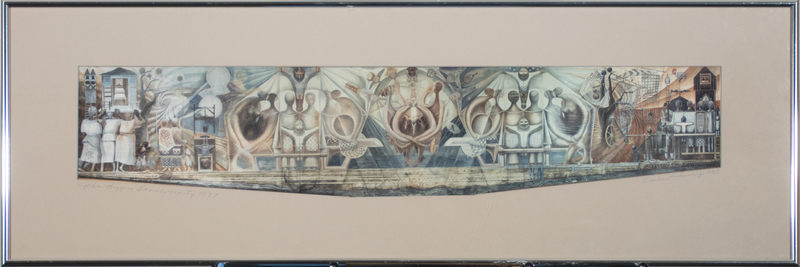
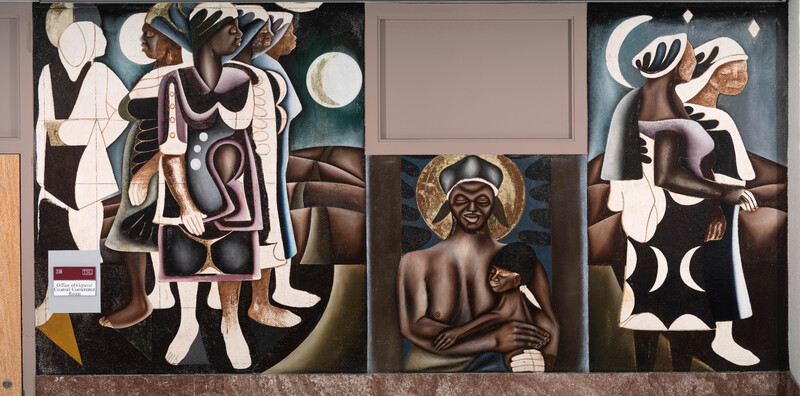
This itemset features student murals from Texas Southern University's Hannah Hall that are painted in a triptych style. Triptych style refers to a work of art across three panels. In some cases, the murals are spread across distinct panels of wall, but in other cases they are on one panel but divided into three sections. The Hannah Hall murals are a collection of more than 80 student murals painted on the walls of Texas Southern University's second-oldest building. Ranging in time from 1951 to 2013, the murals cover a wide variety of subjects, including the Civil Rights Movement, Black power, religion, rural life in Texas, fantasy, and more. The mural program was created by Dr. John T. Biggers, founder of Texas Southern's art department.
This itemset features mural studies painted by Texas Southern University student artists as preparation for their final mural designs. The Hannah Hall murals are a collection of more than 80 student murals painted on the walls of Texas Southern University's second-oldest building. Ranging in time from 1951 to 2013, the murals cover a wide variety of subjects, including the Civil Rights Movement, Black power, religion, rural life in Texas, fantasy, and more. The mural program was created by Dr. John T. Biggers, founder of Texas Southern's art department.
This itemset features artworks from the University Museum at Texas Southern's collections that highlight multiple generations of women. The labor and importance of Black women is a central theme in John Biggers's artwork and philosophy; he also imparted this emphasis on his students.
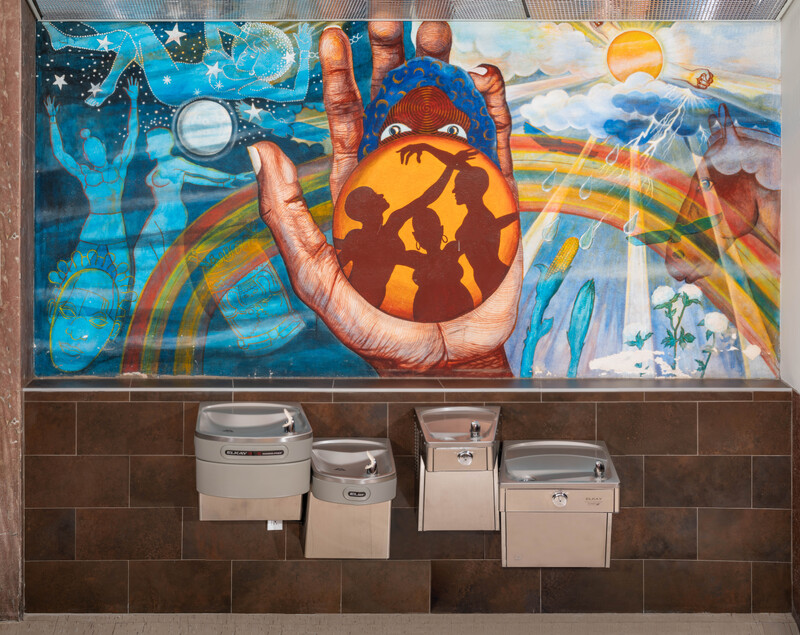
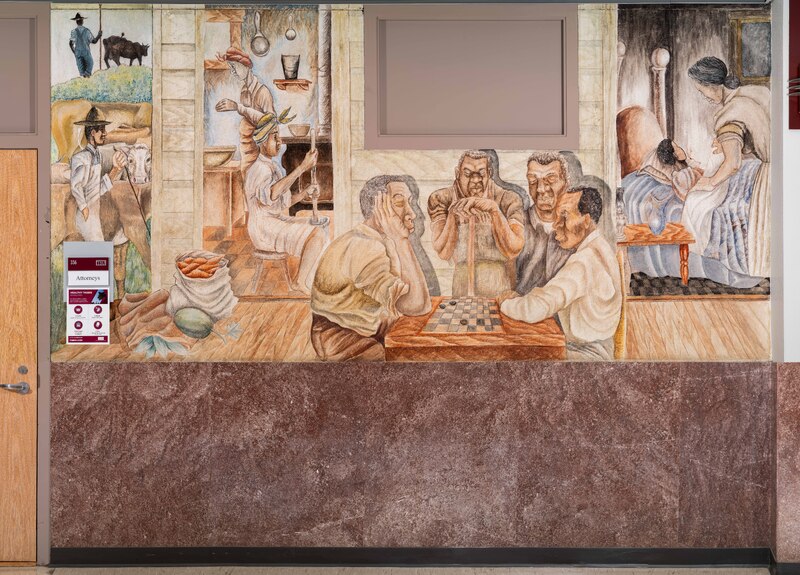
This itemset features student murals from Texas Southern University's Hannah Hall that incorporate aspects of the building's architecture into their designs. The Hannah Hall murals are a collection of more than 80 student murals painted on the walls of Texas Southern University's second-oldest building. Ranging in time from 1951 to 2013, the murals cover a wide variety of subjects, including the Civil Rights Movement, Black power, religion, rural life in Texas, fantasy, and more. The mural program was created by Dr. John T. Biggers, founder of Texas Southern's art department. Dr. Biggers instructed his students to choose their mural placements with the building's architecture in mind, as it was important to him that they not metaphorically "cut a hole in the wall with the painting."
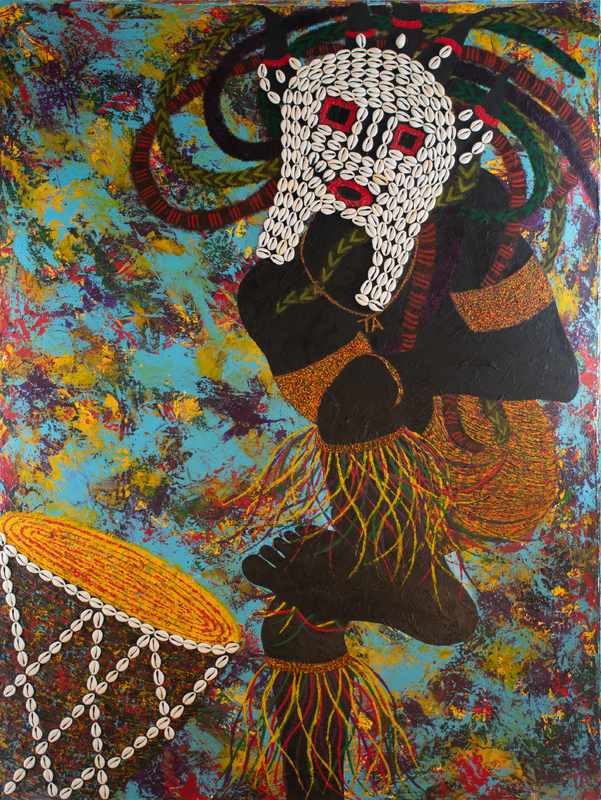
Current and recently graduated TSU art students carry on the legacy of John T. Biggers, Carroll Harris Simms, and other faculty and students that came before them. Many traditions have carried over; students still produce portraits, sculptures, and murals. Perhaps most importantly, each senior still contributes works from their undergraduate portfolio to the University Museum’s Permanent Collection, just as Biggers’s and Simms’s students did. Much has changed, too. Students take classes in digital art, producing impressive virtual designs. Additionally, where many past students became art teachers, new opportunities have seen recent graduates enter fields like design, social media, and museums.
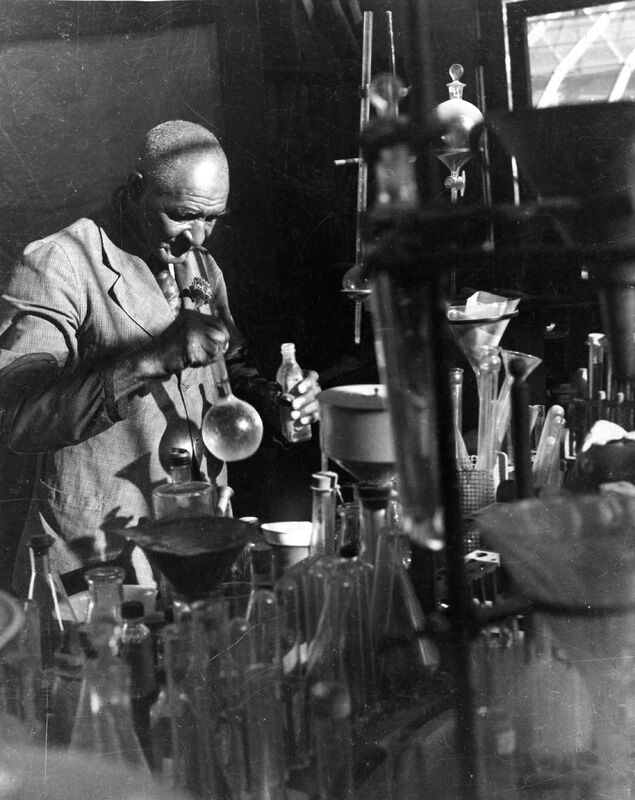
Born into slavery during the Civil War, George Washington Carver rose to become one of America’s most influential scientists, educators, and humanitarian innovators. After earning degrees in agricultural science from Iowa State University, he was invited by Booker T. Washington in 1896 to lead the Department of Agricultural Instruction at Tuskegee Institute. There, Carver advanced sustainable farming practices, crop diversification, and rural education through initiatives like the Jesup Agricultural Wagon and his Carver Bulletins. His groundbreaking research and lifelong dedication to service continue to inspire through the George Washington Carver Research Center at Tuskegee University.
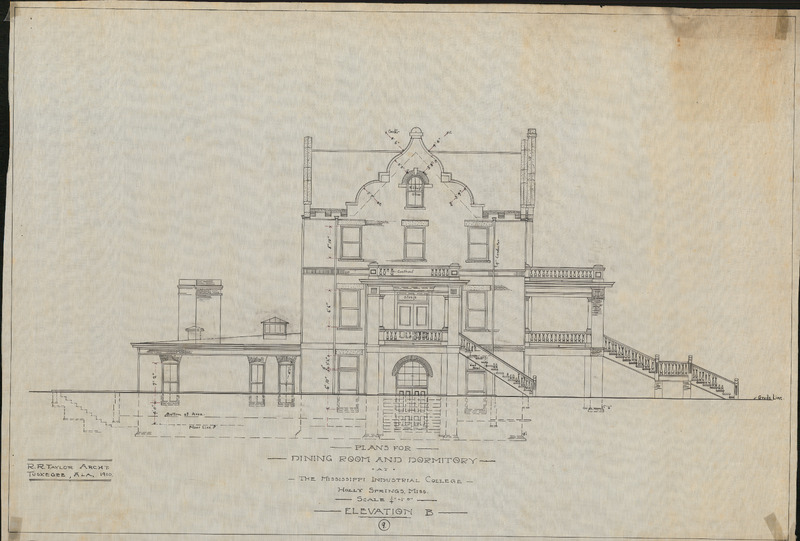
Robert R. Taylor was a pioneering African American architect and educator who designed many of Tuskegee University’s most iconic buildings. In 1892, he became the first African American to earn a degree in architecture from the Massachusetts Institute of Technology. That same year, he joined Tuskegee Institute, where he taught and served as an architect until 1899. Taylor’s innovative designs and lasting contributions continue to inspire future generations of architects and builders.
Dr. Lillian Holland Harvey (1912–1994) was a pioneering nurse and educator born in Holland, Virginia. After earning her nursing diploma from Lincoln Hospital School of Nursing and multiple degrees from Columbia University, she became Dean of the Tuskegee School of Nursing, where she transformed it into an accredited baccalaureate program. During World War II, Harvey advocated for the inclusion of African American nurses in the Army Nurse Corps and helped desegregate the Alabama Nursing Association. Her legacy is honored through her induction into the Alabama Healthcare Hall of Fame and the dedication of Lillian Holland Harvey Hall at Tuskegee University.
Born into slavery during the Civil War, George Washington Carver rose to become one of America’s most influential scientists, educators, and humanitarian innovators. After earning degrees in agricultural science from Iowa State University, he was invited by Booker T. Washington in 1896 to lead the Department of Agricultural Instruction at Tuskegee Institute. There, Carver advanced sustainable farming practices, crop diversification, and rural education through initiatives like the Jesup Agricultural Wagon and his Carver Bulletins. His groundbreaking research and lifelong dedication to service continue to inspire through the George Washington Carver Research Center at Tuskegee University.
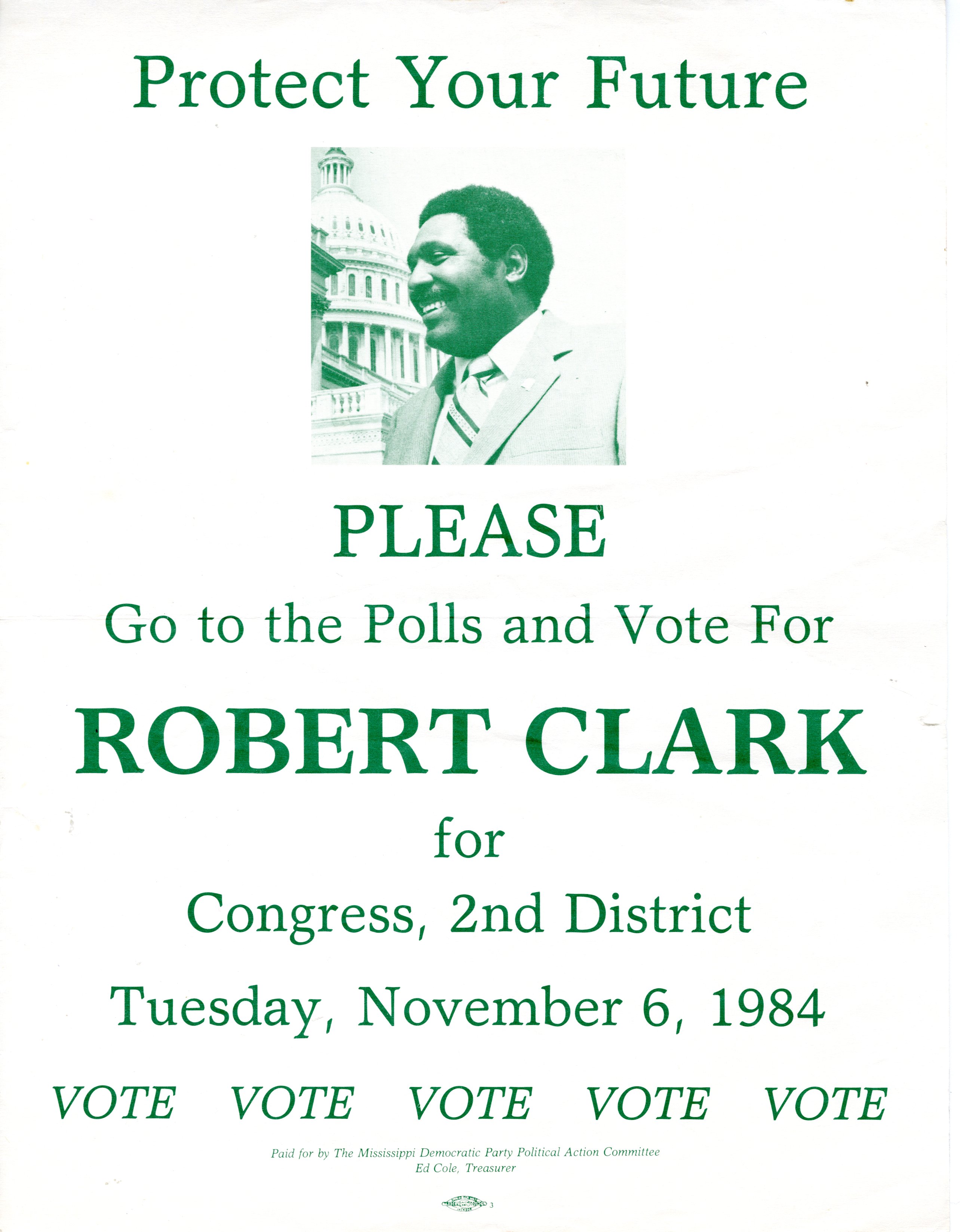
This oral history collection focuses on the life and career of Robert Clark, one of the most influential African American politicians in 20th Century Mississippi Politics, the first African American elected to the Mississippi House of Representatives since Reconstruction in 1967, and the long-time Speaker Pro-Tempore of the House. Along with interviews with Clark himself and with those people who were close to him, the collection contains papers, documents, and campaign items.