This collection showcases the rich legacies of HBCUs through ephemera and material objects, including maps, blueprints, audiovisual materials, newspaper articles, buttons, collectibles, memorabilia, clothing and accessories, scrapbooks, speeches, photographs, brochures, and posters.
Date Modified
2025-12-17
About This Record
The HCAC public history focused digital archive cataloging is an ongoing process, and we may update this record as we conduct additional research and review. We welcome your comments and feedback if you have more information to share about an item featured on the site, please contact us at: HCAC-DigiTeam@si.edu
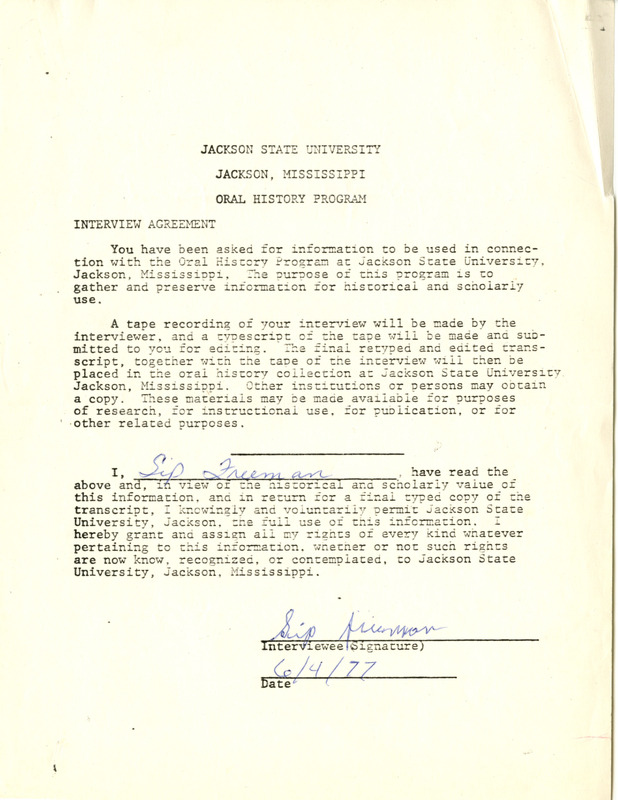
Sip Freeman’s earliest memories were from when he was 8 years old. He talks about his childhood, his family and his church. He also talks about some experiences with White people and shares some stories about slavery that had been passed down through his family. The transcript is handwritten.
A newspaper article from The Black Panther by Jackie Harper, Branch Secretary of the Corona Branch of the Black Panther Party. She tells the story of Robert “Big Bob” Heard who was framed for assault by the police and declares that the women of the Party will stand in solidarity with their brothers in the Party against the racist police forces.
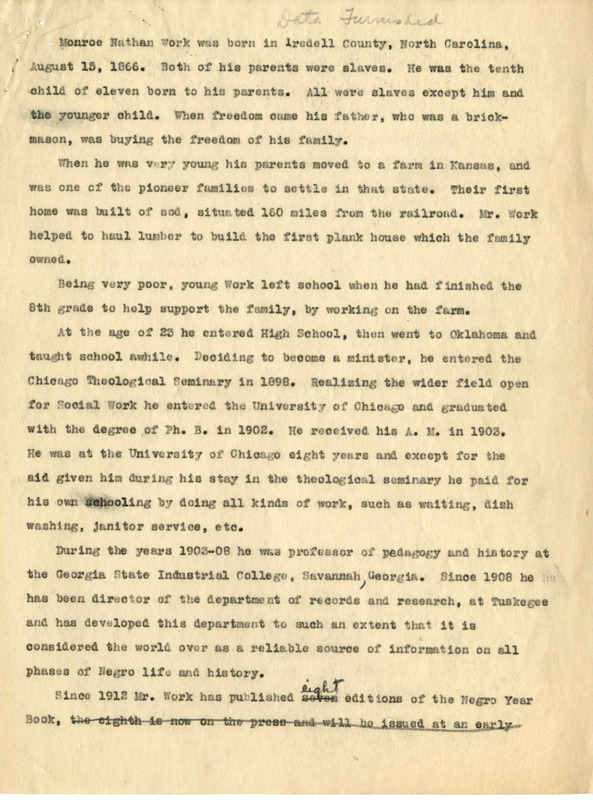
Four-page document containing biographical information about Monroe N. Work, such as his early life, education, professional accomplishments, and membership in organizations. The summary ends with an overview of Work's relationship with his wife, Florence Henderson Work.
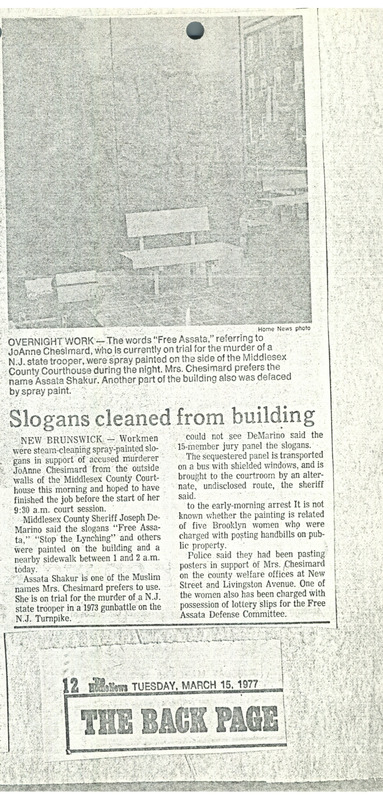
A newspaper article from The Home News about workmen cleaning painted slogans in support of Assata Shakur (JoAnne Chesimard), on trial for the 1973 killing of a state trooper, from the Middlesex County Courthouse. Slogans such as “Free Assata” and “Stop the Lynching” had been spraypainted on the building between 1-2am.
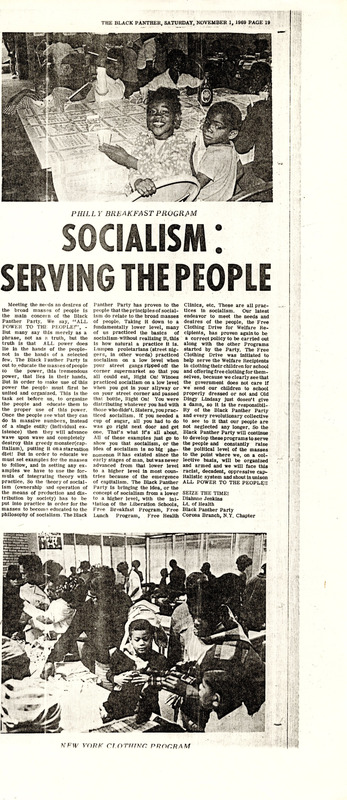
A newspaper article by Lieutenant of Health of the Corona Branch, NY chapter of the Black Panther Party, Diahnne Jenkins, from The Black Panther about the Black Panther programs such as free breakfast, free health care, and free clothing drives. She writes that these programs are all a part of organizing and educating the masses.
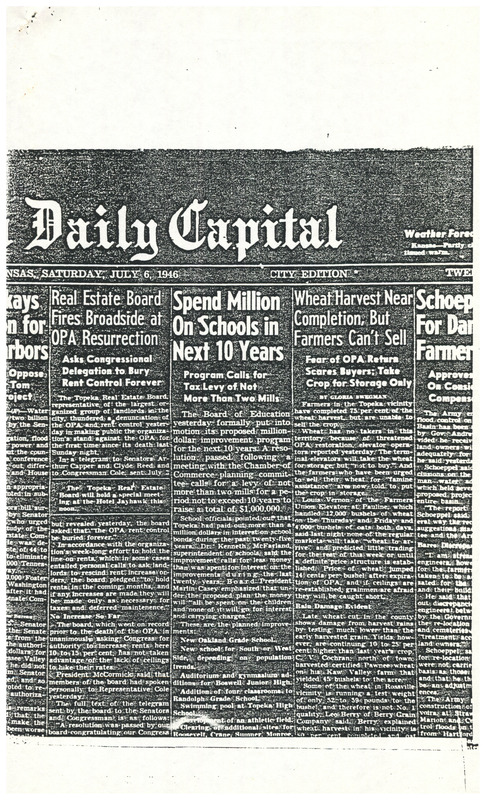
Case Data and Exhibits for Brown III, a relitigation of Brown v. Topeka Board of Education (1954) that corrected resegregation issues caused by open enrollment school choice in 1992. A 1946 newspaper article from the Topeka Daily Capital about a program calling for a tax levy of not more than $2 million dollars for school improvements in Topeka.
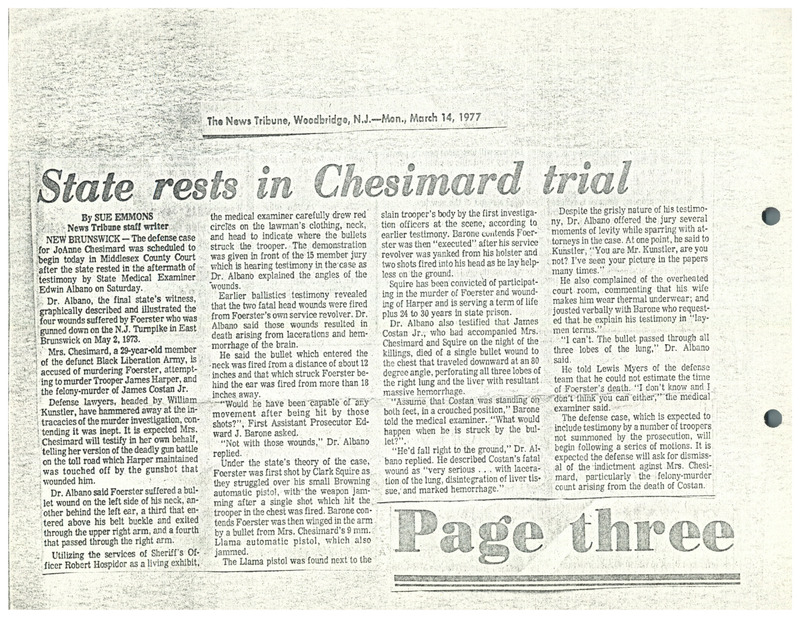
A newspaper article from The News Tribune summarizing key points from the prosecution's case after the state had rested its case against Assata Shakur (JoAnne Chesimard) for the 1973 killing of a state trooper. The defense, after intense cross-examination of prosecution witnesses, was scheduled to begin presenting its case on March 14, 1977.
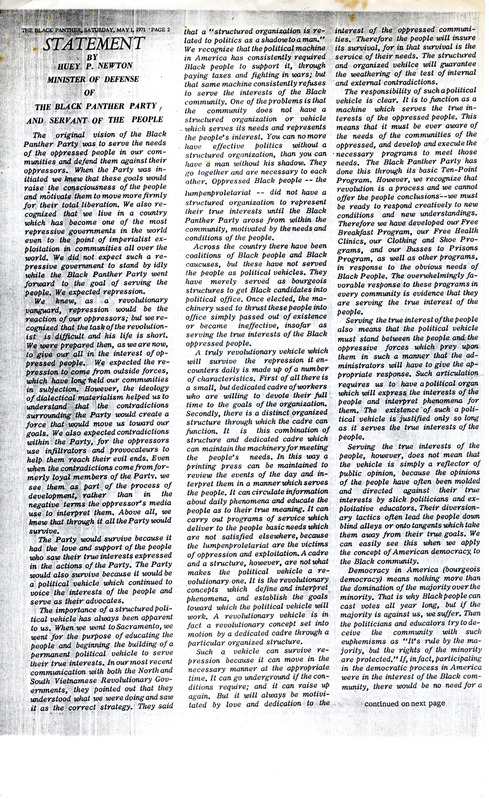
A newspaper article from The Black Panther. Black Panther Party co-founder Huey P. Newton lays out the philosophy of the Black Panther party through a Marxist lens. He highlights the unique ways the Black Panther Party serves the specific needs of colonized Black people in the United States and that the party is constantly adapting.
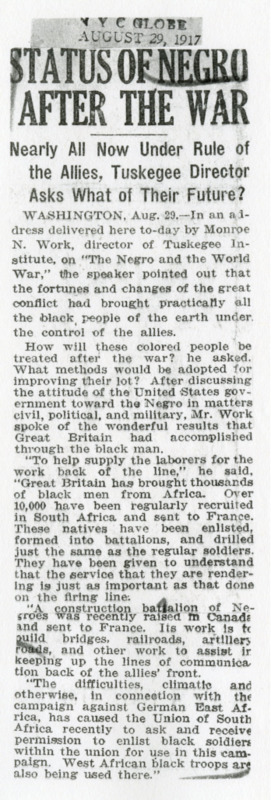
A newspaper article written discussing Monroe N. Work's speech on Negroes after World War I. The author writes how will the colored man should be treated following the war by the victors and points to Great Britain as an Example.
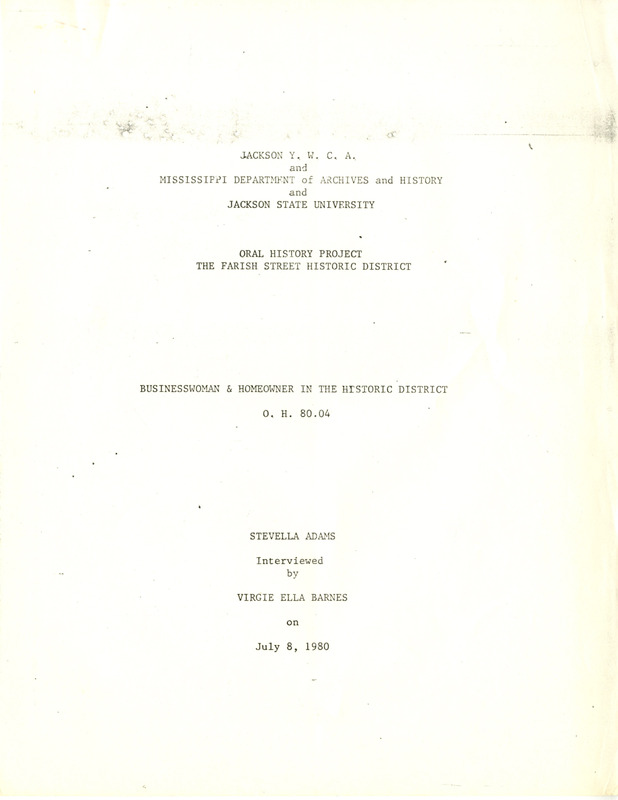
Stevella Adams moved to Jackson in 1932 after graduating from college and getting married. Mrs. Adams talks about her time operating a grocery store on the corner of Monument and Blair Streets in the Farish Street District from 1952 to 1973. The store was originally owned and operated by her late father in law.
Stevens A. Renfrow was born in 1892. He talks about the games he played as a kid and his education, including graduating from Mississippi State University in 1916. Mr. Renfrow also talks about his family and he recalls some of the types of food he and his family ate growing up. The transcript is edited heavily with handwritten notes.
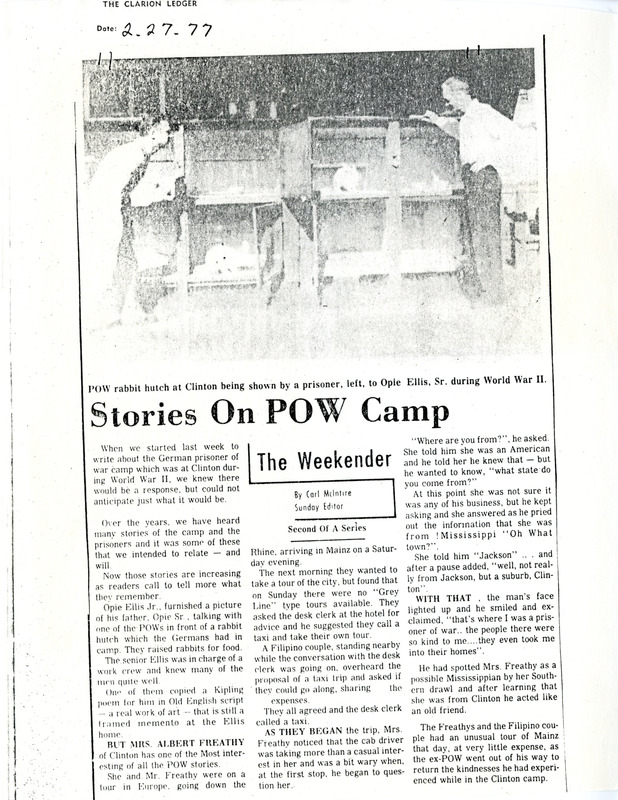
A newspaper article from the Clarion Ledger (Jackson, Mississippi) providing historical context to the Clinton Project Oral History Collection. The article includes stories from Clinton, Mississippi, residents telling their stories about the World War II POW camp in the town.
Black and white image of Tuskegee Institute students marching in response to the shooting and death of SNCC member and Tuskegee Institute political science student Sammy Younge Jr. in 1966.
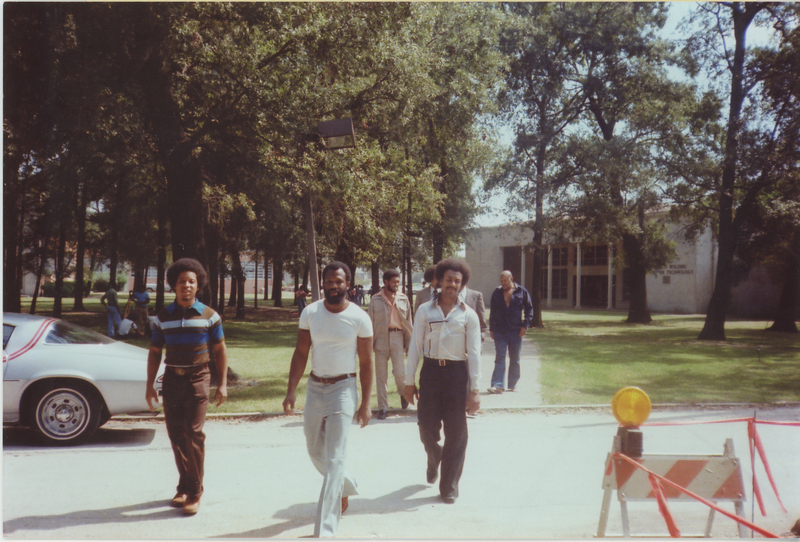
Pictured here, left to right, are Texas Southern art alumni Bert Samples, John C. Davis, Harvey Johnson, Leon Renfro, former art student Rickey Donato, and Professor Carroll Harris Simms walking on the campus of TSU. Johnson and Renfro would later go on to teach art at TSU.
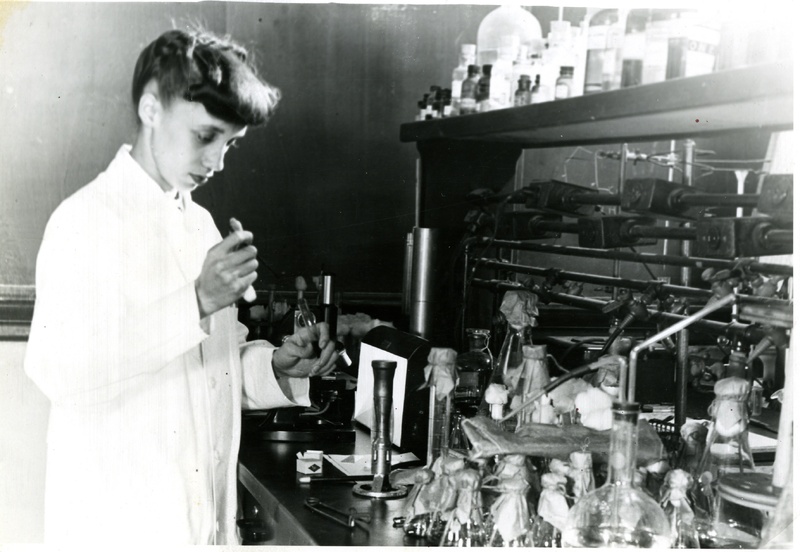
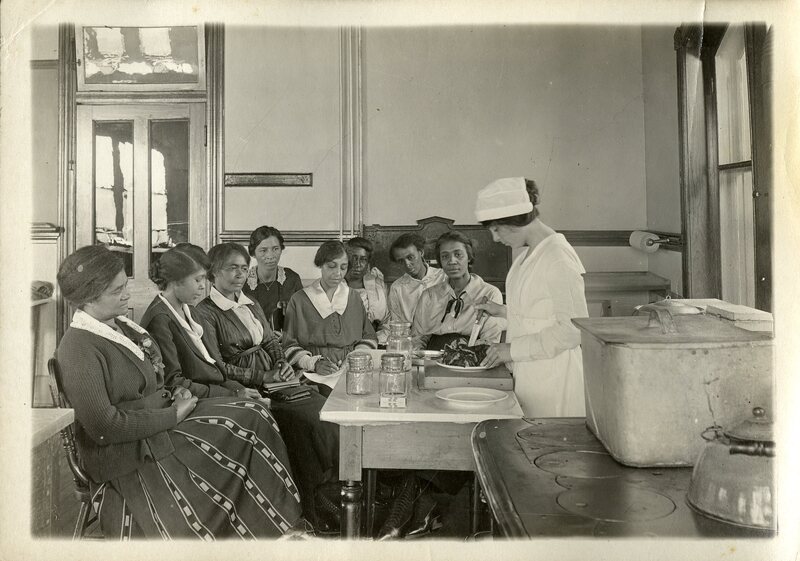
A photo taken by C.M. Battey showing the early years of Tuskegee University. This is an image of Black female students learning the skill to preserve products in a can.
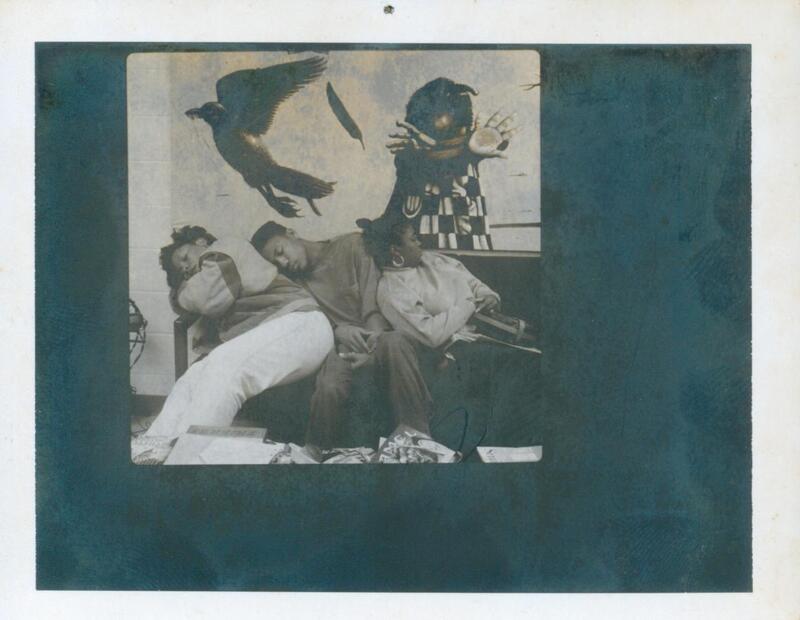
This photograph shows three students sleeping on a couch in the lounge of Texas Southern University’s John T. Biggers Art Center. Captured by longtime campus photographer Earlie Hudnall Jr., the students rest while Oliver Parson’s The Crucifix (Judas) hangs behind them. Selections from the Permanent Collection are displayed in the art building on a rotating basis. Hudnall was a student, mentee, and friend of Dr. Biggers.
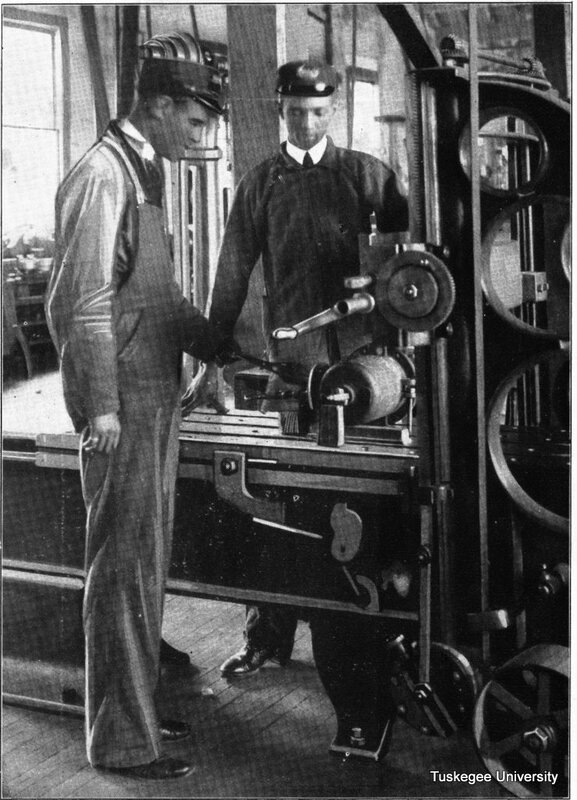
A black-and-white image of two male Tuskegee Institute students operating a planer machine in a metalworking or woodworking class in the early twentieth century.
Douglas Anderson served in the Mississippi House of Representatives from 1976-1980 and the state Senate from 1980-1992. He was one the first four African Americans elected to the Mississippi Legislature in the 20th century, after Robert Clark in 1967. He details his experiences while on various committees and working with Robert Clark.
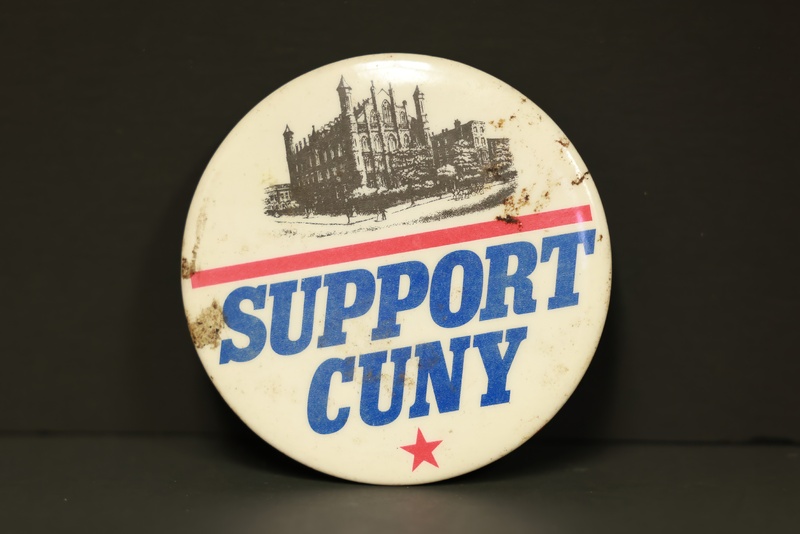
A white button calling for support of CUNY (City University of New York). CUNY was founded in 1960 when several other New York schools were merged into what was initially called the Municipal College System of the City of New York. Throughout the 1960s, CUNY was home to several political and social protests and demonstrations.
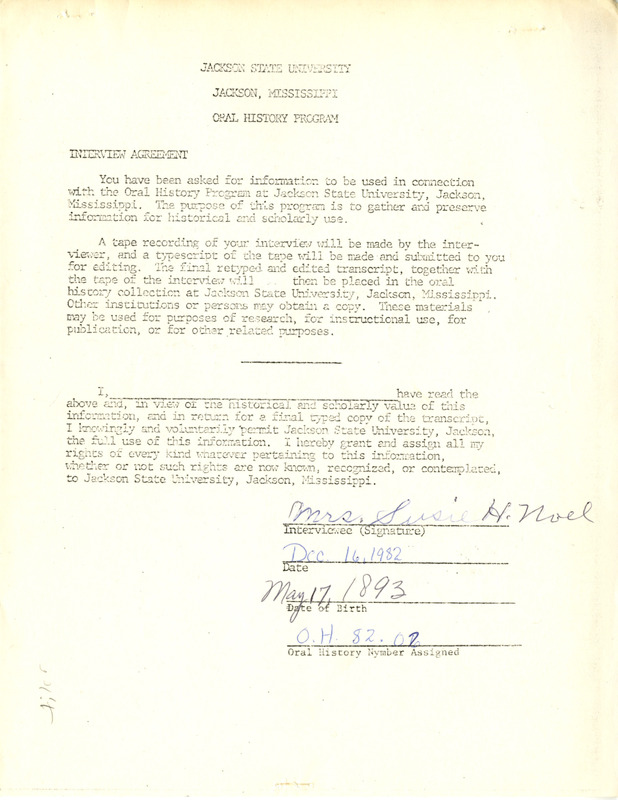
Susie Noel has lived in the Farish Street District since 1922. She talks about her experiences with the NAACP and the violence against Black people in the district during the Civil Rights Movement. She recounts her relationships with some of the Freedom Riders. She also talks about the different businesses and people in the district from the past.