This collection showcases the rich legacies of HBCUs through ephemera and material objects, including maps, blueprints, audiovisual materials, newspaper articles, buttons, collectibles, memorabilia, clothing and accessories, scrapbooks, speeches, photographs, brochures, and posters.
Date Modified
2025-12-17
About This Record
The HCAC public history focused digital archive cataloging is an ongoing process, and we may update this record as we conduct additional research and review. We welcome your comments and feedback if you have more information to share about an item featured on the site, please contact us at: HCAC-DigiTeam@si.edu
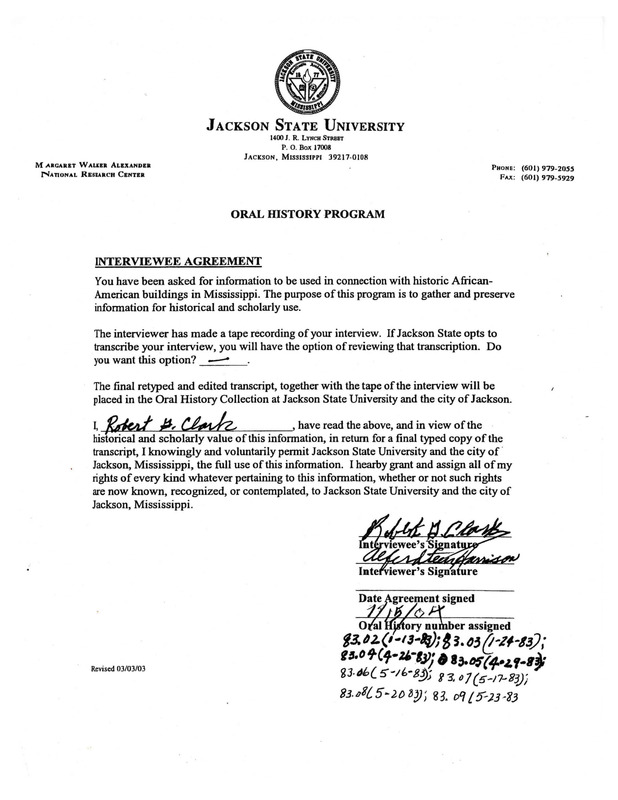
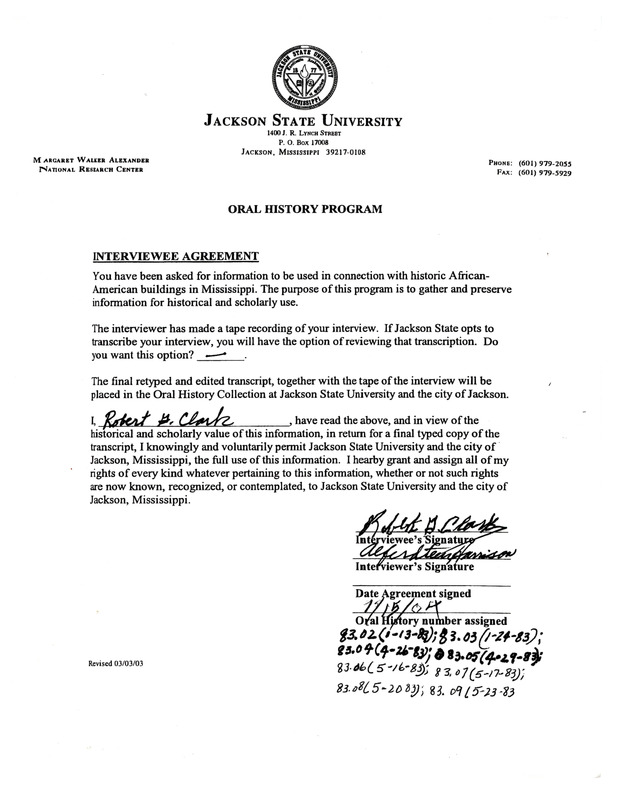
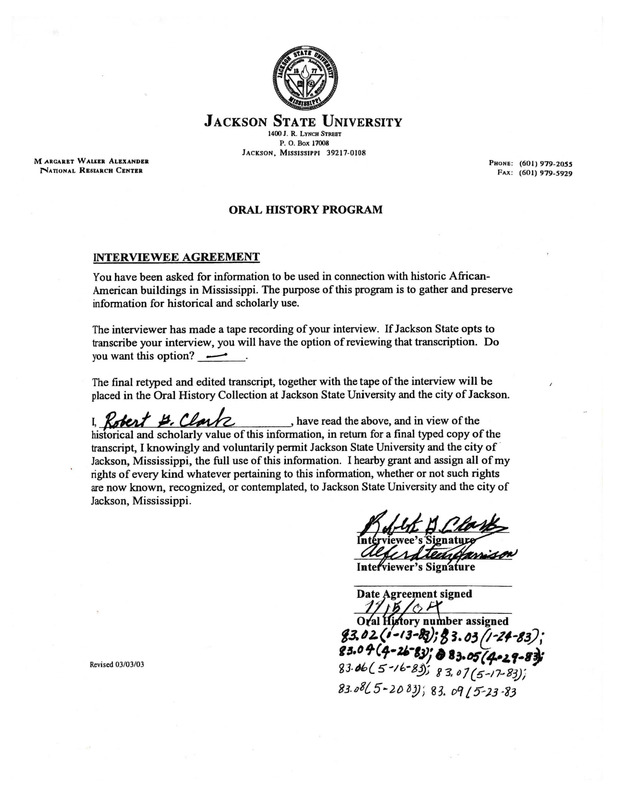
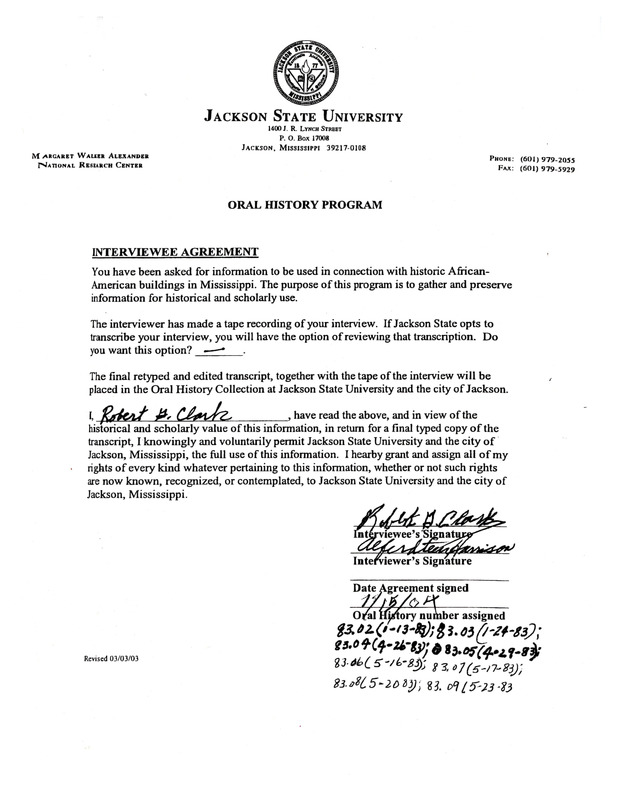
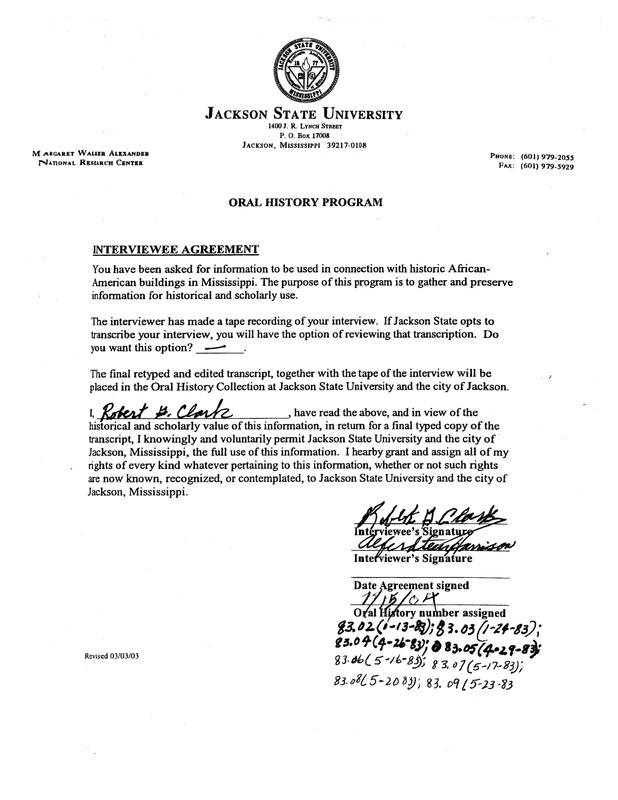
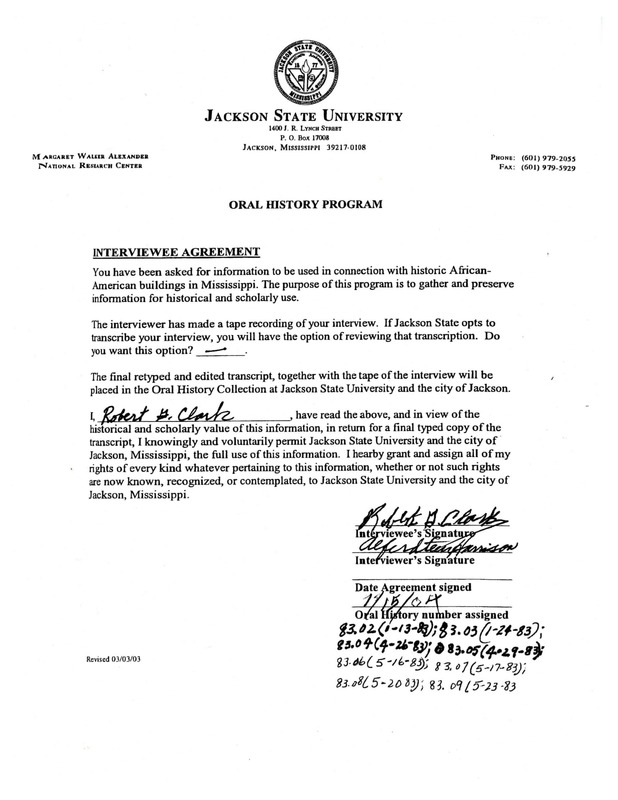
Rep. Robert G. Clark served in the Mississippi House of Representatives from 1968 to 2004. In this interview, Rep. Clark talks about his vocational education in agriculture he began after graduating the 8th grade. He also talks about playing basketball in high school and college even though his eyesight had begun to fail him.
Rep. Robert G. Clark served in the Mississippi House of Representatives from 1968 to 2004. He was the first African-American member of the Mississippi Legislature since 1894. In this interview, Rep. Clark summarizes in detail his time at Jackson State College.
Rep. Robert G. Clark served in the Mississippi House of Representatives from 1968 to 2004. In this interview, Rep. Clarks talks about his eyesight issues keeping him out of the U.S. military, even though he did want to serve. He also discusses his teaching career out of college and his decision to enter politics in the mid-1960's.
Rep. Robert G. Clark served in the Mississippi House of Representatives from 1968 to 2004. Rep. Clark talks about his legislative career and the racism he faced. He also talks about the impact the Civil Rights Movement had on him winning the election and his introduction of bills to create holidays for Martin Luther King, Jr., and Medgar Evers.
Rep. Robert G. Clark served in the Mississippi House of Representatives from 1968 to 2004. In this interview, Rep. Clark fills in some holes from the previous interviews, including: the difficulty in starting a family and maintaining a business while being involved in politics and some pushback his campaign and election received.
Rep. Robert G. Clark served in the Mississippi House of Representatives from 1968 to 2004. In the final interview of the series, Rep. Clark talks about isolated incidents and experiences he had as a legislator, including being appointed to the commission to handle the aftermath of Hurricane Camille and his decision to run for re-election in 1971.
Robert Hoskins was a long time community activist, working with the NAACP and other organizations. He tells the story of working with the Harrison County Community Action Agency to help bring Harrison County its first Head Start program in 1965. Later, he became Area Administrator for Harrison County Head Start. Incomplete. Side B missing.
In this interview, Texas Southern art alumnus Robert Pruitt discusses his time as an art student (1993-2000) and as an artist later on. During Pruitt’s time at TSU, he learned from Dr. Alvia J. Wardlaw and Professor Harvey Johnson, the latter of whom’s drawing classes were particularly influential on Pruitt and his practice. The artist also discusses his hopes for the future and his desire to create a body of work that speaks to the vitality of African Americans.
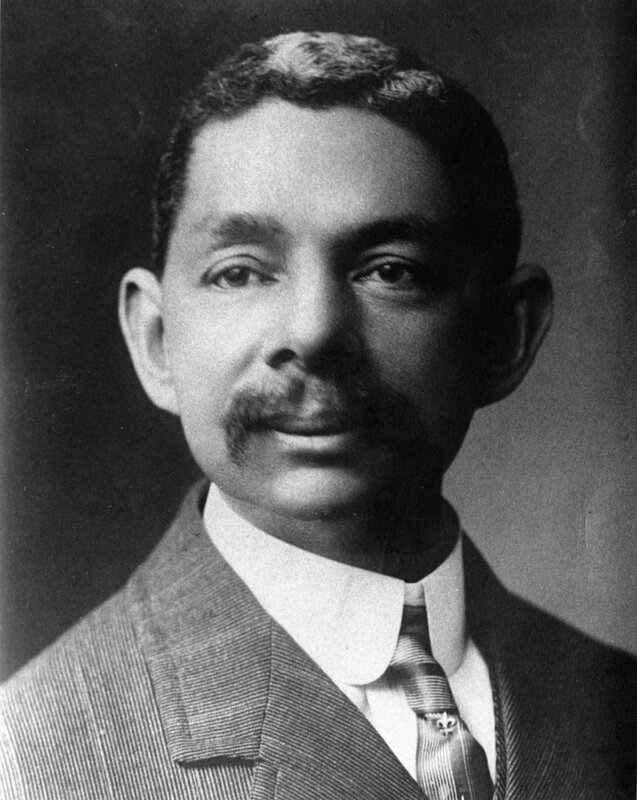
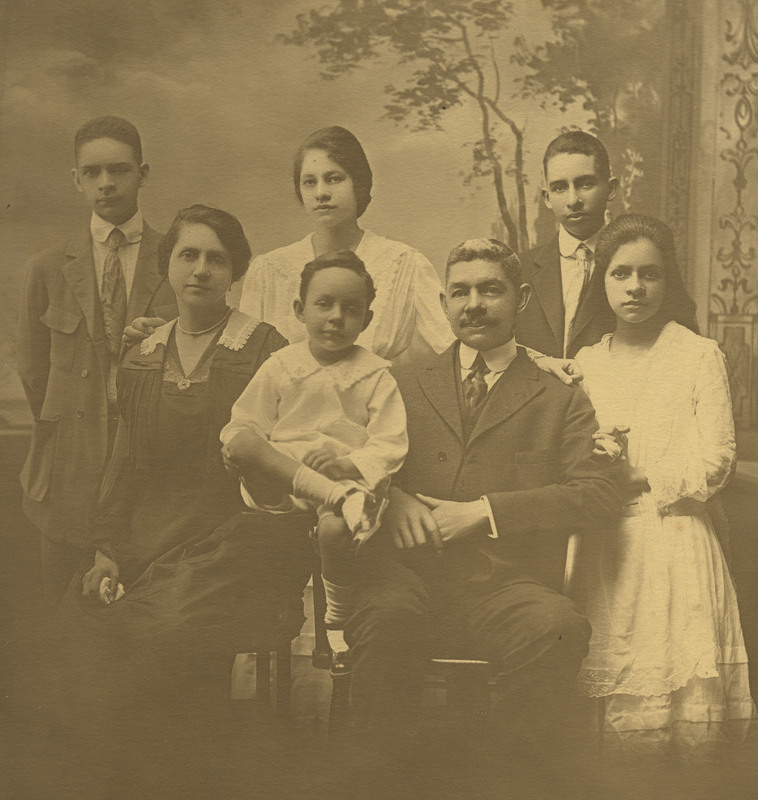
A somewhat colored image of Robert R. Taylor with his second wife Nellie Chestnut Taylor in the early twentieth century. Also in the picture are his children Helen, Edward, Beatrice, Robert, and Helen.
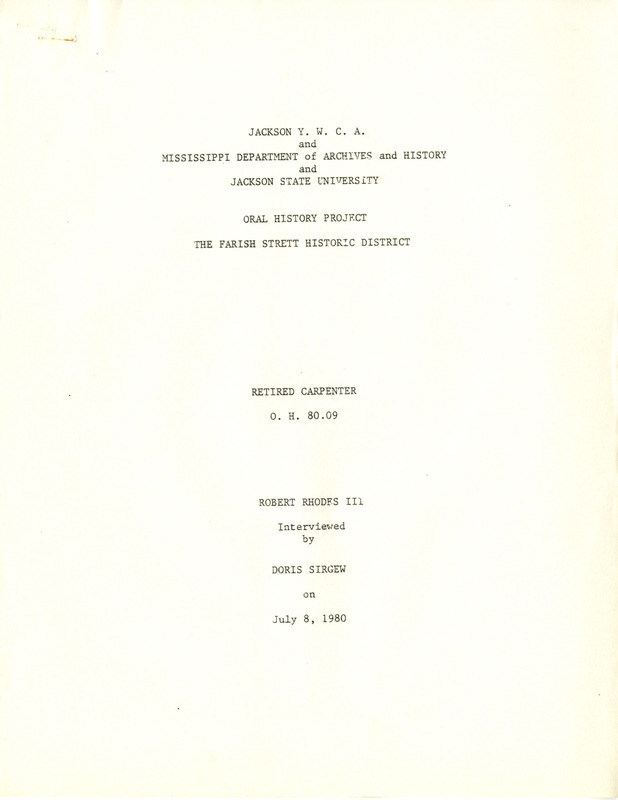
Robert Rhodes III was born in Jackson and was a well known carpenter from doing work in the Farish Street District. He worked with his father, who owned a business in the district, until taking the business over for himself. He discusses his work during the Jim Crow Era and the difference in pay between white and Black carpenters.
Rochelle Carter, a student at Jackson State University at the time, talks about her experiences attending the Head Start program in Champaign, Illinois, in 1972.
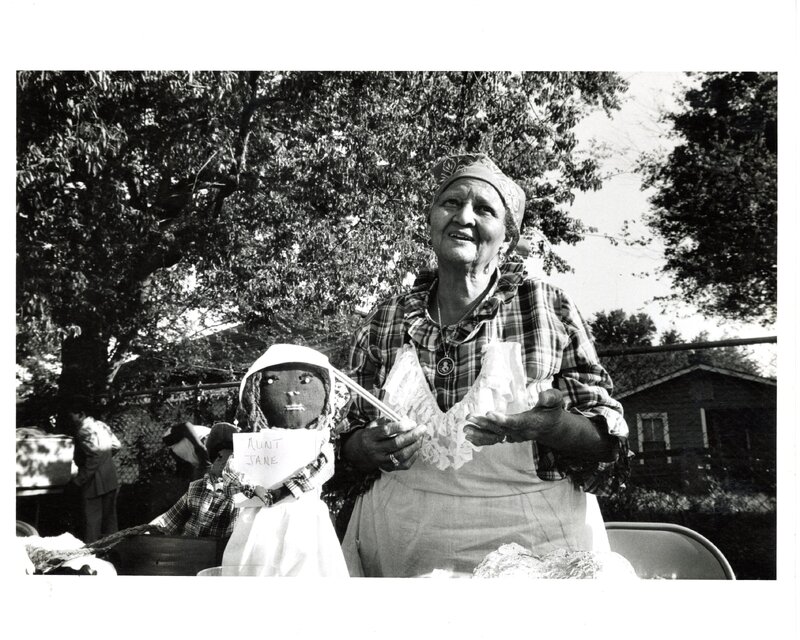
A photograph of Rosie Holden of the National Council of Negro Women and Woman Power Unlimited at the Smith Robertson Neighborhood Folklife Festival, April 9-11, 1983. The festival was a one-time grant sponsored event held on the grounds of the Smith Robertson Museum to celebrate the rich history and culture of the Farish Street Historic District.
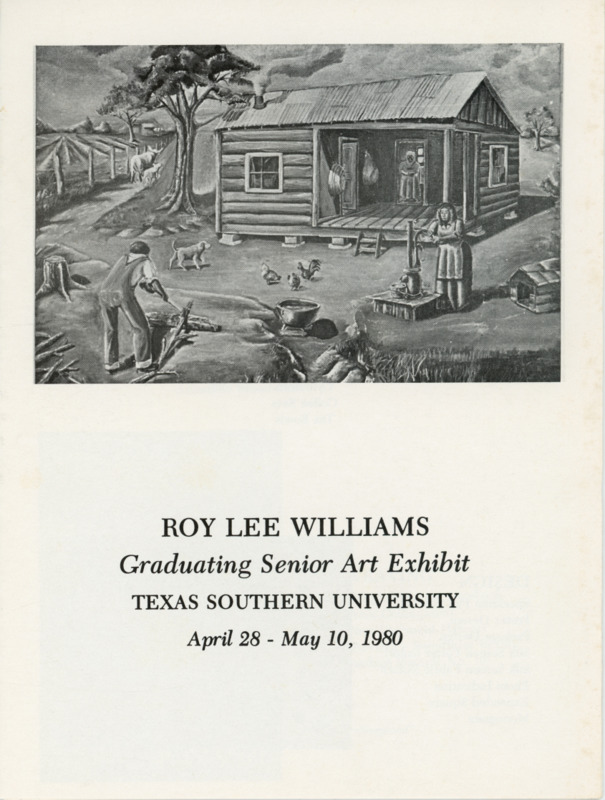
This is a brochure for Williams’ senior art exhibition. The culmination of the Texas Southern art curriculum is a senior exhibition where students showcase artwork created over the course of their undergraduate studies. The brochure features a portrait of Williams, a brief biography, a catalog of the artwork featured in the exhibition, and several photos of his paintings, designs, weavings, and sculptures.
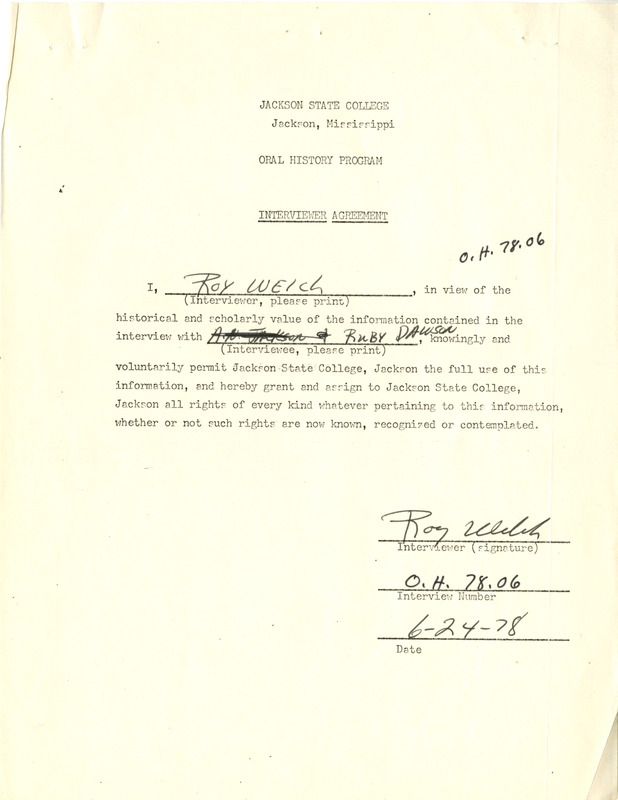
Ruby Dawson was born in Jackson in 1904 and attended Smith Robertson School until the 4th grade before attending Tougaloo College in Jackson. In 1928 she returned to Smith Robertson as a teacher. In the interview, she talks about her time as both a student and teacher. The transcript is edited with handwritten notes.
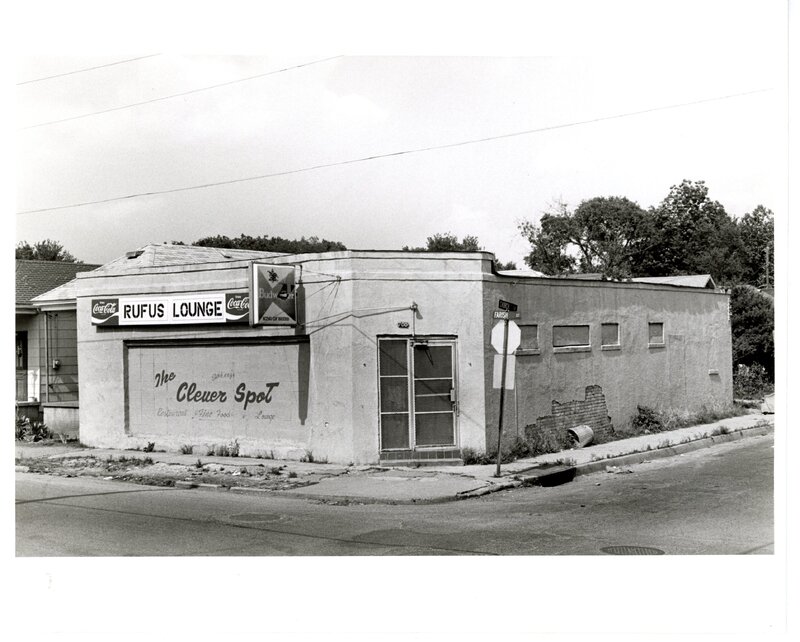
A photograph of Rufus Lounge on N. Farish Street in the Farish Street Historic District. At the time of the photograph, the business was closed and the building was in disrepair.
Ruth Fitts became a teacher with Head Start in Tupelo, Mississippi, in 1966 after being alerted by her husband to a job opening in an advertisement. She talks about her experiences being a White teacher in the Head Start Program and discusses a number of colleagues she worked with.
Sam Whisterton was a teacher in Madison County, Mississippi in 1965. He talks about how students coming to his classes were prepared by Head Start. He also talks about the connection between the Freedom Schools of Freedom Summer and the Head Start program and some of the support and push back Head Start experienced when it started.
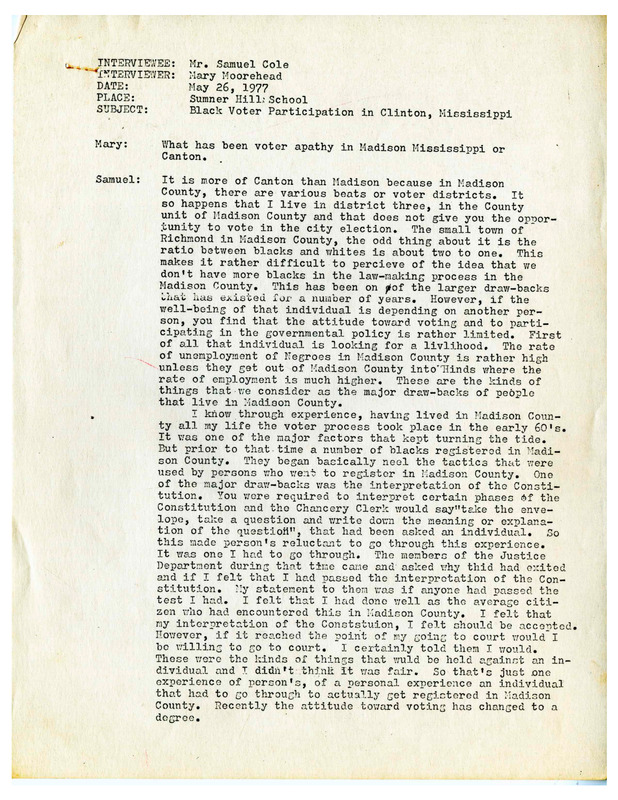
Mr. Cole worked all over the nation as a voting rights activist. In this interview, he talks about voting, especially through the lens of his memories of voter registration drives during the Civil Rights Movement and up to the present day. He gives a nuanced interpretation of voting rights and voting activities in several parts of Mississippi.
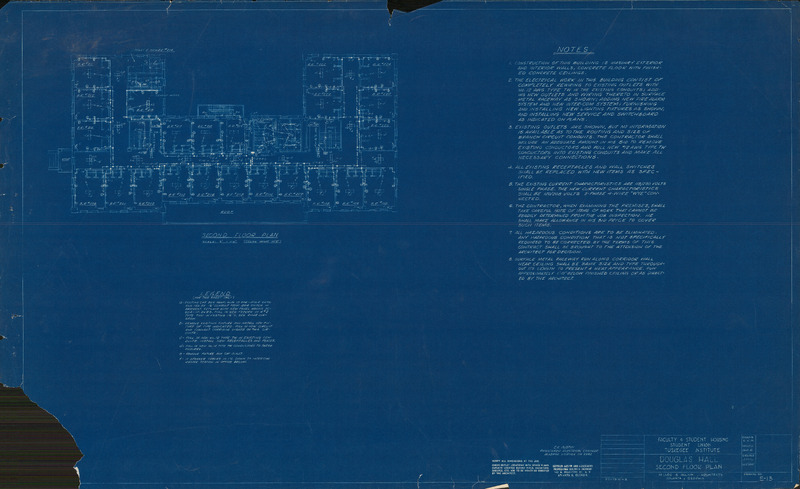
13th Electrical drawing blueprint for Douglass Hall Second Floor Plan blueprint. Drawing has construction notes, drawing legend, and electrical outlet layout.
A newspaper article from The News Tribune about Assata Shakur (JoAnne Chesimard) being in New Jersey to stand trial for the May 1973 killing of a state trooper. The author writes about the process that went into Assata Shakur (JoAnne Chesimard) being confined to solitary confinement and the court hearing that took place to examine the evidence.
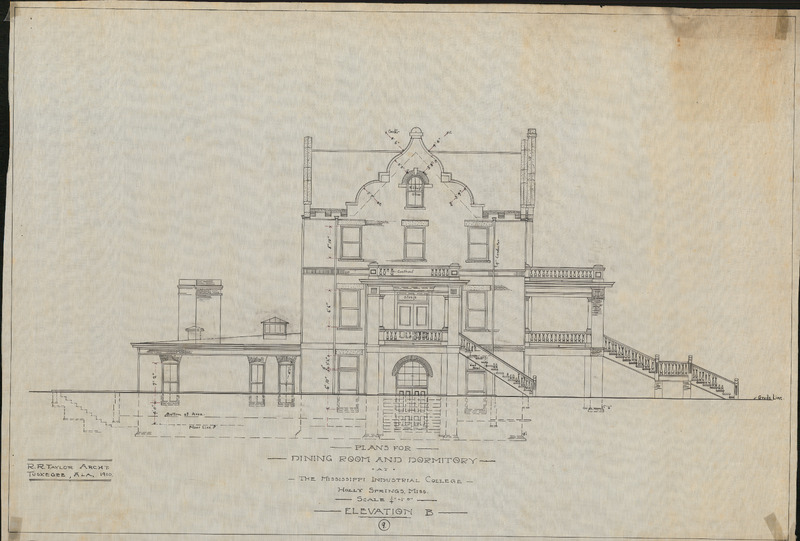
A black and white architectural drawing crafted by hand by Robert R. Taylor in 1910 for a dormitory/dining hall for the Mississppi Industrial College located in Holly, Springs Mississippi. The Drawing Scale is 1/4 1'0'' Elevation B Drawing page Number 9. This is the front face of the proposed building.
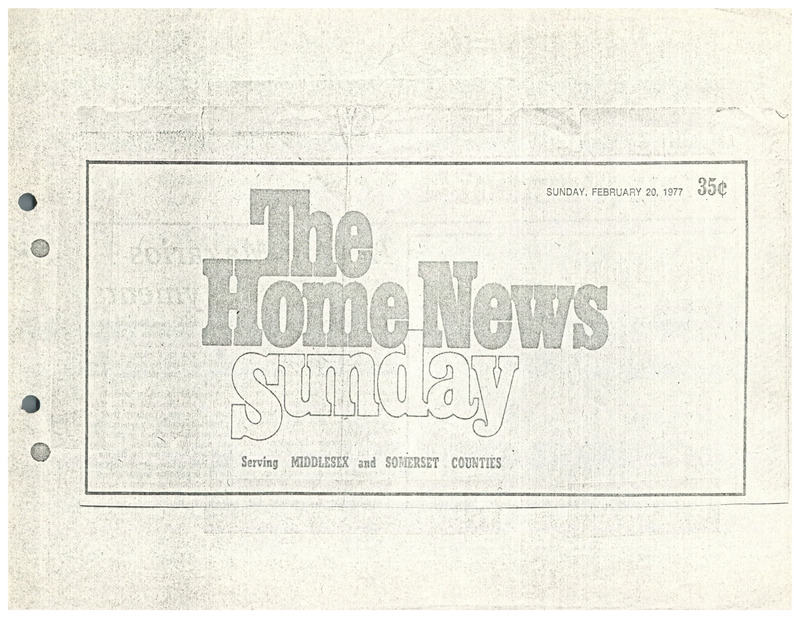
A newspaper article from The Home News about the heavy security that accompanied Clark Squire on his move from Trenton State Prison to Middlesex County for a six hour meeting with Assata Shakur (JoAnne Chesimard) and her defense team. Squire was earlier convicted of the same 1973 killing of a state trooper that Shakur was on trial for.
Sen. Alice Varnado Harden served in the Mississippi State Senate from 1988 until her death in 2012. She talks about her work with Robert Clark and the Mississippi Black Caucus. She also discusses the many issues she lobbied for as an elected official and her relationships with other members in the state legislature.
Senator David L. Jordan began serving on the Mississippi State Senate in 1993 and has been serving for 31 years. He recounts growing up on a plantation in Greenwood, Mississippi. The interview focuses on the work he did with Robert Clark in the Mississippi Legislature to support and obtain funds for Historically Black Colleges.
Sen. Johnnie Walls Jr. served on the Mississippi State Senate from 1993-2010. He details the strides made in the Senate for the HBCUs and other institutions in the state. He points to key situations and circumstances that show Robert Clark’s integrity and his influence and thanks him for his leadership of the Black Caucus and his mentorship.
Sen. Willie Simmons served in the Mississippi Senate from 1993 to 2020. He details the opposition and challenges he faced while fighting for education reform and better treatment of the Black colleges in Mississippi. He looks at his career retrospectively and ponders over how he would like to be remembered.
Serena Walton was born in 1908 and moved to Jackson in 1937 after marriage. She recalls the “Good Old Days" as being days of fun, misery, and everyday existence during the 1930's through 1950's. Ms. Walton talks about her younger days and then her time at college during the Great Depression. She also discusses her time teaching in Yazoo County.
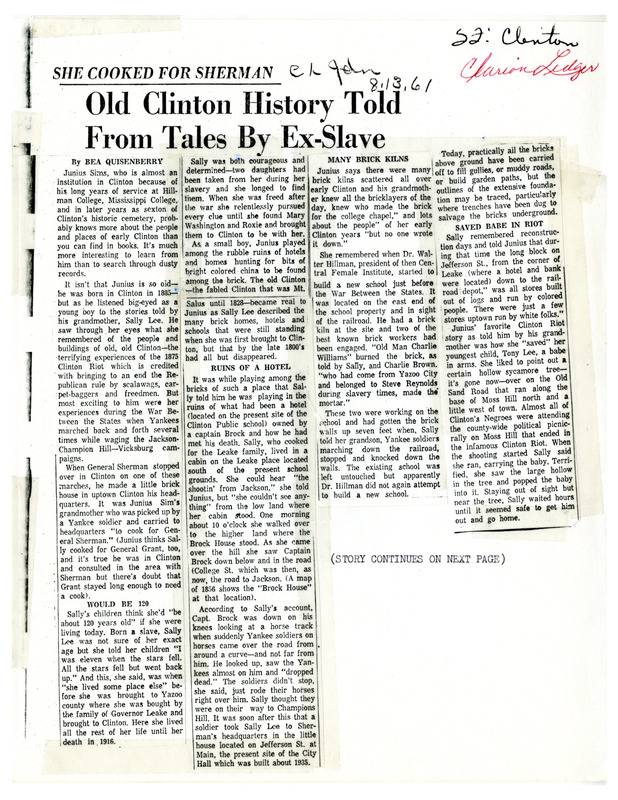
A newspaper article from the Clarion Ledger (Jackson, Mississippi) providing historical context to the Clinton Project Oral History Collection. The article tells stories about Sally Lee, a formerly enslaved woman who worked on the land that would become Clinton, Mississippi.