This collection showcases the rich legacies of HBCUs through ephemera and material objects, including maps, blueprints, audiovisual materials, newspaper articles, buttons, collectibles, memorabilia, clothing and accessories, scrapbooks, speeches, photographs, brochures, and posters.
Date Modified
2025-12-17
About This Record
The HCAC public history focused digital archive cataloging is an ongoing process, and we may update this record as we conduct additional research and review. We welcome your comments and feedback if you have more information to share about an item featured on the site, please contact us at: HCAC-DigiTeam@si.edu
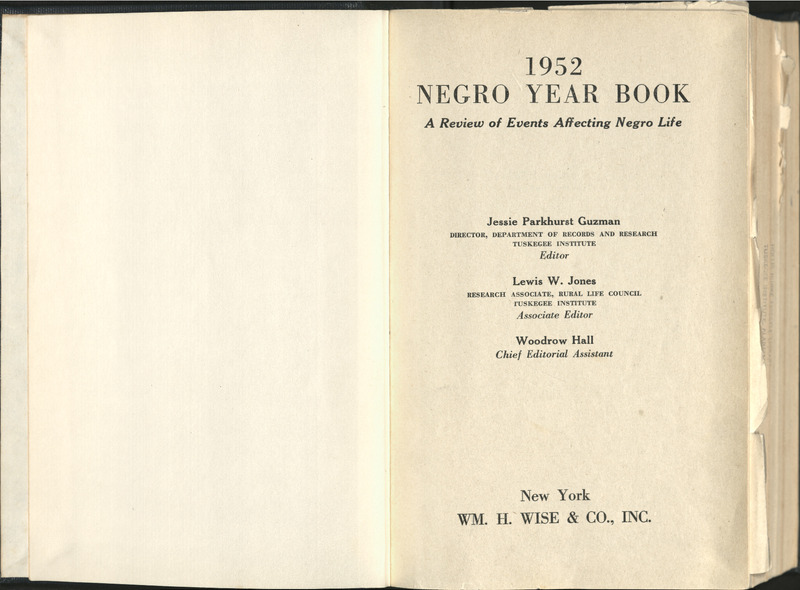
The Negro Yearbook was an annual encyclopedia about African Americans, published at Tuskegee University from 1912 to 1952. This chapter contains information on health and housing for African Americans.
The Negro Yearbooks were an annual encyclopedia of the negro published at Tuskegee University from 1912-1952. A chapter describing the Negro in health and medical facilities.
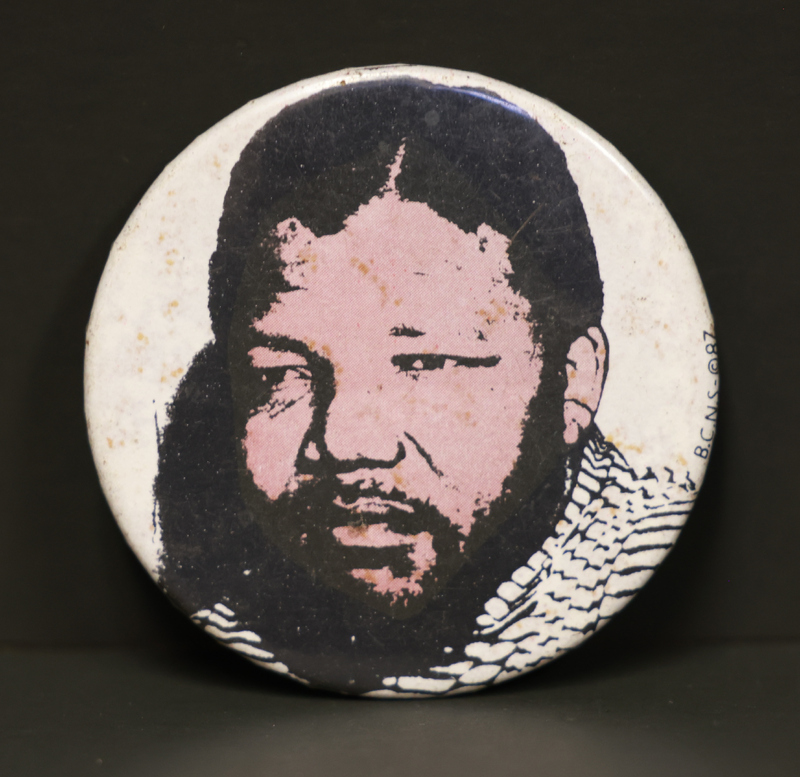
A button with a sketch of a photo of Nelson Mandela. Nelson Mandela was an anti-apartheid activist in South Africa. After being imprisoned for 27 years due to his African Nationalist ideology, he was released in 1990 and led efforts to end apartheid. He was elected president in 1994 in the country's first fully democratic election.
Netterine Theodore was one of the founders of the Turkey Creek Head Start Center near Gulfport, Mississippi, in 1964. She worked for Head Start as a teacher and committed the entirety of her life to school and education. Ms. Theodore discusses the origins of Head Start in the Turkey Creek community and the effect that had on race relations.
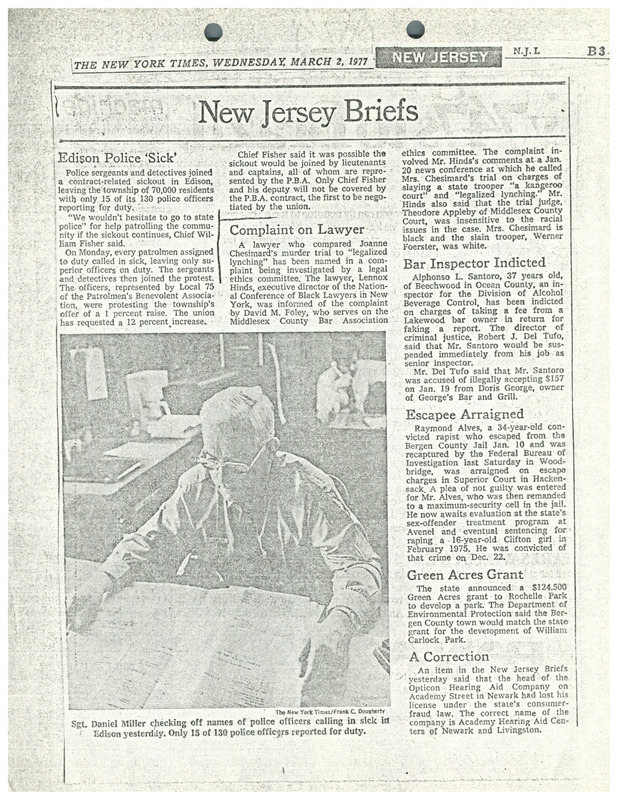
A news blurb from The New York Times about Lennox Hinds, president of the National Conference of Black Lawyers, speaking out against his critics for his support of Assata Shakur (JoAnne Chesimard), in her trial for the 1973 killing of a state trooper, after being cited by The Ethics Committee of the Middlesex County Bar Association.
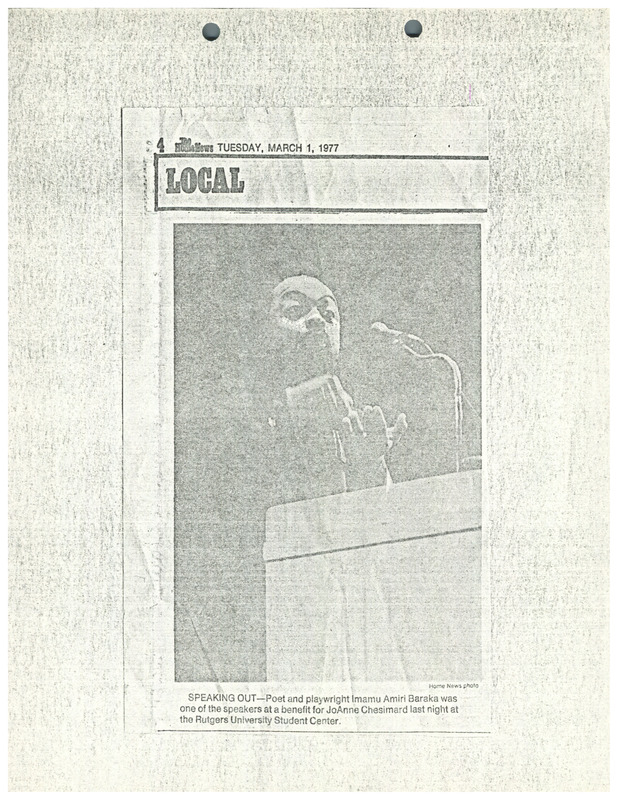
A photograph from the newspaper The Home News of poet and playwright Amiri Baraka speaking at a benefit for Assata Shakur (JoAnne Chesimard) at the Rutgers University Student Center in New Jersey. Shakur was on trial for the 1973 killing of a state trooper. Baraka was one of several speakers speaking on Shakur’s behalf at the benefit.
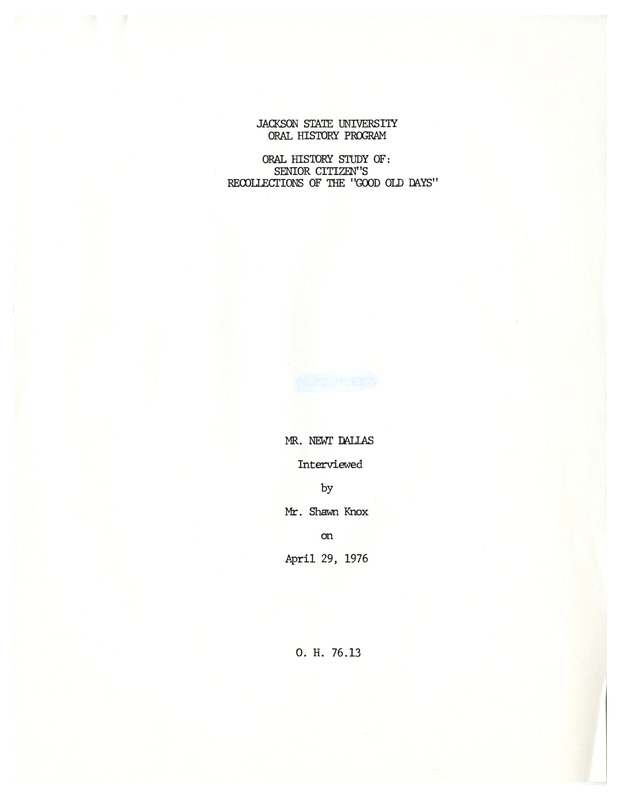
Newt Dallas moved to Jackson in 1926 at the age of 18 to work for the city and talks about some of the other jobs he had over the years. He talks about his family and the different places in Jackson he has lived as well as some Black owned businesses he remembered. He remembers the "Good Old Days" as those days he did nothing but work every day.
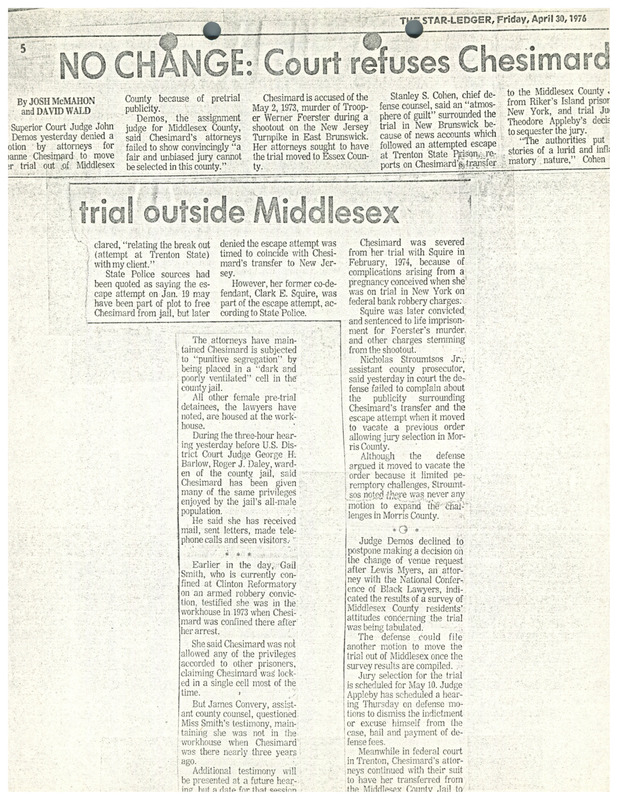
A newspaper article from The Star Ledger about Superior Court Judge John C. Demos denying a motion to move the murder trial of Assata Shakur (JoAnne Chesimard) for the 1973 killing of a state trooper out of Middlesex County because of the defense's inability to show that an unbiased jury couldn't be selected.
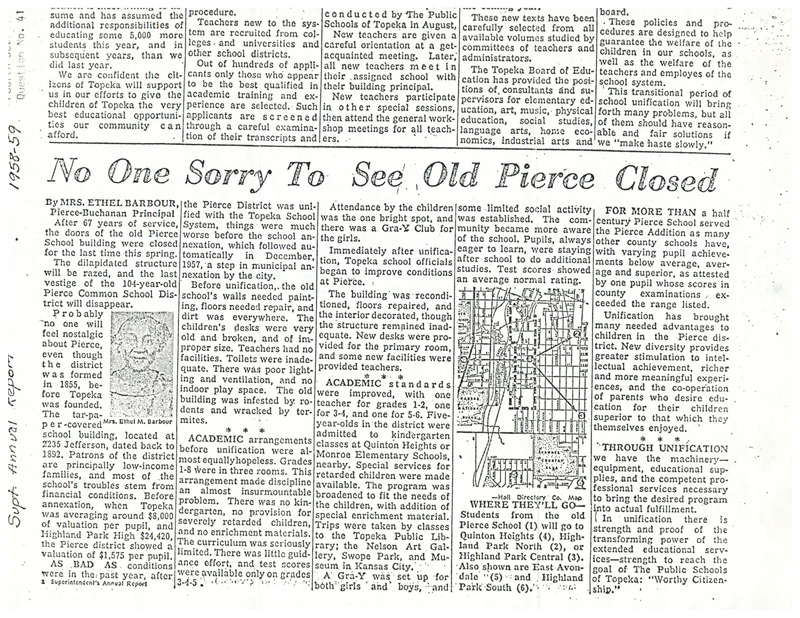
An article from an unknown newspaper about the closing of the dilapidated Pierce School building and the end of the Pierce Common School district after its unification with the Topeka Public School System.
Nolan Tate began his involvement with Head Start in 1964 when he was recruited by Charles Mosley to the Child Development Group of Mississippi (CDGM). He started out as head of supplies and transportation. He talks about his work during the Civil Rights Movement including working with Medgar Evers in getting people registered to vote.
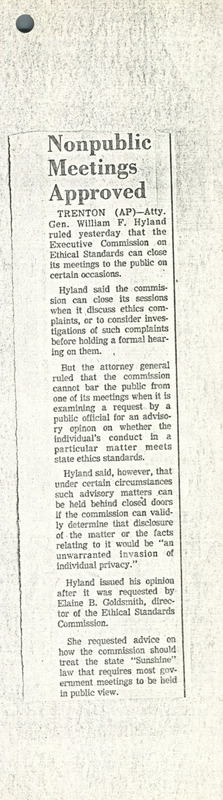
A newspaper article from the Asbury Park Press about Attorney General William F. Hyland ruling that the Executive Commission on Ethical Standards can close its meetings to the public on certain occasions. This article pertains to hearings in the trial of Assata Shakur (JoAnne Chesimard) for the 1973 killing of a state trooper.
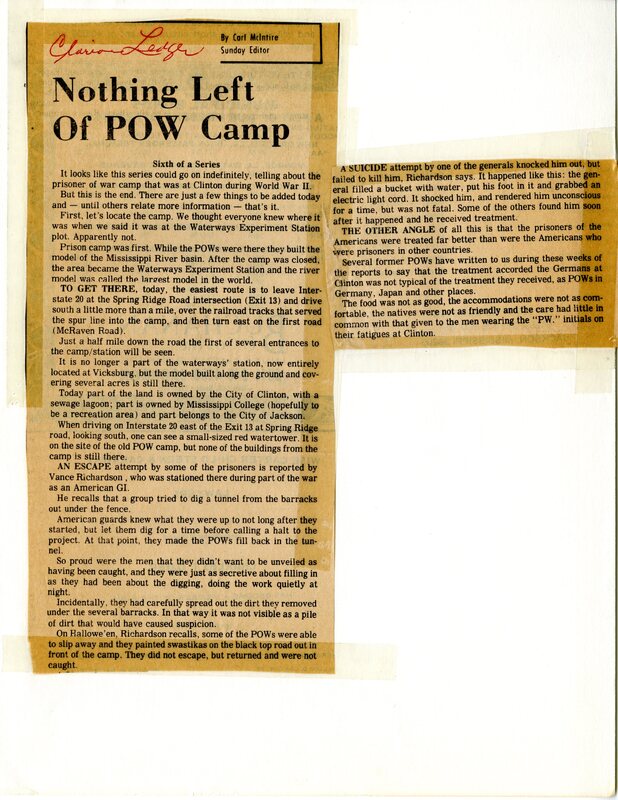
A newspaper article from the Clarion Ledger (Jackson, Mississippi) providing historical context to the Clinton Project Oral History Collection. The article pinpoints the location of the former POW camp and talks about the treatment of prisoners there.
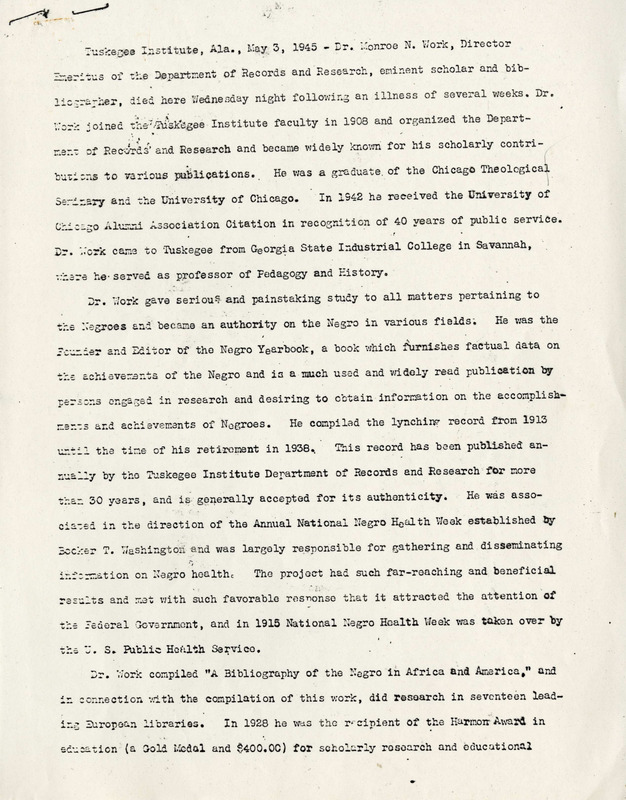
Two-page obituary or press release from Tuskegee regarding the life and death of Monroe N. Work. Includes information on scheduled funeral services, rites, and internment for Dr. Work.
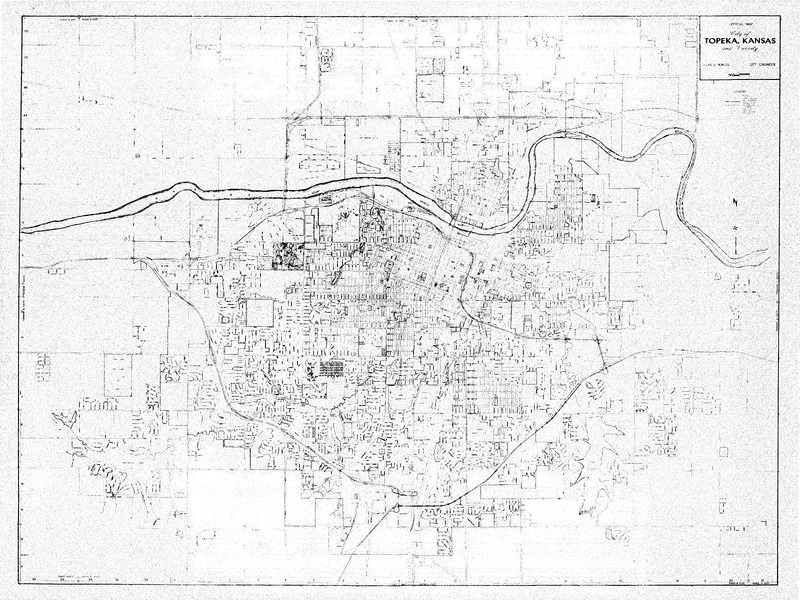
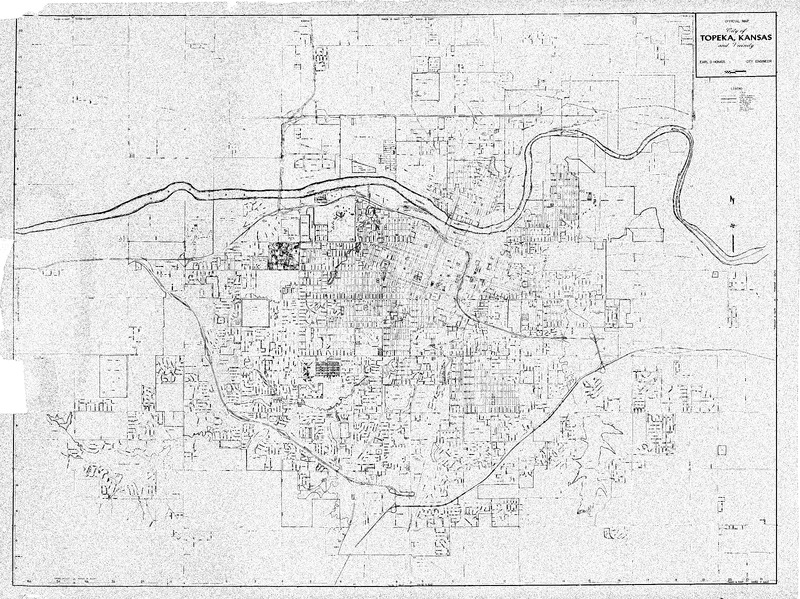
Case Data and Exhibits for Brown III, a relitigation of Brown v. Topeka Board of Education (1954) that corrected resegregation issues caused by open enrollment school choice in 1992. The legend marks all elementary schools, trade schools, junior high schools, and high schools, as well as block boundaries in Topeka and the surrounding vicinity.
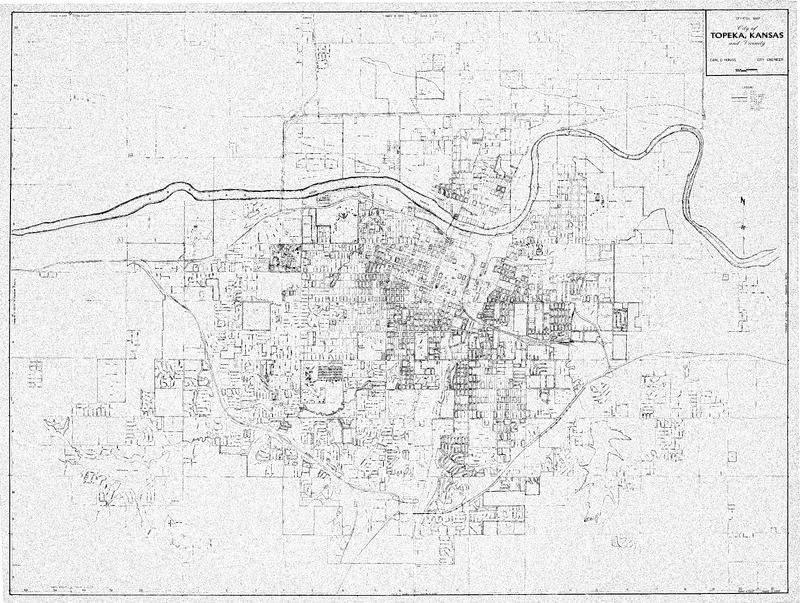
Case Data and Exhibits for Brown III, a relitigation of Brown v. Topeka Board of Education (1954) that corrected resegregation issues caused by open enrollment school choice in 1992. The legend marks all trade schools, junior high schools, and high schools in Topeka and the surrounding vicinity.
Case Data and Exhibits for Brown III, a relitigation of Brown v. Topeka Board of Education (1954) that corrected resegregation issues caused by open enrollment school choice in 1992. The map legend marks trade schools, junior high schools, and high schools as well as railroads, streams, and several boundaries and section lines.
Case Data and Exhibits for Brown III, a relitigation of Brown v. Topeka Board of Education (1954) that corrected resegregation issues caused by open enrollment school choice in 1992. The legend marks all elementary schools, trade schools, junior high schools, and high schools, as well as corporate limits in Topeka and the surrounding vicinity.
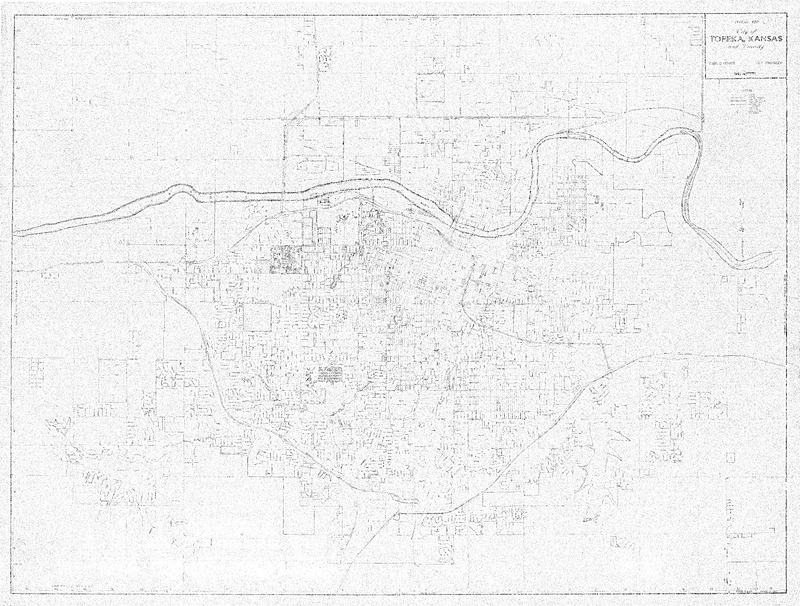
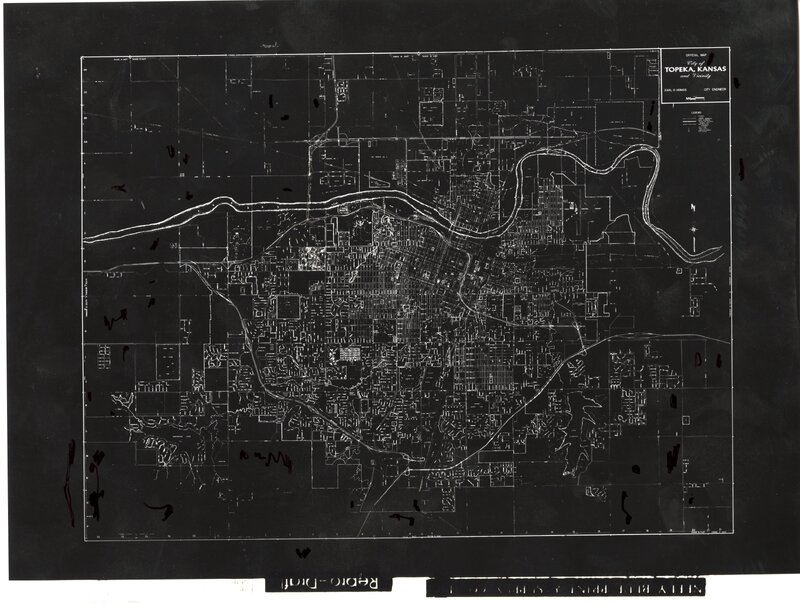
Case Data and Exhibits for Brown III, a relitigation of Brown v. Topeka Board of Education (1954) that corrected resegregation issues caused by open enrollment school choice in 1992. Overhead projector transparency of a map City of the city of Topeka, Kansas, and Vicinity.
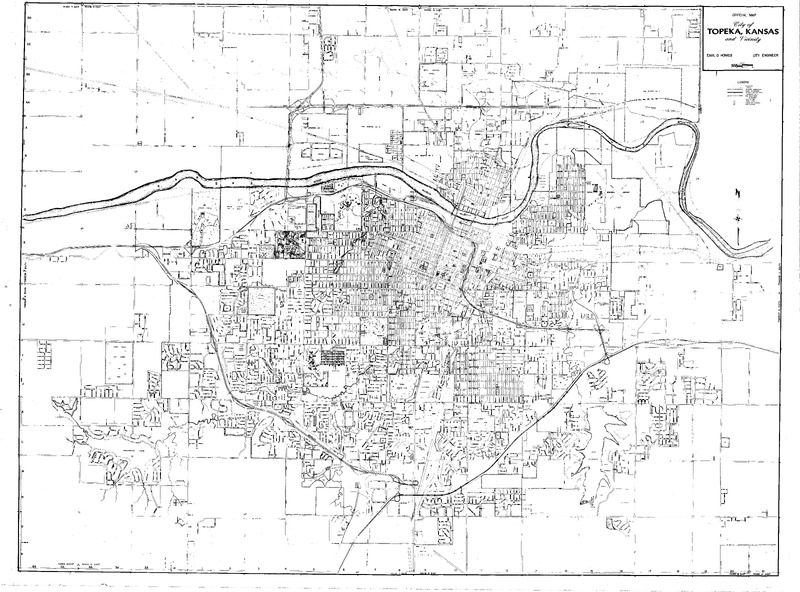
Case Data and Exhibits for Brown III, a relitigation of Brown v. Topeka Board of Education (1954) that corrected resegregation issues caused by open enrollment school choice in 1992. The legend marks all boundaries and schools in Topeka and surrounding vicinity.
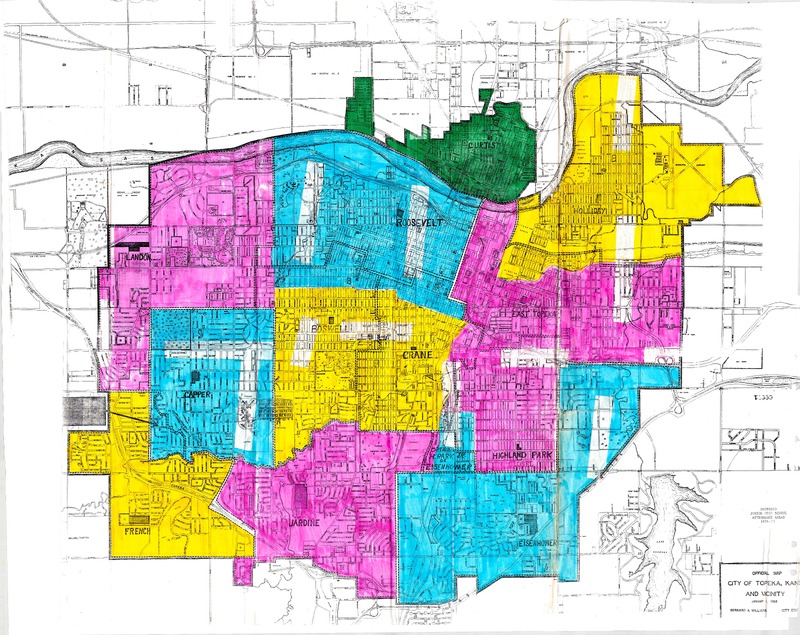
Case Data and Exhibits for Brown III, a relitigation of Brown v. Topeka Board of Education (1954) that corrected resegregation issues caused by open enrollment school choice in 1992. The map shows Proposed Junior High School Attendance Areas for Topeka Public Schools for 1974-1975. William Lamson colored each area with pens and marked the schools.
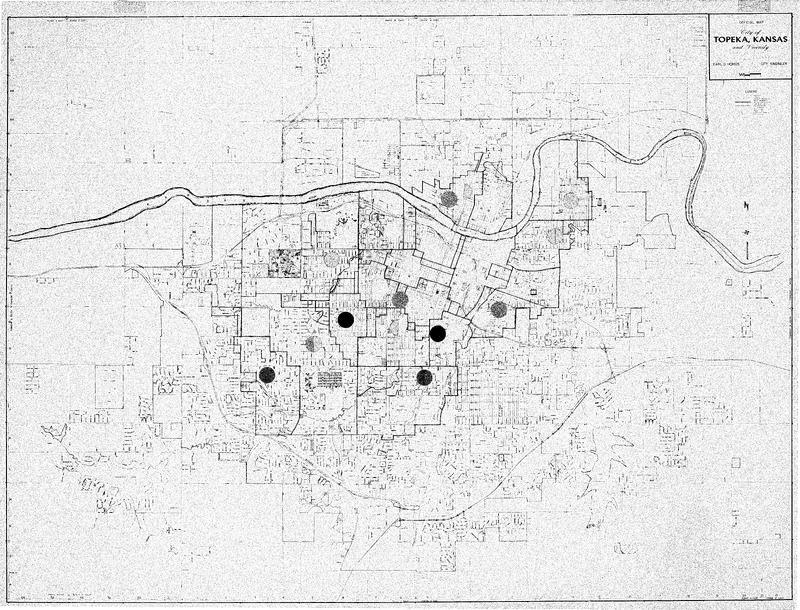
Case Data and Exhibits for Brown III, a relitigation of Brown v. Topeka Board of Education (1954) that corrected resegregation issues caused by open enrollment school choice in 1992. William Lamson used circle-shaped stickers to mark the locations of several schools on the map.
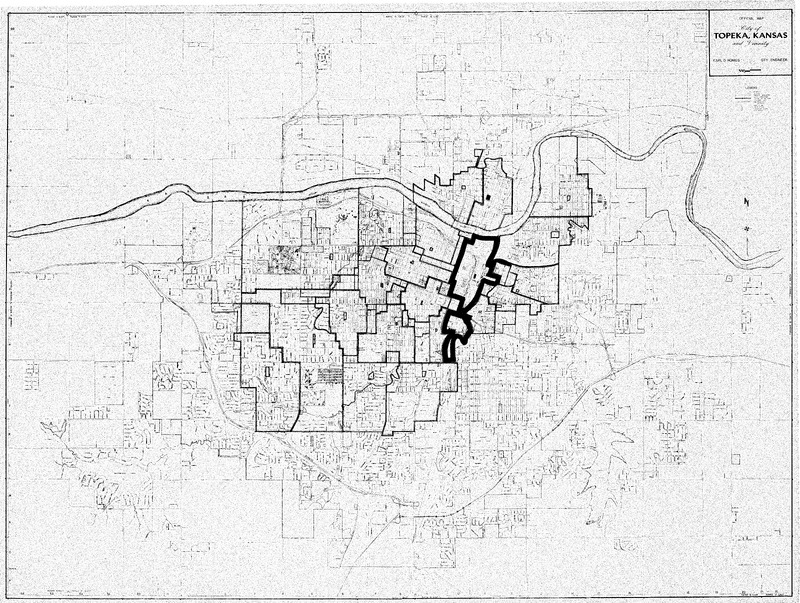
Case Data and Exhibits for Brown III, a relitigation of Brown v. Topeka Board of Education (1954) that corrected resegregation issues caused by open enrollment school choice in 1992. The map includes hand drawn neighborhood and school district boundary markers by William Lamson.
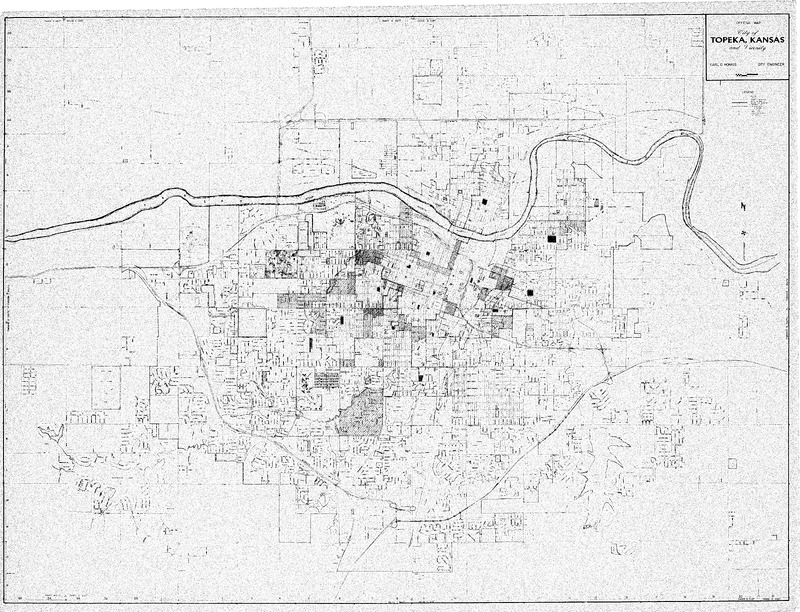
Case Data and Exhibits for Brown III, a relitigation of Brown v. Topeka Board of Education (1954) that corrected resegregation issues caused by open enrollment school choice in 1992. The map includes hand drawn markings by William Lamson that mark different schools, homes, and sections of neighborhoods.
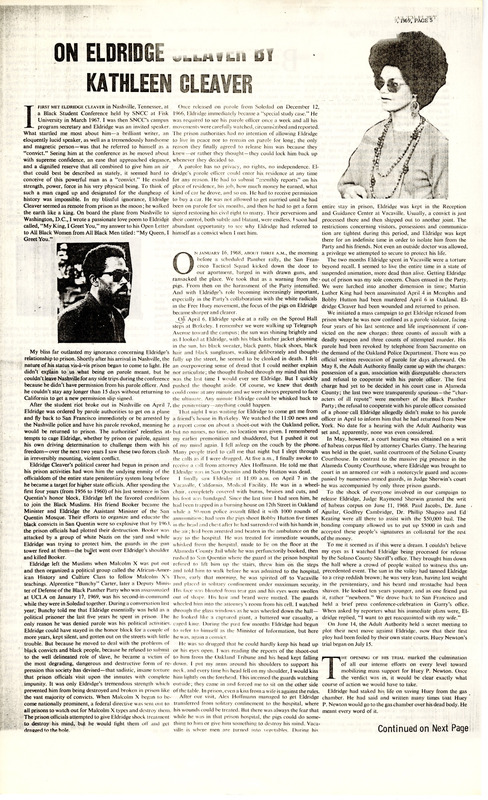
A newspaper article from The Black Panther by Kathleen Cleaver about her relationship with her then-husband Eldridge Cleaver and the legal issues he faced after an April 6, 1968, shootout with the police in Oakland, California. It is noted at the end of the article that it was reprinted from Ramparts Magazine.
The artwork and advertisement in the newspaper The Black Panther for a series of articles titled “On the Ideology of the Black Panther Party” by Eldridge Cleaver. At the time, Cleaver was serving as Minister of Information for the Black Panther Party in Oakland, California.
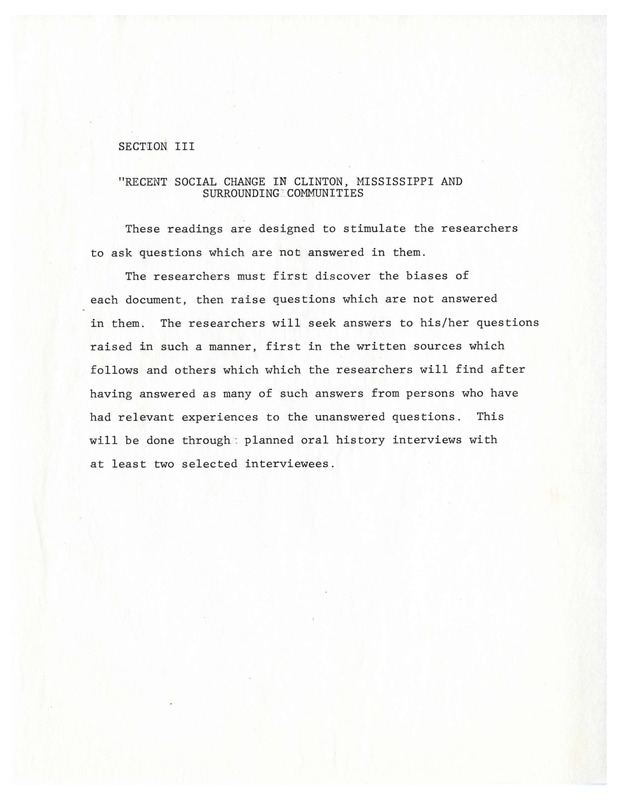
Materials from an oral history workshop held at Jackson State University in conjunction with the Clinton Project Oral History Collection. Includes staff handbook, reading assignments, and schedules.
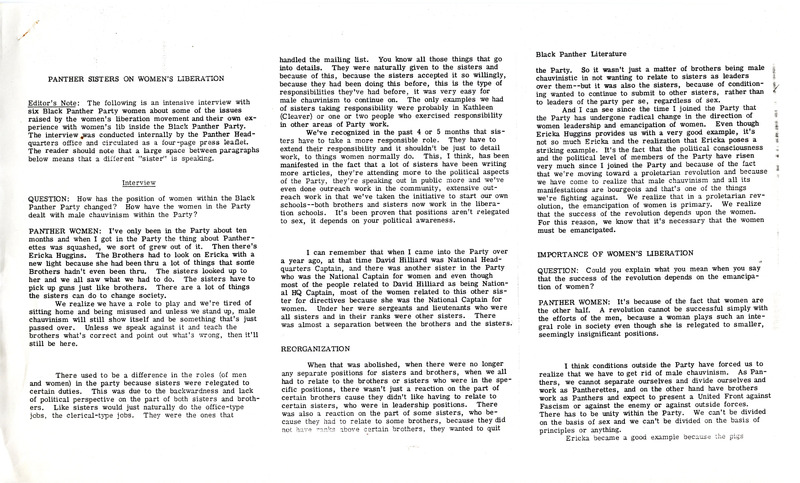
An interview with six unnamed Black Panther Women about the women's liberation movement and their experience with women's liberation within the Black Panther Party itself. The interviews were conducted at the Black Panther Party Headquarters on September 17, 1969 and circulated as a 4 page leaflet.
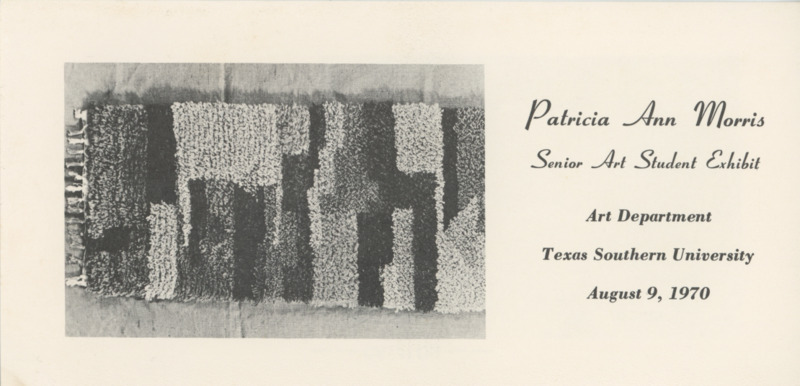
This is a brochure for Morris’ senior art exhibition. The culmination of the Texas Southern art curriculum is a senior exhibition where students showcase artwork created over the course of their undergraduate studies. The brochure features a catalog of the artwork featured in the exhibition, a photo of one of her textiles, and a photo of one of her paintings.
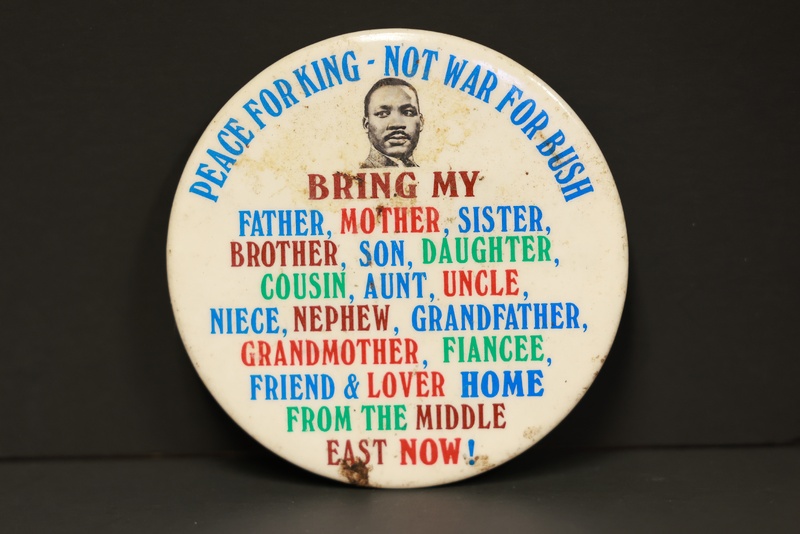
A white button with a picture of Dr. Martin Luther King. The text says "Peace for King-Not War for Bush: Bring my father, mother, sister, brother, daughter, cousin, aunt, uncle, niece, nephew, grandfather, grandmother, fiancee, friend & lover home from the Middle East now!"