This collection showcases the rich legacies of HBCUs through ephemera and material objects, including maps, blueprints, audiovisual materials, newspaper articles, buttons, collectibles, memorabilia, clothing and accessories, scrapbooks, speeches, photographs, brochures, and posters.
Date Modified
2025-12-17
About This Record
The HCAC public history focused digital archive cataloging is an ongoing process, and we may update this record as we conduct additional research and review. We welcome your comments and feedback if you have more information to share about an item featured on the site, please contact us at: HCAC-DigiTeam@si.edu
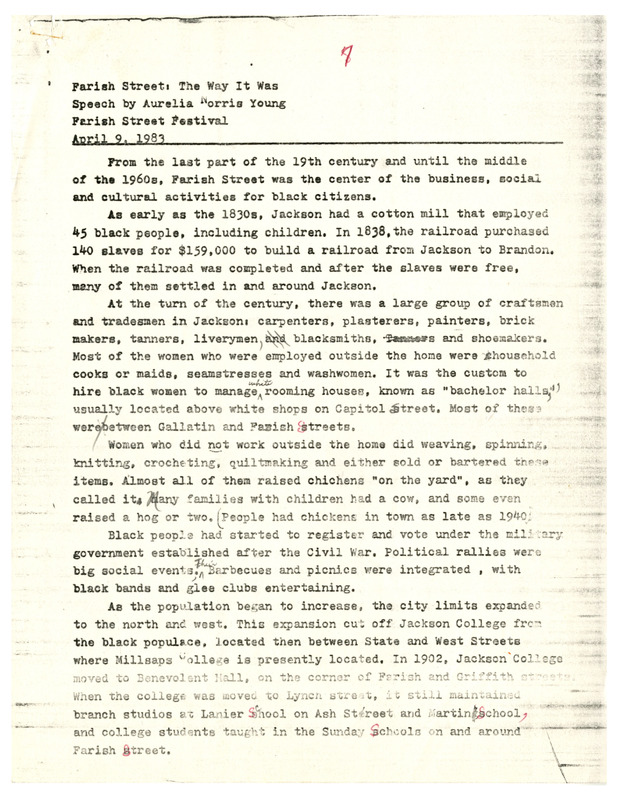
Aurelia Norris Young was a prominent Civil Rights activist and professor of music at Jackson State College and Tougaloo College. She gave this speech on the history of the Farish Street Historic District on April 9, 1983, at the Smith Robertson Neighborhood Folklife Festival, which honored the history and legacy of the district.
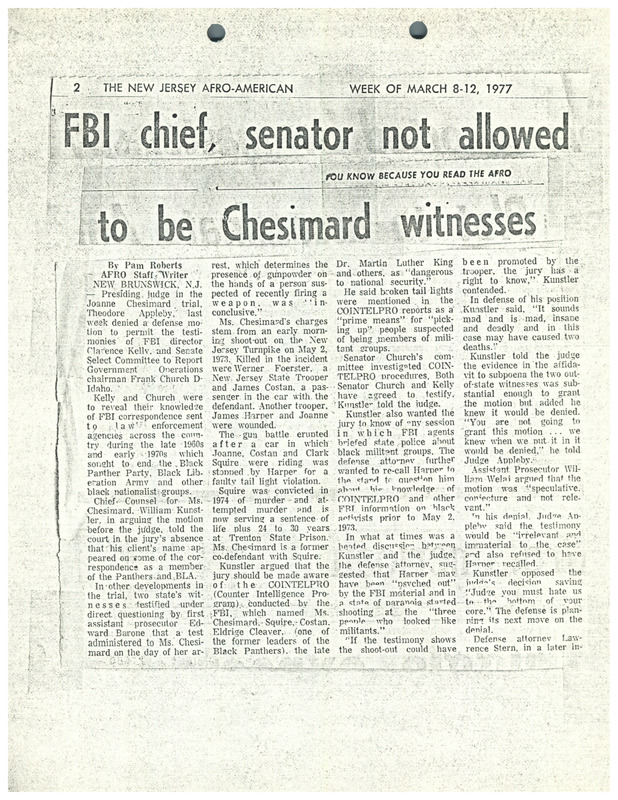
A newspaper article from The New Jersey Afro-American about Judge Theodore Appleby barring the testimony of an FBI agent and senator. Chief defense attorney William Kunstler wanted to use the testimony to establish a police conspiracy against Black militants in the trial of Assata Shakur (JoAnne Chesimard) for the 1973 killing of a state trooper.
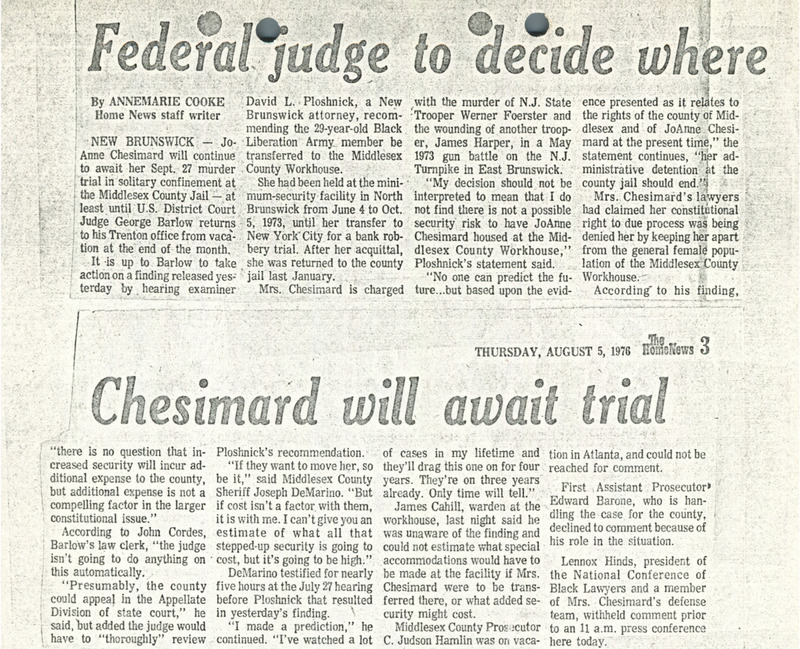
A newspaper article from The Home News about the murder trial of Assata Shakur (JoAnne Chesimard) for the 1973 killing of a state trooper. She will remain in solitary confinement at least until U.S. District Court Judge George Barlow returns from vacation at the end of August to take action on the motion to move her to women's general population.
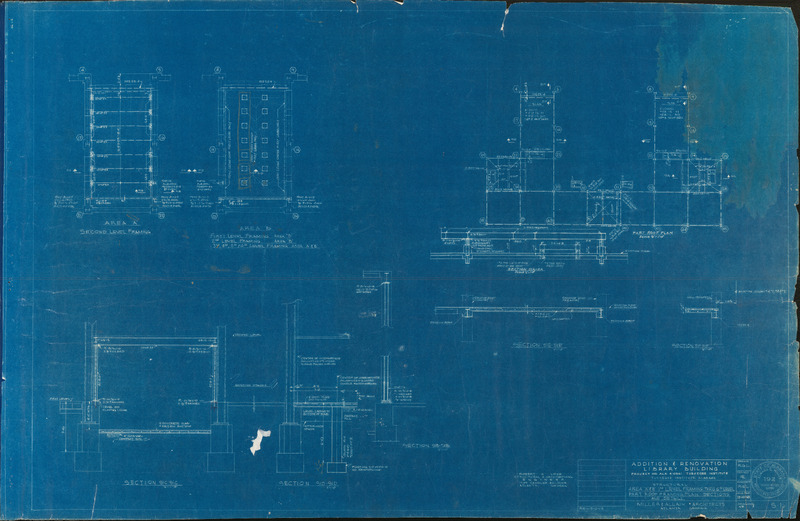
The first structural blueprint drawing of the additions and renovations for the Library Building at Tuskegee Institute loacted in Tuskegee, Alabama. This blueprint drawing shows the 1st - 6th Level Framing/Part Roof Framing Plan.
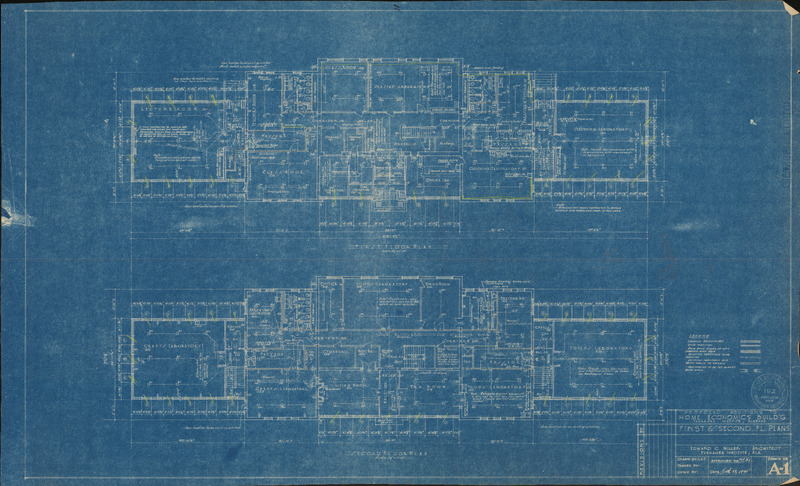
A annotated blueprint for the first and second floor plan drawing blueprint for the Home Economics Building at Tuskegee Institute. Drawing consists of a legend, layout of both floors, measurements for all rooms.
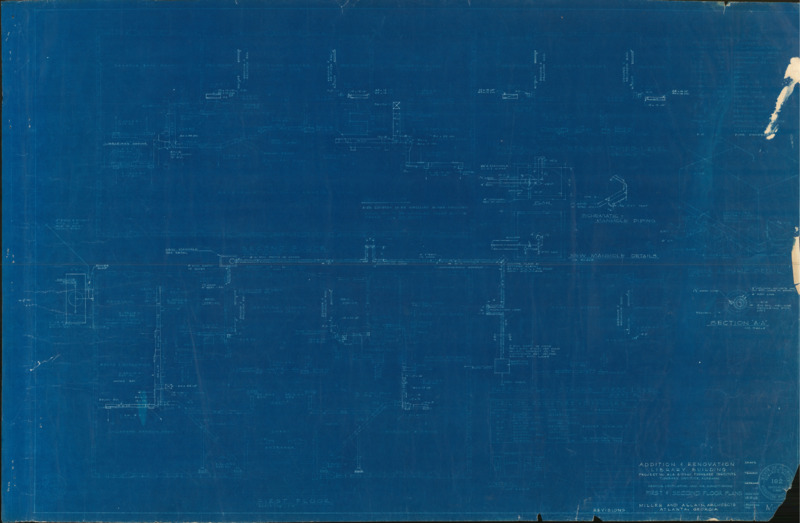
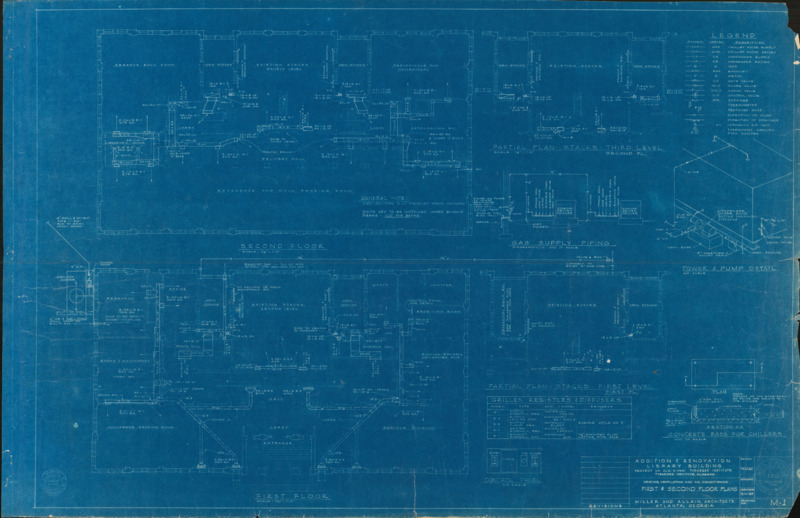
1st mechancial drawing blueprint for the heating, ventilating, and air conditioning of the additions and renovations of the proposed Library Building at Tuskegee Institute located in Tuskegee, Alabama.
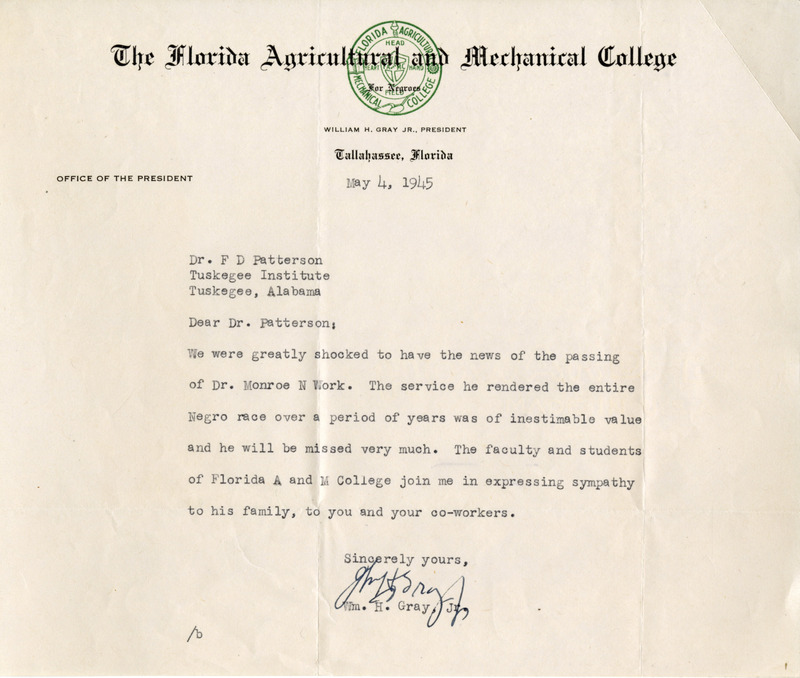
One-page document from Florida Agricultural & Mechanical University's fourth president William H. Gray Jr. offering condolences to Tuskegee president Dr. Frederick D. Patterson on the loss of Monroe N. Work. The work that Monroe N. Work did for the negro race is immeasurable.
Francis Alexander did extensive Civil Rights Movement work in Rolling Fork, Mississippi, in the 1960s. In this interview, Ms. Alexander talks in detail about that work as well as her work in the greater Rolling Fork community. Later, she went on to open a Head Start school in her home after she began teaching her own children how to read and write.
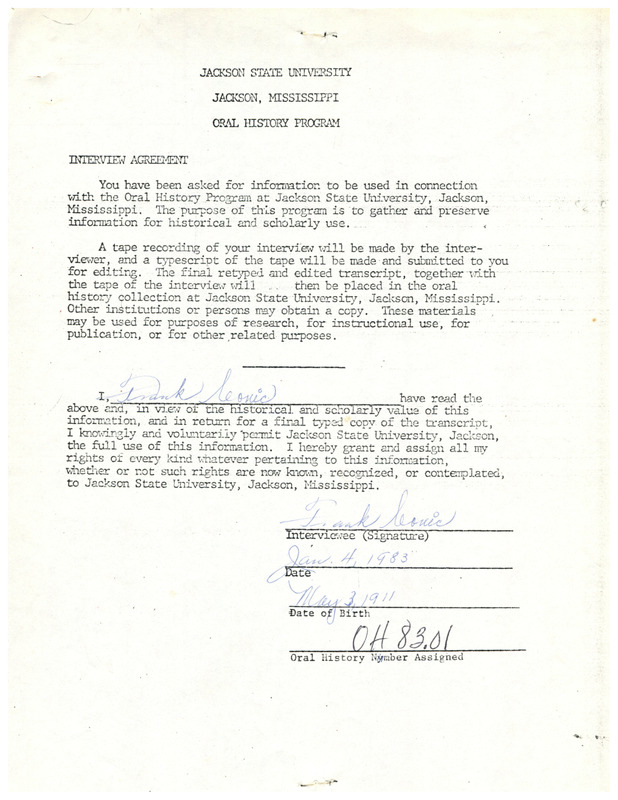
Frank Conic moved to the Farish Street District in 1919. He talks about his time growing up on Farish Street and working as a barber with his father while in high school. In 1950 he opened Conic Beauty and Barber Supply and he talks about that experience as a business owner in the district. The transcript is heavily edited with handwritten notes.
Fred Banks Jr. served in the Mississippi House of Representatives from 1976-1985 and Circuit Judge for the 7th Circuit District from 1985-1991. He details his experiences in the state legislature and his journey running for office. He also describes the early beginnings of the Mississippi Black Caucus and his mentorship under Robert Clark.
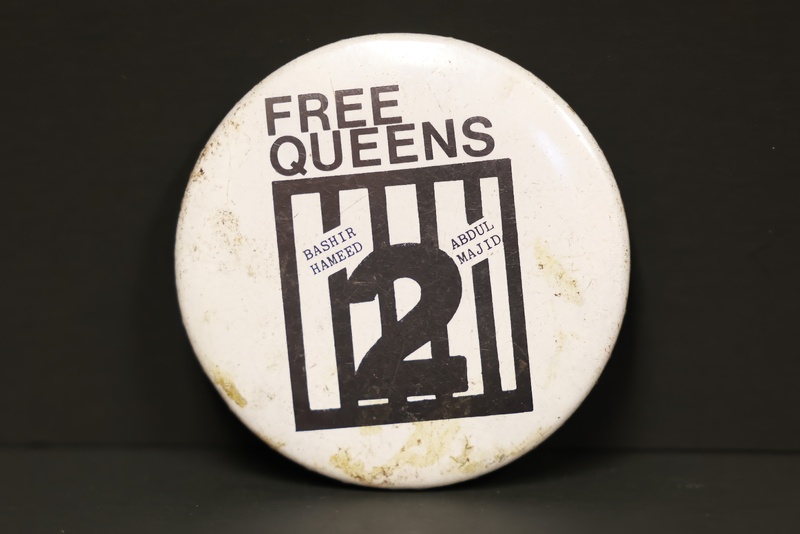
A white button in support of freeing the "Queens 2." Their names, Bashir Hameed and Abdul Majid, are listed on the button. The two members of the Black Liberation Army were sentenced to 33 years in prison for the 1981 murder of a New York cop. They were considered political prisoners because of discrepancies in their cases and convictions.
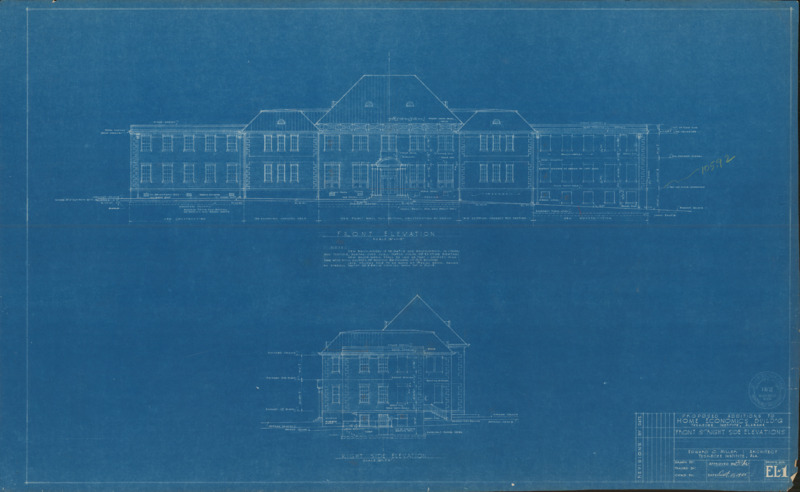
A construction blueprint drawing for the Home Economics Building under the electrical drawing section of the plans. This drawing shows the front and right-side elevations.
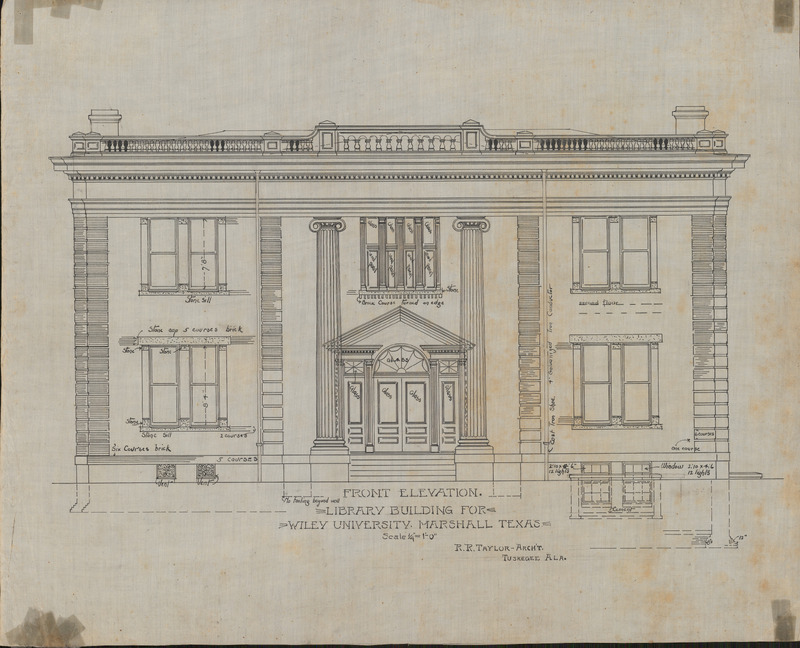
A construction front elevation drawing blueprint of the Library Building at Wiley University. This drawing the front face of the building depciting stone placement, brick placement, window and light placements, and pillars.
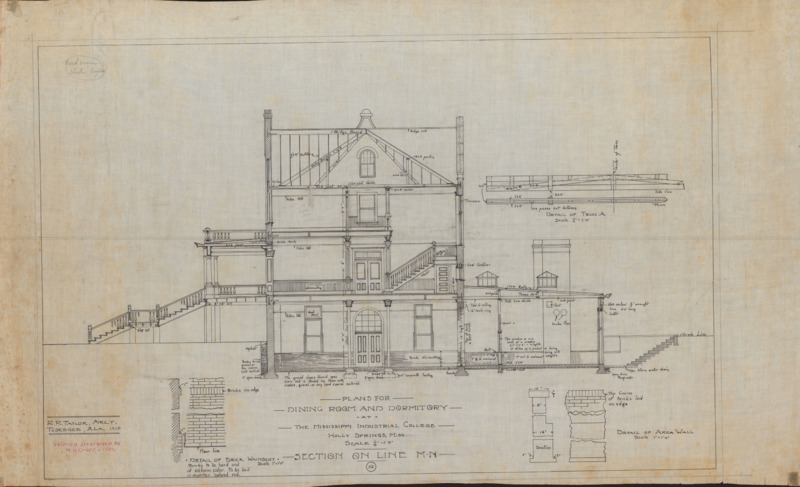
A white and balck architectural drawing created by Robert R. Taylor in 1910 for a dormitory/dining hall for Mississppi Industrial College. The drawing scale is 1/4' 1 foot 0 inches. This drawing shows in depth measurements regarding stair, wall, ground elevations as well as the brick type for the building.
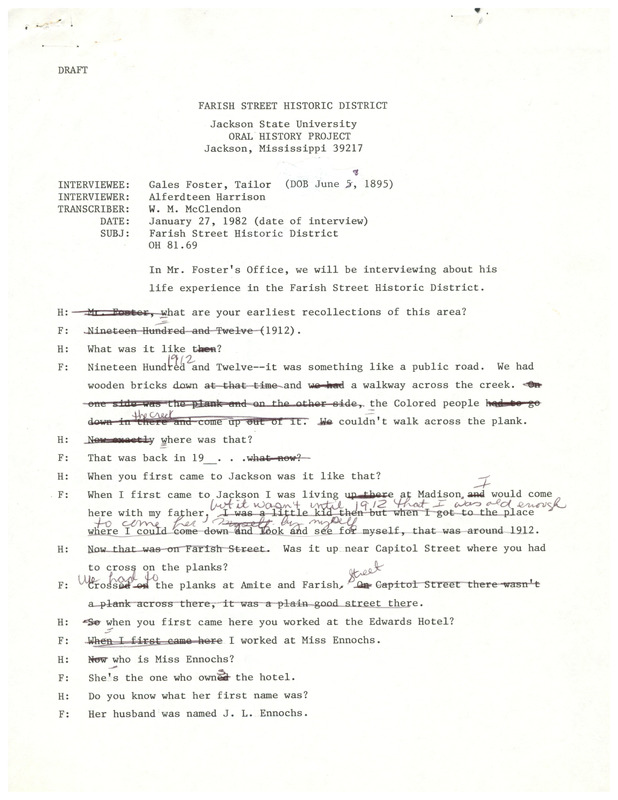
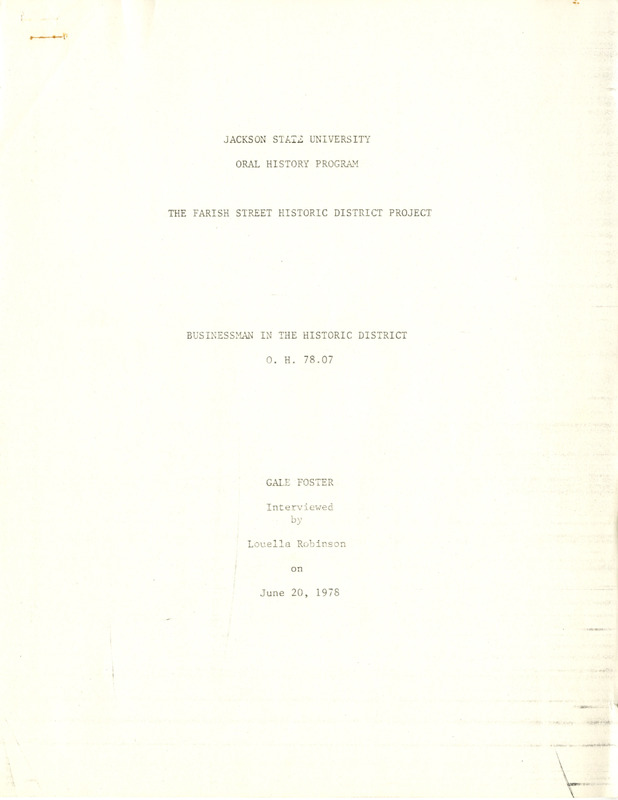
Gale Foster talks about his oldest memories of visiting the Farish Street District, dating back to 1912 when Farish Street was a dirt road. Mr. Foster went on to own a tailor shop on Farish Street and he discusses his history as a tailor and his life as a business owner. The transcript is heavily edited with handwritten notes.
Gale Foster moved to Jackson in 1912, attended Jackson State from 1912-1913, and opened City Barber, Beauty, and Tailor Shop in the Farish Street District in 1919. He talks about the current state of the district as well as offering advice to future Black business people, namely to get an education before starting a business.
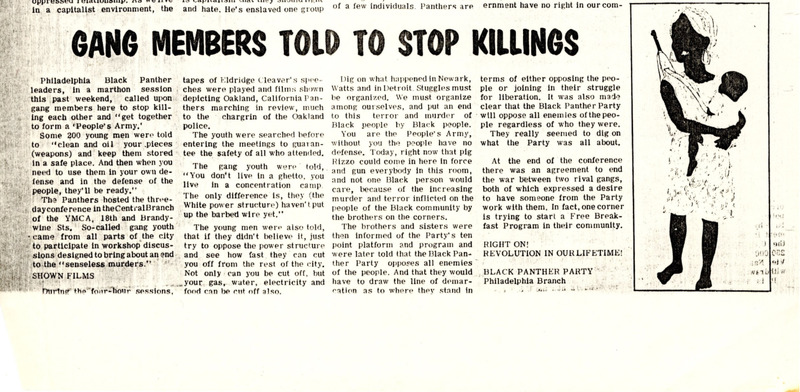
A newspaper article from The Black Panther that describes the calls from Philadelphia, Pennsylvania, Party leaders for gangs in the city to stop the violence and “get together to form a ‘People’s Army,’” This call was made during a three day conference in Philadelphia that brought together gang members and Party leaders to discuss ending violence.
Gaynette Pugh participated in the Civil Rights Movement in Gulfport, Mississippi, during Freedom Summer in 1964. It was during this work that she was introduced to the Child Development Group of Mississippi (CDGM), where she and others worked to organize the first Head Start program in the area.
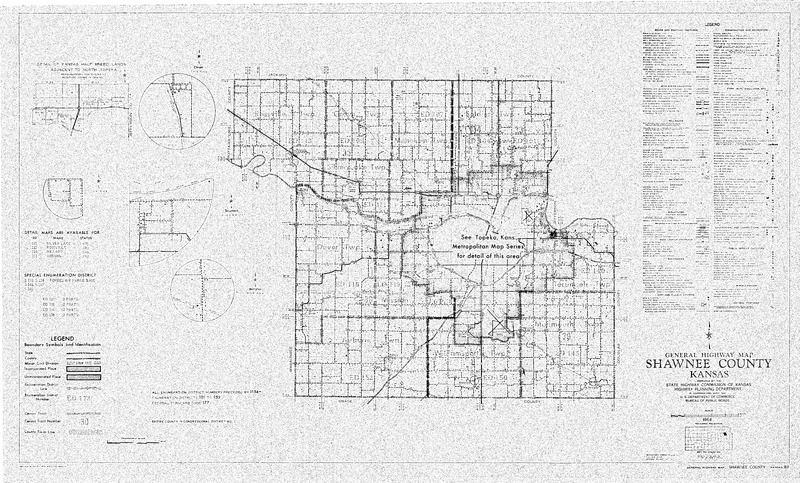
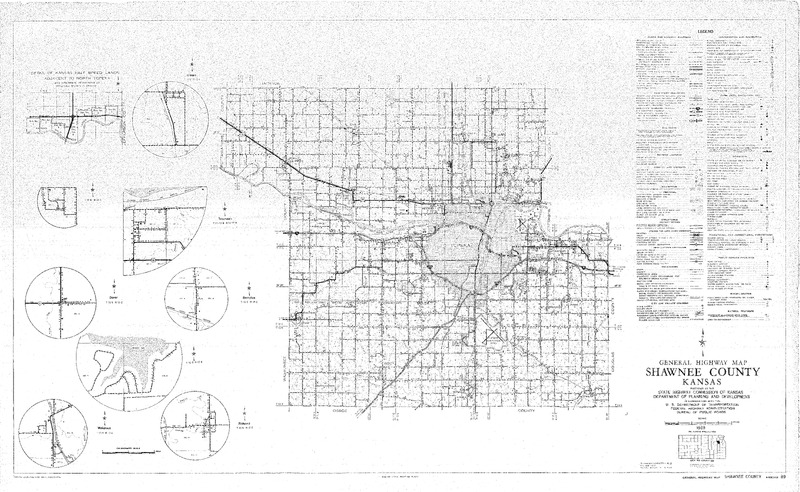
Case Data and Exhibits for Brown III, a relitigation of Brown v. Topeka Board of Education (1954) that corrected resegregation issues caused by open enrollment school choice in 1992. The legend marks roads and roadway features; airways and airports; drainage; structures; conservation and recreation; public service facilities and more.
Case Data and Exhibits for Brown III, a relitigation of Brown v. Topeka Board of Education (1954) that corrected resegregation issues caused by open enrollment school choice in 1992. The legend marks roads and roadway features; public service facilities and more. The left-hand side of the map contains more detailed views of several communities.
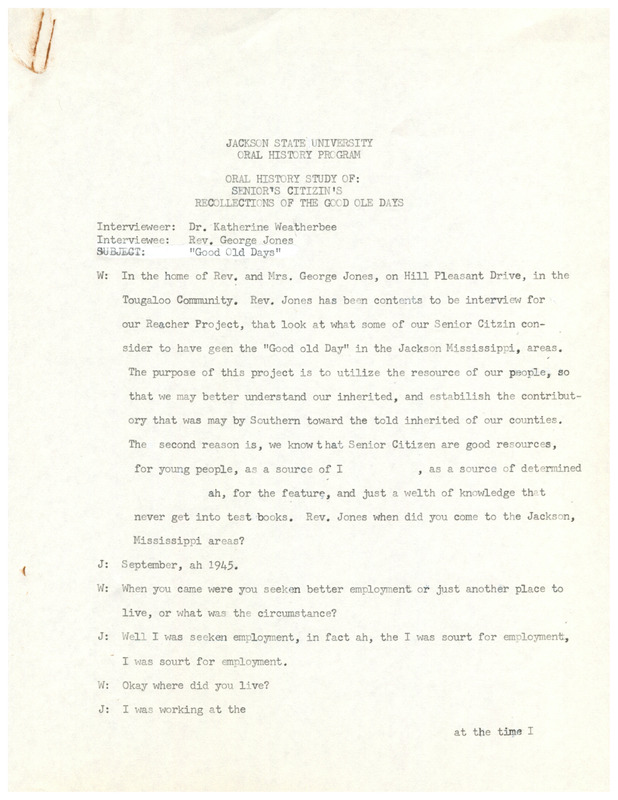
Rev. George Jones moved to the Jackson area in 1945 to work as a college instructor. He discusses his first impressions of Jackson as an educator living on the Tougaloo campus while teaching home economics. He also talks about Sunday school, family, and the positive aspects and culture of the time. The transcript contains handwritten edits.
George Jamison began working for Head Start in 1964 under Child Development Group of Mississippi (CDGM) and decided to keep working after the change over to Mississippi Action for Progress, Inc (MAP). He talks about his travels through Mississippi to meet with communities and promote Head Start after the change. This is the first interview of 2.
In this second of two interviews, George Jamison talks about his role in policy decision and policy writing for the Head Start program. His first position in Head Start was with social services and he began writing policies from there. He also discusses the relationship between Head Start and the Civil Rights Movement in the 1960s.