The HCAC public history focused digital archive cataloging is an ongoing process, and we may update this record as we conduct additional research and review. We welcome your comments and feedback if you have more information to share about an item featured on the site, please contact us at: HCAC-DigiTeam@si.edu
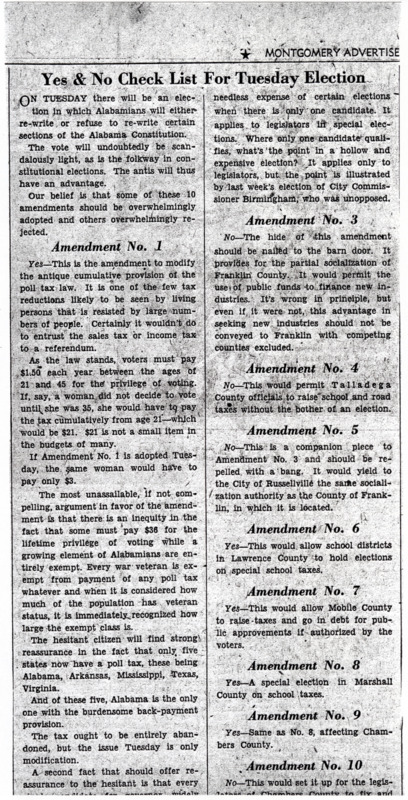
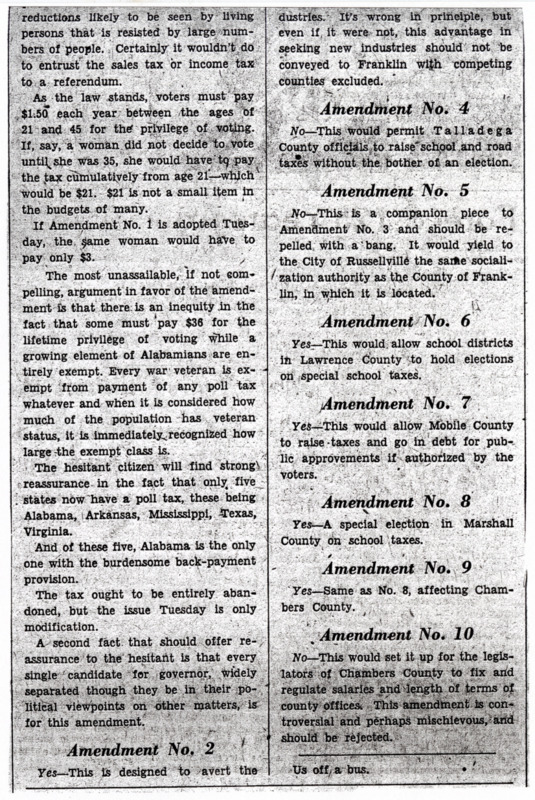
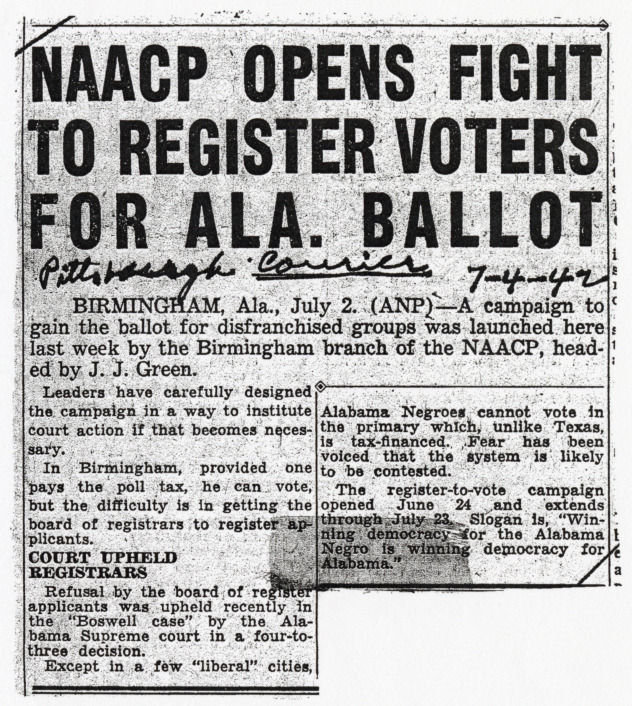
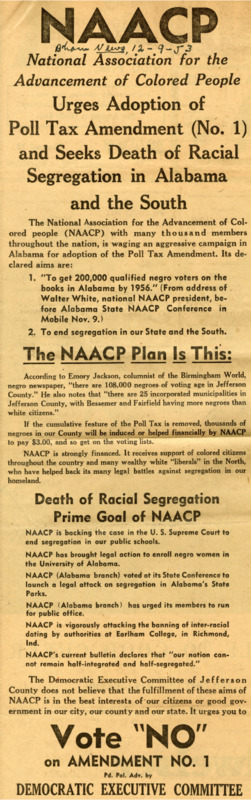
A collaboration between the NAACP and Negro Alabama Progressive Democratic Association. These groups are informing the Black community of the importance of voting for Poll Tax Reduction Amendment.
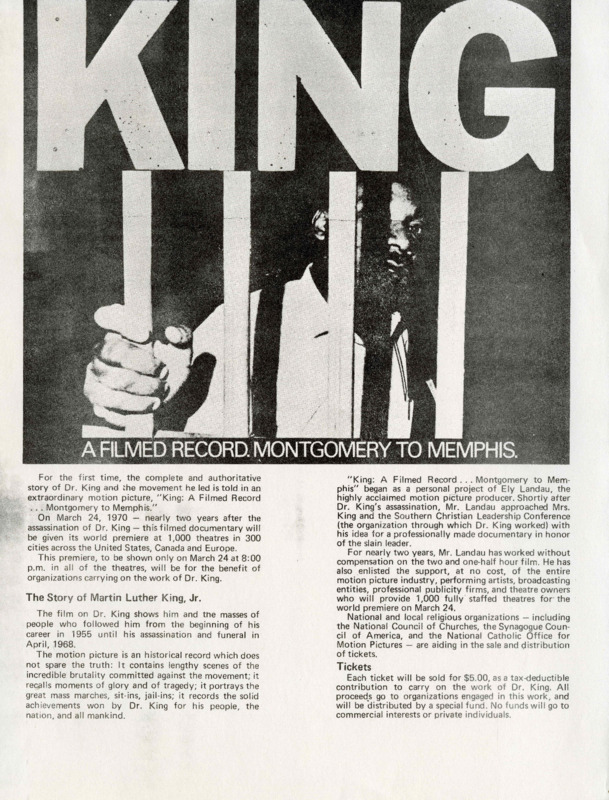
A document that will show the life of Dr. Martin Luther King, Jr. from the beginning of his career in 1955 to his assassination and funeral in 1968 will be available for one time only.
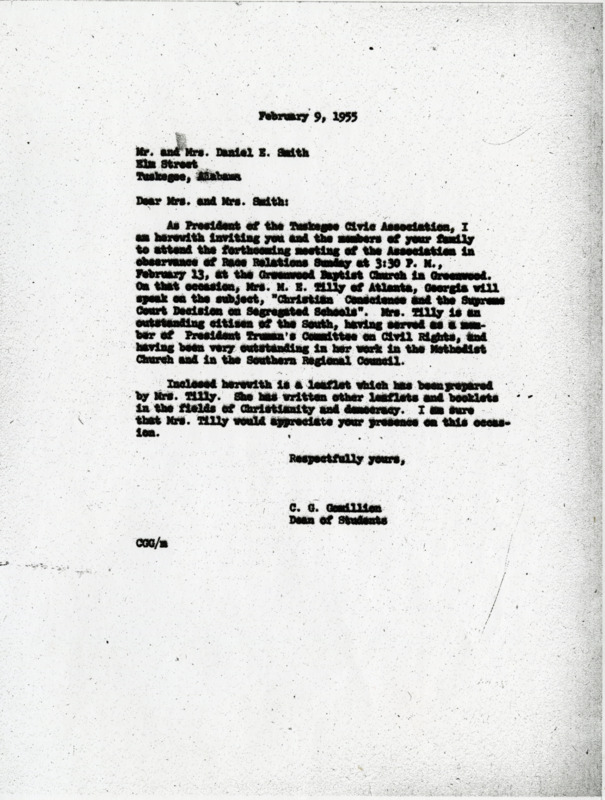
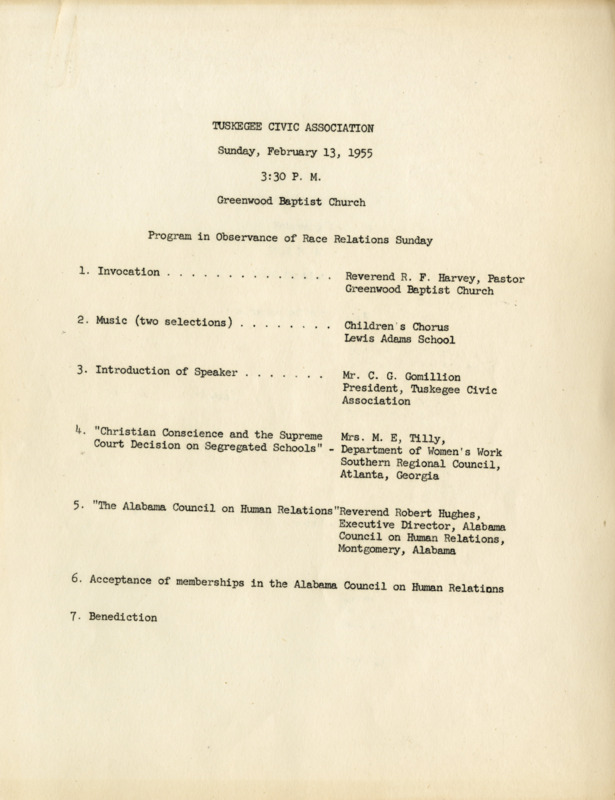
A invitation letter written by Charles Gomillion to Mr. and Mrs. Smith to hear Mrs. Tilly give a lecture on race relations at Greenwood Baptist Church.
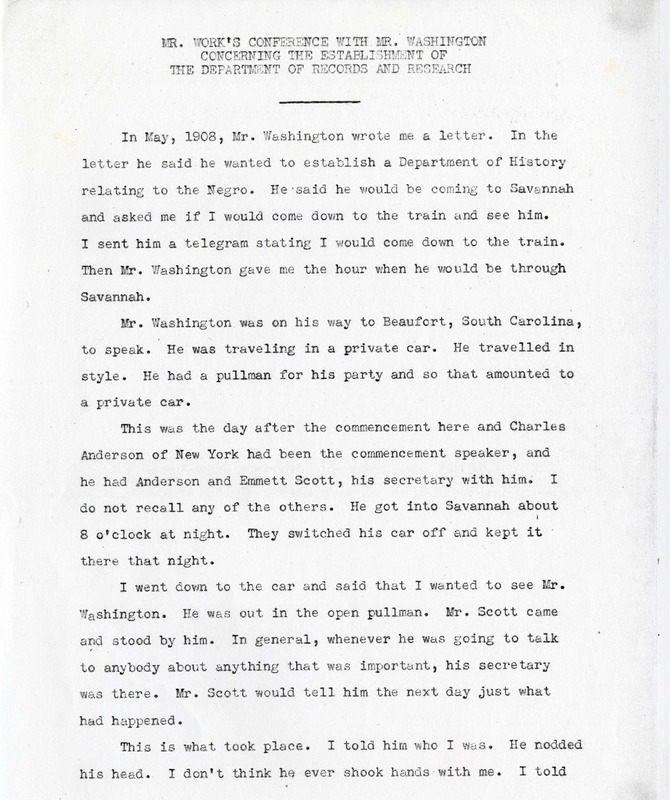
Four-page document summarizing Monroe N. Work's May 1908 meeting with Booker T. Washington in Savannah, Georgia as well the origins of the Records and Research Department at Tuskegee.
Muhammad Ali discussed his life since defeating Cleveland Williams in the Astrodome, his conversion to the Nation of Islam, and his decision to change his name from Cassius Clay to Muhammad Ali. Ali then discussed his views on the efforts of the major Civil Rights leaders and their movement to seek equality.
A document expressing the NAACP’s desires for the adoption of an amendment that will end poll tax not just within Macon County, AL but the entire state of Alabama.
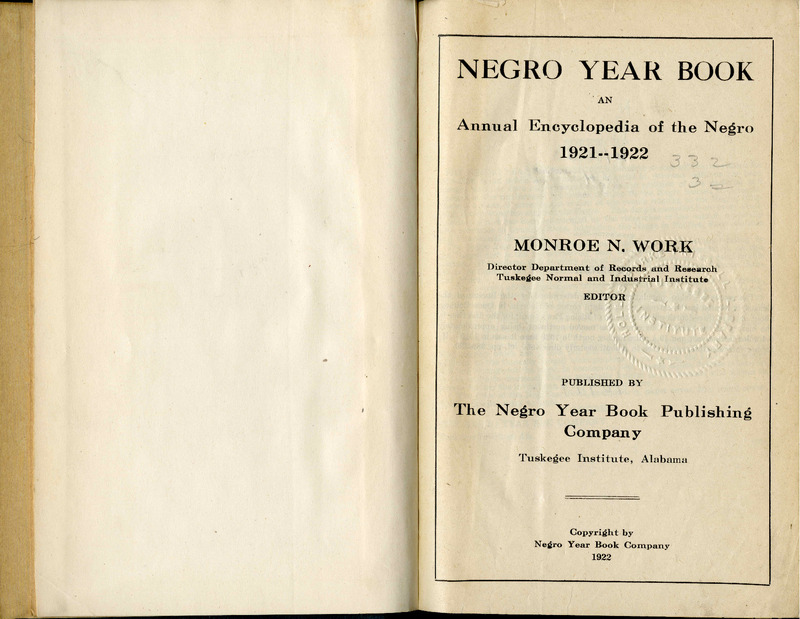
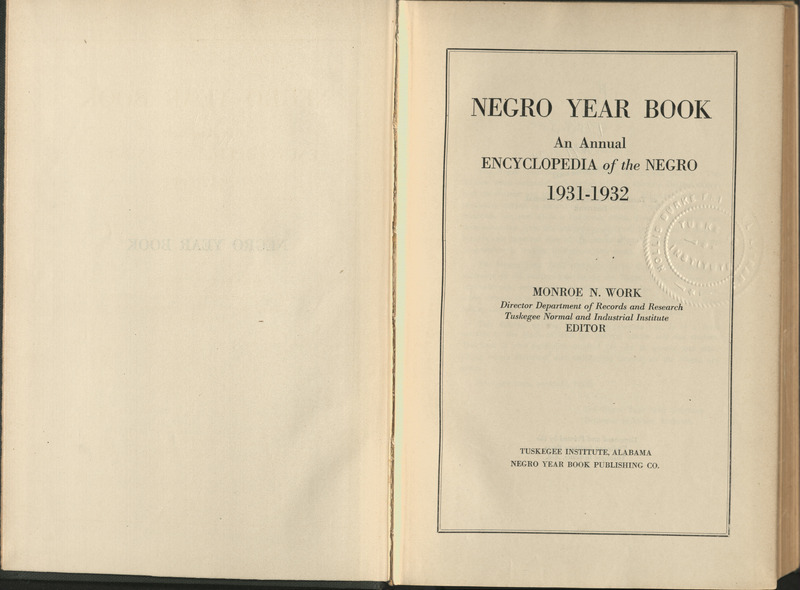
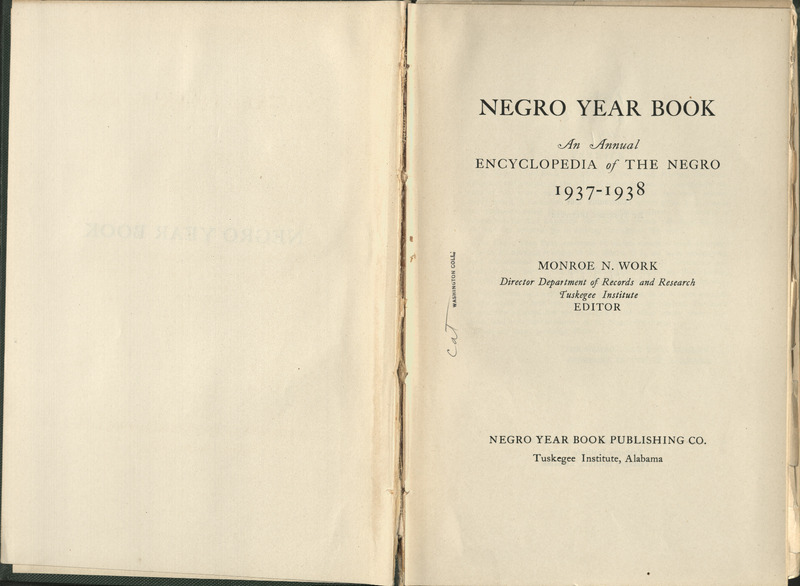
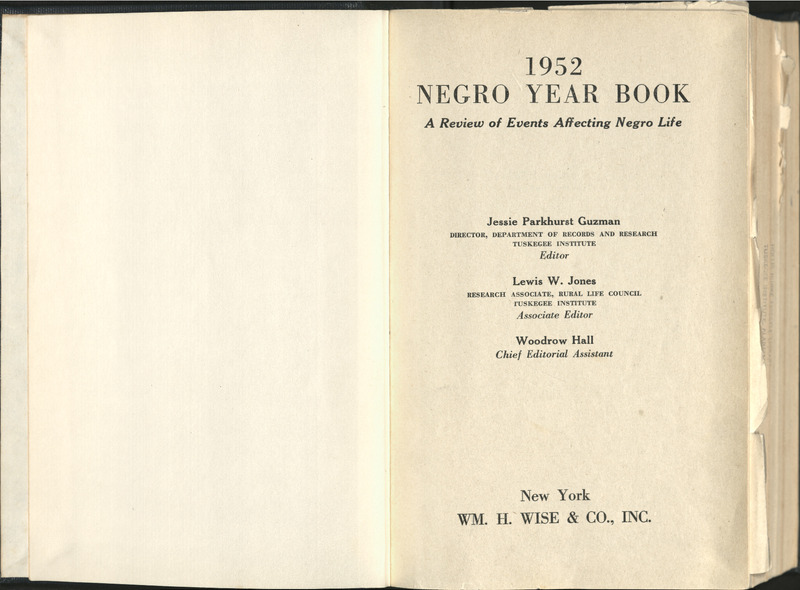
The Negro Yearbooks was an annual encyclopedia of the Negro published at Tuskegee University from 1912-1952. This chapter describes the history of slavery, abolition and freedom in the United States from 1645 to 1865.
The Negro Yearbook was an annual encyclopedia of the Negro published at Tuskegee University from 1912-1952. This chapter details the civil and political status of the Negro before 1865 to the early twentieth century.
The Negro Yearbook was an annual encyclopedia about African Americans, published at Tuskegee University from 1912 to 1952. This chapter focuses on the future of African American music.
The Negro Yearbook was an annual encyclopedia about African Americans, published at Tuskegee University from 1912 to 1952. This chapter details the growth of African American businesses since 1865.
The Negro Yearbook was an annual encyclopedia about African Americans, published at Tuskegee University from 1912 to 1952. This chapter details African Americans in politics since the end of the Civil War.
The Negro Yearbook was an annual encyclopedia of the negro published at Tuskegee University from 1912-1952. This chapter describes the importance of church to the African American community.
The Negro Yearbook was an annual encyclopedia about African Americans, published at Tuskegee University from 1912 to 1952. This chapter contains information on health and housing for African Americans.
The Negro Yearbooks were an annual encyclopedia of the negro published at Tuskegee University from 1912-1952. A chapter describing the Negro in health and medical facilities.
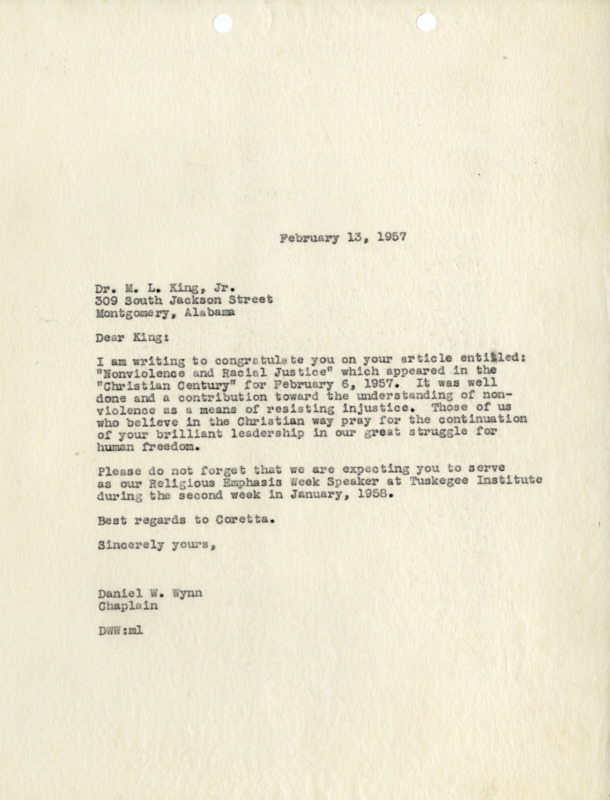
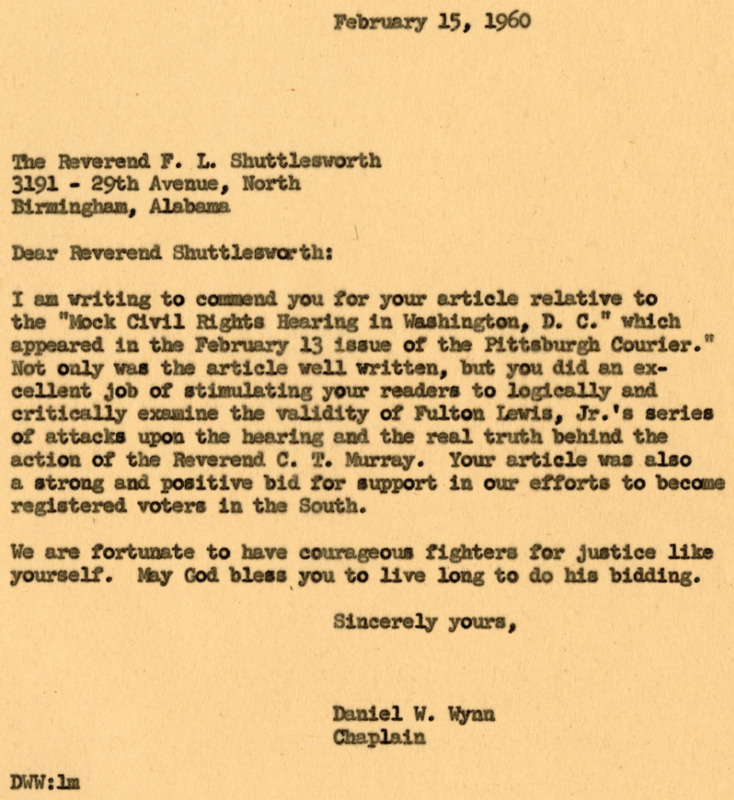
A letter from Chaplain Wynn to Dr. Martin Luther King Jr. congratulating him on his article Nonviolence and Racial Justice in the Christian Century Newspaper. Chaplain Wynn also reminded Dr. King that, he is expected to serve in Religious Emphasis Week in 1958.
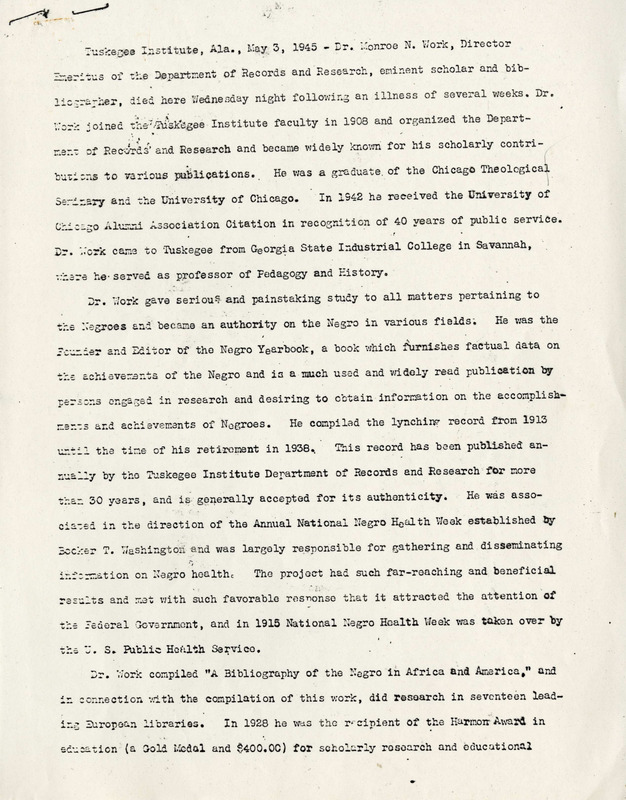
Two-page obituary or press release from Tuskegee regarding the life and death of Monroe N. Work. Includes information on scheduled funeral services, rites, and internment for Dr. Work.
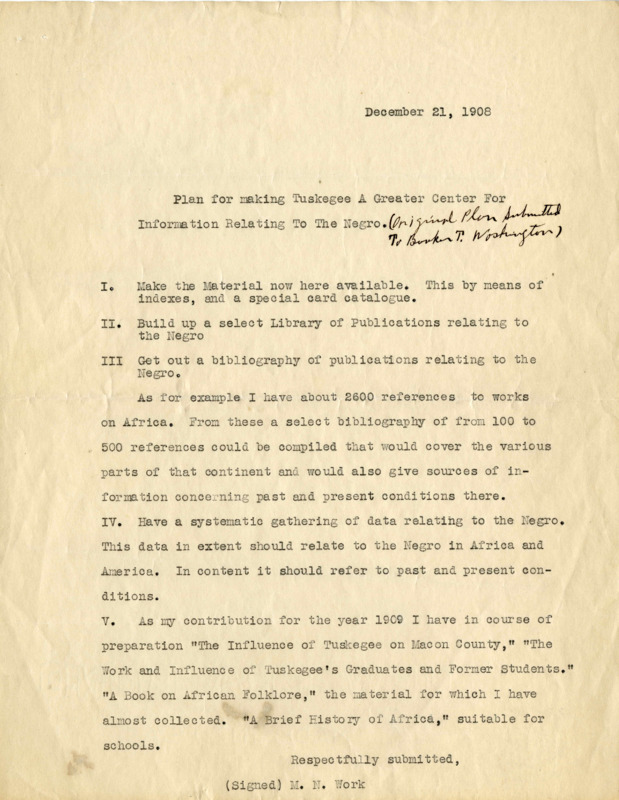
One-page typed document outlining Work's five-step plan, including building a library, releasing a bibliography, and creating a systemic gathering of data. "Original plan submitted to Booker T. Washington," is handwritten on document.