The HCAC public history focused digital archive cataloging is an ongoing process, and we may update this record as we conduct additional research and review. We welcome your comments and feedback if you have more information to share about an item featured on the site, please contact us at: HCAC-DigiTeam@si.edu
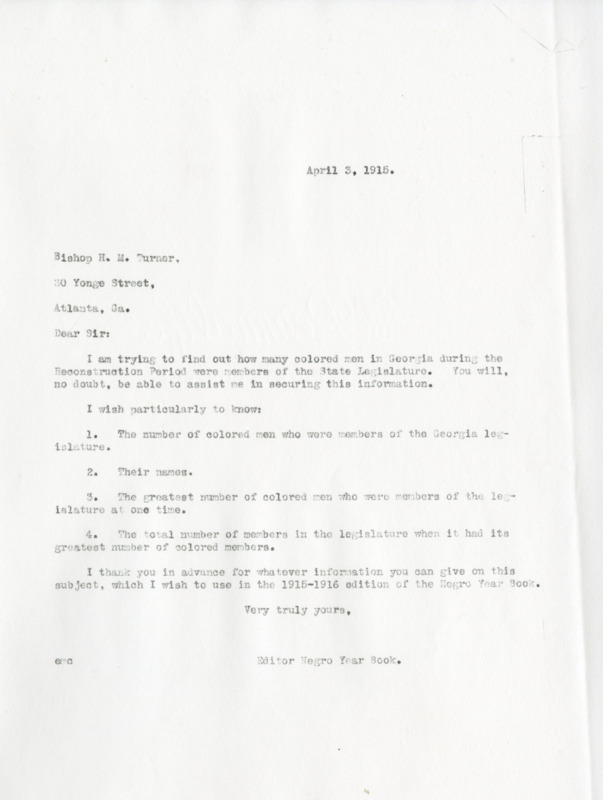
A one page letter from Dr. Work to Bishop Henry McNeal Turner rquesting information pertaining to the colored men who served in the Georgia legislature during Reconstruction.
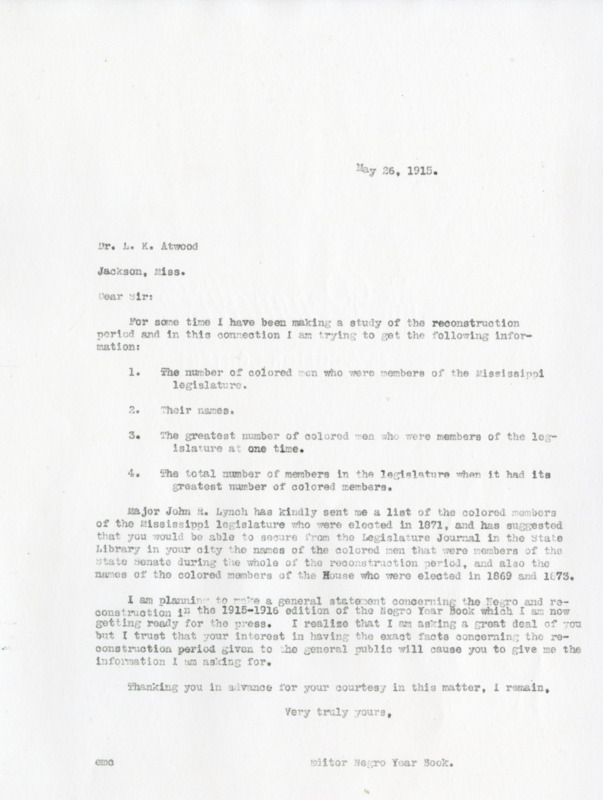
A one page letter from Dr. Work to Dr. L. K. Atwood rquesting information pertaining to the colored men who served in the Mississippi legislature during Reconstruction for the 1915-1916 Negro Yearbook.
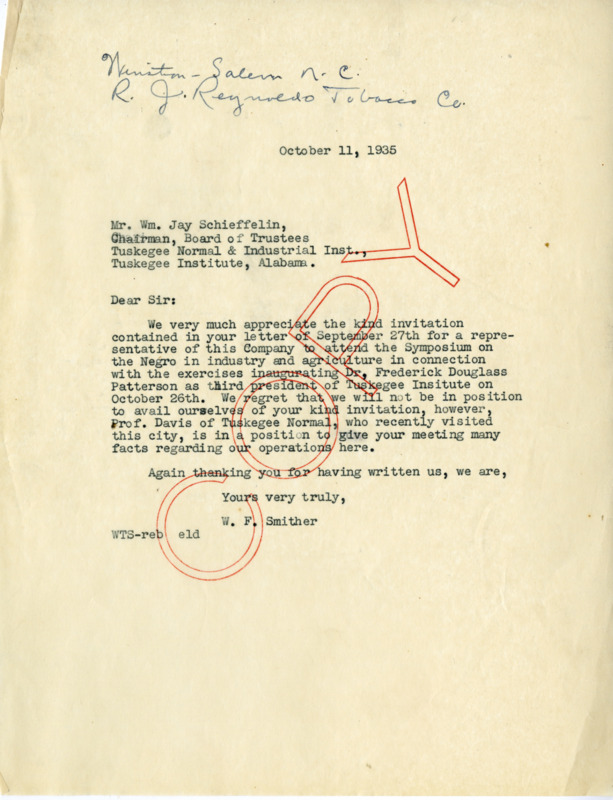
Letter from W. M. Smither to William Jay Schieffelin declining an invitation to attend the "Symposium on the Negro" at Tuskegee Institute. "Winston-Salem, N.C., R. J. Reynolds Tobacco Company" is handwritten across the top of the letter.
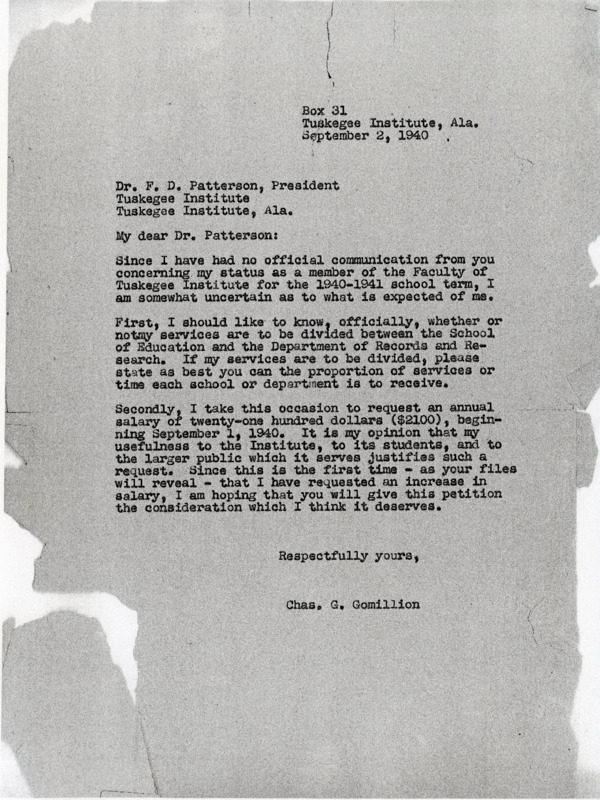
A letter from Charles G. Gomillion, the Dean of Students of Tuskegee University and president of the Tuskegee Civic Association, to President Patterson inquiring about his status as employment status for the 1940-1941 academic year.
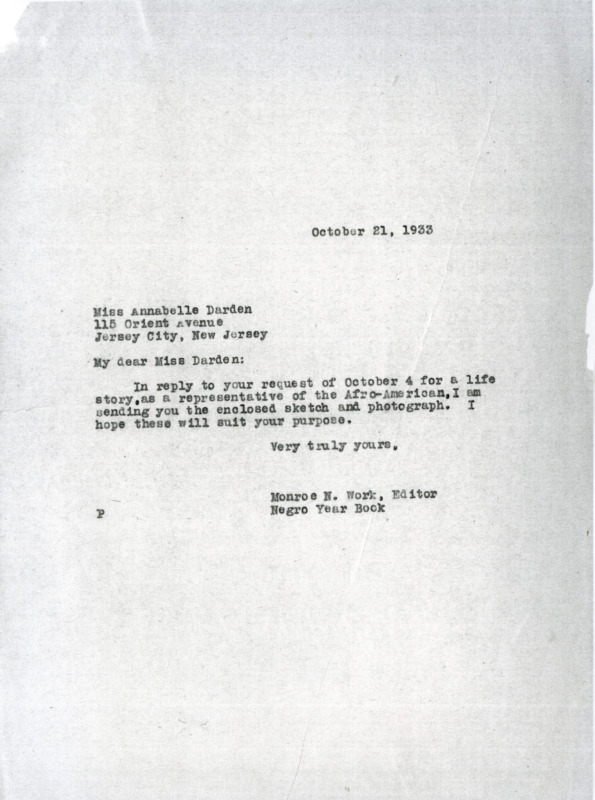
One-page letter responding to Anabelle Darden's request for information about Monroe N. Work to include in the New Jersey Afro-American newspaper. Work included a sketch of his life story and a photograph with his response.
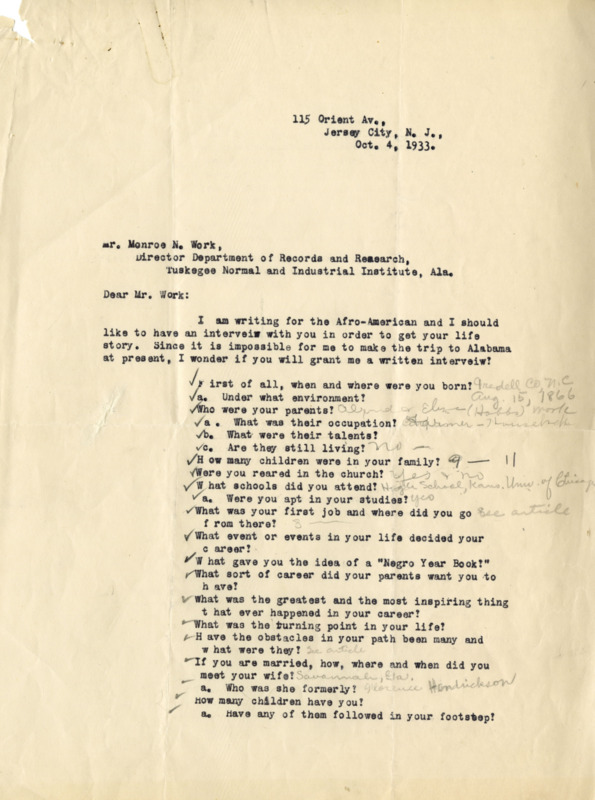
Two-page letter seeking information from Monroe N. Work about his life for inclusion in the New Jersey Afro-American newspaper. More than 20 questions are listed in the letter, some of which have responses next to them written in pencil.
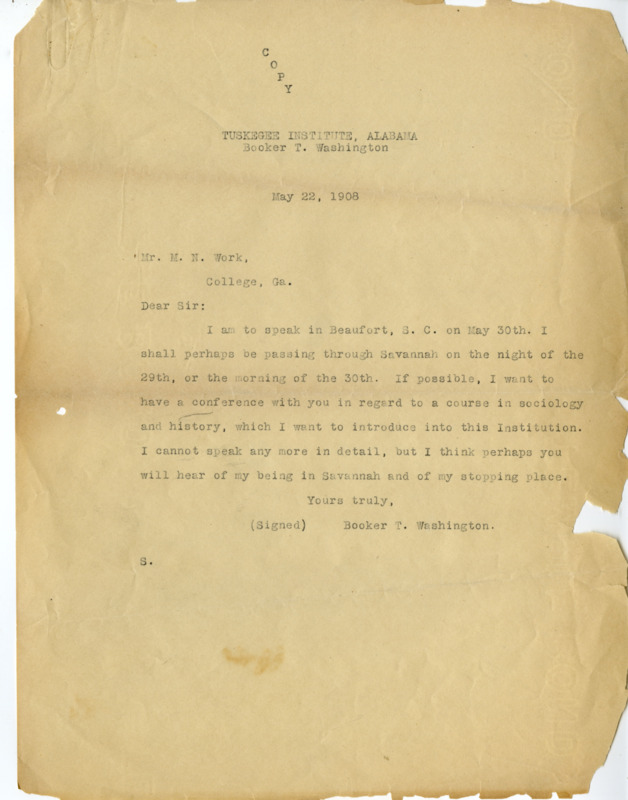
One-page letter requesting that Work meet with Washington about introducing a course at Tuskegee about sociology and history. Washington mentions he will be in Savannah on the 29th or 30th.
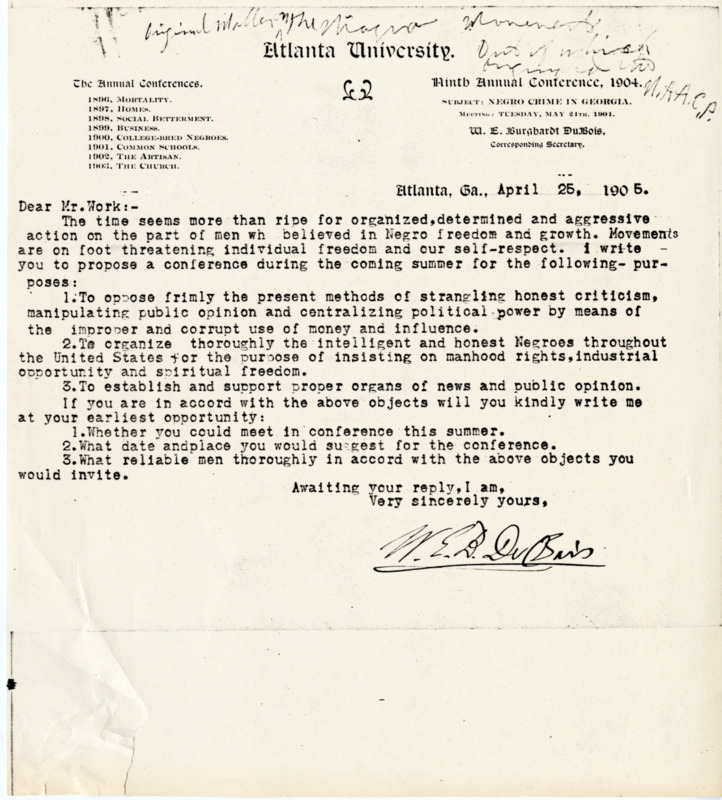
One-page letter from Dr. W.E.B. DuBois to Monroe Work asking him to attend a conference in the coming summer to discuss methods of uplifting the black community. The Niagara Movement and N.A.A.C.P. are written on top of the letter.
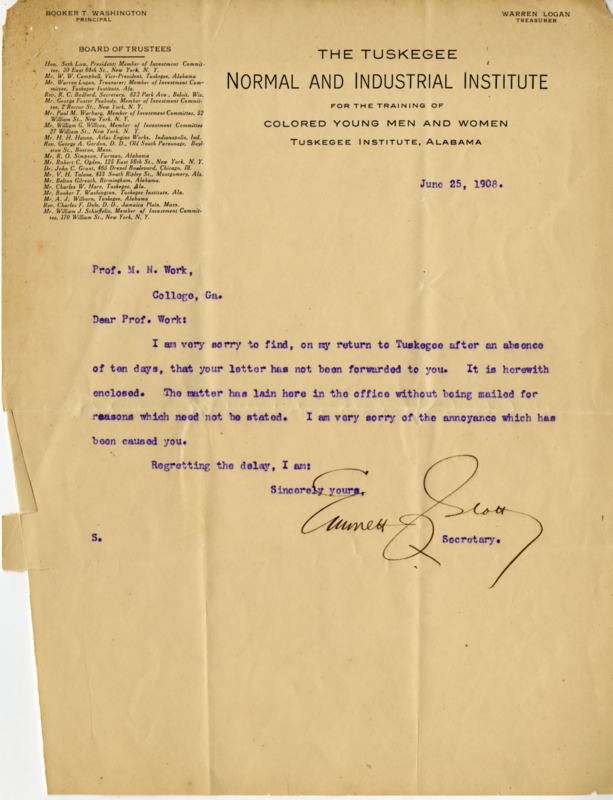
One-page letter to Monroe N. Work in College, Georgia, from Emmett Scott, a secretary at Tuskegee. Scott's letter references a separate letter for Work that had not been forwarded to him. Scott's letter is typed on Tuskegee Institute stationery.
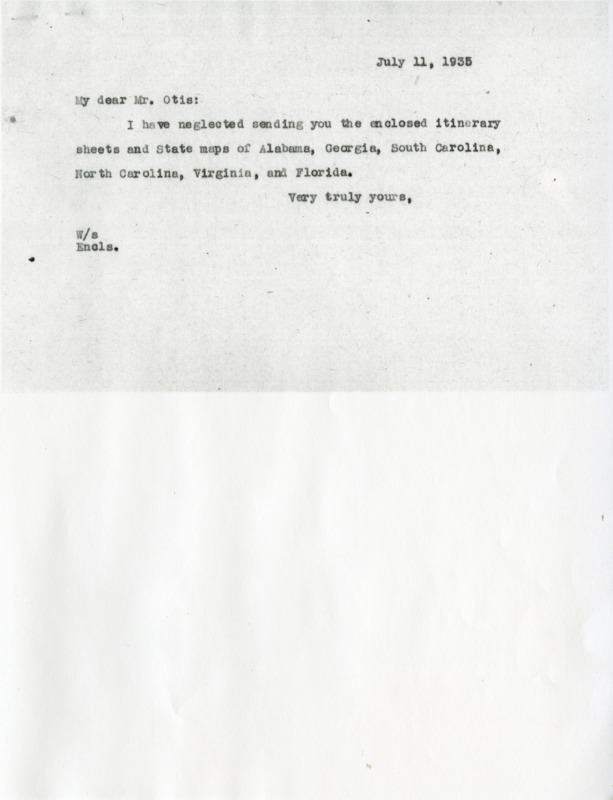
Four letters from Monroe N. Work to "Mr. Otis" regarding a "study of occupations in the Southern areas" in conjunction with the Agriculture Department. Three letters are dated July 1935, one letter is dated November 1935.
Mrs. B.B. Walcott, who discusses Carver's contributions, including his 300 products from the peanut and 100 from the sweet potato. She also details his religious and spiritual life, noting his involvement in various churches and his founding of a Bible class at Tuskegee Institute.
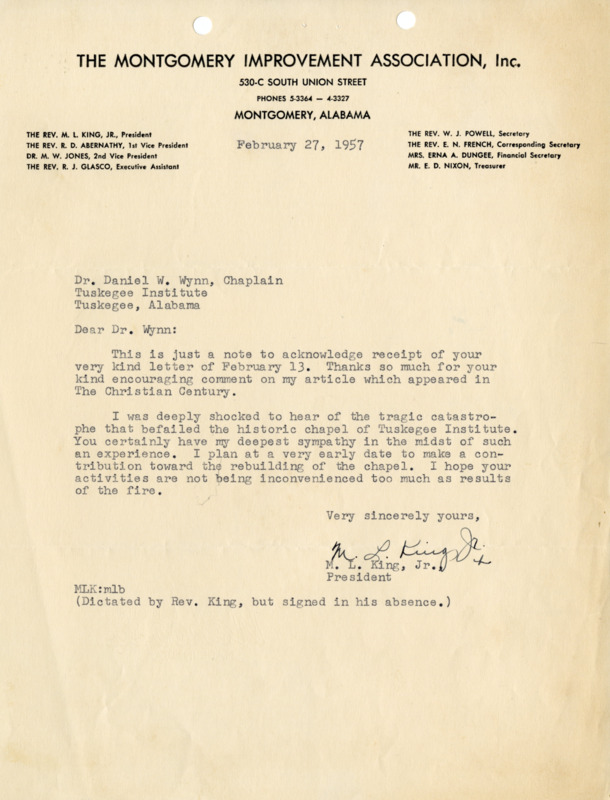
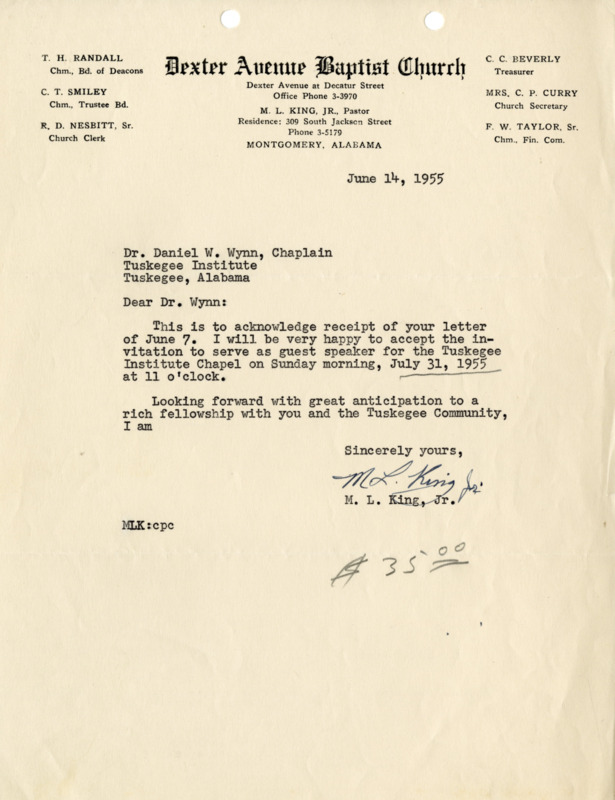
A letter from Dr. Martin Luther King Jr. to Chaplain Wynn thanking him for his support of his article in the Christian Newspaper article in The Christian Century and offering condolences for what happened to burning of the original Chapel Building.
Marian Williams, a gospel singer, provided Tuskegee Institute students with a gospel concert in relation to the Tuskegee Civic Association meeting in 1972.
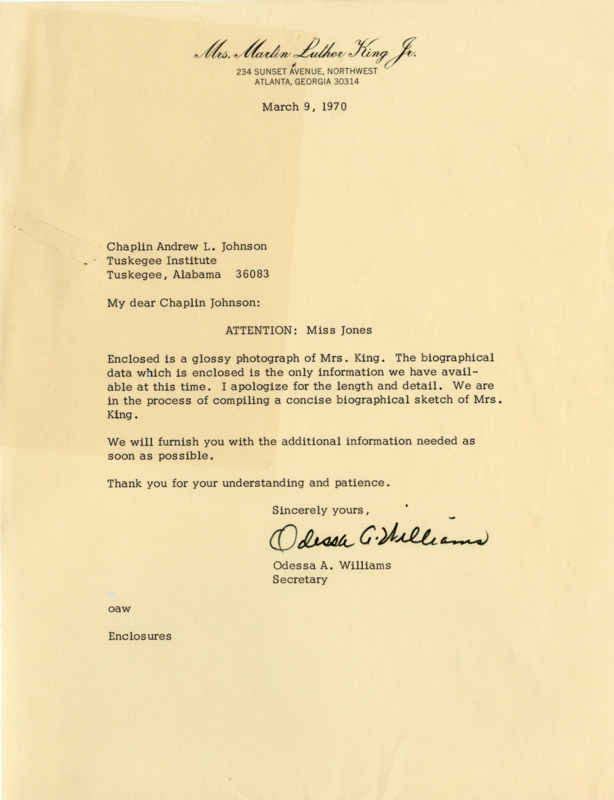
A letter from Odessa Williams Mrs. King's secretary to Chaplain Johnson providing a glossy black and white photo and biographical sketch of Coretta Scott King.
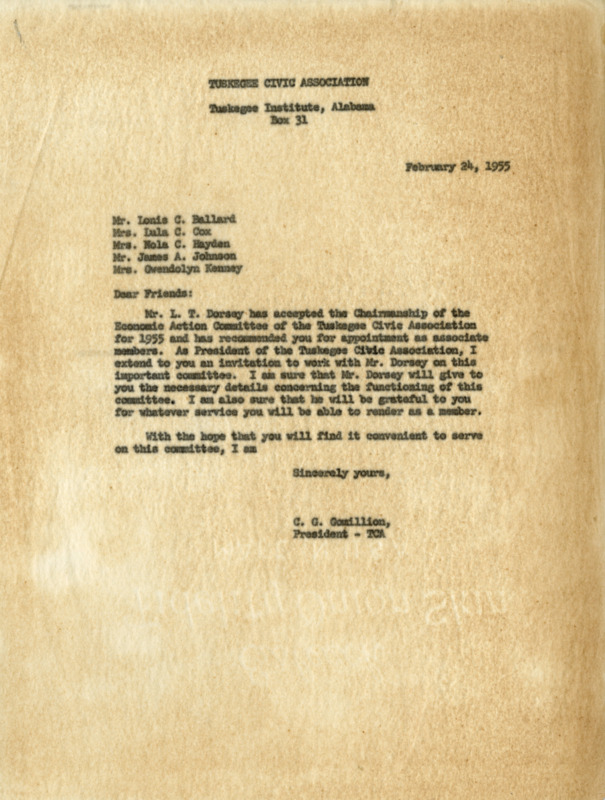
A letter from the president of the Tuskegee Civic Association Charles G. Gomillion addressed to all active members of the TCA. He is inviting members to join a new committee headed by L.T. Dorsey.
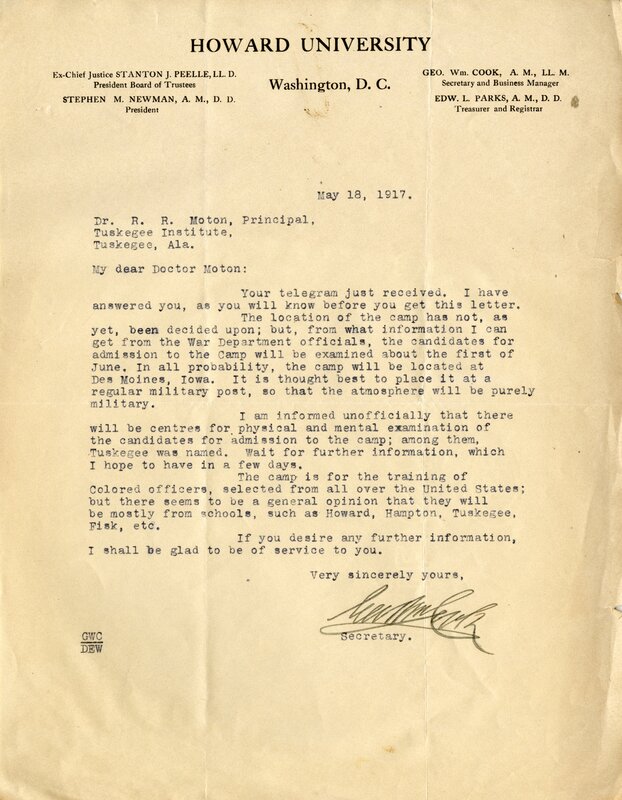
A letter written to Dr. Moton, the Principle of Tuskegee University, then Tuskegee Normal and Industrial Institute that no official decision on the location for the military training camp has been decided. Mr. Parks also notes that the camp will be a center to test the physical and mental capacities of the negro recruits.
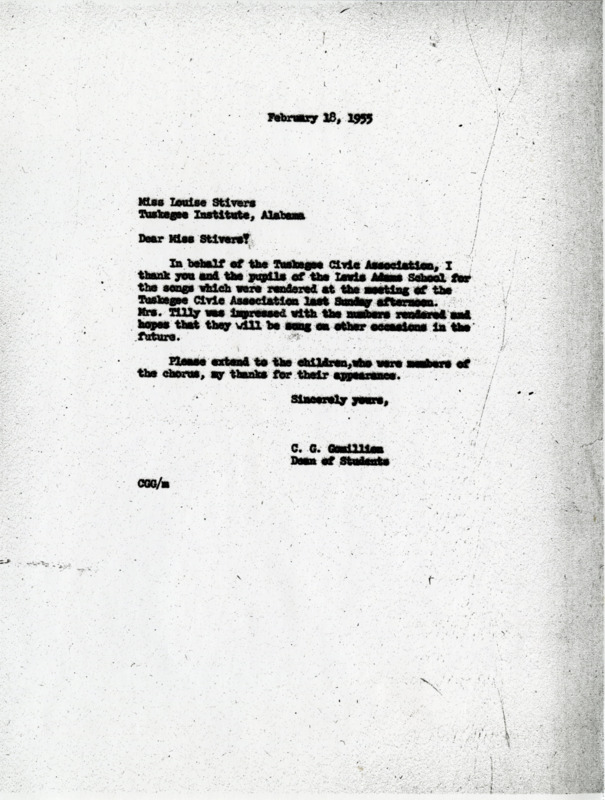
A thank you letter for Charles Gomillion on behalf of the Tuskegee Civic Association thanking Miss Stivers for the songs that were played at the past TCA meeting.
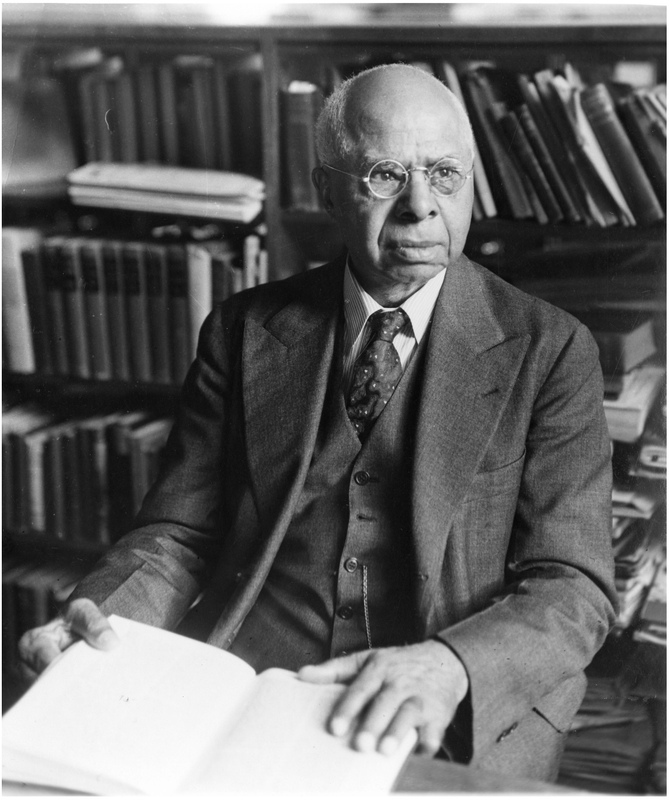
Black and white image of an older Monroe N. Work. Mr. Work was an African American sociologist and founder of the Department of Records and Research at Tuskegee University, formerly known as Tuskegee Institute.
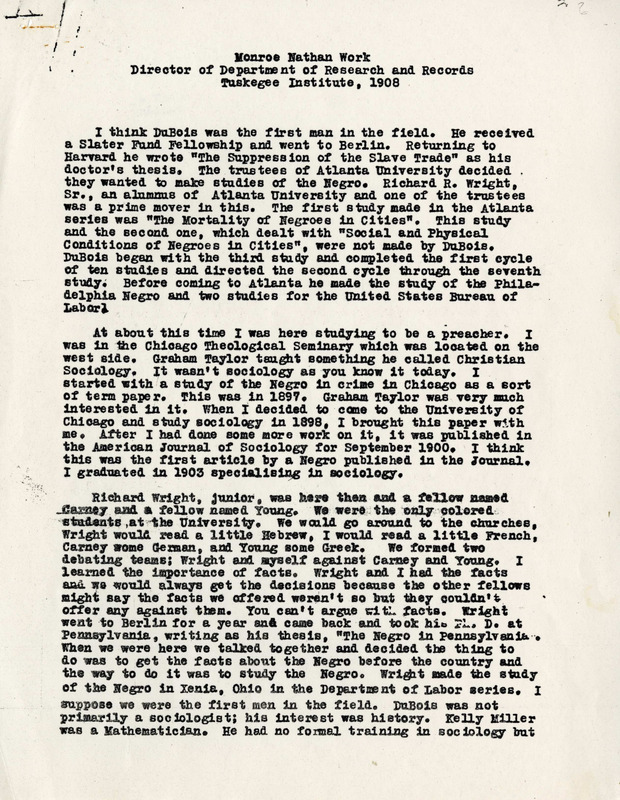
A four-page statement by Monroe N. Work to Lewis A. Jones about the origins of the field of Black studies, Work's initial involvement with the field, his activities at Tuskegee, and Work's sociological influences.
A 25-page academic paper about Monroe N. Work's activities as an African scholar over the course of his career. Contains direct quotes from Work's papers. At the time of writing, James Preston was an instructor of African history at Tuskegee.