The HCAC public history focused digital archive cataloging is an ongoing process, and we may update this record as we conduct additional research and review. We welcome your comments and feedback if you have more information to share about an item featured on the site, please contact us at: HCAC-DigiTeam@si.edu
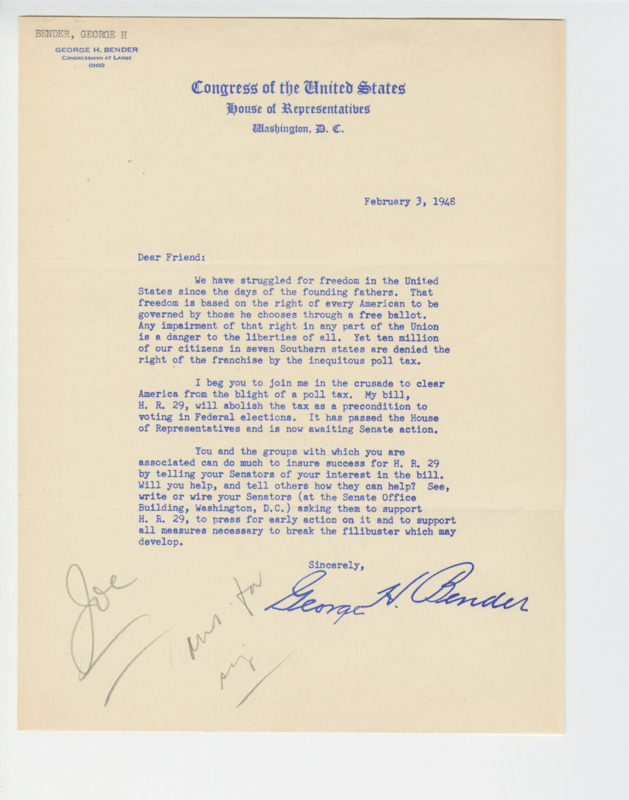
In response to Congressman George Bender’s plea in H.R. 29, FAMC President W. H. Gray acknowledged the struggle against poll taxes. Bender urged Gray to lead a crusade to abolish the tax as a precondition for true freedom. Gray assured Bender he would work to influence congressional representatives on the matter.
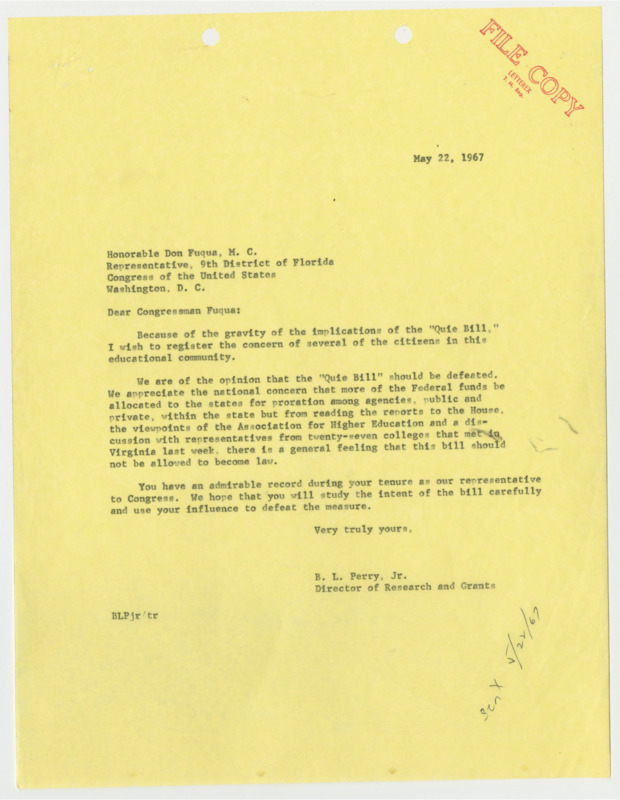
This series of correspondences spanning a couple of months in 1967 showcases the great working relationship between B. L. Perry, Jr. and House of Representatives Congressman Don Fuqua. The two discussed various education bills and used each other’s knowledge to develop Florida A&M University.
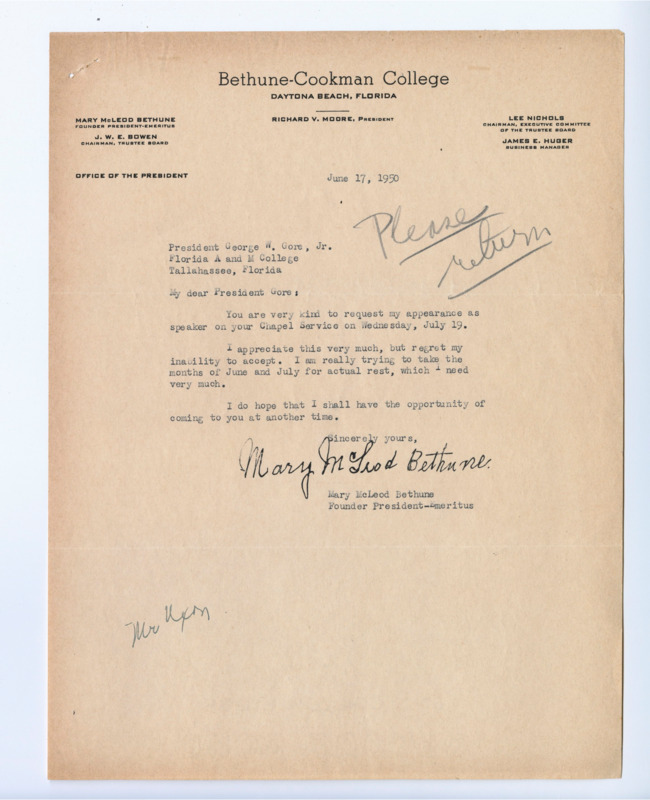
President Gore made several attempts to bring Dr. Mary McLeod Bethune to Florida A&M College as a guest speaker for pivotal events such as homecoming and commencement. His invitations were a testament to his high regard for her, knowing her words would inspire and uplift the FAMC community.
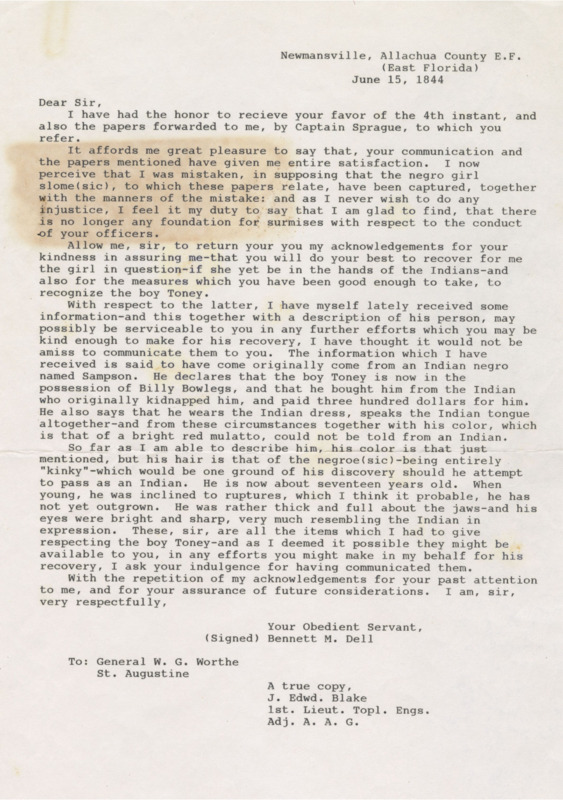
In this 1844 correspondence, Bennett Dell requests the return of enslaved individuals from General W. G. Worthe. The letter reflects the legal and personal disputes over enslaved people, who were considered property under the law. This document highlights the control and commodification of Black lives in pre-Civil War Southern society.
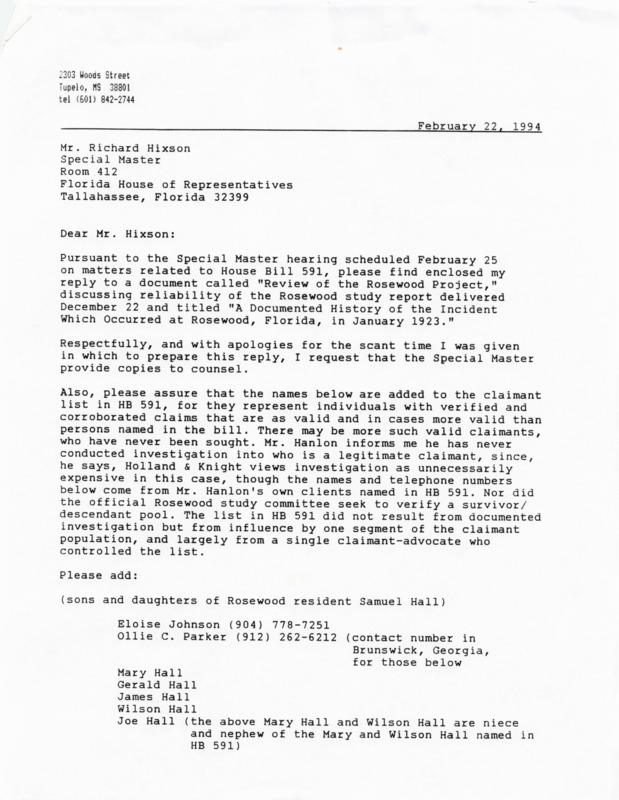
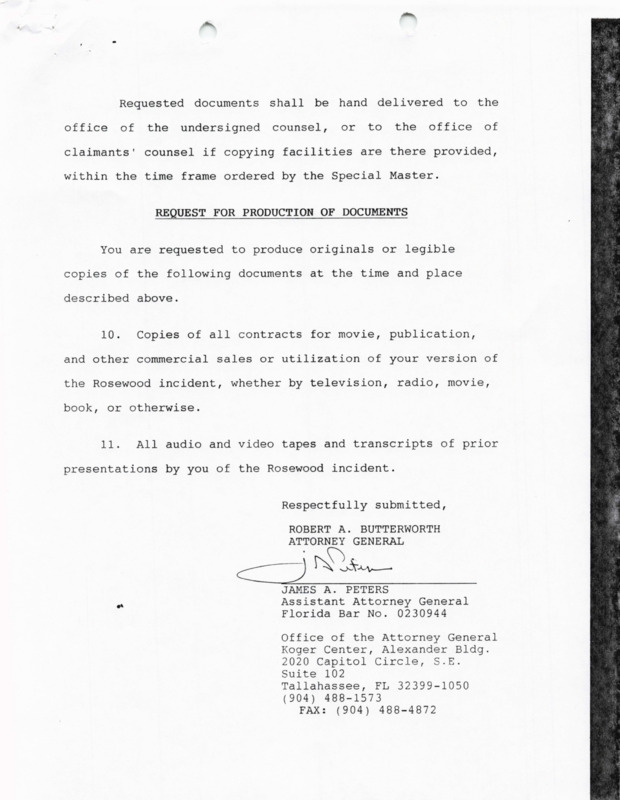
Collection of correspondences related to the Rosewood Massacre investigation, including letters, reports, and communications between state officials, legal representatives, and survivors. These documents offer insight into the ongoing efforts to secure justice and recognition for the victims and their descendants.
The 1923 court cases related to the Rosewood massacre focused on seeking justice for the survivors and their families. These legal proceedings addressed the damages caused by the violent destruction of the Black community, aiming to secure compensation and acknowledgment for the lasting impact on its residents.
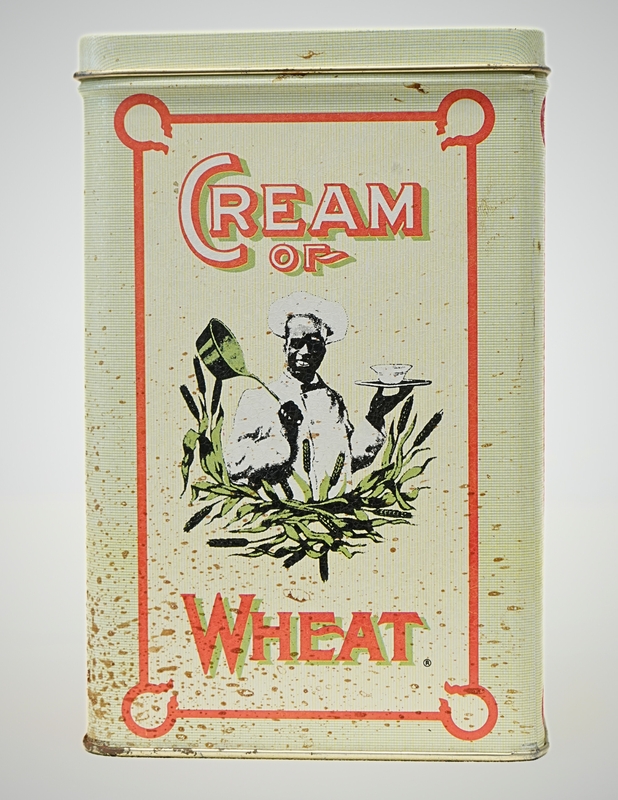
The Black likeness featured on vintage Cream of Wheat cans represents a historic portrayal of African American culture in advertising. Often depicting a smiling chef, this imagery reflects the era's complex relationship with race and representation in the food industry.
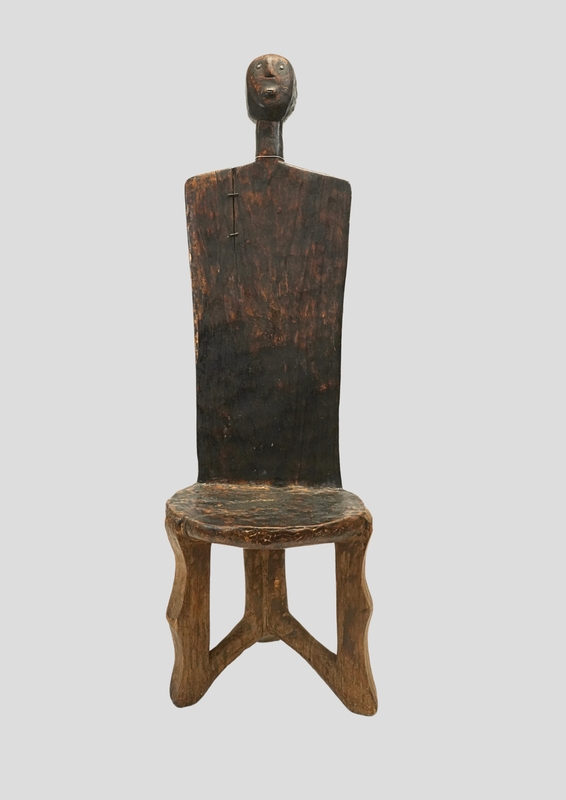
This dark wood carved African chair features intricate facial and head carvings at the top, embodying rich cultural artistry and spiritual significance. Traditionally used in ceremonial contexts, it reflects the craftsmanship and storytelling inherent in African art. Donated by Tallahassee locals Calynne and Louis Hill.
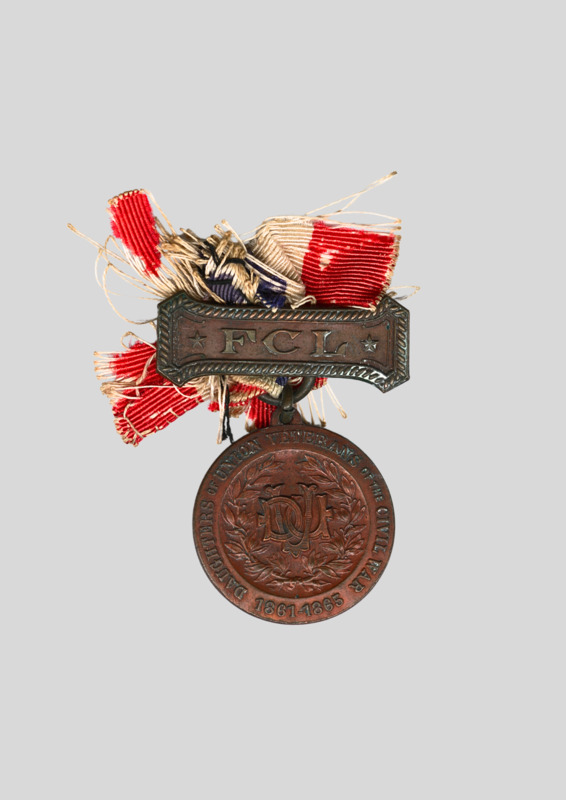
The Daughters of Union Veterans of the Civil War medal (1861-1865) honors female descendants of Union soldiers. This FCL (Fraternity, Charity, Loyalty) medal features symbolic imagery from the Civil War era, representing service and sacrifice.
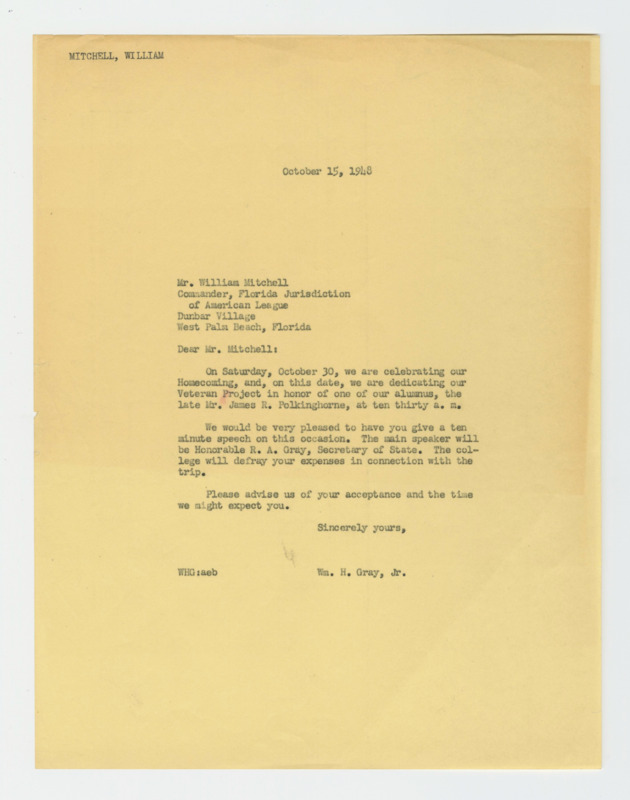
Veterans Village was a housing program created to assist veterans who wished to pursue higher education at Florida A&M College. After First Lieutenant James R. Polkinghorne, Jr., a FAMC student, lost his life in battle in 1948, Veterans Village was dedicated in his honor. These documents detail the process of that feat and the ceremony following.
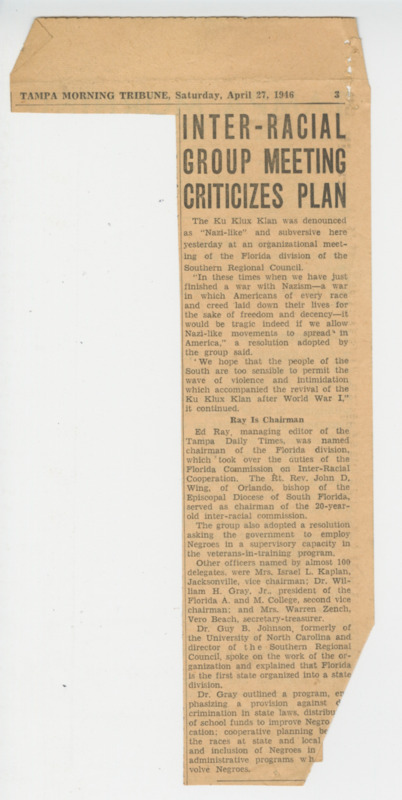
The Tampa Morning Tribune reported on the Florida Division of the Southern Regional Council's strong stance against the Ku Klux Klan, labeling it Nazi-like. Dr. Gray and fellow leaders introduced a comprehensive plan to tackle discrimination in state laws, calling for equal school funding and social progress in Florida.
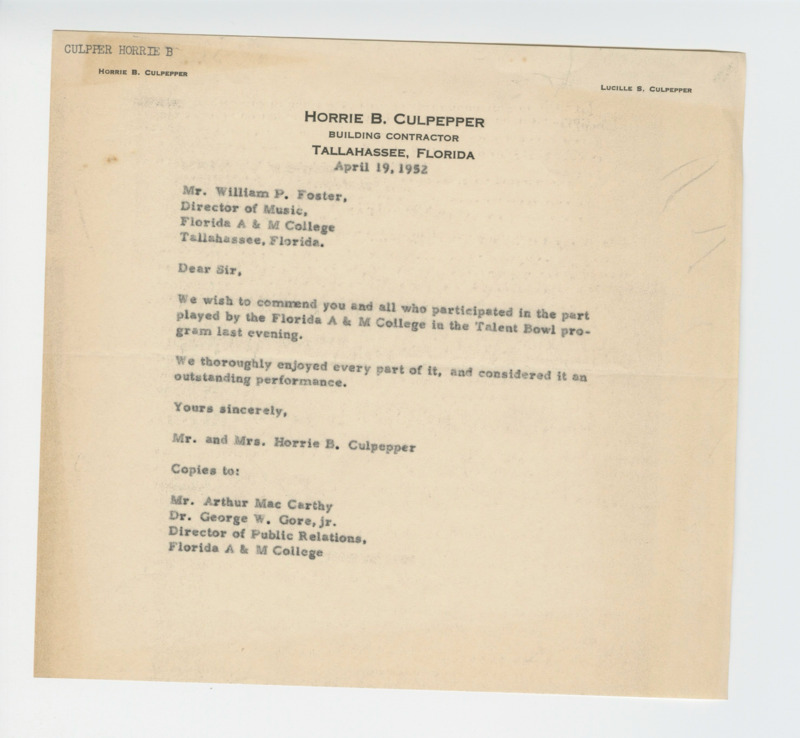
A collection of letters, invitations, and documents related to Dr. William P. Foster and the Florida A&M University Marching Band, Foster's Symphonic Band program, travel plans to Atlanta, and a letter outlining the band’s performance at Tennessee A&T. This collection showcases Foster's efforts to expand the band's reach and reputation.
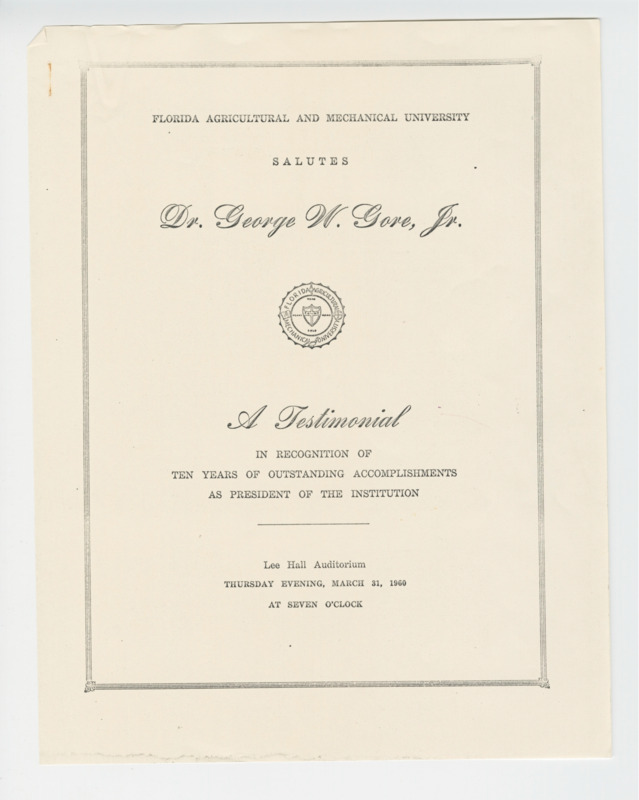
A testimonial recognizing President Gore’s ten-year anniversary of outstanding accomplishments during his tenure at FAMC and FAMU. The celebration honored his decade of leadership with the alma mater, various sing-alongs, and a schedule of remarks and presentations.
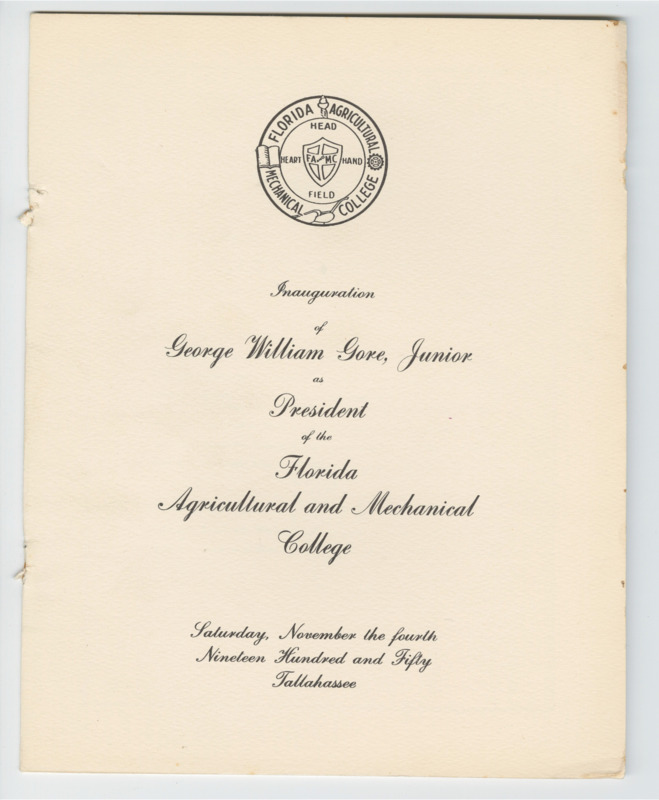
The inauguration packet for President Gore commemorates the start of his transformative leadership at FAMC and FAMU. It highlights his previous presidency at Tennessee State University and includes the ceremony program, speeches, and reflections on his vision for academic excellence, campus growth, and community engagement.
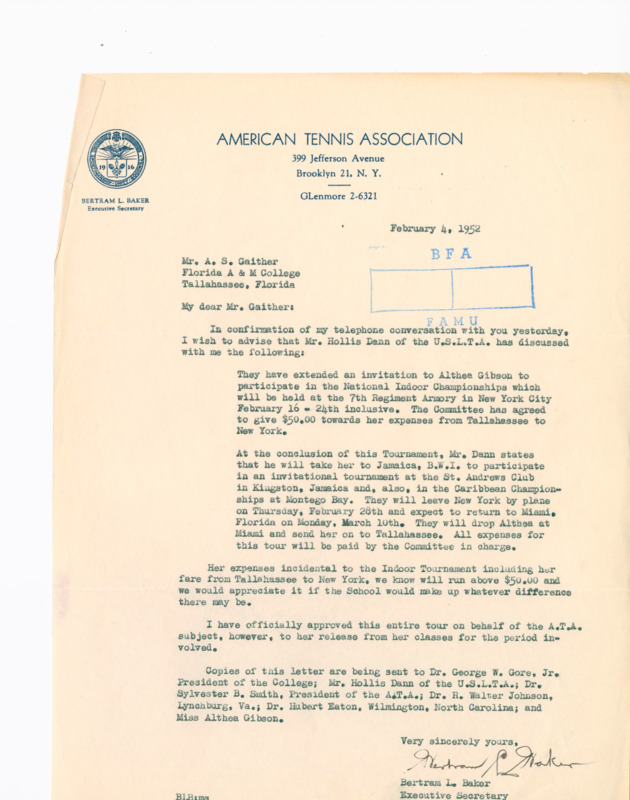
This collection gives astounding insight into the origins of Althea Gibson, the first Black person to win a Grand Slam event and play at Wimbledon. As an alum of Florida A&M, these letters show FAMU’s full support of Gibson through sponsorship of trips to competitions, Gibson’s return of that love, and her balancing her role as a student-athlete.
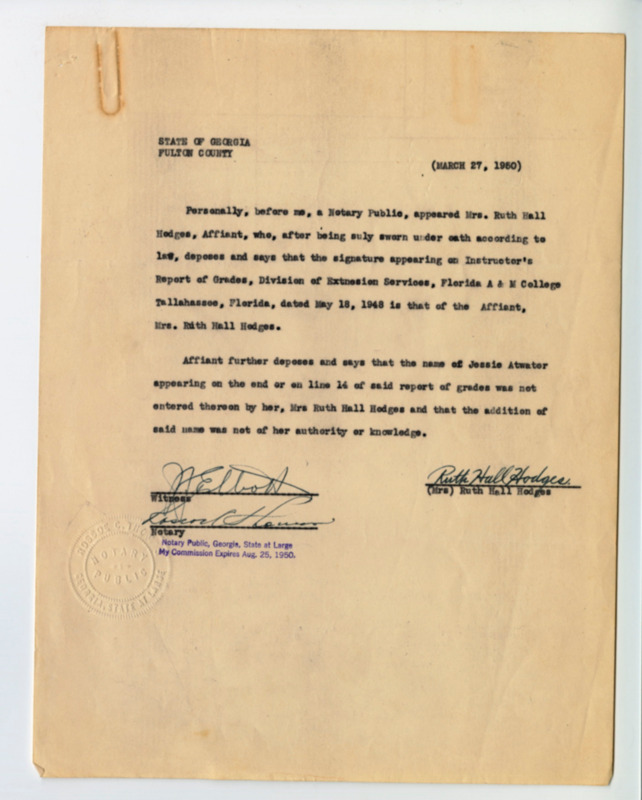
Numerous forms of documentation from the Registrar and a Georgia notary public regarding Quincy Center misconduct. The various documents include student grade records, an extension report, and official documents outlining the incidents and actions taken - seemingly supporting the ongoing investigation into the allegations.
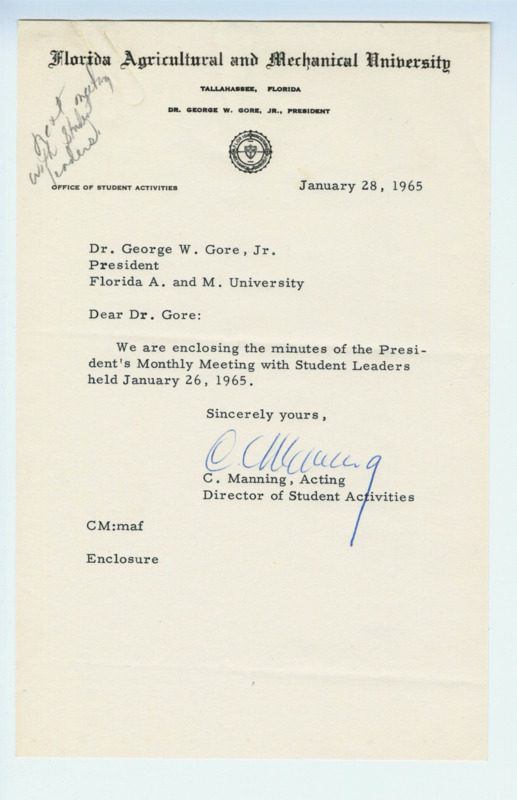
On January 26, 1965, the president’s monthly meeting with student leaders brought together representatives from campus organizations. The president invited all organization presidents to a dinner to discuss initiatives and improvements students wished to see at Florida A&M University, fostering collaboration and shared goals for the campus.
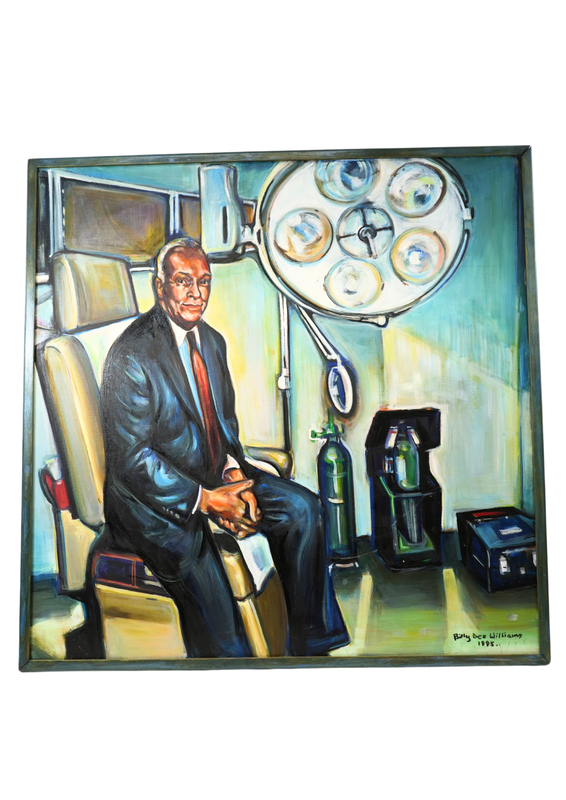
This rare painting created by Billy Dee Williams, the renowned actor best known for Lady Sings the Blues, Star Wars: The Empire Strikes Back, and Mahogany, is a portrait of Dr. LaSalle Leffall. A FAMU alum and the first Black president of the American College of Surgeons, Dr. Leffall is brought to life by Williams through rich, colorful oil paints.
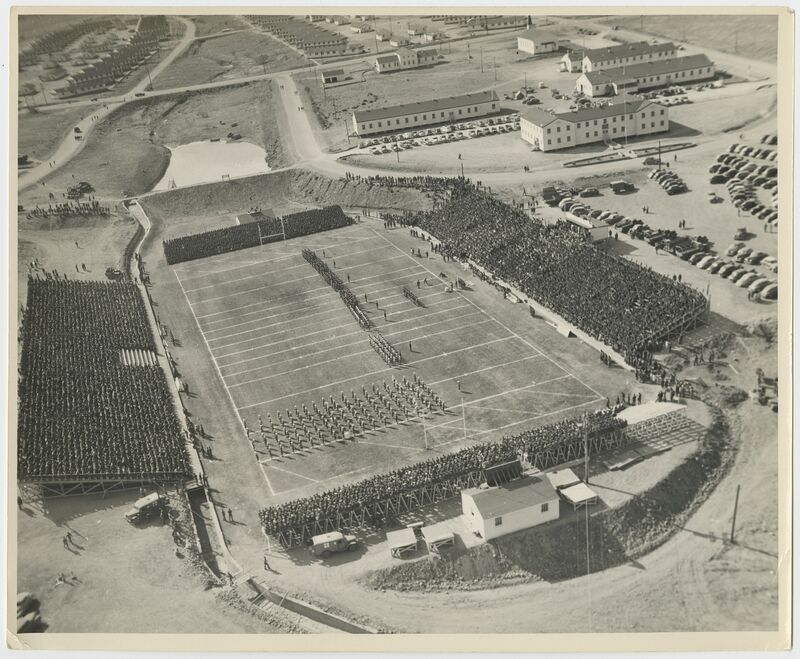
This undated, black-and-white photograph shows an aerial view of Ken Riley Field at Bragg Memorial Stadium in Tallahassee, Florida, during some type of performance, most likely of the Marching 100, Florida A&M University’s marching band. The stadium appears unfinished, with construction and large ditches surrounding the outer seats.
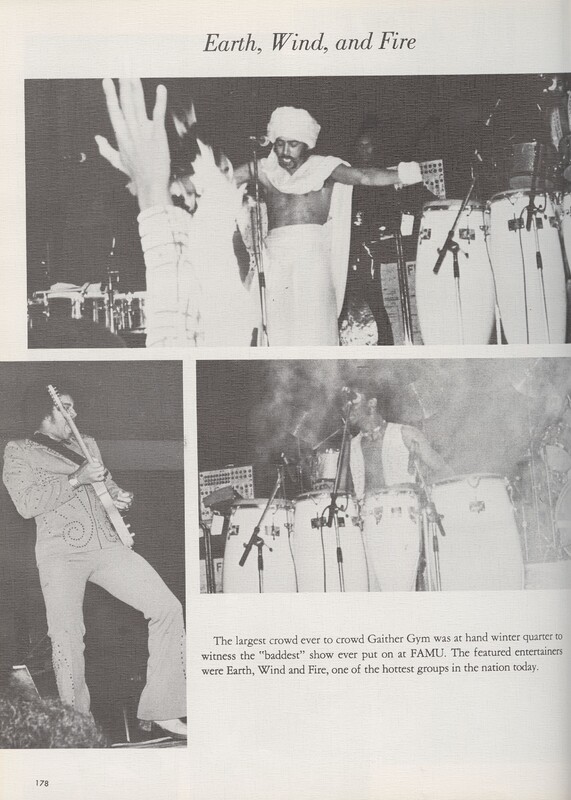
In 1975, Earth, Wind, and Fire, a funk and soul band headed by lead singer Maurice White and best known for their hit song “September,” visited Florida A&M University. According to the caption in the yearbook in which these images were featured, the group drew “the largest crowd to ever crowd Gaither Gym.”
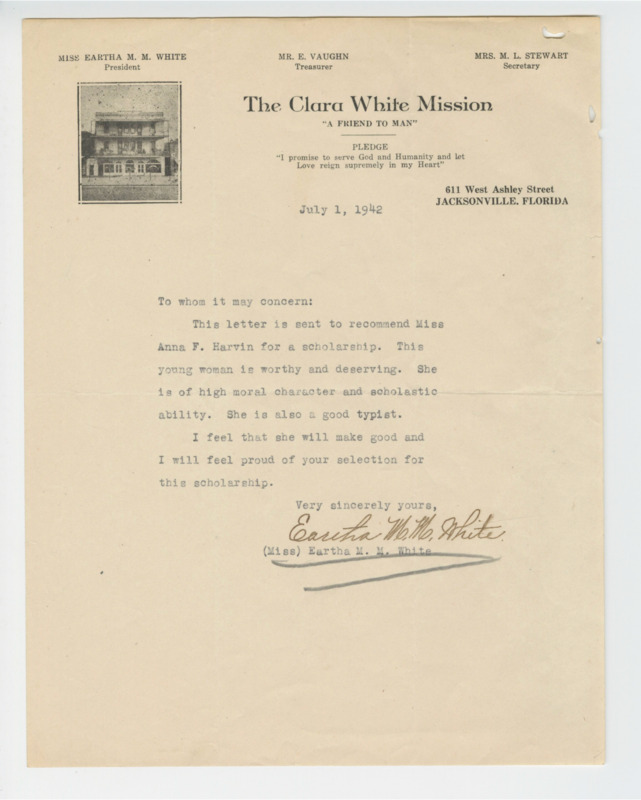
Eartha M. M. White’s letters to President W. H. Gray covered scholarships for women and land purchases for FAMC’s Jacksonville expansion. She was honored as the “Angel of Mercy” for her humanitarian work, with continued dinner invitations from President Gray to discuss her impactful efforts in shaping FAMC's future.
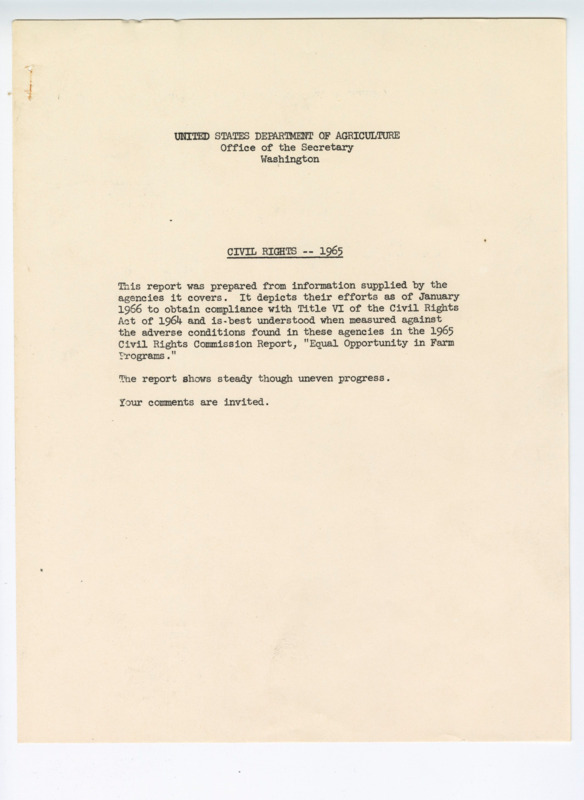
During President Gore's administration, the USDA pushed for increased Negro participation in agricultural decision-making, aiming to dismantle racial inequalities. Efforts included expanding access to resources, farming support, and programs like food stamps and school lunch initiatives for Negroes and other minorities across the South.
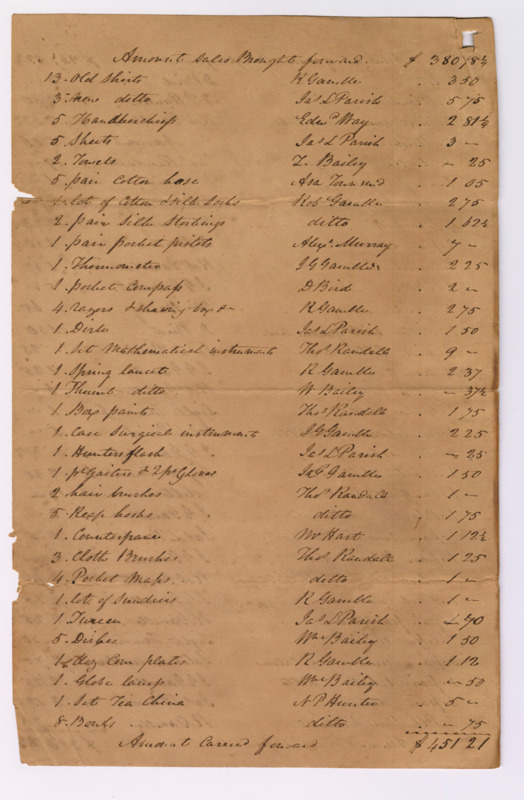
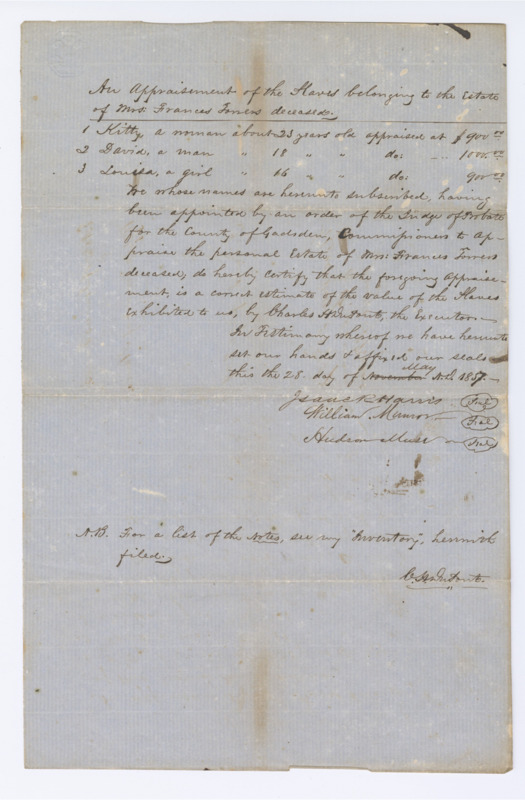
These rare 1832 slave documents from the Abraham Cabell estate provide detailed records of all of the slaves on the property and other purchases that were made. The list includes names, household items, property, and prices for everything.
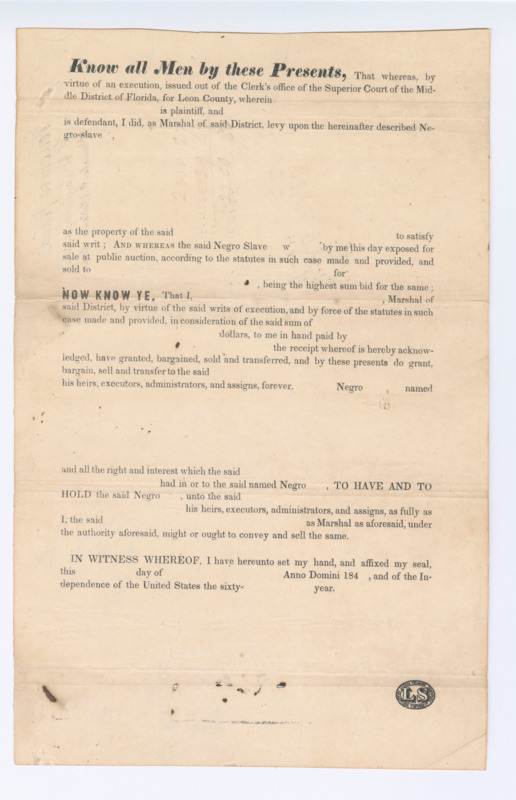
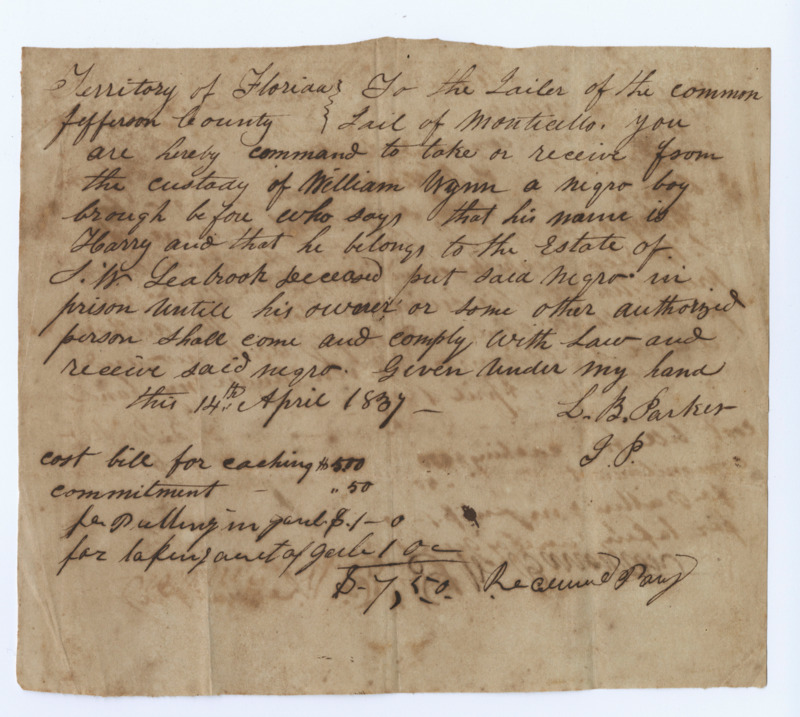
B. W. Taylor’s Estate Paper’s included a legal document that authorized the seizure and sale of an enslaved person to satisfy a debt or court judgment known as a Writ of Execution. This rare record illustrates the legal system’s role in treating enslaved individuals as property through the intersection of slavery and financial transactions.
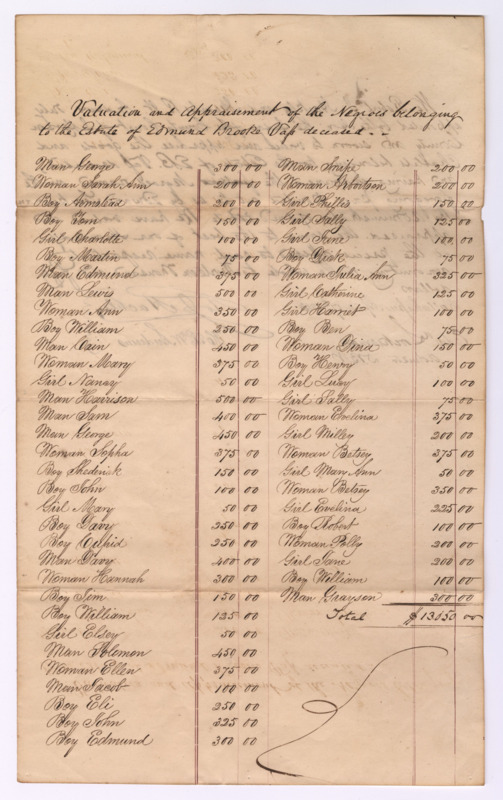
These rare 1843 slave documents from the deceased Edmund Brooke estate provide an itemized list of all of the slaves on the property. This list includes gender and age identifiers before each of their names, along with the price for each person.
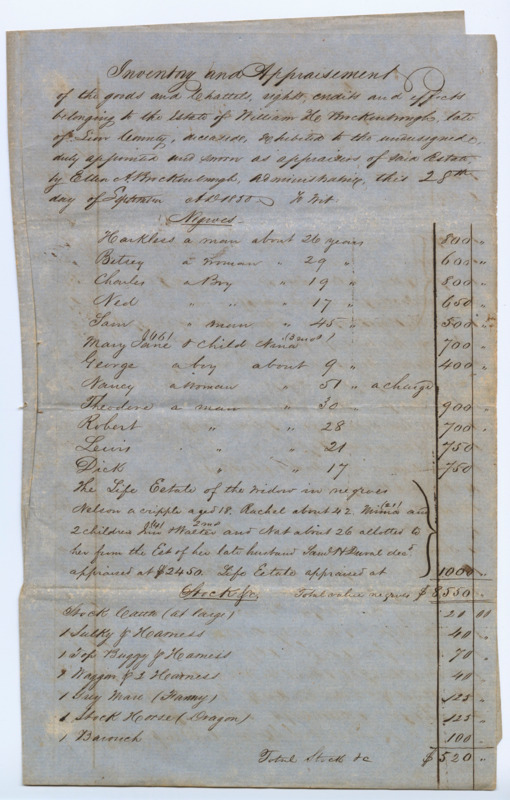
Rare 1850 slavery documents from the Ellen Brockenborough estate include a will and receipts of transfer between family members. These records provide critical insight into the legal and economic treatment of enslaved people as property, revealing the deep entrenchment of slavery in family estates.
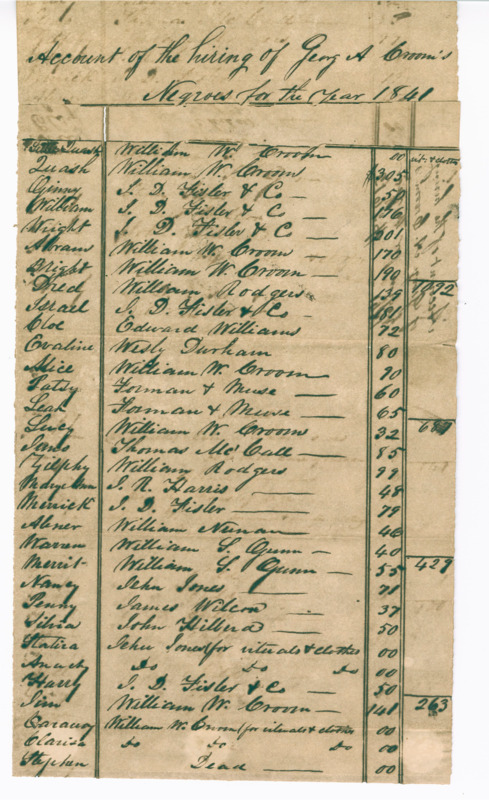
These rare 1841 slavery documents detail the hiring of Georg A. Croom's enslaved individuals, providing a unique glimpse into the leasing practices of the time. These records include contracts and financial arrangements, offering insight into the economic exploitation of enslaved labor and the broader system of slavery in the antebellum South.