The HCAC public history focused digital archive cataloging is an ongoing process, and we may update this record as we conduct additional research and review. We welcome your comments and feedback if you have more information to share about an item featured on the site, please contact us at: HCAC-DigiTeam@si.edu
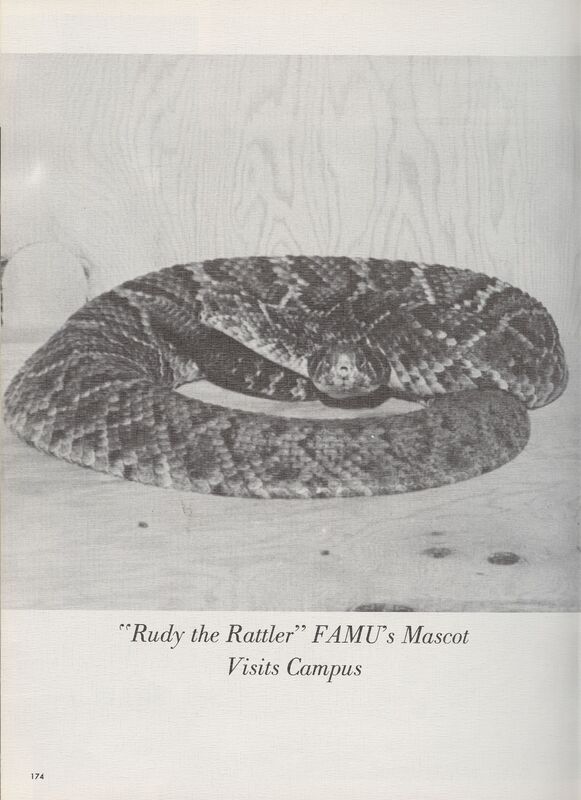
In this photograph obtained from the Rattler 1975, the official Florida A&M University yearbook, the star is “Rudy the Rattler.” Rudy the Rattler was FAMU’s official mascot, a taxidermy rattlesnake sculpture, possibly modeled after a real-life one.
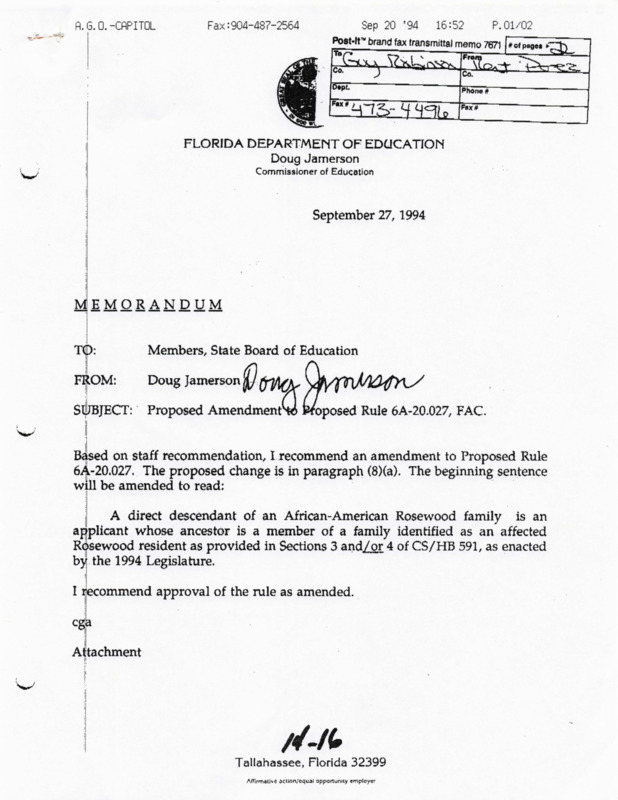
Letters from the Office of Student Financial Assistance regarding a scholarship for Rosewood descendants. Issued by the Florida Department of Education, they request documentation such as proof of lineage through great-grandparents and beyond, ensuring the preservation of these families’ legacies.
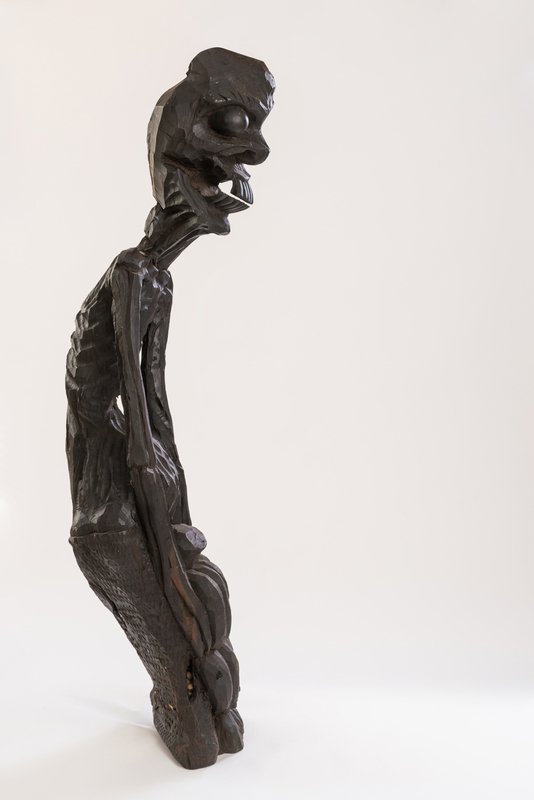
Entrusted to FAMU based on the university's studies in agriculture, the Sentry to the Fields, protects crops, like the plantains it is holding, from trespassers in Ghana fields. This spirit itself shows evidence of violence, decay and death.
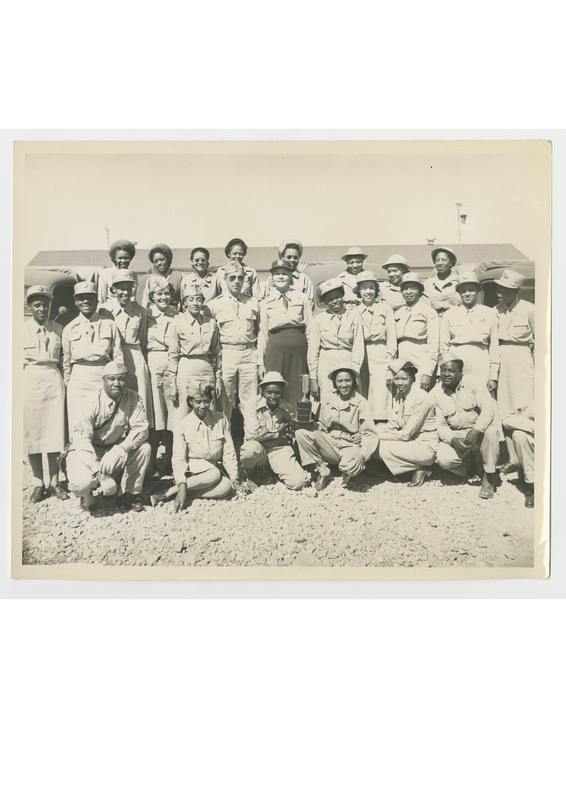
This photograph belongs to the Signal Corps, U.S. Army. Within this picture, two Black female soldiers squat and kneel with a trophy while others smile and pose for the camera. This interracial, intergender photograph shows the inclusivity of the U.S. military.
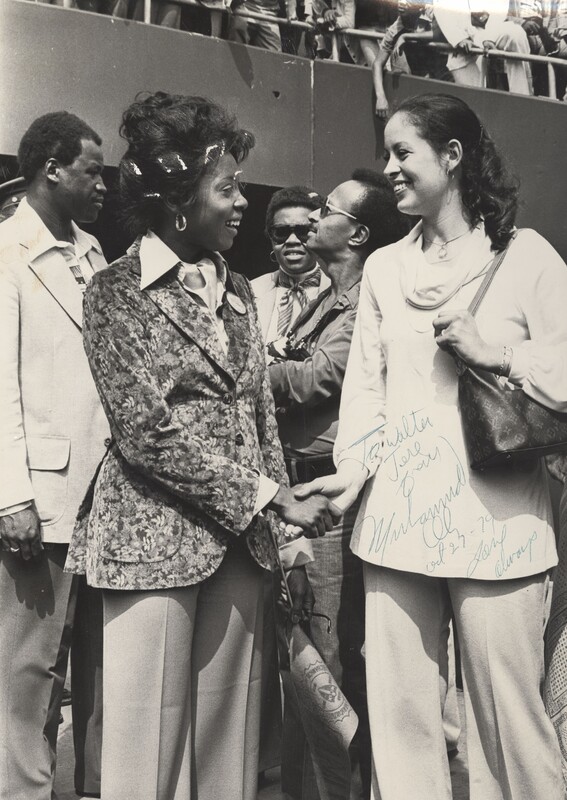
This black and white photograph features the third wife of Muhammad Ali, Veronica Porché Ali, shaking hands with an unidentified female holding a Florida A&M flag. The photo is also blessed with a note and signature from Muhammad Ali, stating, “To Walter… Muhammad Ali Oct 27 - 79 Love always.”
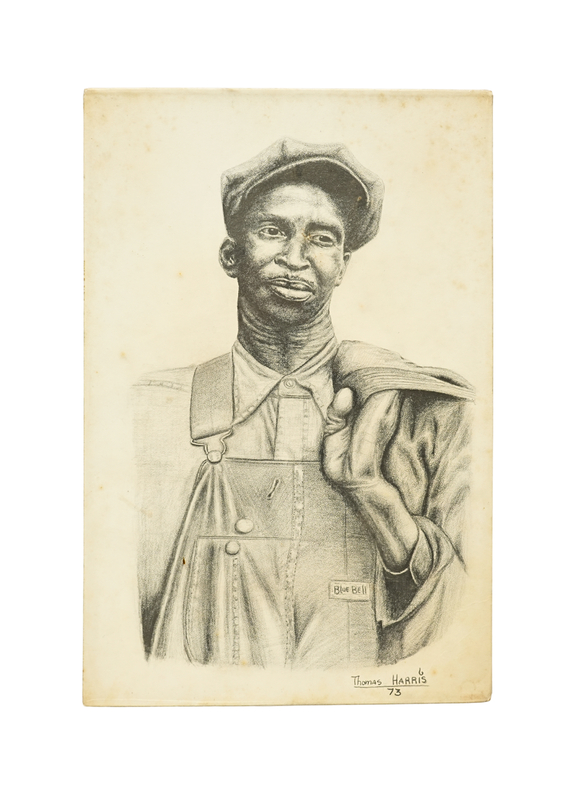
A 1973 pencil sketch of an African American Blue Bell man by Thomas Harris. The hat-wearing man is looking off to the side with his jacket draping his shoulder, showing off his “Blue Bell”-tagged apron (or overalls) and collared shirt.
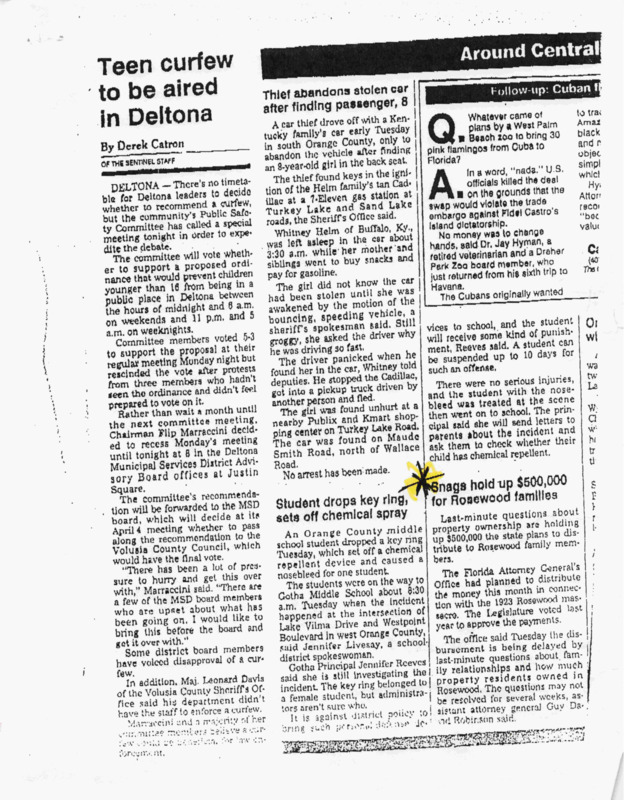
In this newspaper article by members of the Sentinel Staff, Rosewood families were set to receive $500,000 as a part of an approved payment from the Florida Attorney General’s Office and Legislature. However, the payments were delayed for several weeks due to last-minute questions about family relationships and property ownership.
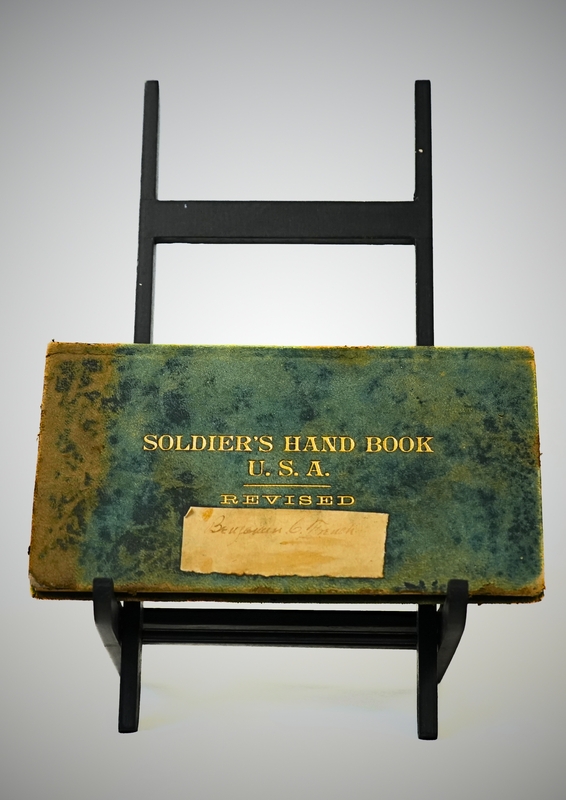
The Soldier's Handbook, U.S.A., revised in 1898, is a vital historical document designed to guide soldiers in military conduct, tactics, and survival techniques during the Spanish-American War. Featuring practical advice and regulations, it reflects the military culture of the era.
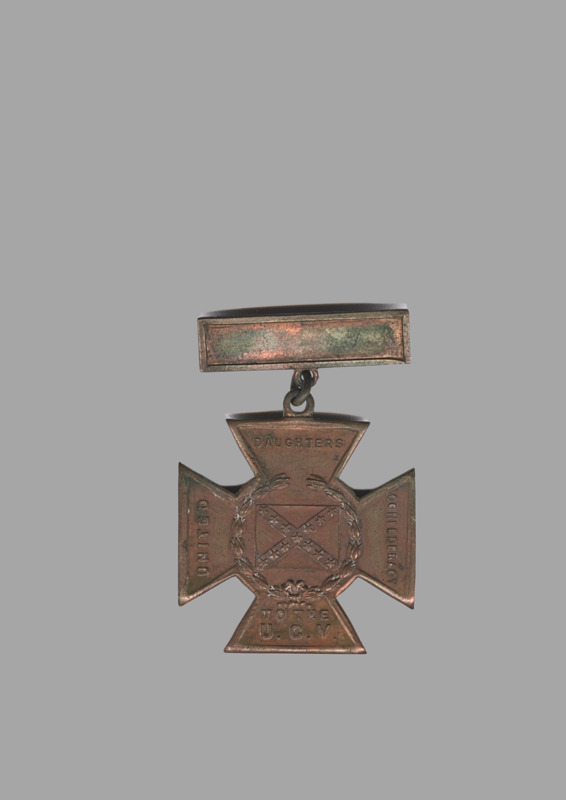
The Southern Cross of Honor "Deo Vindice" medal was awarded to Confederate veterans for their service during the Civil War. Bearing the Latin phrase "God will vindicate," it symbolizes the Lost Cause ideology and Southern pride. This medal, bestowed by the United Daughters of the Confederacy.
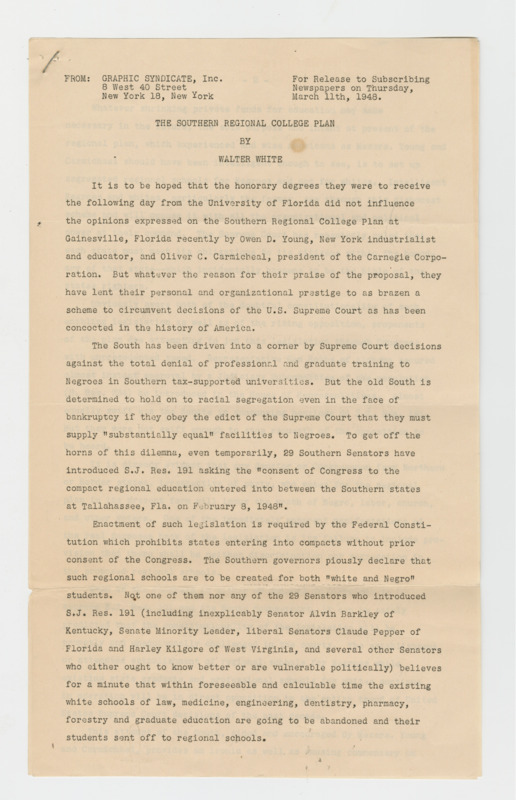
This 1948 abstract by Walter White is on the Southern Regional College Plan, a proposal meant to address the “total denial of professional and graduate training to Negroes in Southern tax-supported universities,” in the wake of new legislation proposed by Congress that appears to create segregated Negro schools.
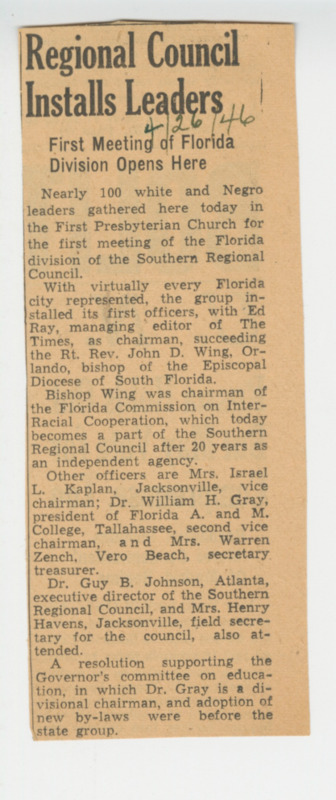
In 1946, nearly 100 Black and white leaders gathered at a Presbyterian church for the first Florida Division meeting of the Southern Regional Council. Under Dr. Gray’s leadership as divisional chairman, they adopted bylaws that would shape future efforts for regional cooperation, justice, and social change.
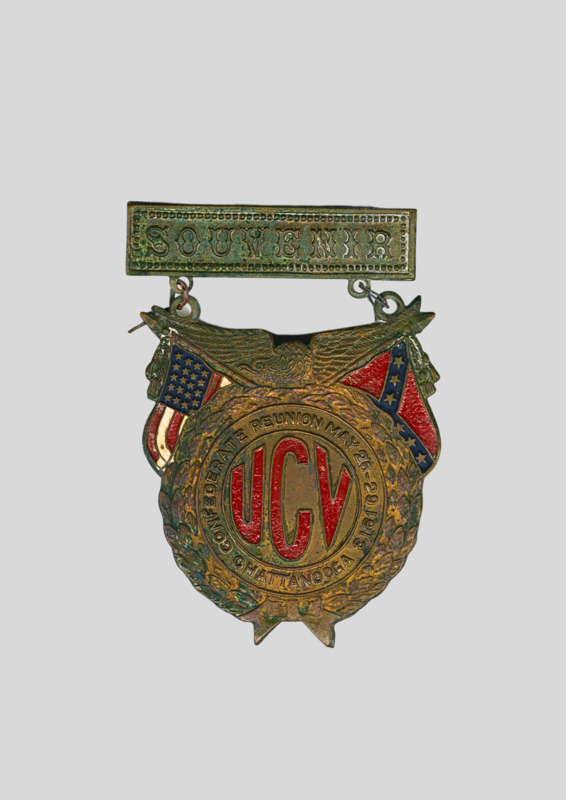
This 1913 Confederate Reunion medal, a souvenir from the United Confederate Veterans (UCV) gathering in Chattanooga, commemorates veterans of the Civil War. The medal features Confederate symbols and celebrates the reunion of former soldiers.
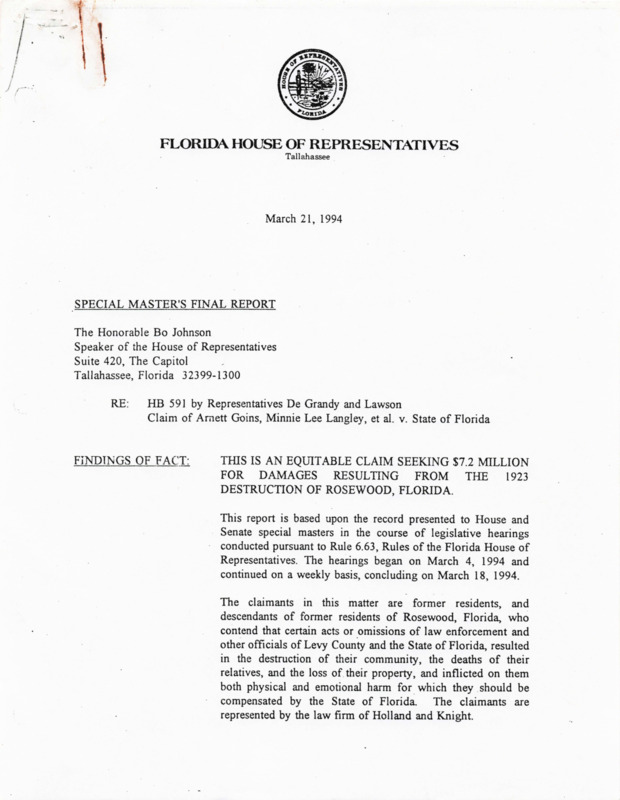
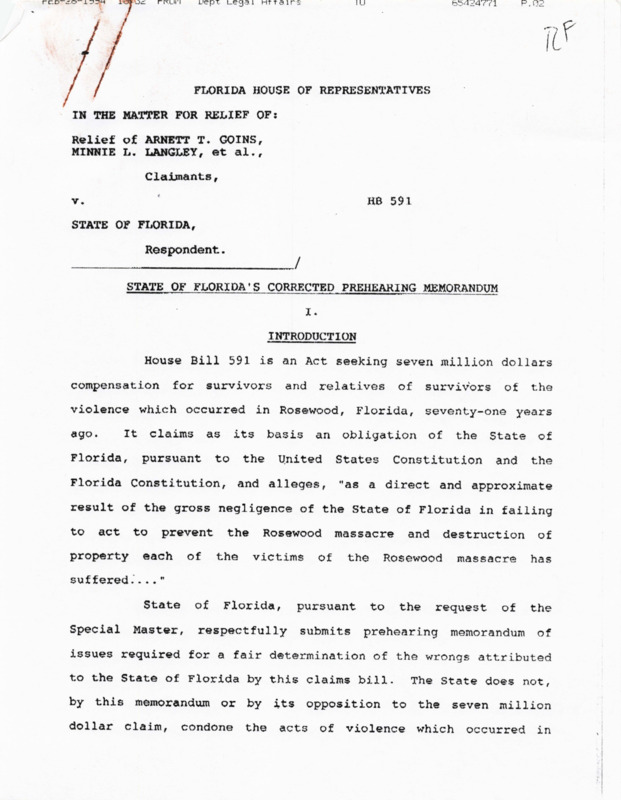
A final report from the Special Master Hearing on Rosewood, outlining the Civil Rights Office's pursuit of $7.2 million in compensation. The report addresses claims of loss of enjoyment of life, references past Congressional cases, and argues the incalculable value owed to descendants after the devastating events.
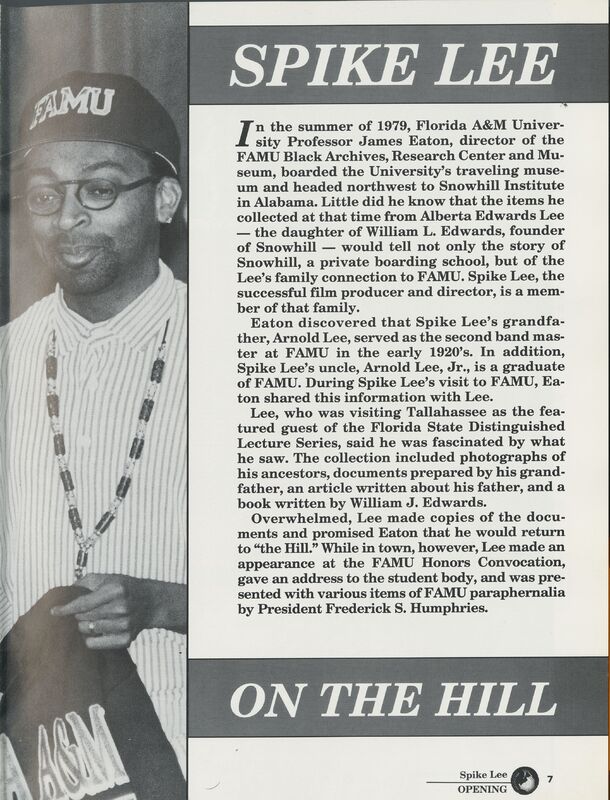
In the summer of 1979, Director of the Meek-Eaton Black Archives Research Center and Museum, James Eaton, discovered Spike Lee’s grandfather was a graduate of Florida A&M and served as the second bandmaster in the early 1920s. After Eaton shared this with him, Lee returned to FAMU to give an address to students.
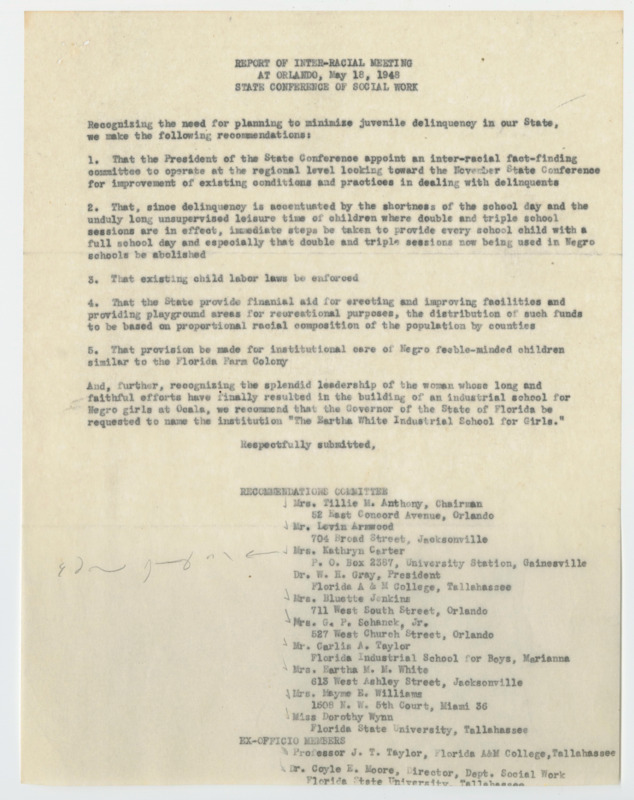
At the 1948 Orlando State Conference of Social Work, which had an interracial meeting, members discussed ways to minimize juvenile delinquency in Florida. They mentioned a need to enforce existing child labor laws, increase school hours, provide financial aid, appoint a regional, interracial fact-finding committee for delinquents, and more.
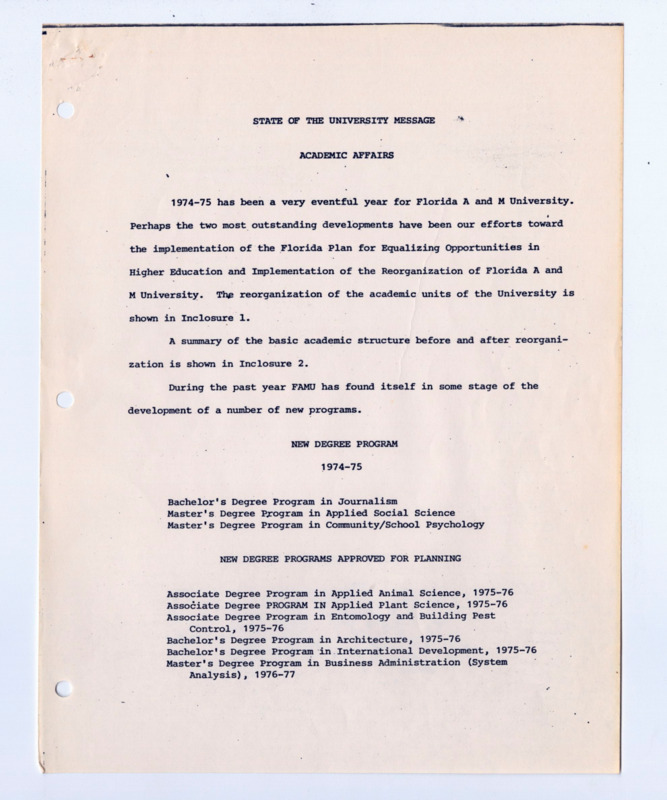
This report summarizes major changes that affected Florida A&M University in the years 1974-1975. FAMU implemented the Florida Plan for Equalizing Opportunities in Higher Education, the Reorganization of FAMU, the Bachelor’s Degree Program in Journalism, and the Master’s Degree Programs in Applied Social Science and Community/School Psychology.
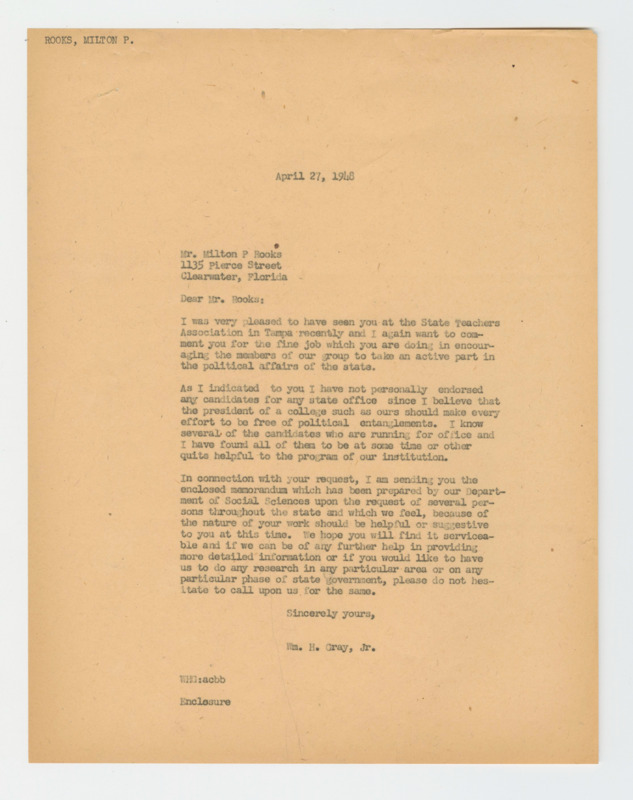
At the 1948 State Teachers Association in Tampa, William H. Gray, Jr. conversed with Milton P. Rooks, a civics scholar in Clearwater, FL. With the help of the Florida A&M College Department of Social Sciences, Gray put together a memorandum on current civil rights problems, offering a succinct view of the state of civil rights in the U.S.
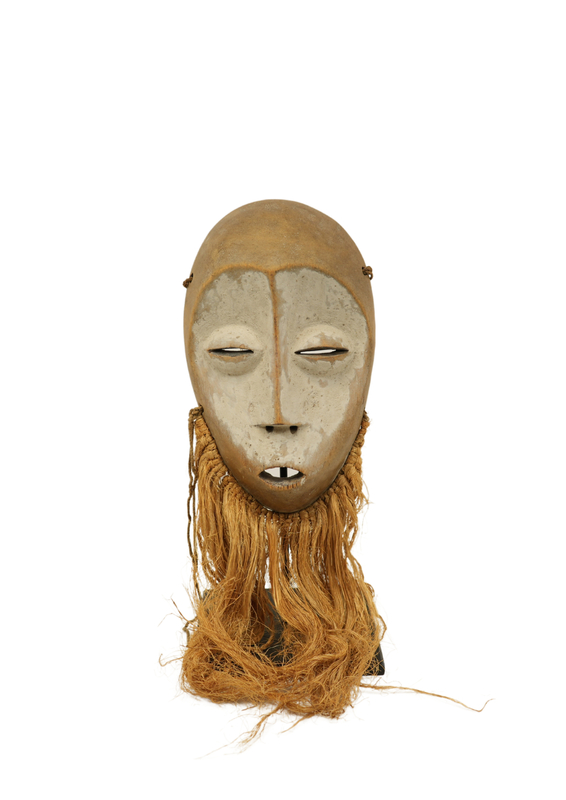
In the Western context, this item is a “mask” because it covers the face, but technically in Bwami culture, this piece is a sculpture. The Bwami society of the Lega people is located in the Democratic Republic of the Congo; they use these masks for initiation rituals, with five types to signify different ranks, and for ancestral veneration.
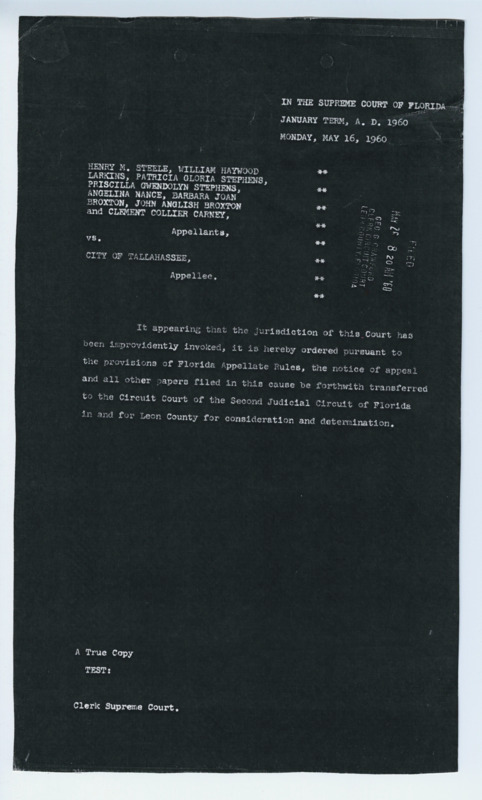
Under President Gore's administration, the Supreme Court of Florida held hearings on May 16, 1960, for six FAMU students charged with disturbing the peace through riots and assembly. The students pleaded not guilty, and the court examined the legality of their actions in the context of campus unrest during this period.
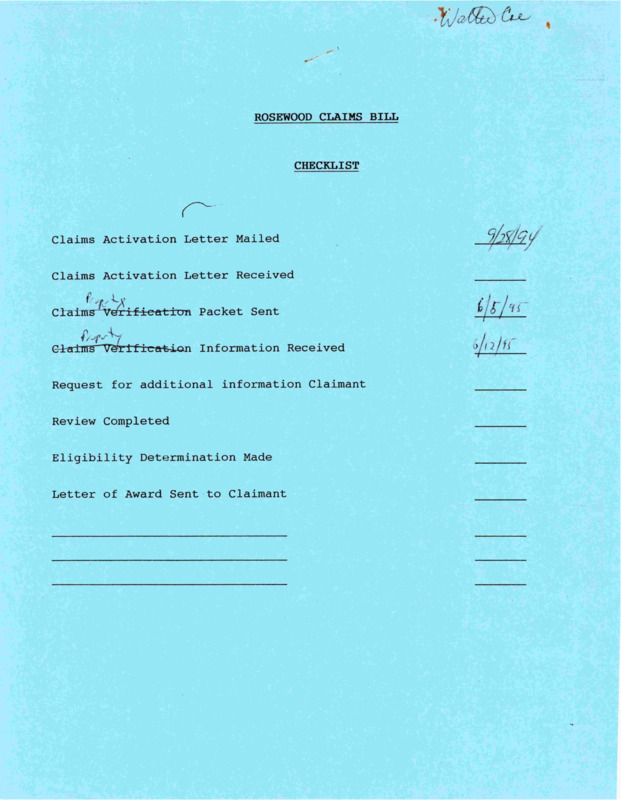
A collection of survivor affidavits from the Rosewood massacre, detailing approved and denied claims, interviews, and chilling accounts of the tragedy, along with reports of the deep community bonds of the all-Black town before its destruction.
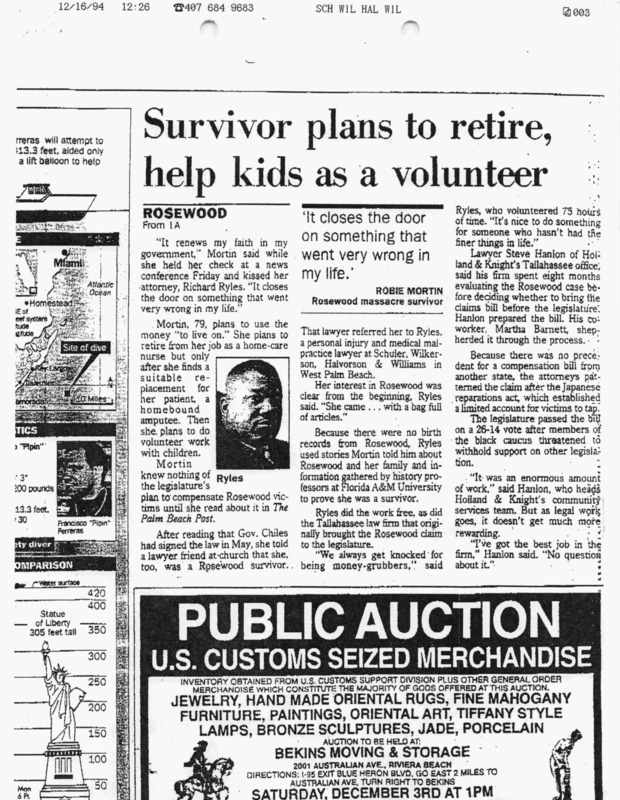
This 1994 newspaper article features a survivor of the Rosewood Massacre who received restitution from the government. Previously knowing nothing about the plan to compensate victims until reading about it in the Palm Beach Post, Robie Mortin, 79, plans to retire from her job as a home-care nurse and go into volunteer work with children.
Sworn statements from Rosewood survivors and descendants detailing personal experiences of the massacre and its aftermath. These statements served as vital evidence for compensation claims and provided insight into the lasting consequences faced by families affected by the tragedy.
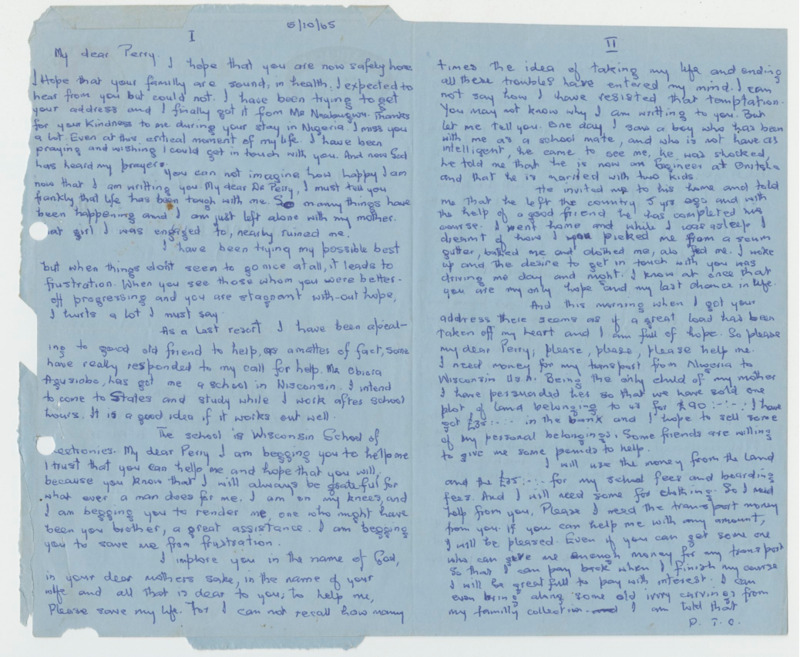
In this letter from Teddy Ik Umunna, a friend at the University of Nigeria, to Dr. B. L. Perry, Jr., Umunna pleads for help improving his quality of life. Reflecting on the dire state of the Nigerian economy, with allusions to bribery, Umunna asks for financial backing to leave Nigeria and enroll in a U.S. degree program in Wisconsin.
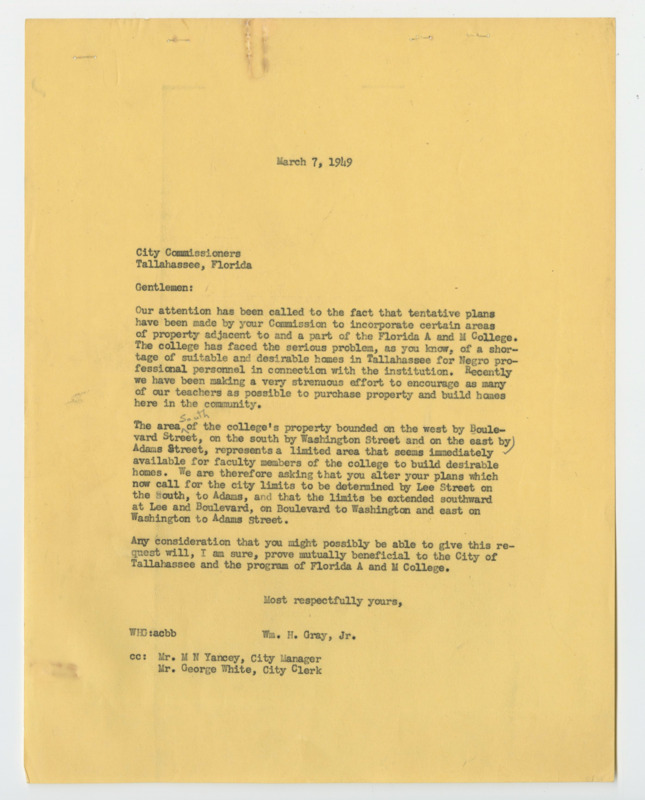
In the late 1940s, the Tallahassee City Commission planned to acquire some land surrounding Florida A&M College, a plan highly opposed by the institution’s president, William H. Gray, Jr. Gray felt it would drive faculty away due to lack of housing. This collection holds correspondence and construction plans.
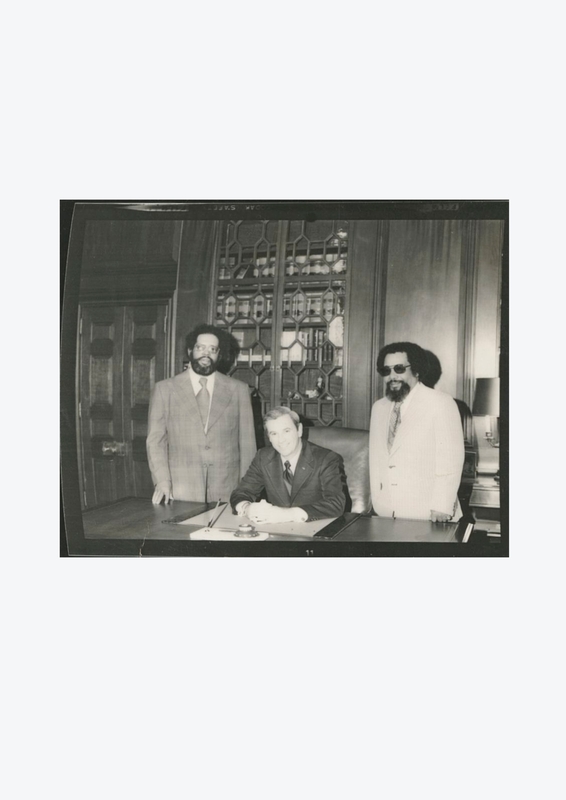
This undated, black-and-white photograph features Julian “Cannonball” and Nathaniel “Nat” Adderley, jazz and blues musicians, and Reubin O’Donovan Askew, the governor of Florida in the 1970s. The Adderley brothers were Florida A&M students and Tallahassee jazz legends, playing saxophone (Cannonball) and cornet (Nat) with Ray Charles and others.
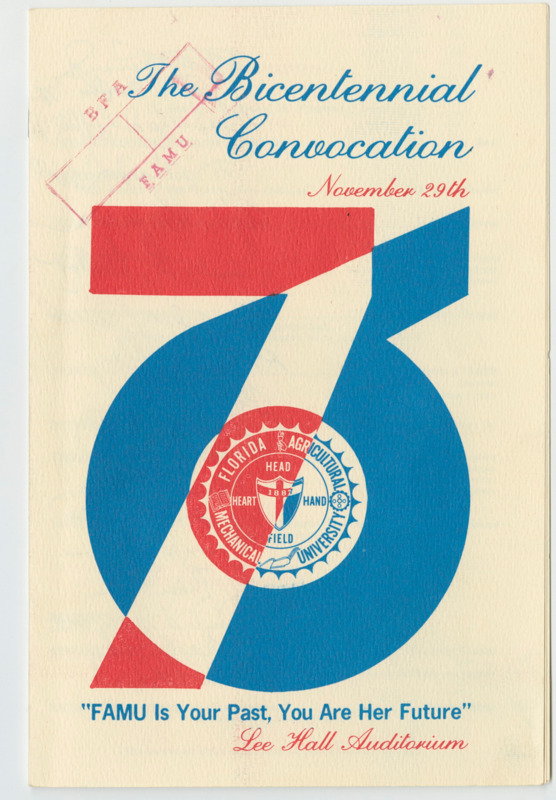
The Bicentennial Convocation program features autographs from notable figures and esteemed alumni, including Dr. LaSalle D. Leffall Jr., commemorating FAMU’s rich history and contributions to education and leadership across generations.
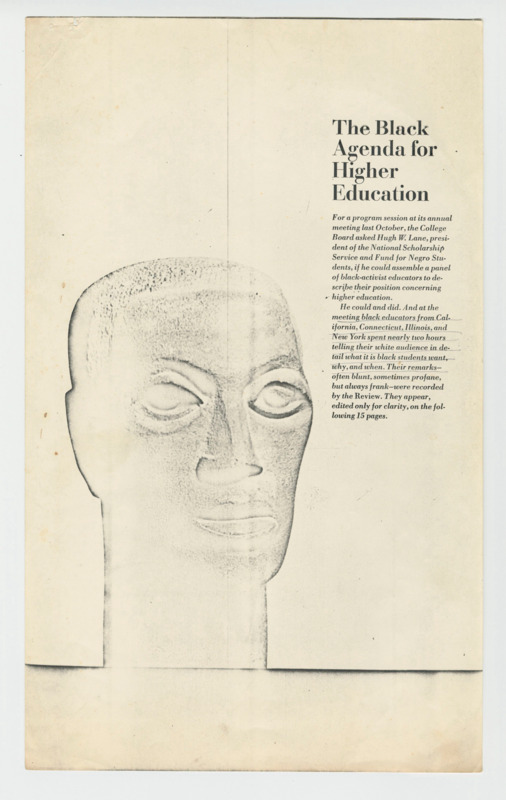
In October 1968, the College Board asked the president of the National Scholarship Service and Fund for Negro Students, Hugh W. Lane, if he could assemble a panel of Black educators to describe their position on higher education. Their comments at the panel were recorded and published in the College Board Review’s Spring 1969 Issue, recorded here.
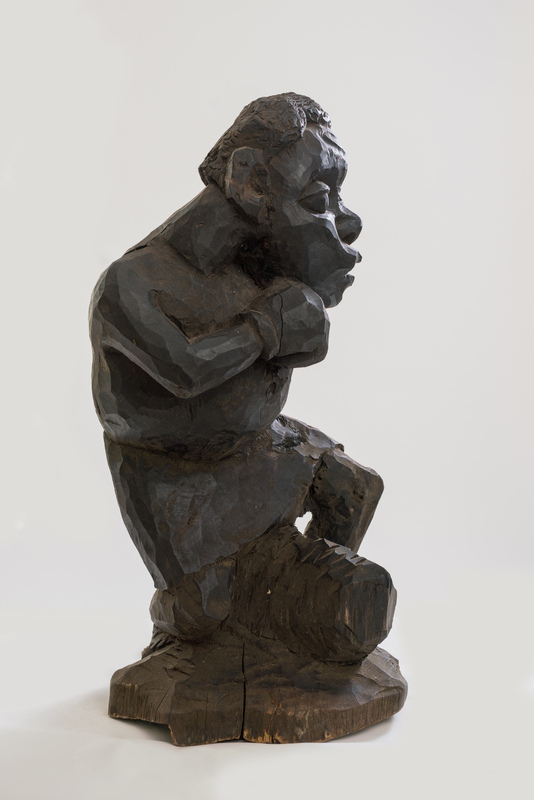
Entrusted to FAMU based on the university's studies in agriculture, this deity is an example of the later spirits showing a more human form. The boxer's left arm was lost prior to shipping from Ghana. The human form seems less passive, but is clearly ready to do harm to any trespassers.
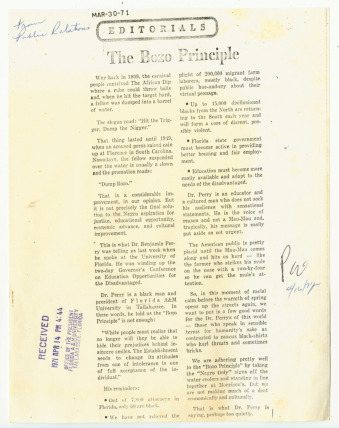
An editorial release from Florida A&M University’s Public Relations Office that discusses a recent speech made by Dr. Benjamin L. Perry, Jr. at the University of Florida, “The Bozo Principle.” Perry essentially uses a metaphor of the origins of a racist carnival game to discuss his vision for the future of marginalized communities.
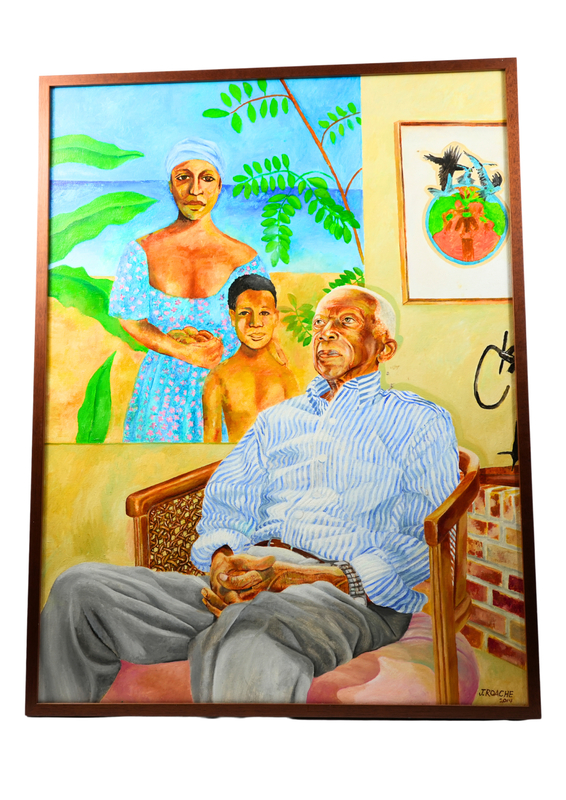
This 2014 painting is of an older man sitting in front of a painting of a woman and a little boy (probably his mother). The portrait was created by Joseph “Joe” Roache, a Florida A&M alum and former professor who has exhibited his oil, acrylic, pencil, and computer artworks in LeMonye Arts, the Mississippi Museum of Art, and more.