The HCAC public history focused digital archive cataloging is an ongoing process, and we may update this record as we conduct additional research and review. We welcome your comments and feedback if you have more information to share about an item featured on the site, please contact us at: HCAC-DigiTeam@si.edu
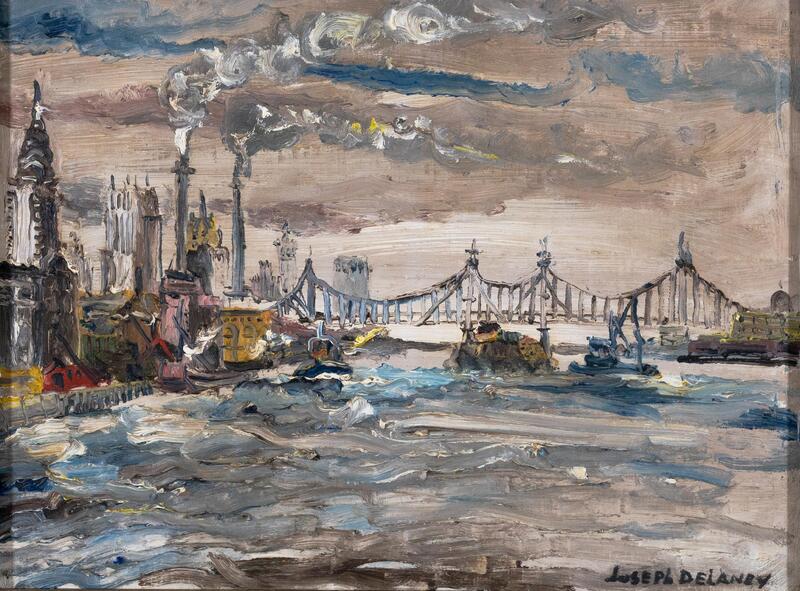
Joseph Delaney, younger brother of Beauford Delaney, was a Harlem Renaissance artist from Knoxville, TN. "East River" depicts the waterway that separates Queens from Manhattan in New York City. The impasto piece shows Queens and several boats by the Queensboro bridge with Manhattan in the distance.
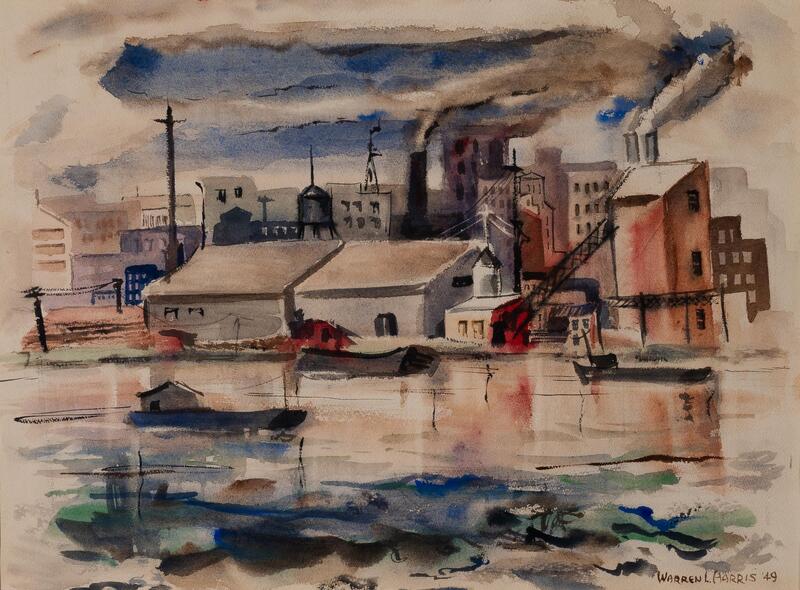
Warren L. Harris was a draftsman from Brooklyn, NY. "East River" is a watercolor painting of its namesake in New York City. Harris captures a scene of multi-floor buildings, a water tower, phone lines, and a factory along the bank of the river. There are several boats in the water.
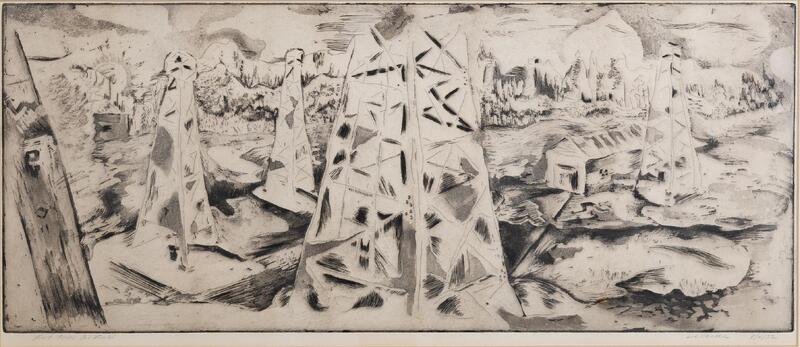
Leroy C. Weaver was an artist and art educator from Prarie View, TX. "East Texas Oil Field" is a print depicting an aerial view oil field in East Texas. The print features several oil rigs and workers' living quarters. In the background, a landscape of forest and trees is visible.
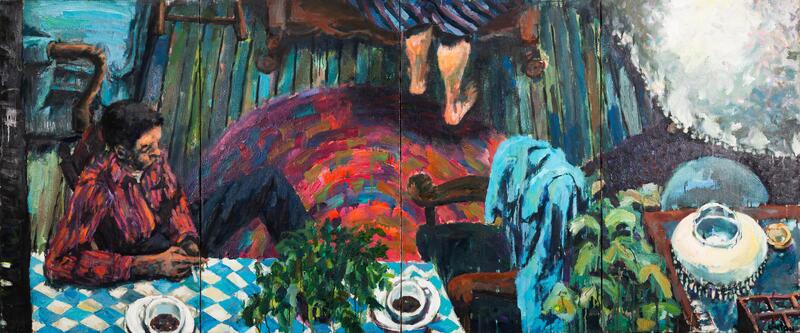
Henri Linton was an artist and art professor from Tuscaloosa, AL. "Easy for One, Hard for Two" is a polyptych depicting the domestic labor expected of wives. The husband sits at the table, fully visible, while the wife's feet and calves are visible as she prepares food for the family in the well-kept house she cares for.
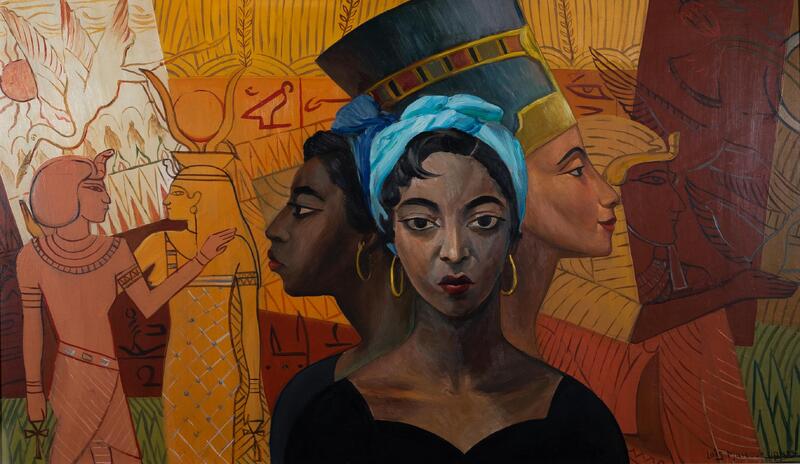
Lois Mailou Jones was an artist and art educator known for her costumes, textile designs, watercolors, paintings, and collages from from Boston, MA. "Egyptian Heritage" presents a genealogical and cultural heritage between contemporary Black people and Ancient Egypt. In the background, Jones uses Ancient Egyptian scenes and hieroglyphics. The painting is indicative of contemporary ideologies that reclaimed African heritage through Egypt.
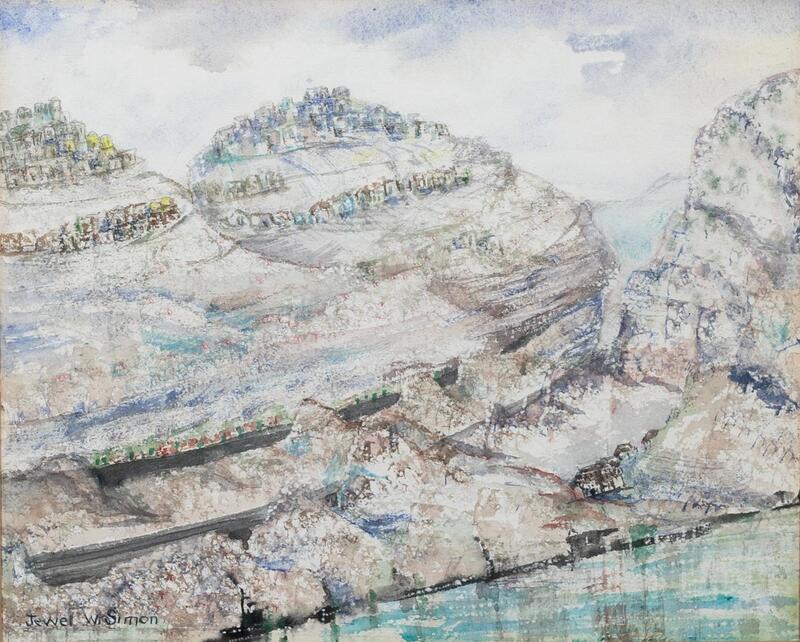
Jewell Woodard Simon was an internationally acclaimed artist, teacher, and poet from Houston, TX. "Ensenada Passage" illustrates a mountainous path to Ensenada, Mexico. A bridge leading to the city is in the foreground, roads lay in the middle ground, and the mountains build up towards the sky, creating an atmospheric perspective.
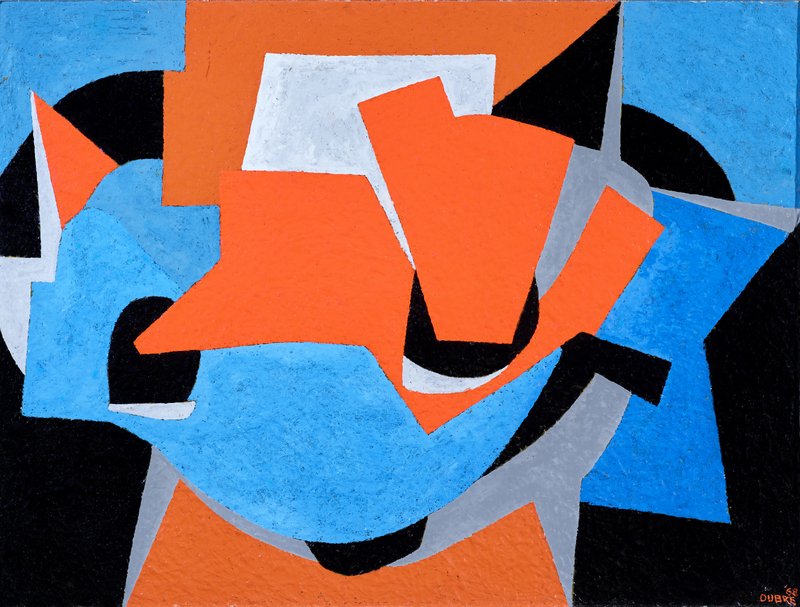
Hayward Oubre was a multimedia artist and educator from New Orleans, LA. "Equivocal Fox" is an abstract depiction of a fox using polygonal shapes. The red and blue forms overlap throughout the painting. The entire artwork is painted with a bumpy texture, which creates a slight relief sculpture effect.
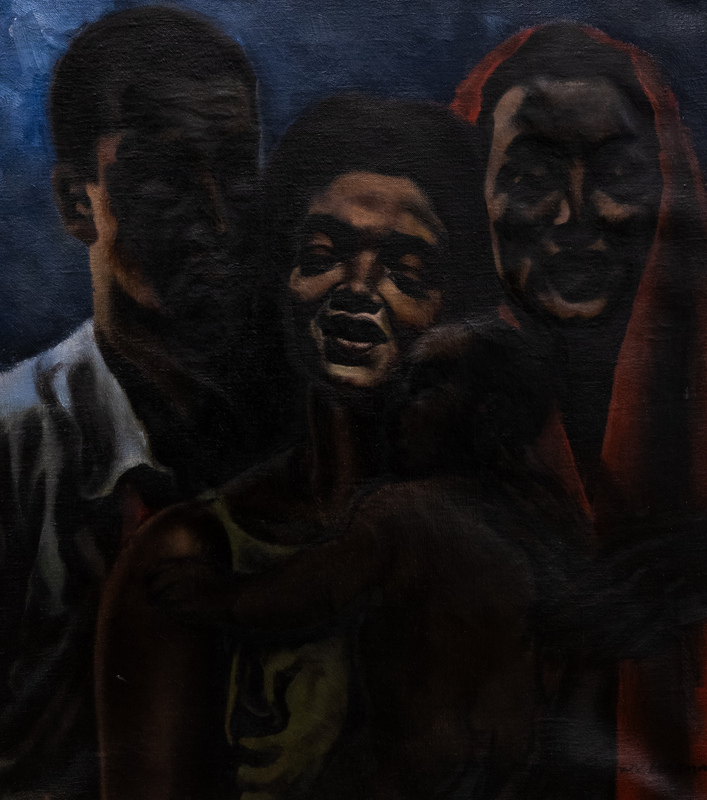
Romeyn van Vleck Lippman was a 19th-century painter and educator. "Eternal" depicts a family portrait of three generations in a dark composition. Lippman illustrates the immortality of humanity through familial legacies.
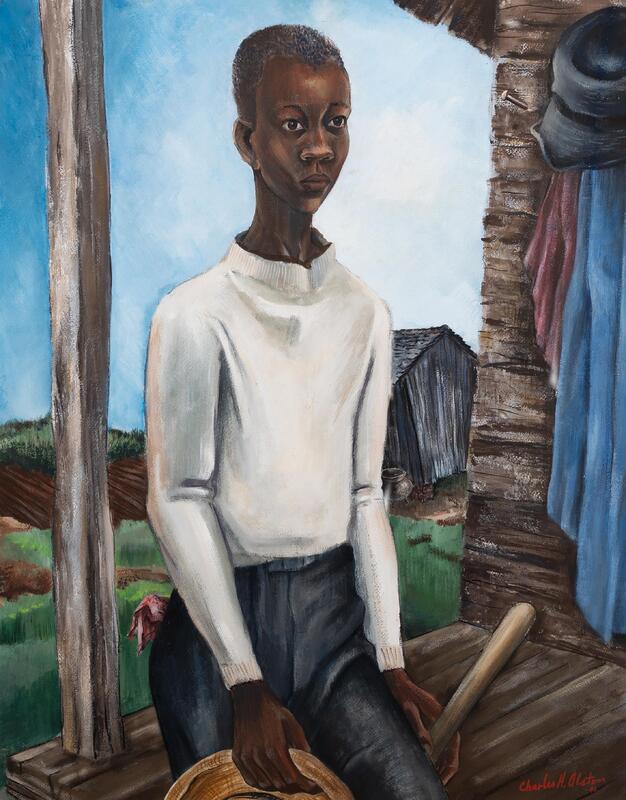
Charles Henry Alston was a Harlem Renaissance painter, sculptor, illustrator, muralist, and teacher. "Farm Boy" is a portrait of a young Black boy holding a hat and a tool on a farm. In the background is a rural landscape of fields and a barn. Alston photographed Black Southern life in North Carolina when he visited rural and farm sites with a Farm Security Administration inspector. His photos served as inspiration for his paintings that depicted Black southern life.
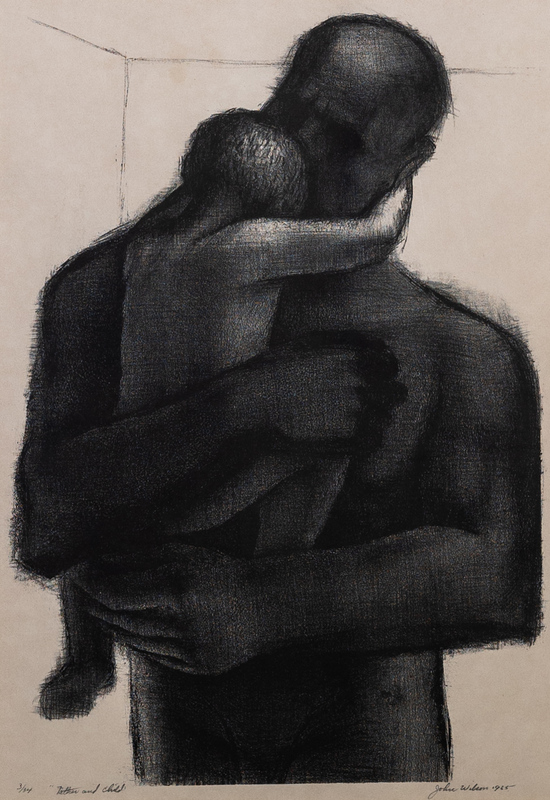
John Woodrow Wilson was a famous painter known for his creative portraits and stylistic approach to social justice. "Father and Child" is a black-and-white print of a seemingly nude father holding his equally nude son. The piece embodies the intimacy between parent and child.
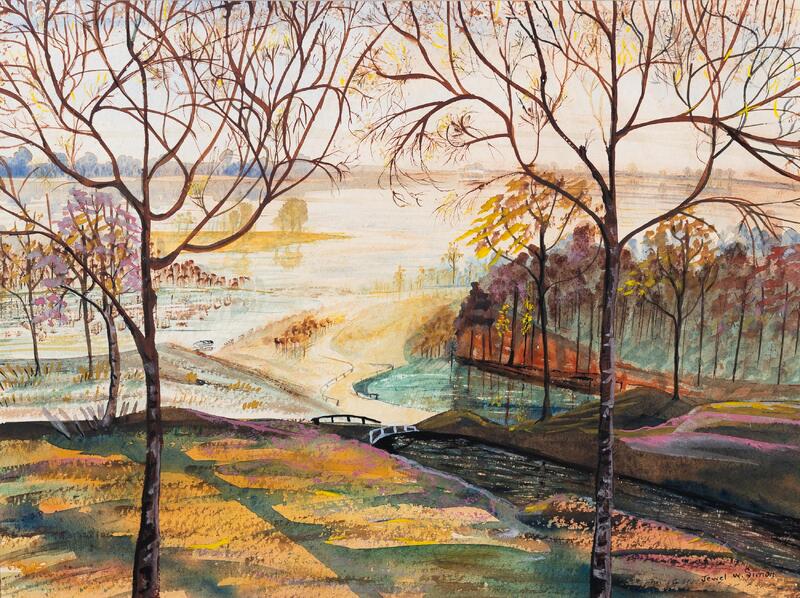
Jewell Woodard Simon was an internationally acclaimed artist, teacher, and poet from Houston, TX. "February Lace" is an atmospheric watercolor of a park in late winter. The scene includes patches of dried and lush grass, trees with red and purple leaves, and a bridge. Simon used the trees in the foreground to create a sense of depth.
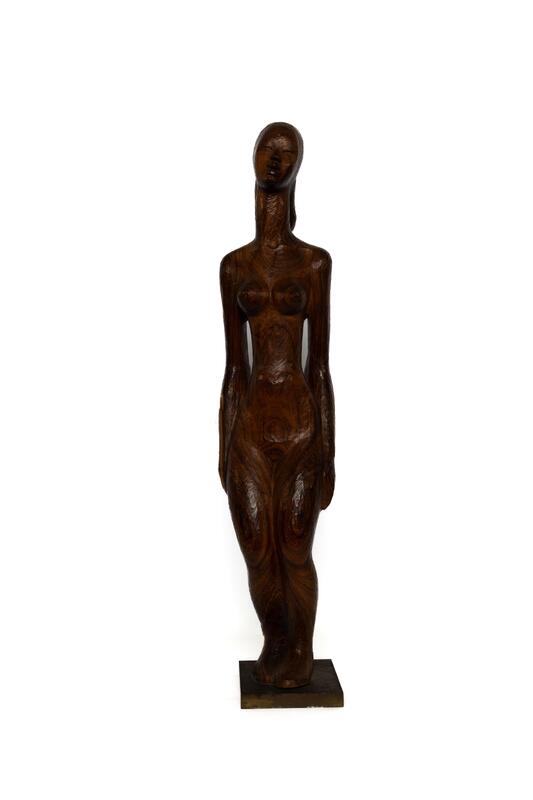
John W. Rhoden was a renowned sculptor from Birmingham, AL. "Female Figure" is a wooden sculpture of a nude woman. The woman's demeanor is peaceful, and she stands slack-armed with a relieved expression.
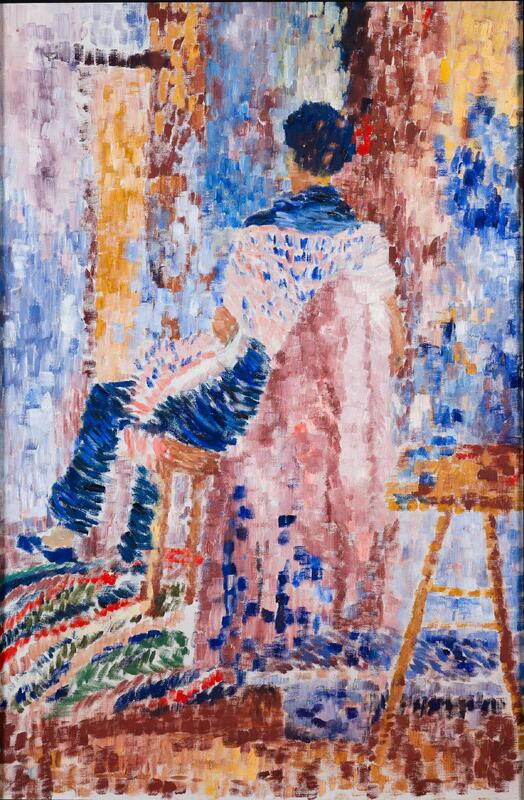
Mildred A Braxton was an artist from Newport News, VA. "Figure #1" shows the subject sitting in a chair facing away from the viewer. The figure is wearing blue and pink attire with fabric hanging on the back of a brown chair. Using techniques similar to Pointillism, Braxton created an environment full of loose brushstrokes.
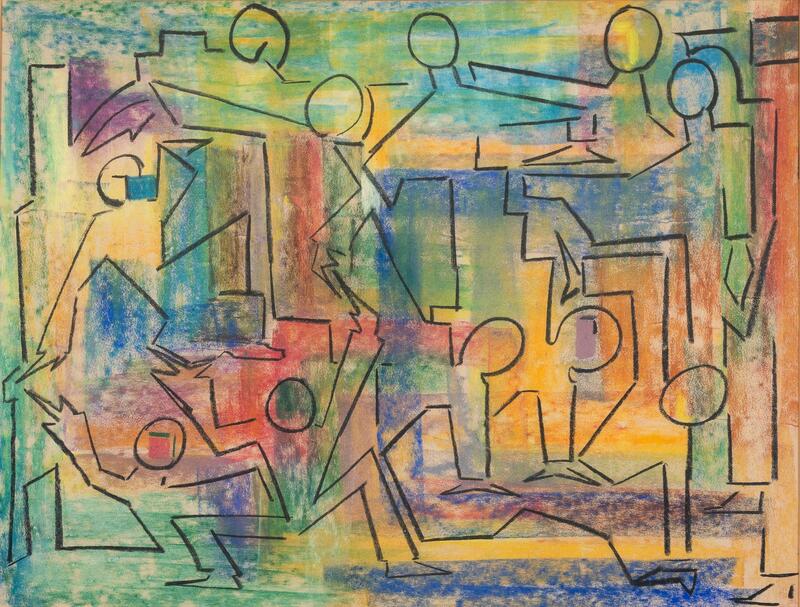
Gerald F. Hooper, Sr. was an artist from Tallahassee, FL. "Figures" depicts geometric figures dancing. Hooper uses circles, quadrilaterals and other shapes to frame the moving figures. The background is a collage of colorful wax strokes.
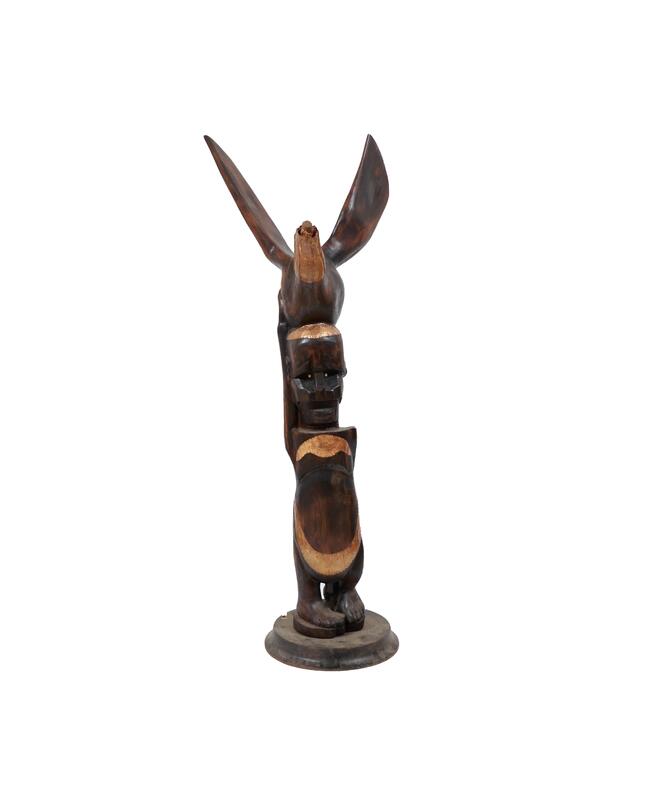
Edward L. Pryce was a landscape architect and artist from Lake Charles, LA. "Fisherman with Cormorant" is a medium-sized carving of a man fishing with a cormorant, a species of aquatic bird, on his head.
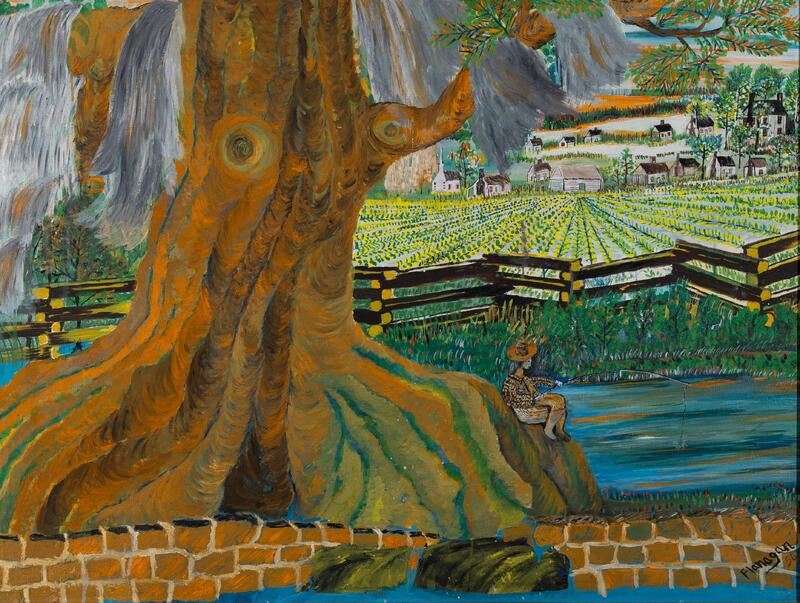
Thomas Jefferson Flanagan was an artist and activist from Florence, GA. "Fishing on the Quarters" is a landscape painting with a large tree and a person fishing from a body of water. The tree and fisherman are in the foreground, while a wooden gate borders an acreage of colorful crops painted linearly.
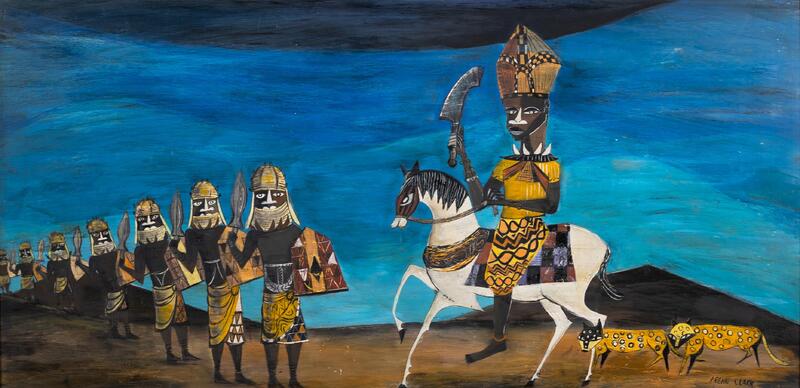
Irene V. Clark was a diasporic folklore artist from Washington, D.C. "Five Centuries Ago" depicts Black warriors preparing for battle. In the lead is a man on a horse holding a weapon with an animal by his side. He faces the warriors who follow him as they march under a dark blue sky.
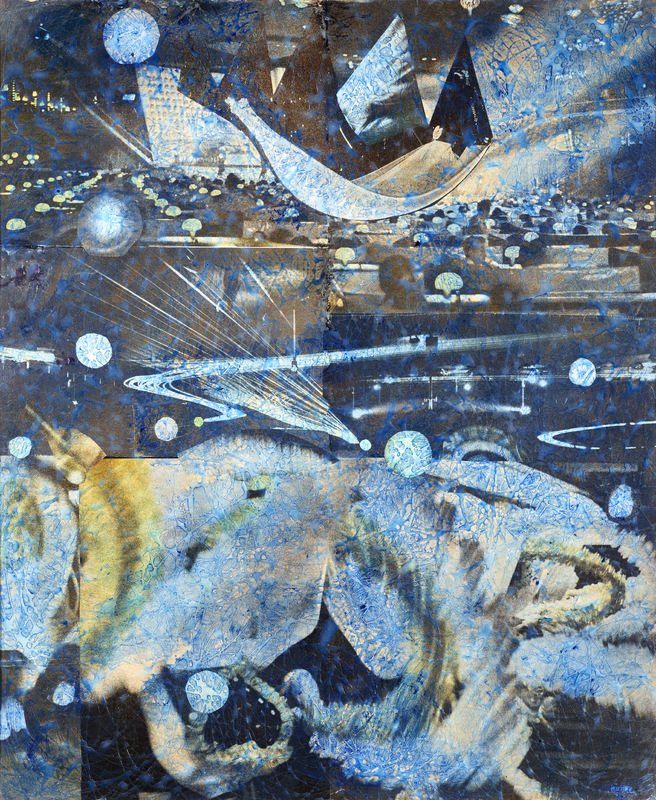
Hayward Oubre was a multimedia artist and educator from New Orleans, LA. "Flight Into Space" is an abstracted cosmoscape. Oubre uses geometric shapes and gestural strokes, colored in shades of blue and black, to display the complexities of space.
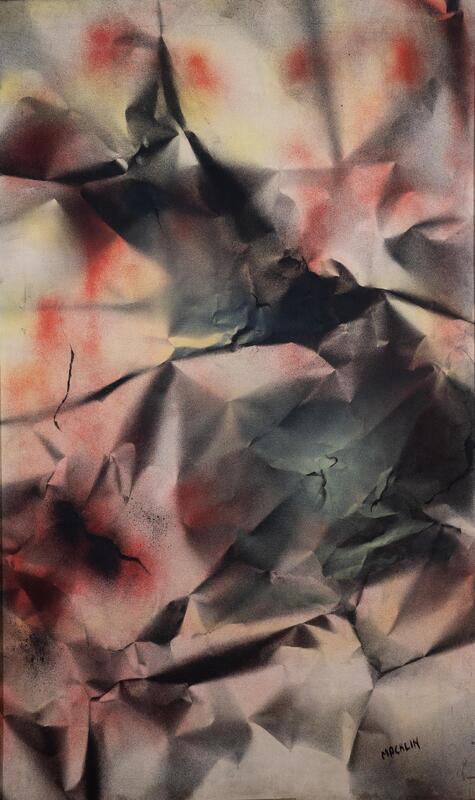
Anderson D. Macklin was an artist, professor, art historian, and author from Luther, OK. "Flowers and Paper Magnified" is an abstract view of its namesake. Macklin uses muted pastels and charcoal shadows to create a magnified perspective of the objects.
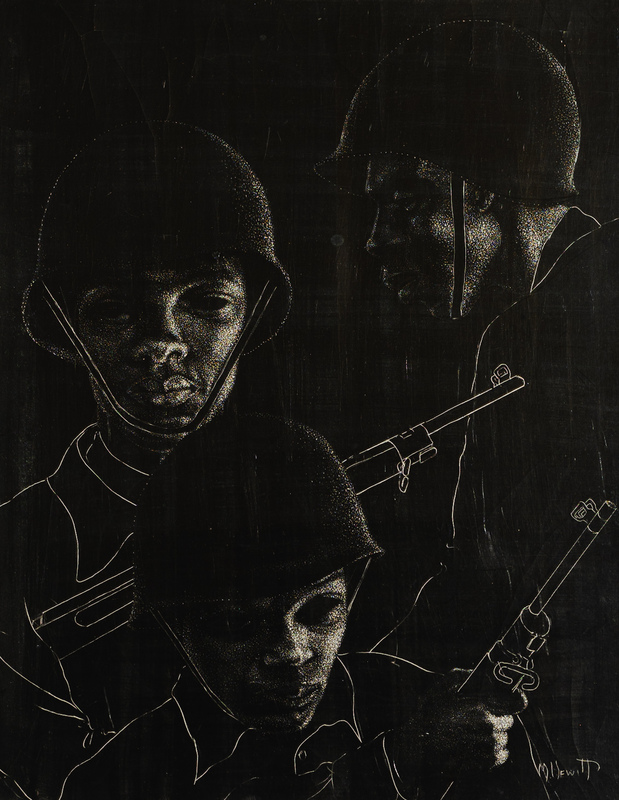
Mark Hewitt was an artist from Boston, MA. "Fort Devens" is a black-and-white drawing of three Black soldiers at a U.S. Army Reserves base in Massachusetts. In 1945, Fort Devens was a protest site for the treatment of the Black Women's Army Corps.
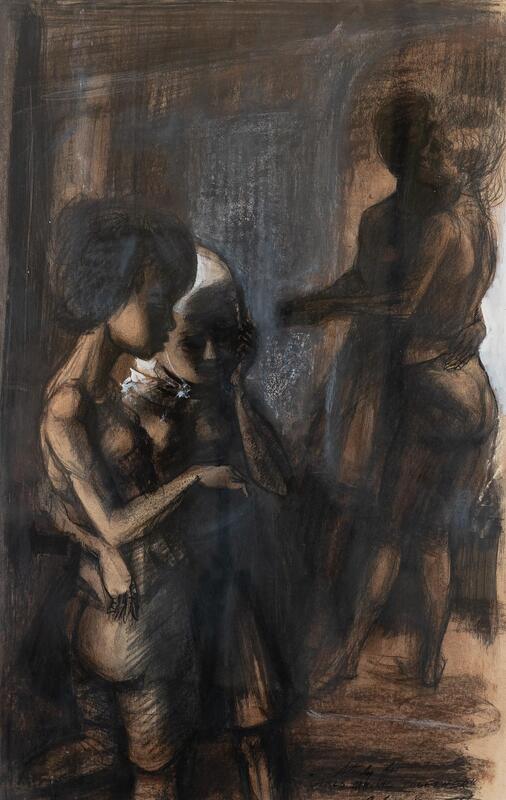
Calvin Burnett was a graphic artist, illustrator, painter, designer, and art teacher from Cambridge, MA. "Four Girls Dancing Together" depicts four young girls dancing in pairs in a shadowed room. While both pairs have sorrowful expressions and demeanors, the two girls in the foreground wear distinctly apprehensive expressions. Their seminude, shadowy bodies stand together in pairs as they sway, caressing each other.
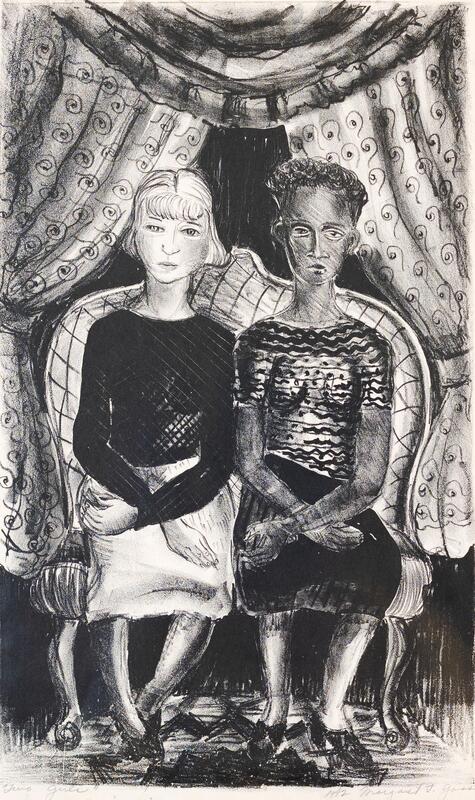
Margaret Taylor Goss Burroughs was an artist, historian, teacher, and writer from St. Rose, LA. "Friends" is a print depicting an interracial friendship. Two girls, one black and the other white, are sitting on a loveseat in front of a patterned curtain. This radical image of race relations was created during the height of the Jim Crow era.
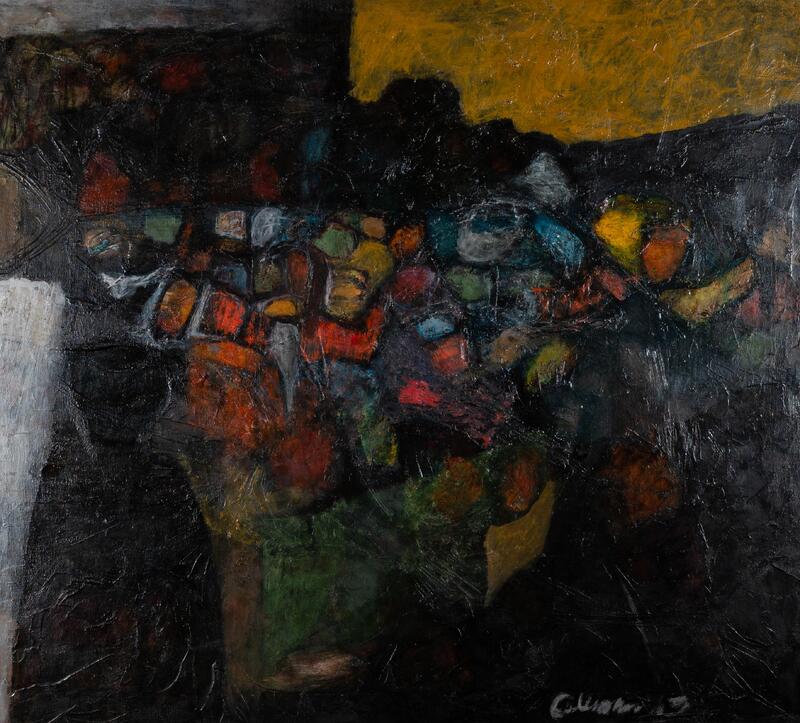
Floyd Coleman was an art historian, educator, and painter in Washington, D.C. "Garden" is an abstract depiction of a patch of land used to grow flowers and vegetables. Coleman uses splotches of vibrant colors on top of a black background.
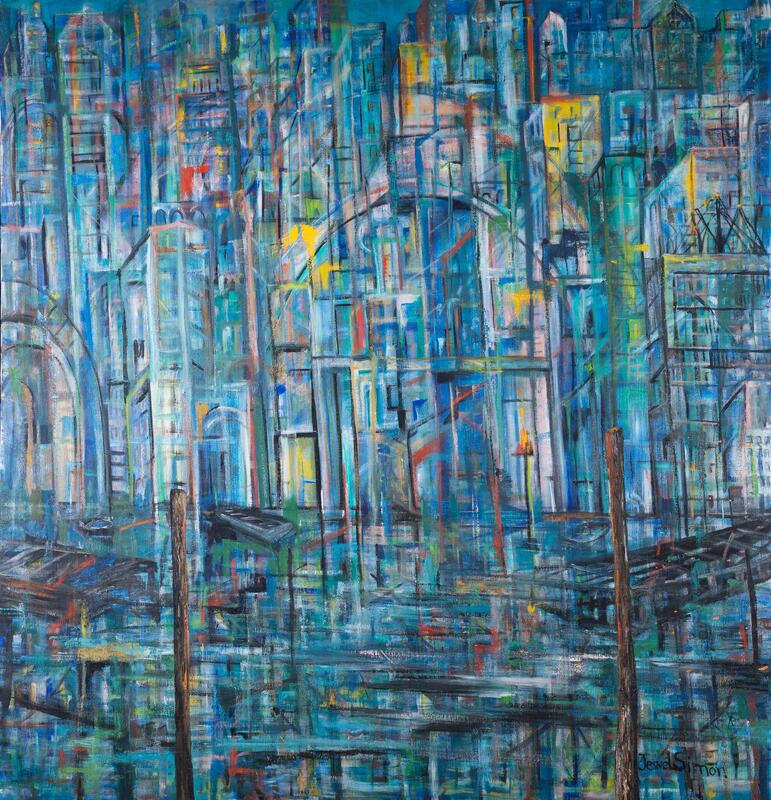
Jewell Woodard Simon was an internationally acclaimed artist, teacher, and poet from Houston, TX. "Ghost Harbour City" depicts an urbanscape and a dock with moored boats. Horizontal and vertical lines shape the city and water and create depth. Simon blends colors to detail the light, shadow, and shape of each building and the seascape.
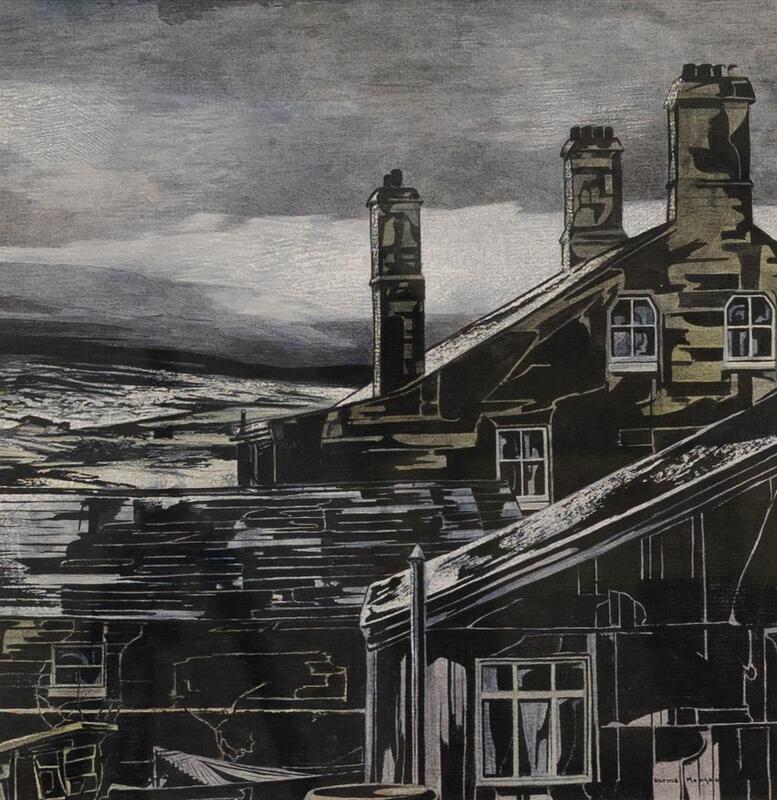
Norma Morgan was a painter from New Haven, Connecticut. "Ghost Light" shows a house and a shed that sit in the close foreground. Their wooden structures are cast in heavy shadow. There is an atmospheric background remaining with a gloomy color palette of gray, black, and white.
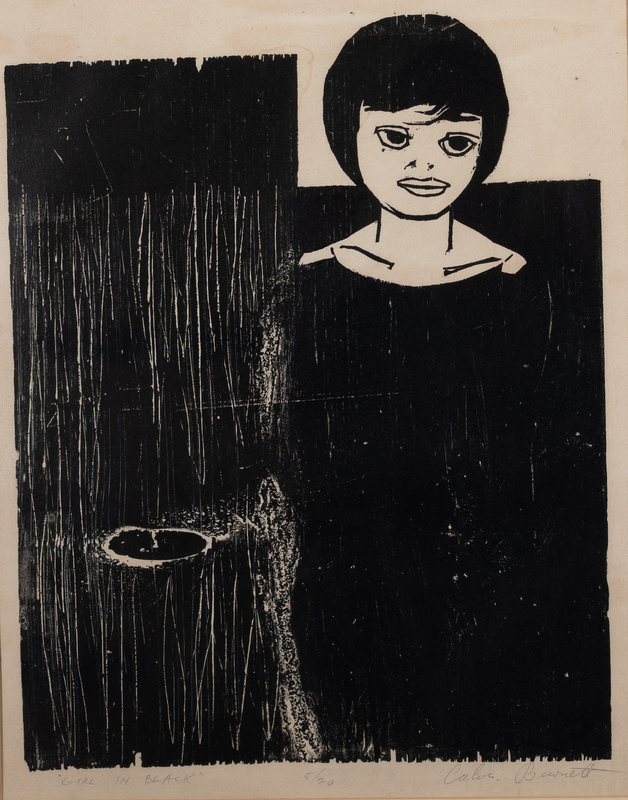
Calvin Burnett was a graphic artist, illustrator, painter, designer, and art teacher from Cambridge, MA. "Girl in Black" depicts a girl standing with a smug expression, wearing a Black garment. The dress blends into the dark background and uses the white space to define the woman's features, while white scratches add texture to the piece.
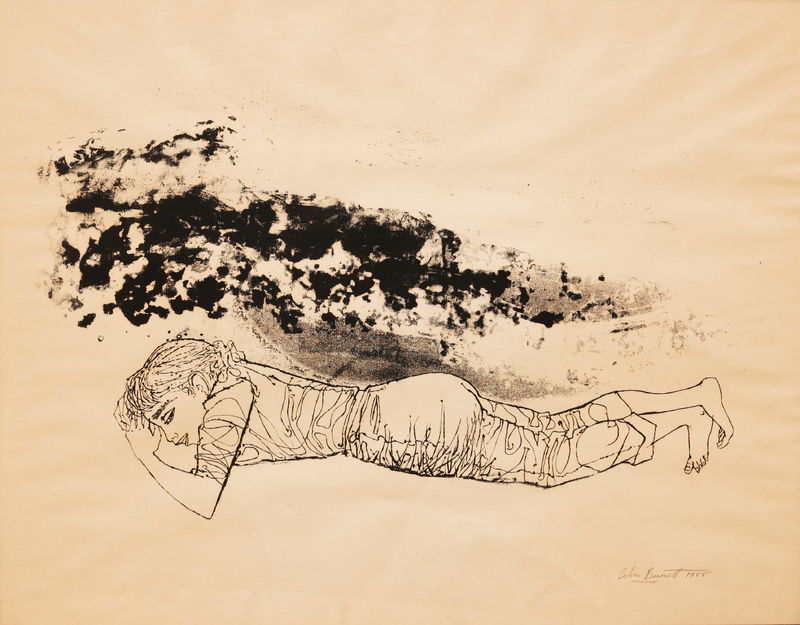
Calvin Burnett was a graphic artist, illustrator, painter, designer, and art teacher from Cambridge, MA. "Girl Waiting" depicts a young girl lying asleep with dark shadows above her.
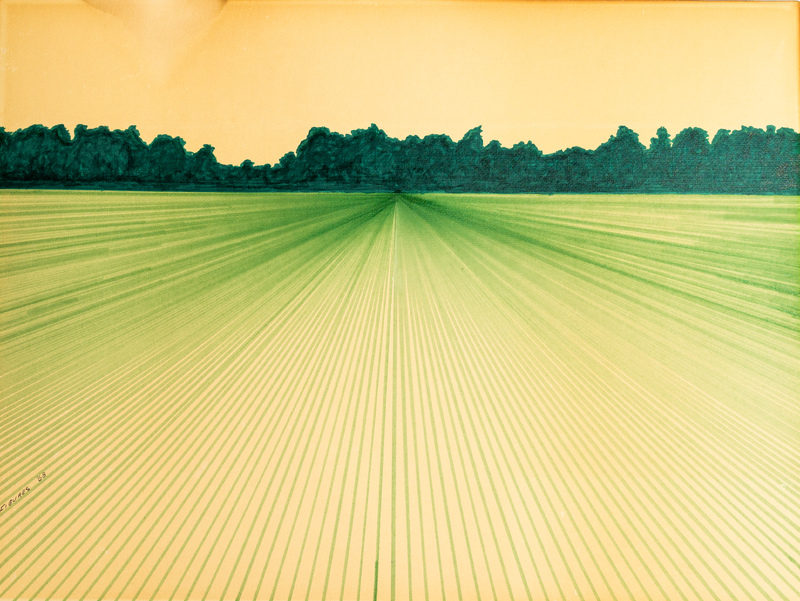
Alfred Figures was an artist from Mobile, AL. "Green Field" is a landscape painting that depicts a field of rolling grass and a distant tree line. Fine green lines form rows of organic matter, depicting an open field.
Rose Piper, an African-American artist, used her knowledge of art and geometry to explore the American South. "Grievin’ Hearted," a cubist painting, illustrates the sentiments of African Americans in the South. A man sadly hangs his head on his arm as he sits in the shadows. The girl in the yellow dress symbolizes hope for the future.